
Programmes
4 Sep 2026
Geography Under Siege: How the Sea Became Israel’s Greatest Vulnerability
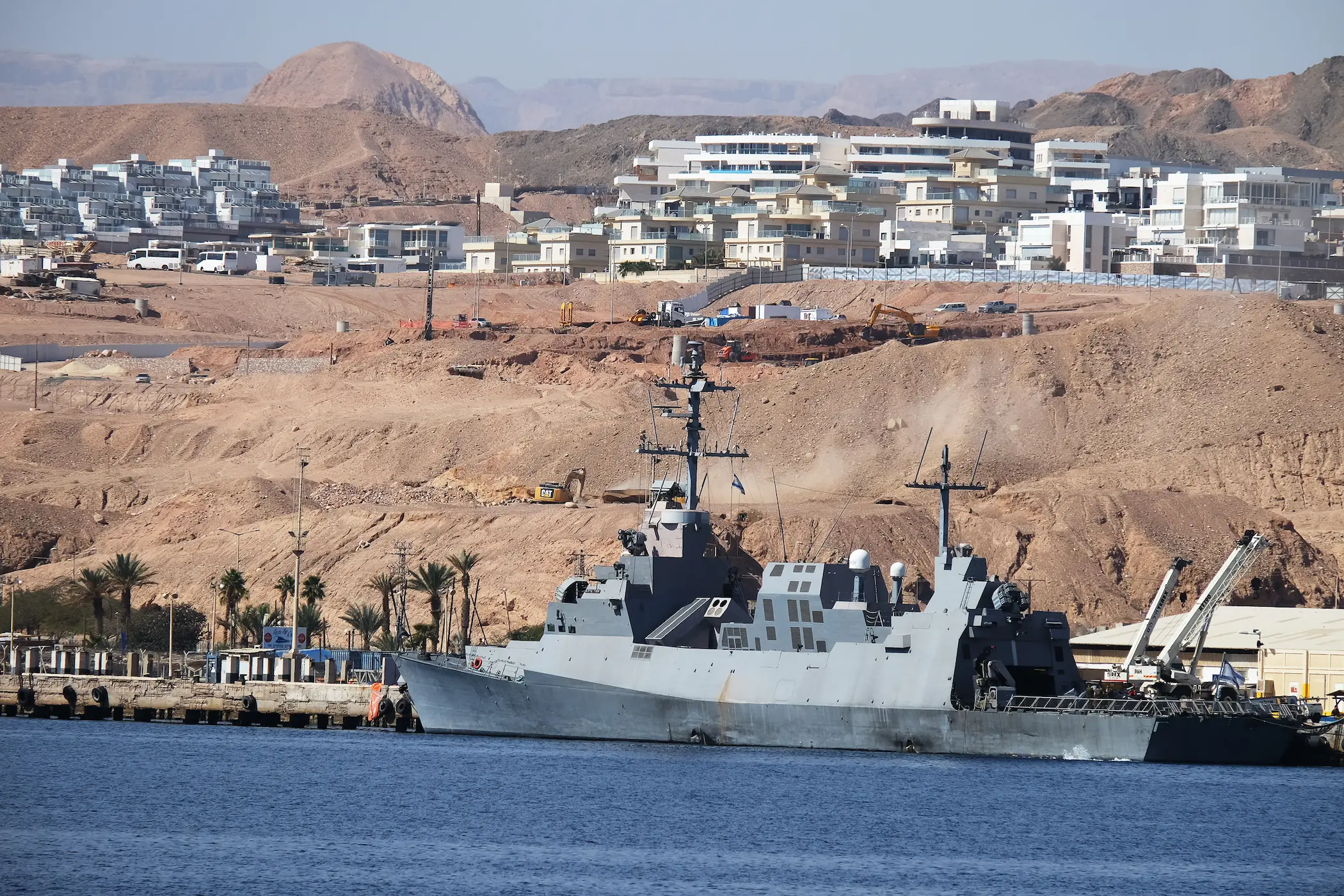
The geopolitical and security complexities of land borders in the Middle East have created a strategic reality in which Israel effectively functions as an "island economy", despite its physical connection to the continental landmass. This overland isolation has left the Israeli economy with little choice but to rely almost entirely on maritime routes to sustain its trade arteries, secure vital imports and maintain the flow of exports. The sea, therefore, is no longer merely an additional geopolitical and military domain, but has become the lung through which the Israeli economy breathes.
In this context, geography has shifted from a potential defensive shield to a structural vulnerability, with any disruption to freedom of navigation or coastal security posing an existential threat to capital flows and market stability.
This strategic vulnerability is further compounded by the country's demographic and economic geography. The coastal strip constitutes Israel's true centre of gravity, concentrating much of its population, financial centres, logistics infrastructure and principal ports.
This concentration leaves the coastline particularly exposed. Any security disruption in the maritime domain would affect not only shipping, but also the very fabric of everyday life and the core of commercial activity. Non-state armed actors have recognised this dynamic and identified the maritime domain as an opportunity to inflict economic paralysis at extremely low cost, circumventing the need to penetrate Israel's sophisticated air and land defence systems.
The concept of maritime infrastructure is no longer confined to ships and ports, but has expanded to encompass sovereign assets that constitute pillars of contemporary national security. Natural gas fields beneath the Eastern Mediterranean have become a cornerstone of energy independence, with any threat to production platforms or pipelines having immediate repercussions for industrial production costs and electricity grid stability.
In parallel, subsea telecommunications cables have emerged as a lifeline for the digital knowledge economy. The high-tech and financial services sectors depend entirely on these cables' integrity to ensure the global flow of data. Protecting these subsea assets has therefore moved beyond the technical realm to become a core element of the security doctrine aimed at protecting the economy from collapse in times of crisis.
This maritime exposure confronts the military establishment with a dual strategic dilemma: a widening protection gap between the immediate coastline and distant international sea lanes.
At the near-shore tactical level, the challenges associated with protecting coastal installations from unconventional threats, such as explosive-laden boats and drones, are intensifying. Countering these threats entails enormous financial costs, requiring the operation of expensive interception systems and warships against low-cost offensive capabilities available to adversaries.
At the more distant strategic level, the challenge lies in protecting the vital trade routes running through the Red Sea and the Bab el-Mandeb Strait. Any disruption there could choke off the Port of Eilat, disrupt supply chains from Asia, and drive up insurance and shipping costs, dealing a severe blow to investor confidence and the broader business environment.
Publications
18 Aug 2026
Shadow Leverage Issue 3: The Regional Proxy Dilemma
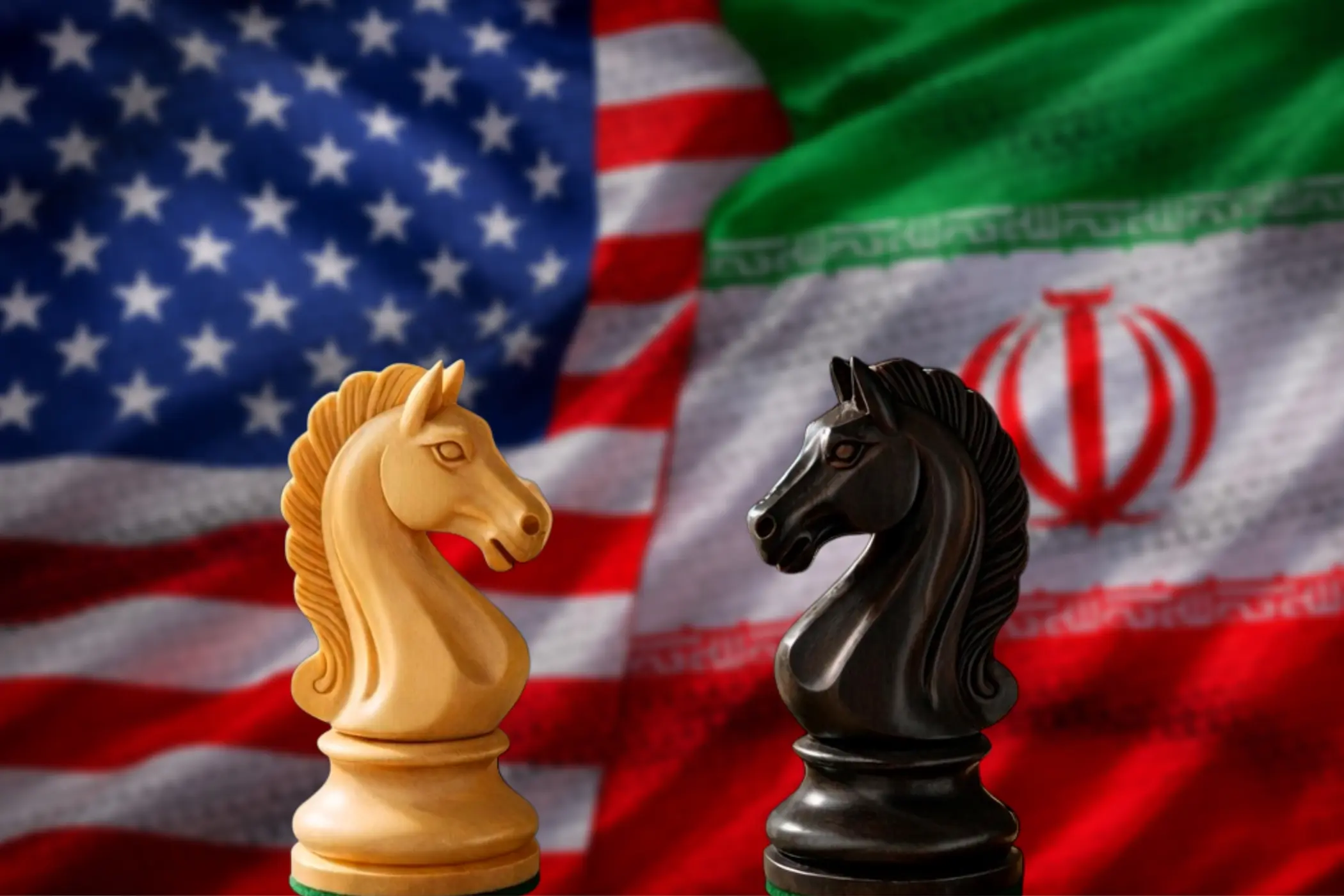
Negotiations between Washington and Tehran are entering an increasingly complex strategic juncture, with most of the 60-day timeframe established under the "Islamabad Truce" having elapsed without a decisive agreement. This has been accompanied by renewed hostilities and the Strait of Hormuz once again closing to international shipping.
These developments on the ground coincide with intensive international diplomatic efforts to contain the repercussions of an open military conflict that has clearly weighed on regional and global economic growth.
At the heart of this negotiating landscape is the conspicuous absence of the regional proxy issue from both the draft preliminary agreement and the current talks. Rather than signalling that the issue has been sidelined, this absence raises fundamental questions about the future of the complex network that has for decades formed a central pillar of Iran's deterrence doctrine.
Current political dynamics suggest the proxy issue is no longer a secondary matter that can be deferred or ignored. Instead, it has become a structural fault line that cuts across each side's conception of security and stability, as well as the limits of any viable settlement.
Its exclusion from the initial formulations reflects a clear recognition of how difficult it would be to incorporate the issue without directly confronting red lines at the intersection of Iran's deterrence doctrine, the US vision of regional security, and Israel's efforts to translate military pressure into irreversible negotiating gains.
The dilemma takes on even greater significance in light of recent macroeconomic analyses indicating that the costs of proxy involvement have extended well beyond direct military losses, striking at the heart of the global economy. Proxy-related operations along critical maritime corridors, particularly in the Red Sea, have severely disrupted supply chains and inflicted tens of billions of dollars in losses on international trade through unprecedented surges in shipping and insurance costs. They have also created unconventional threats to the security of digital infrastructure, most notably subsea fibre-optic cable networks.
Security experts emphasise that the structural attrition the Axis of Resistance suffered during the intense confrontations of 2024 and 2025 prompted Tehran's leadership to reassess its tactics and instruments, but not to abandon them.
The crisis stems from a fundamental divergence in the actors' perspectives. Iran regards its network of proxies as a forward line of defence and an integral component of its national security, integrating these groups with its missile and drone capabilities. Washington and Tel Aviv, backed by regional powers, by contrast, view dismantling and disarming these groups as a mandatory precondition for any new regional security architecture.
This reality places the proxy issue at a critical intersection between three complex levels: Iran's pursuit of strategic depth for its defence; US efforts to neutralise sources of asymmetric threat; and regional and international concerns that link market stability and freedom of navigation to ending the activities of these groups around maritime chokepoints and in the Eastern Mediterranean. Any settlement that fails to define the place and functions of these proxies would therefore amount to little more than a fragile truce vulnerable to rapid erosion.
This section examines the divergent perspectives of the key actors on the regional proxy crisis. It assesses how these competing positions may clash or converge behind closed doors at the negotiating table. The paper asks a central question: will these discussions translate into strategic trade-offs that underpin a comprehensive and sustainable settlement, or will divergence between the parties' red lines reduce the anticipated agreement to little more than a temporary tactical freeze before an even more violent round of conflict?
This issue was written on August 2, 2026
Programmes
10 Feb 2026
How the West Bank is the International Order’s Ultimate Test
The question of the West Bank has transcended its status as a mere component of the Palestinian–Israeli conflict to become a substantive test of the coherence of international law and the deterrence foundations upon which the post–Second World War international order was built.
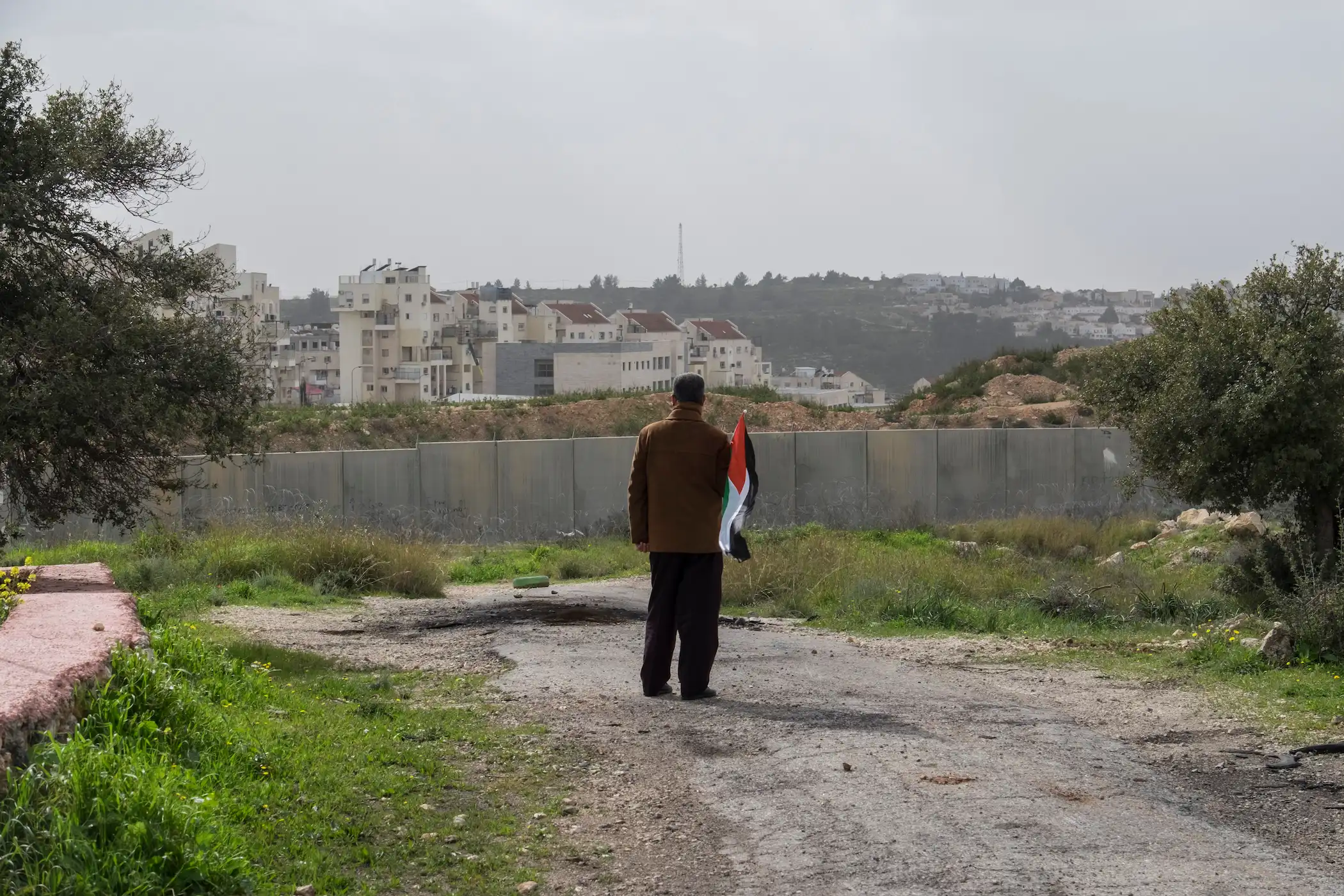
On 9 February 2026, the Israeli Security Cabinet endorsed a package of extraordinary measures designed to consolidate Israeli control over the West Bank. The measures included rescinding the longstanding prohibition on the sale of land to Jews through the repeal of the Jordanian statute that barred the transfer of Palestinian property to Jewish purchasers; lifting the confidentiality of land registry records; transferring planning and construction powers in parts of Hebron from the Palestinian municipality to the Israeli Civil Administration; and broadening oversight and demolition authorities to extend into Areas A and B, which fall under Palestinian Authority jurisdiction in accordance with the Oslo Accords.
These decisions are likely to generate profound structural transformations in property registration and transfer regimes by permitting the public disclosure of landowners’ identities. Such disclosure opens the way for direct negotiations between Israeli purchasers and Palestinian proprietors, thereby facilitating a faster pace of acquisition and further entrenching settlement expansion throughout the West Bank.
In this context, the Israeli Settlement Council (Yesha) characterised the measures as “the most consequential in fifty-eight years,” portraying them as an effective governmental declaration of the restoration of the Land of Israel to its people. These moves do not represent an isolated incident; rather, they constitute one stage in an intensifying trajectory that, over the past two years, has fundamentally reshaped the conflict's underlying parameters, generating a transformed reality that necessitates analytical frameworks beyond traditional paradigms.
Programmes
17 Aug 2025
Larijani’s Visit: Building Alliances or Rescuing Allies?
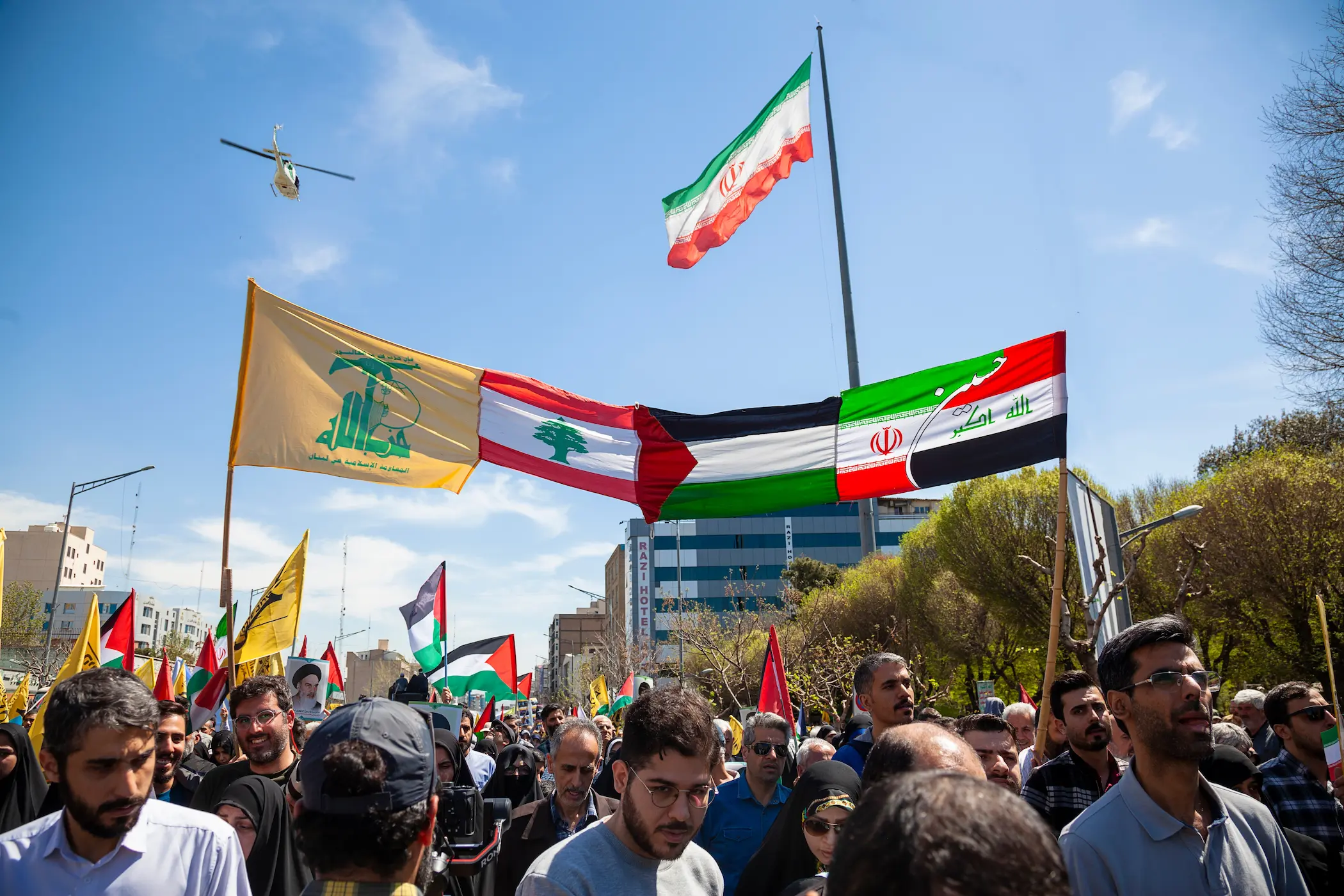
Iran’s militias in Iraq and Lebanon are currently grappling with multi-dimensional crises, including the erosion of their political influence, mounting military pressures, and the need to recalibrate their strategies amid shifting regional alliances in a volatile regional and international environment. These challenges are undermining their ability to sustain the role they once played within Iran’s “Axis of Resistance.” This situation coincides with the visit of the Secretary of Iran’s Supreme National Security Council, Ali Larijani, at a particularly critical and sensitive moment. The visit represents either an opportunity to forge new alliances or an attempt to rescue embattled allies in Iraq and Lebanon.
Programmes
18 May 2025
A New Regional Committee to Fight ISIS
In March 2025, Turkey, Syria, Jordan, Lebanon, and Iraq agreed to create a joint committee to fight the Islamic State of Iraq and Syria (ISIS). While this committee reflects the desire of regional countries to take lead in deterring regional security threats, it also motivates the United States to withdraw its forces from Syria, giving more space to the new formed committee to fight ISIS. Moreover, the newly formed committee could serve as an alternative to the U.S.-led international coalition that was established in September 2014 to counter ISIS and curb its spread in Syria and Iraq.
While the coalition was instrumental in weakening the group, mainly through airstrikes and by supporting Kurdish armed factions on the ground, it now appears that regional actors are stepping in to lead the next phase of counterterrorism efforts.

Programmes
10 Feb 2025
Turkey and Iran: Commonalities and Contradictions
Following the Arab Spring, Turkey and Iran started expanding their influence in the region, utilising the state of instability. While both countries compete over expanding influence in Syria, Iraq, and Azerbaijan, they managed to maintain strong mutual relations. The analysis examines foreign policy tools employed by both countries to maximise their benefits along with analysing the commonalities and differentiation of interests between them in the Middle East.

Programmes
25 Jan 2025
From Displacement to Development: Syria’s Path to Reintegration
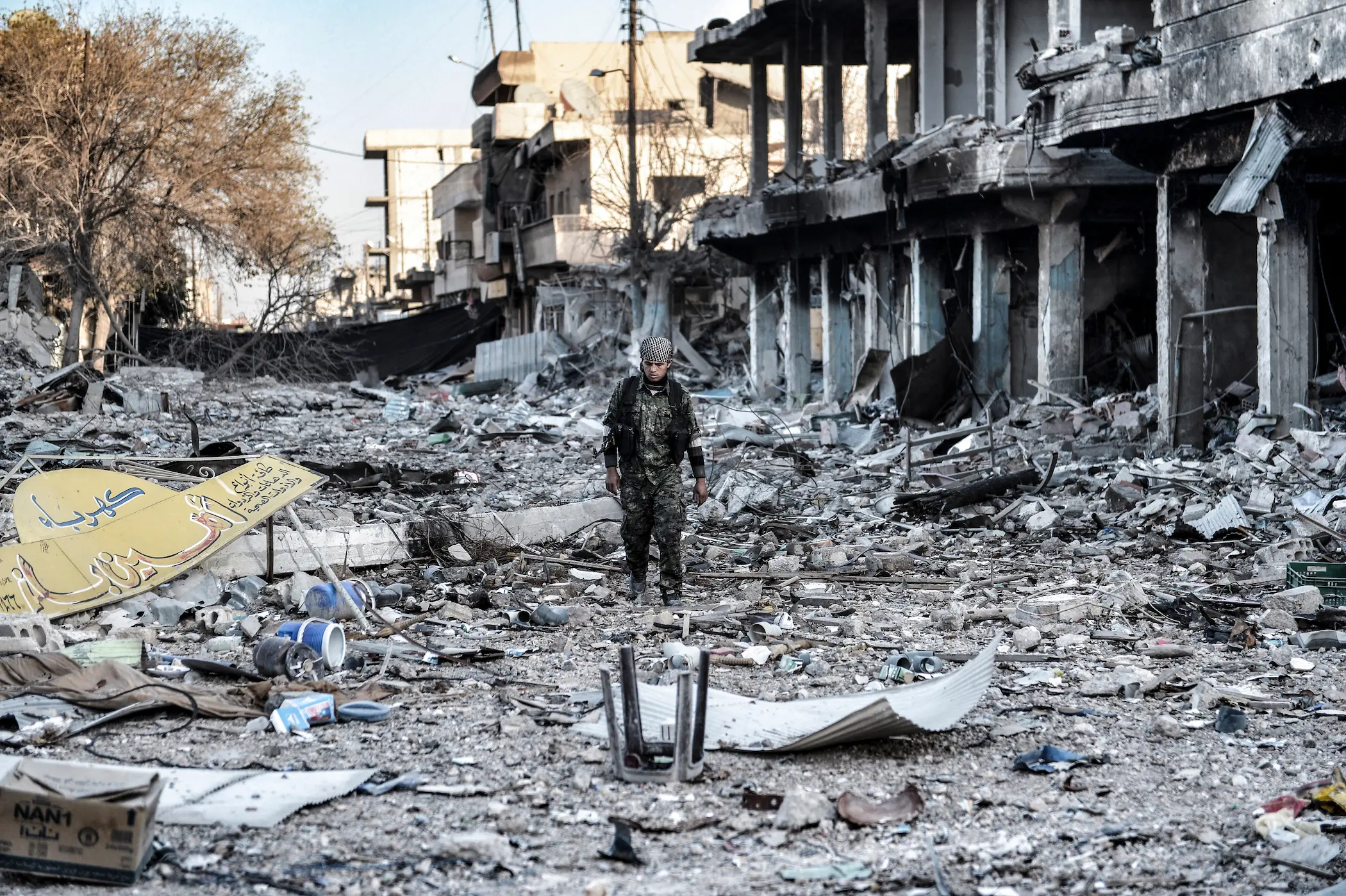
With millions of people displaced, massive destruction, and the destruction of entire businesses, the Syrian Civil War wreaked chaos on the country’s economy since it started in 2011, and whilesome countries have started to discuss deportation policies, many refugees started to return home in the hopes of rebuilding their country after the fall of the Assad regime. While the repatriation of refugees holds the promise of economic revitalisation, the multifaceted challenges of reintegration and rebuilding complicate the picture. Hence, a gradual reintegration policy under certain conditions, including international support especially from countries hosting the refugees is required to foster sustainable recovery.

Publications
18 Dec 2024
Mahabad: Oil, the Peshmerga, and the Collapse of the Kurdish Dream
The Kurdish dream of establishing an independent state was on the verge of realisation after centuries of demands in Jan. 1946. This came when “Qazi Mohammad,” the Iranian Kurdish leader, declared the establishment of the Mahabad Republic in the province of the same name, now part of the Islamic Republic of Iran. However, this dream quickly dissipated when the Soviet Union withdrew its financial support for the nascent state. The intensification of the economic blockade on the region further compounded the situation, preventing the entry of food supplies and reducing agricultural production. These pressures led to dramatic shifts in the loyalties of Kurdish tribal leaders who had initially allied with “Qazi” during the state's formation, hoping to secure a share of Soviet financial and food aid.
The food situation worsened over time, pushing some leaders of the Mahabad army to leave the capital, especially as Iranian forces were nearing its entrance, leaving the Kurdish leader and a small Kurdish group behind to face an unequal battle with the Iranian army. Therefore, to spare Kurdish blood, it was decided to surrender on December 15 of the same year, leading to the Iranian army's occupation of Mahabad and the declaration of the state's fall. In the end, “Qazi” was executed in March 1947, marking the end of the closest attempt to establish a Kurdish state.
About a quarter of a century later, the Iraqi Federal Supreme Court issued a series of rulings regarding Iraqi oil exported by the Kurdistan Region of Iraq. The latest ruling, issued in Feb. 2024, mandated the Kurdistan Regional Government’s Council of Ministers to hand over all oil and non-oil revenues to the central government in Baghdad. This could have a dual impact similar to that caused by the cessation of financial support and the Iranian blockade on the Mahabad army, but this time it affects the Peshmerga forces that represent the hope for preserving the “autonomy” of the Kurdistan Region of Iraq considered the second closest Kurdish attempt at establishing a national homeland for the Kurds.
Therefore, the First Part of this paper addresses the political situation of the Kurds, focusing on the status of the region in the Iraqi Constitution, the contentious issues between the region and the federal government, and the impact of these disputes on the continuity and existence of the Peshmerga. The Second Part reviews the economic situation, examining the effects of the series of judicial rulings on the conditions that undermine the autonomy of the regional government in selling oil and the repercussions of this on the Peshmerga as a Kurdish defence force that protects the “autonomy” of the region, forming the last line of defence against its collapse.

Programmes
10 Dec 2024
What If: Israel Created a New Corridor to the Euphrates in Syria?
The dream of Greater Israel is not fictional but real, first developed by Theodore Hertzel, the founding father of Zionism, Greater Israel include all lands from the Nile in Egypt to the Euphrates in Iraq. This includes territories from Egypt, Syria, Iraq, Kuwait, Saudi Arabia, all Jordanian territory, and all historical Palestine. In 2017, the United Nations issued a report indicating that Israel is proceeding with its plans to annex Palestinian lands in the West Bank while keeping Palestinians in severe conditions of isolation and deprivation. Moreover, soldiers of the Israeli army have worn badges showing Greater Israel during military operations in Gaza, indicating that Israel might expand its military operations in the Middle East after ending its military operations in Gaza. The pathway to accomplishing the dream of Greater Israel began in November 2024 when Israel entered the demilitarised zone that separates the occupied Syrian Golan Heights. In this area, Israel began establishing a construction project, paving a road along the borders with Syria. What if the Israeli construction project in Syria is the first step to build a corridor that would connect Israel to the Euphrates, thus making Israel closer to achieve the dream of Greater Israel? What will be the consequences if Israel manages to create this corridor?

Programmes
2 Dec 2024
Remontada?! How Will Syrian Armed Factions Redefine the Regional Landscape
On Wednesday, Nov. 27, 2024, Syrian armed factions launched a coordinated offensive targeting regime-controlled sites and militia positions in the western countryside of Aleppo, northern Syria. This operation marks the most significant joint military action since 2016, involving key groups such as “Hay'at Tahrir Al-Sham” (formerly Jabhat Al-Nusra). In a video statement, the Joint Operations Room declared the initiation of the “Deterrence of Aggression” operation. The announcement emphasised that the offensive was necessitated by recent regime movements threatening civilian areas, framing the operation as a defensive imperative rather than a strategic choice. The statement underscored that this action was in direct retaliation for the Syrian regime's bombardment of north-western regions, signalling a potential escalation in the conflict dynamics of the region.
Programmes
30 Jan 2024
The Vicious Cycle of Violence: Next Steps Post-Jordan Attack
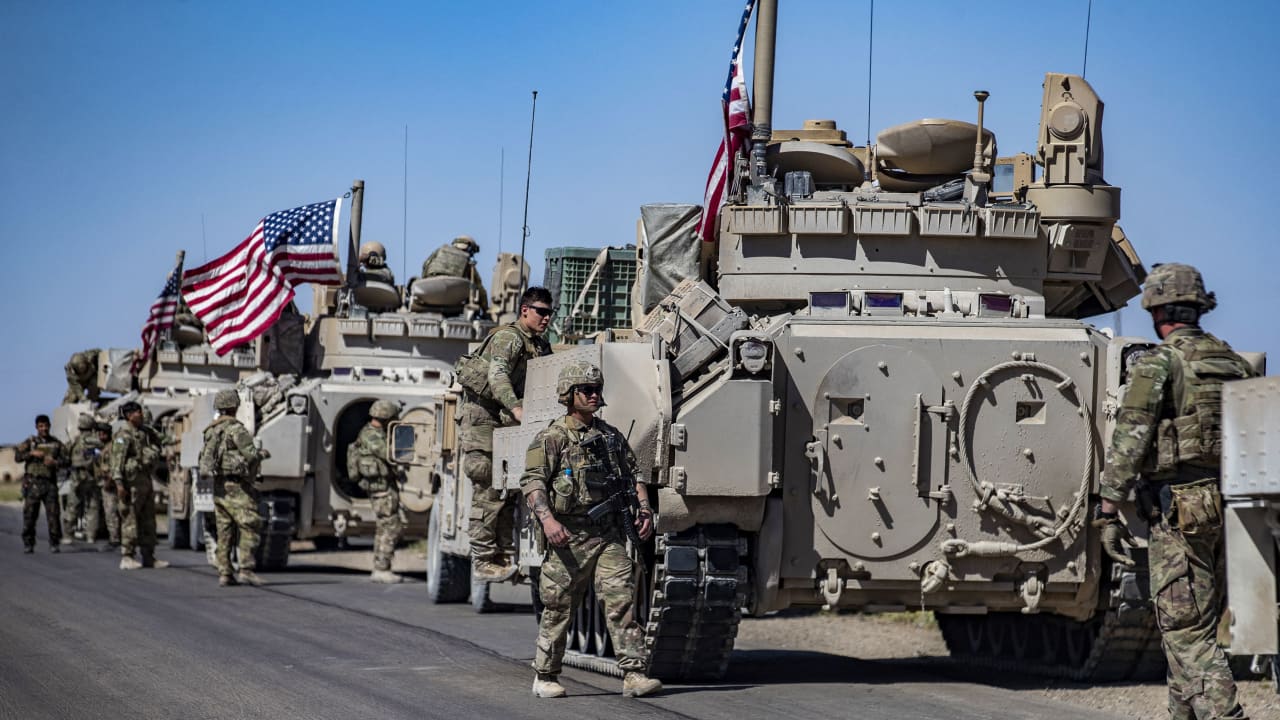
On Jan. 28, 2024, a significant drone strike occurred at an American military outpost situated along the Jordanian-Syrian border. The targeted attack led to the death of three American troops, with 34 additional personnel sustaining injuries, as reported in the latest statement released on Jan. 30, 2024.
This event holds profound implications and is poised to instigate repercussions that warrant careful analysis and monitoring. Notably, it marks the first instance of American service members being killed by hostile fire in the Middle East since the commencement of the Israel-Hamas War. The attack's location and timing carry additional connotations, underscoring the need to anticipate and evaluate the potential developments that may occur.
Moreover, the Islamic Resistance in Iraq (IRI) claimed responsibility for the attack in a statement, explicitly stating, “We targeted four enemy bases, including three situated in Syria: Al-Shaddadi base, Al-Rukban base, and Al-Tanf base (located near the Syrian-Jordanian border). The fourth targeted base is within the occupied Palestinian territories, identified as the Zevulun Naval Facility.”