
Programmes
17 Oct 2026
From Smart TVs to Supermarket Freezers: AI and the New Cyber-Physical Risk
On the night of 11–12 October 2026, cyberattacks on supermarket refrigeration systems in France pushed temperatures in some cold-storage units to 50°C, spoiling food and, in some cases, triggering fires. Hundreds of stores were affected, with reports suggesting that the disruption extended across several major supermarket chains. The financial losses ran into millions of euros. The incident demonstrated how a digital intrusion could damage physical equipment, disrupt commercial operations, and threaten the integrity of the food supply chain without targeting payment systems or customer databases.
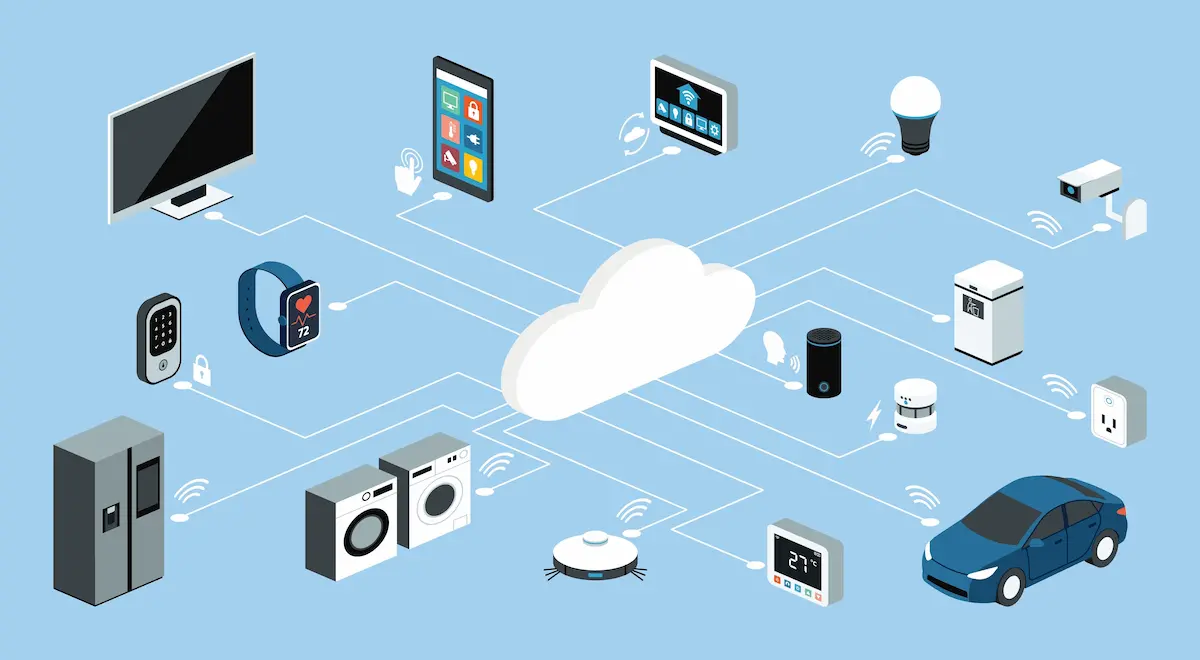
The attack came amid growing concerns about the security of connected devices. In September, allegations concerning data collection by LG smart TVs raised questions about privacy and the risks associated with consumer electronics. On 12 October, Anthropic published research warning that AI models could be approaching the capabilities required to replicate across vulnerable Internet of Things (IoT) devices without access to a central data centre. These developments point towards a broader transformation in cybersecurity. As physical infrastructure becomes more connected and AI systems become more capable, the potential consequences of digital vulnerabilities are expanding. The central concern is no longer limited to stolen data or disrupted computer networks, but extends to the possibility that insecure devices could become entry points for attacks on physical operations, essential services, and interconnected supply chains.