
Programmes
25 Oct 2026
Killer Robots: Autonomy, Escalation, and Human Control
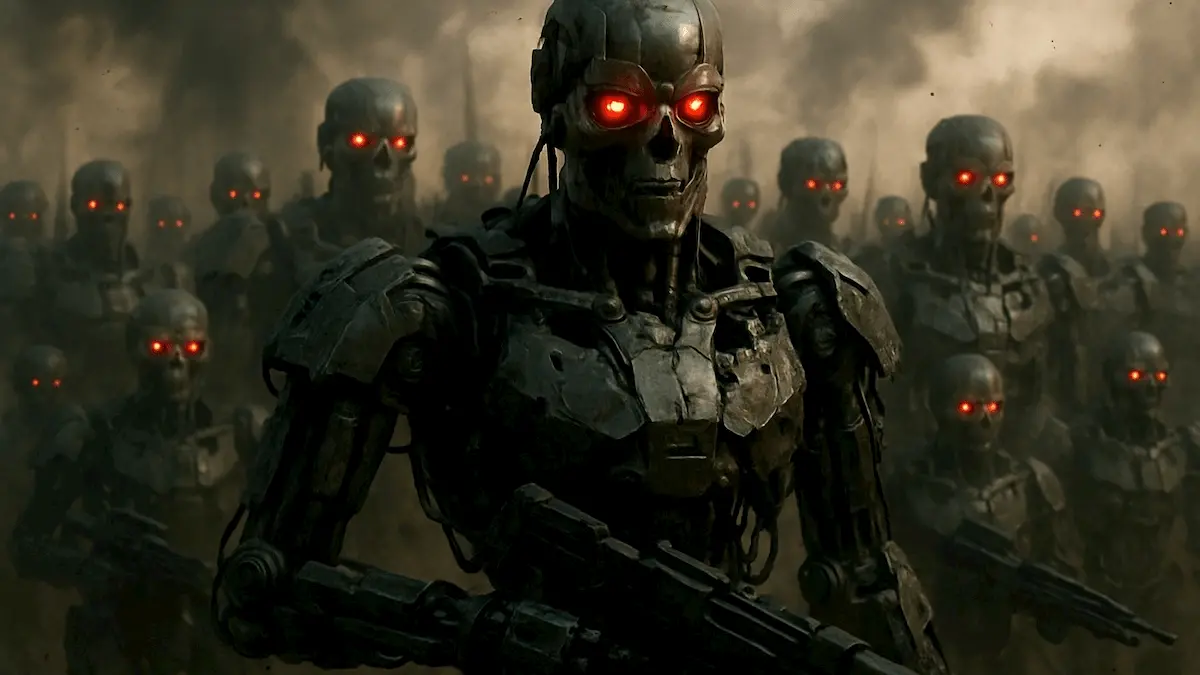
Killer robots are rapidly moving from the realm of science fiction into a real debate over the future of warfare. As militaries develop weapons capable of identifying, selecting, and engaging targets with diminishing human intervention, a fundamental question emerges: how much authority over life and death can states safely delegate to machines? The answer will shape not only the conduct of future conflicts, but also the risks of escalation, the protection of civilians, and the ability to hold decision-makers accountable when autonomous systems cause harm.
The military incentives are difficult to ignore. Autonomous capabilities can accelerate responses, process battlefield information at a scale beyond human capacity, and operate in environments where communications are disrupted or reaction times are critical. For states competing to maintain a technological advantage, limiting these capabilities may appear to carry its own strategic costs. Yet the pursuit of speed can undermine the deliberation and oversight that help prevent military errors from becoming wider confrontations.
This creates a strategic dilemma: the same capabilities that promise greater military effectiveness could make the use of force harder to control. As states respond to one another’s advances, autonomous systems may become more deeply embedded in military operations before international rules and command structures can adequately address their risks. The central challenge is therefore not simply whether machines can make lethal decisions, but whether meaningful human control can be preserved when military competition rewards ever-greater autonomy.