
Programmes
13 Aug 2026
Three Decades of Absence: Why Have Arabs Been Shut Out of the UN’s Top Job?
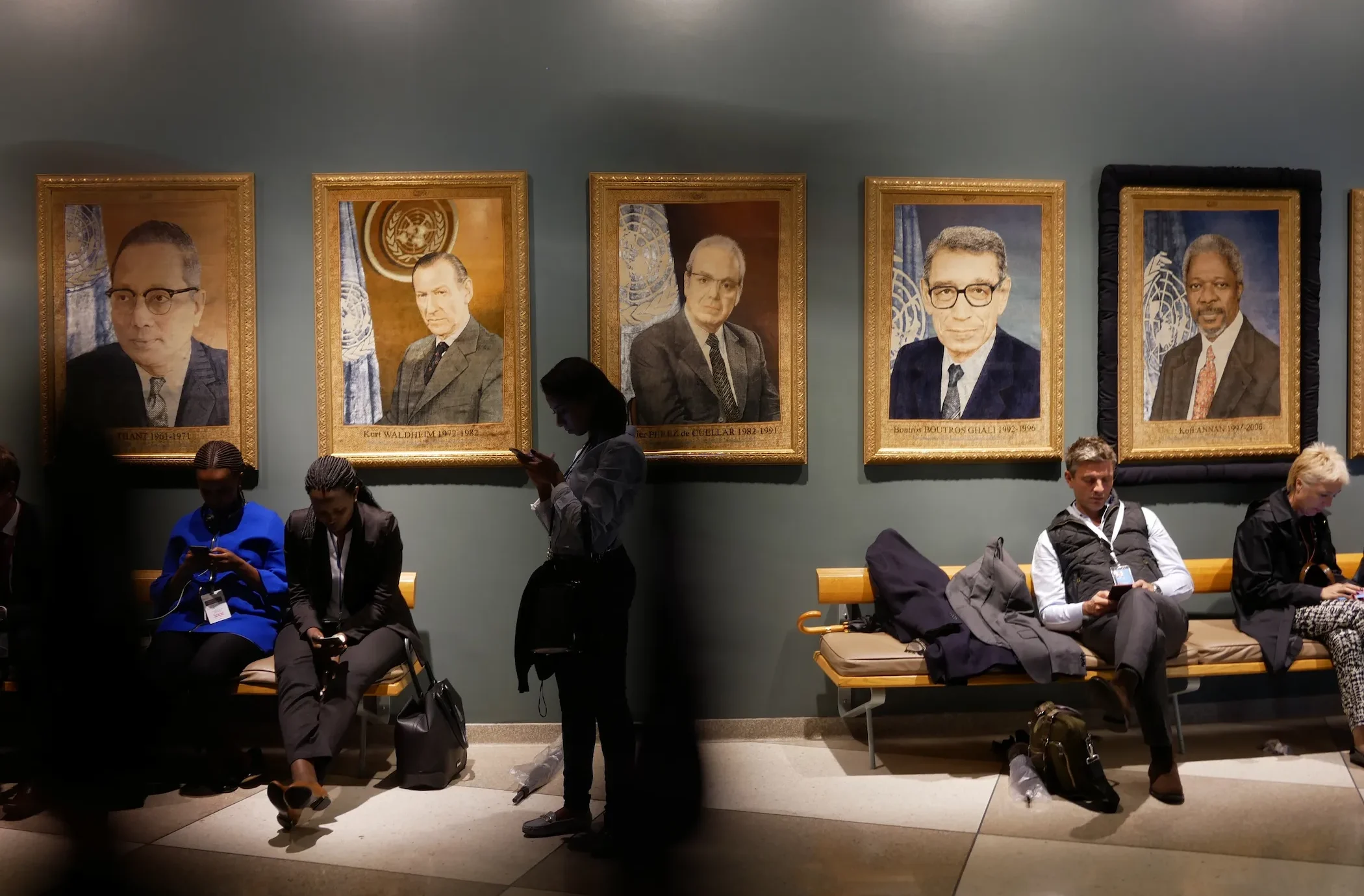
Since Egyptian diplomat Boutros Boutros-Ghali left office as UN Secretary-General in 1996, after a US veto blocked his bid for a second term, no Arab has held the organisation's highest office for nearly three decades. This prolonged absence is neither a matter of chance nor, as some suggest, the result of a lack of Arab diplomatic expertise or competence. Rather, it stems from the interplay between the UN's complex selection process and the calculations of global powers, which together create a barrier to the emergence of new Arab candidates for the organisation's leadership.
The roots of this problem lie in the UN's regional group structure and the rules governing geographic rotation. The selection process does not treat Arab states as a single geographic bloc, but divides them between the "African Group" and the "Asia-Pacific Group". This division dilutes Arab voting strength. When it is Africa's or Asia's turn to put forward candidates for the post, Arab contenders must compete with major states that wield considerable political influence and demographic weight within their respective regions, making it difficult to secure the regional backing and consensus required for a successful candidacy.
Alongside this internal division, divisions among the major powers on the Security Council play a decisive role. The Middle East and North Africa is a key arena of great-power competition, subjecting any Arab candidate to intense political scrutiny by the five permanent members. Since securing the post necessarily requires avoiding a veto from any one of them, identifying a candidate acceptable to all the competing powers becomes exceptionally difficult, particularly as each contender is assessed in light of their country's international relationships and global alignments.
This analysis therefore seeks to unravel the reasons behind this prolonged absence. Does the reluctance of Arab capitals to enter the race in recent decades reflect a retreat and an acknowledgement of diplomatic limitations, or does it instead represent a tactical withdrawal and a calculated strategic decision to avoid electoral contests whose rules are structured in ways that effectively exclude candidates from regions at the fault lines of intense geopolitical rivalry?