
Programmes
25 Jun 2026
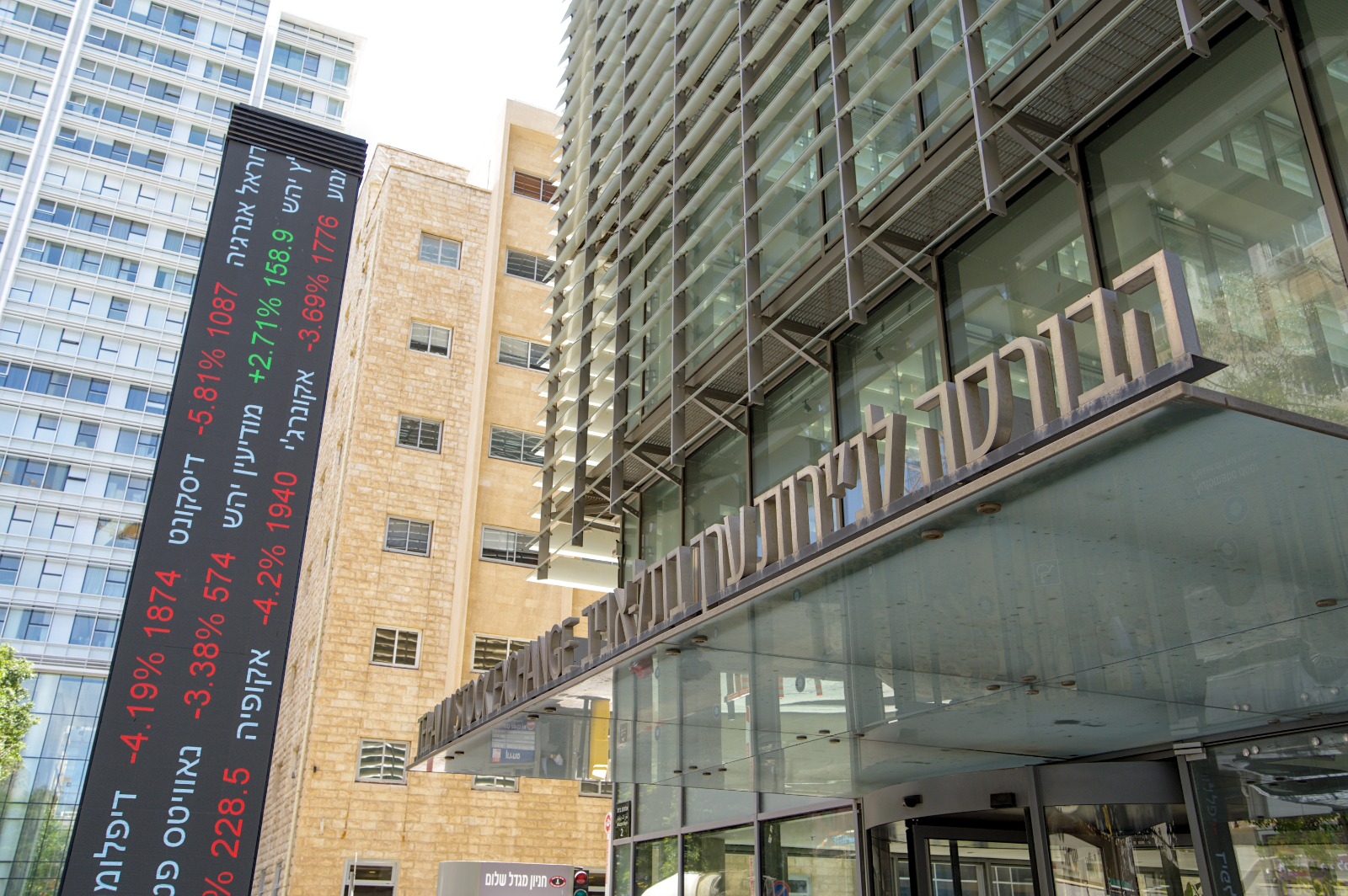
Tel Aviv Stock Exchange: Why did it rise during the war and fall with the truce?
The Tel Aviv Stock Exchange (TASE) offers one of the most instructive case studies in contemporary political economy. In under three years, it transformed from a compressed, domestically isolated venue into a high-beta financial instrument that prices Middle Eastern geopolitical risk in real time. The period from October 2023 to June 2026 encompassed the gravest security shock in Israel's modern history; yet its benchmark indices delivered record returns, making it the world's fastest-rising equity market in 2024 and 2025, before pivoting abruptly into a sharp correction by mid-2026. This paradoxical trajectory poses a fundamental question: how does capital — foreign and domestic alike — respond when gun barrels intersect with trading screens, and why did the signals emanating from the sovereign bond market diverge so starkly from those of the equity market at the very same moment? This analysis traces the precise correlation between military and diplomatic events on the one hand, and capital flows and the sovereign risk premium on the other, exposing a new financial logic that now governs the pricing of existential risk.
Accordingly, this analysis sets out to disentangle three interlocking layers: first, the mechanics of the initial shock and the manner in which the state intervened to contain capital flight; second, the paradox of the war economy, in which sovereign downgrades coincided with an unprecedented equity rally; and third, the 2026 reversal that repriced geopolitical risk in the wake of diplomatic realignment — culminating in a forward-looking assessment of the market's probable trajectories through 2028.