
Programmes
21 May 2026
Digital Sovereignty: A World Governed by Algorithms
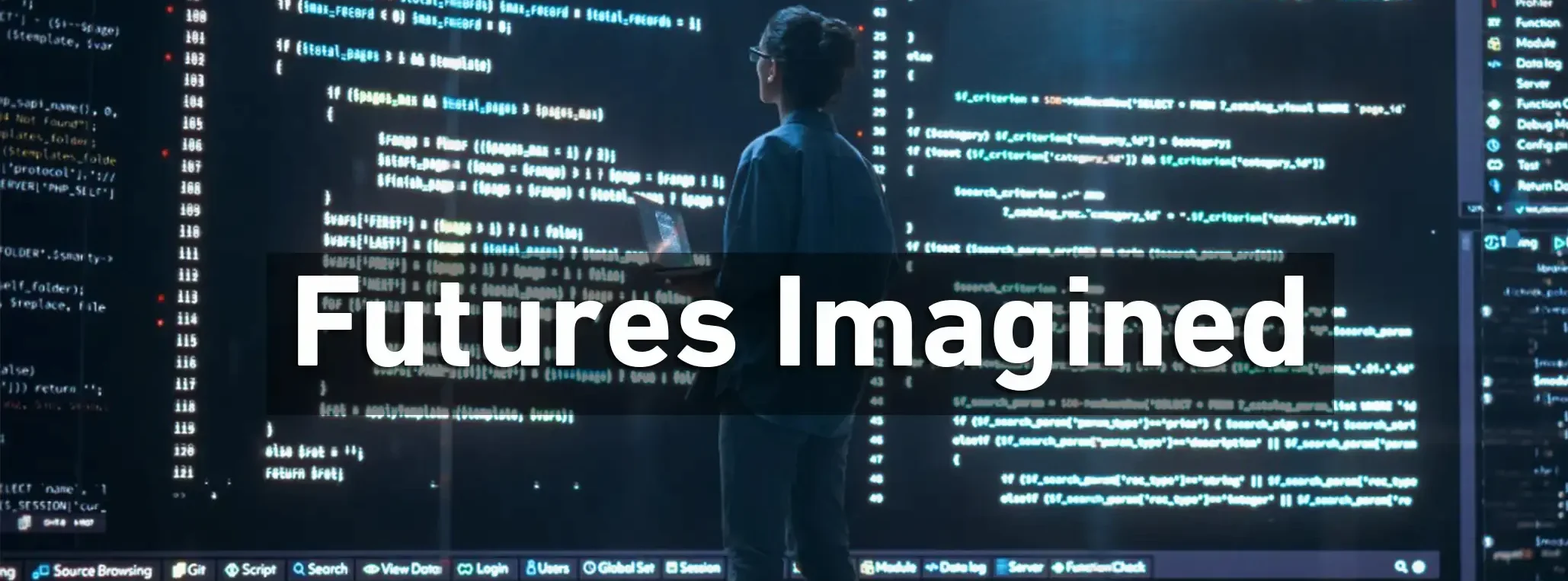
By 2101, the concept of democracy and the architecture of governance will undergo a profound transformation that moves far beyond traditional mechanisms such as ballot boxes and political rhetoric. In their place will emerge a system built around transparent digital interfaces that display the outputs of exceptionally powerful algorithms entrusted with making consequential decisions on behalf of societies. The central dilemma in political philosophy will no longer concern who holds the right to vote. Instead, the debate will shift toward a far deeper and more consequential question: who will possess the authority to design the code that governs human destinies and shapes control over the world’s resources?
Meanwhile, Nada sat in a soaring glass chamber overlooking the heart of the city, where vast digital walls shimmered with data visualisations and undulating lines. The space was known as the Pulse of the People Hall, the neural hub through which algorithms monitored public sentiment in real time. The main display contained no reference to parties or candidates; instead, it presented dense layers of complex code and finely calibrated colour indicators that measured levels of fear, anger, satisfaction, and trust, using the same precision as that used to measure temperature and humidity.
Nada released a heated exhale and murmured to herself, “All of this happened because democracy eroded from within.” She had studied at university what historians came to describe as the Age of Political Chaos in the late twenty-first century, a period in which elections degenerated into open arenas of cyber warfare, driven by legions of automated bots and engulfed by unending torrents of fabricated news. During that era, borderless capital asserted dominance over every dimension of political life, purchasing electoral campaigns, opinion polls, and platforms for public debate. Confronted with successive climate, pandemic, and financial crises, elected governments stood paralysed, absorbed by internal rivalries far more than by the act of governing.
At that pivotal moment, fatigued governments and weary societies alike came to regard a single path as the only rational recourse: “Let the machine decide.” What first emerged was the Comprehensive Algorithmic Governance System, an advanced suite of frameworks designed to support decision-makers in interpreting data and reaching swifter, more objective judgements. These systems were introduced to the public as neutral entities: unconcerned with transient popularity, untroubled by ballot boxes, and untouched by private interests. Yet what began as an auxiliary tool soon transformed into the primary centre of authority and, ultimately, the sole arbiter of decision-making.
Programmes
30 Oct 2025
Embryo Futures: Life Without Eggs or Sperm
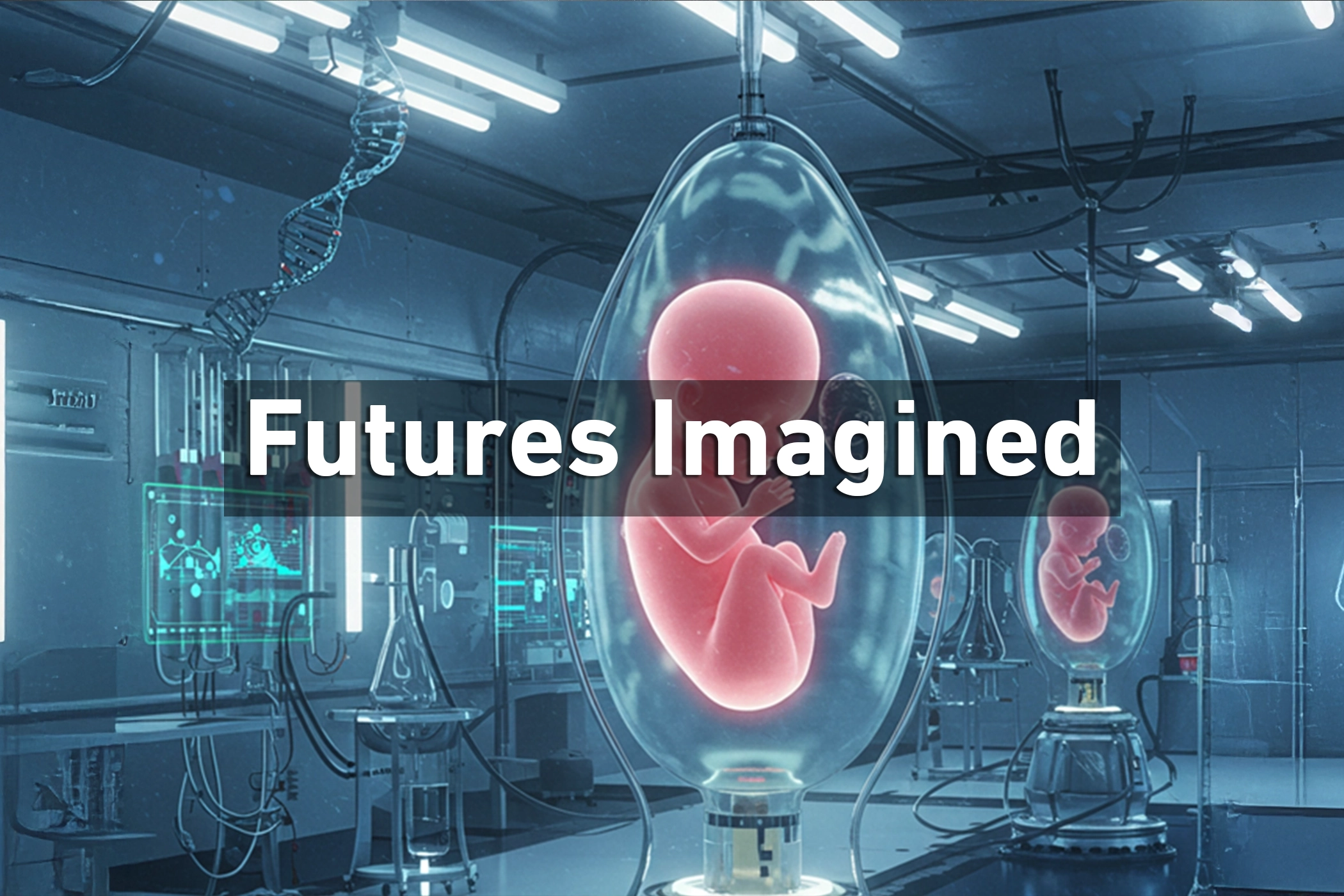
In a world where reproduction no longer requires bond, lineage, or even
parents, humanity has severed its oldest bond: the family. By 2070, governments no longer wait
for couples to conceive, they manufacture life in humming factories of glass and steel, raising
entire generations in artificial wombs. Children emerge without mothers or fathers, only the state
and its machines.
Embryo Futures: Life Without Eggs or Sperm, a story from AHRC’s Futures Imagined series,
envisions a tomorrow where population decline is met not with reform but with replacement. At
once a tale of survival and of loss, it asks what becomes of identity, belonging, and love when
society decides that human roots are optional.
Futures Imagined is a publication exploring emerging trends through imaginative forecasting. Rather than relying on strict methodologies, this piece invites AHRC writers to creatively narrate a possible future reality shaped by current developments.
Programmes
21 Jul 2025
The Gene Line: Synthetic Superiority as Border
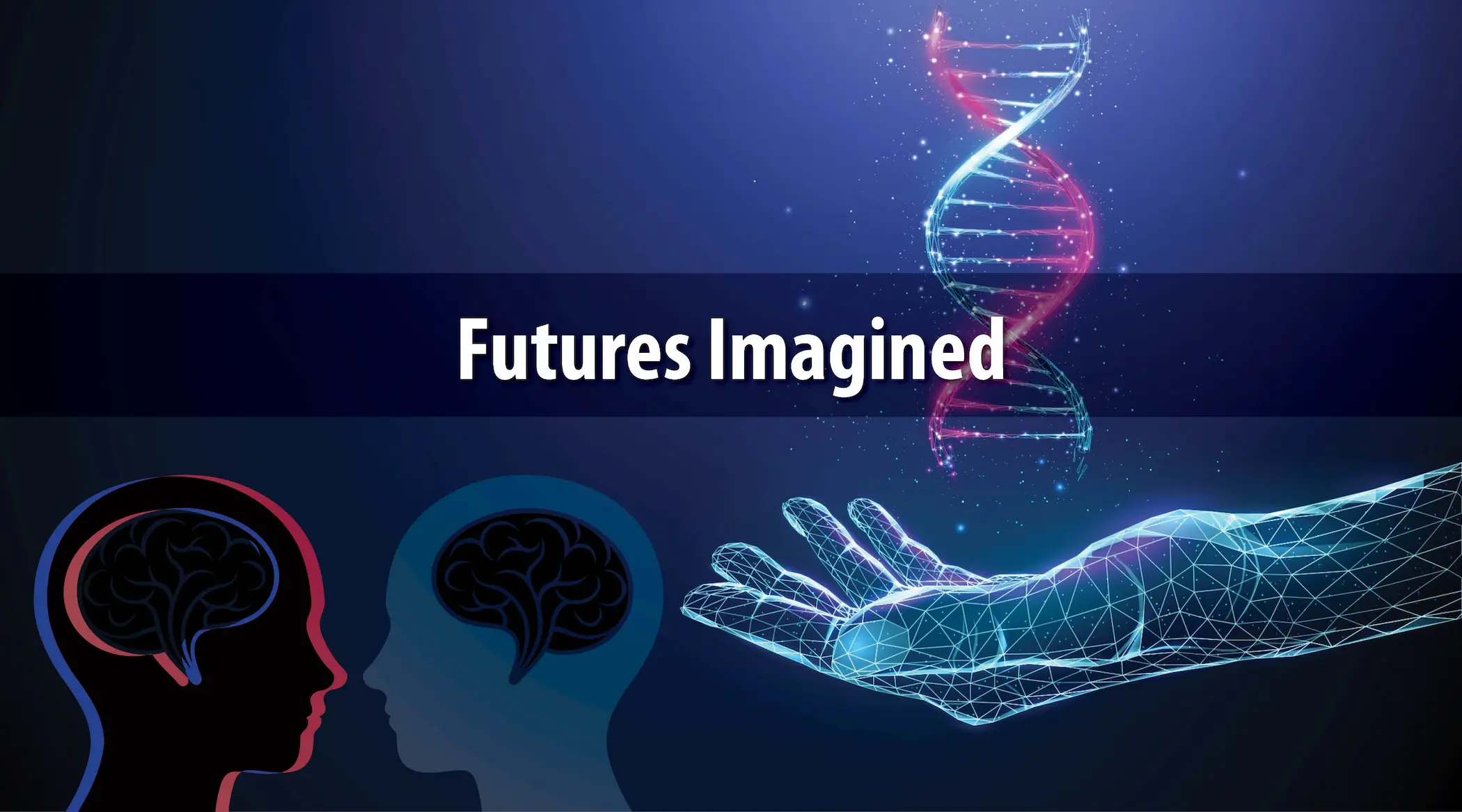
In a future where genome editing redefines what it means to be human, the deepest divide is no longer drawn by race, wealth, or class—but by synthetic superiority. Cities are split; assimilation outlawed. The fortunate live enhanced lives; the rest remain unmodified, unseen, and unwanted.
The Gene Line: Synthetic Superiority as Border, a short story from AHRC’s Futures Imagined series, imagines a fractured tomorrow shaped by the unchecked promises of science. Echoing the legacy of Plato’s ‘high-quality parents’ and the dark path of modern eugenics, this story doesn’t just question what the future holds, it asks who gets to belong to it.
Futures Imagined is a publication exploring emerging trends through imaginative forecasting. Rather than relying on strict methodologies, this piece invites AHRC writers to creatively narrate a possible future reality shaped by current developments.