
Programmes
14 Jul 2026
From the Climate to the Strait of Hormuz: How Will the Next Food Crisis Begin?
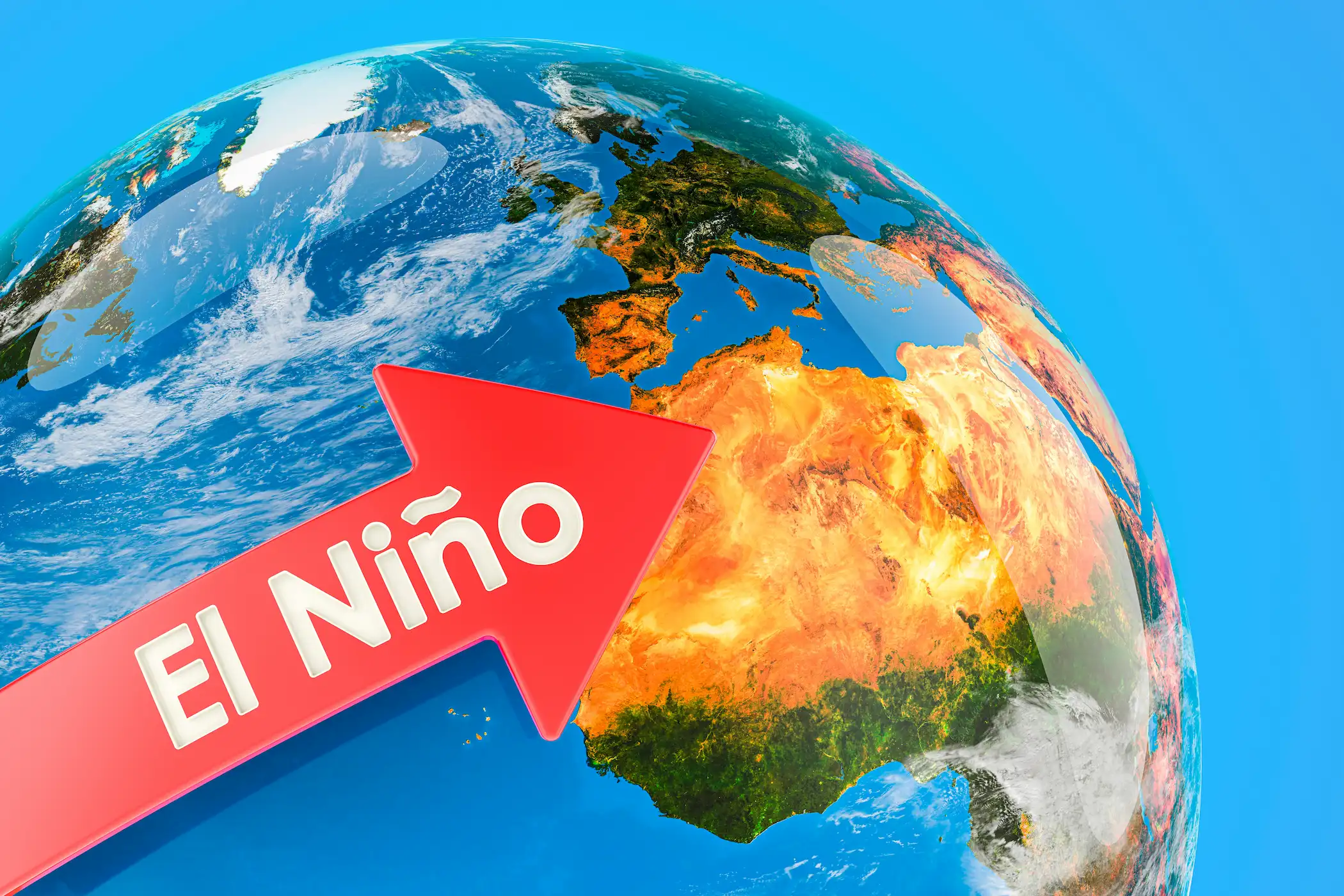
Global food security has rarely faced two simultaneous structural shocks of this magnitude. The February 2026 closure of the Strait of Hormuz, triggered by the escalating US-Israel-Iran conflict, severed the world's most critical maritime corridor for energy, fertilizer, and food trade in a single blow. Thousands of miles away, El Niño, a periodic warming of the equatorial Pacific Ocean that triggers droughts, weakens monsoons, and disrupts growing conditions across the globe, is intensifying at a pace forecasters warn could make it one of the most severe events since records began.
Each shock alone would constitute a serious test for global food systems. Together, they converge on a region structurally designed to withstand neither. In 2026, both shocks are unfolding simultaneously, stacked on top of fertilizer markets already in crisis — a compounding that no previous El Niño episode has faced. The question is no longer whether they will converge, but how severe the consequences will be for a region structurally unprepared for either.
Programmes
30 Jul 2025
What If: The Middle East Burns Next?
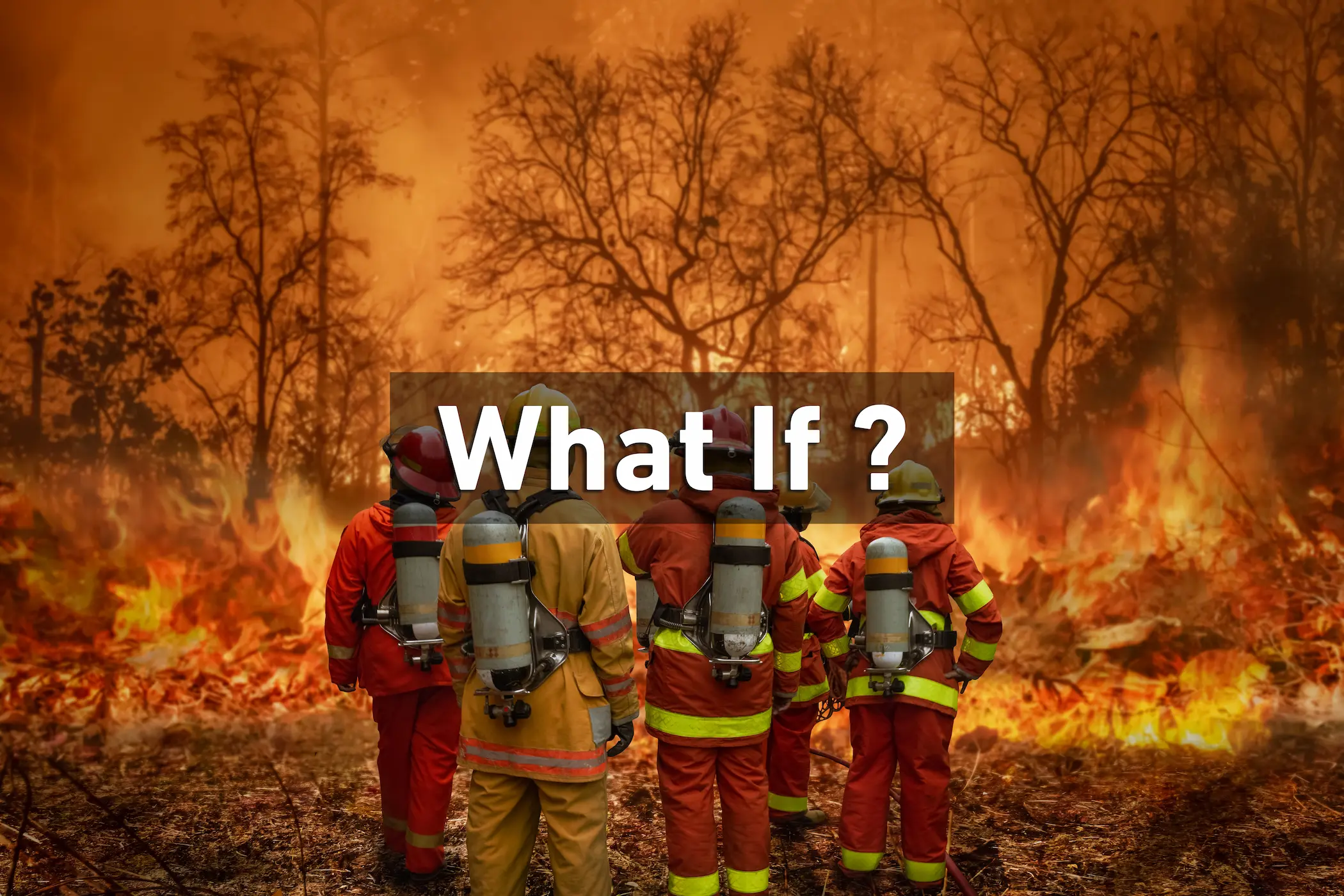
In 2023 a sobering milestone was met, the highest number of wildfires in the European Union (EU) since tracking began in 2000 by the European Forest Fire Information System. More than 500,000 hectares of land were burned, an area equivalent to half the size of Cyprus. The situation worsened in 2024, with wildfire-related fatalities rising sharply to 437, compared to 263 deaths in 2023.
Research consistently points to climate change as a primary driver behind this growing crisis. Not only is it increasing the scale of land burned, but it's also intensifying individual fires, extending fire seasons beyond the traditional summer months, and triggering blazes in regions previously untouched by such disasters. As this escalating threat edges closer to the Middle East, the pressing question remains: will the region be prepared, or caught dangerously off guard?
Programmes
28 Mar 2023
Navigating Climate Risk in the Era of Green Transition
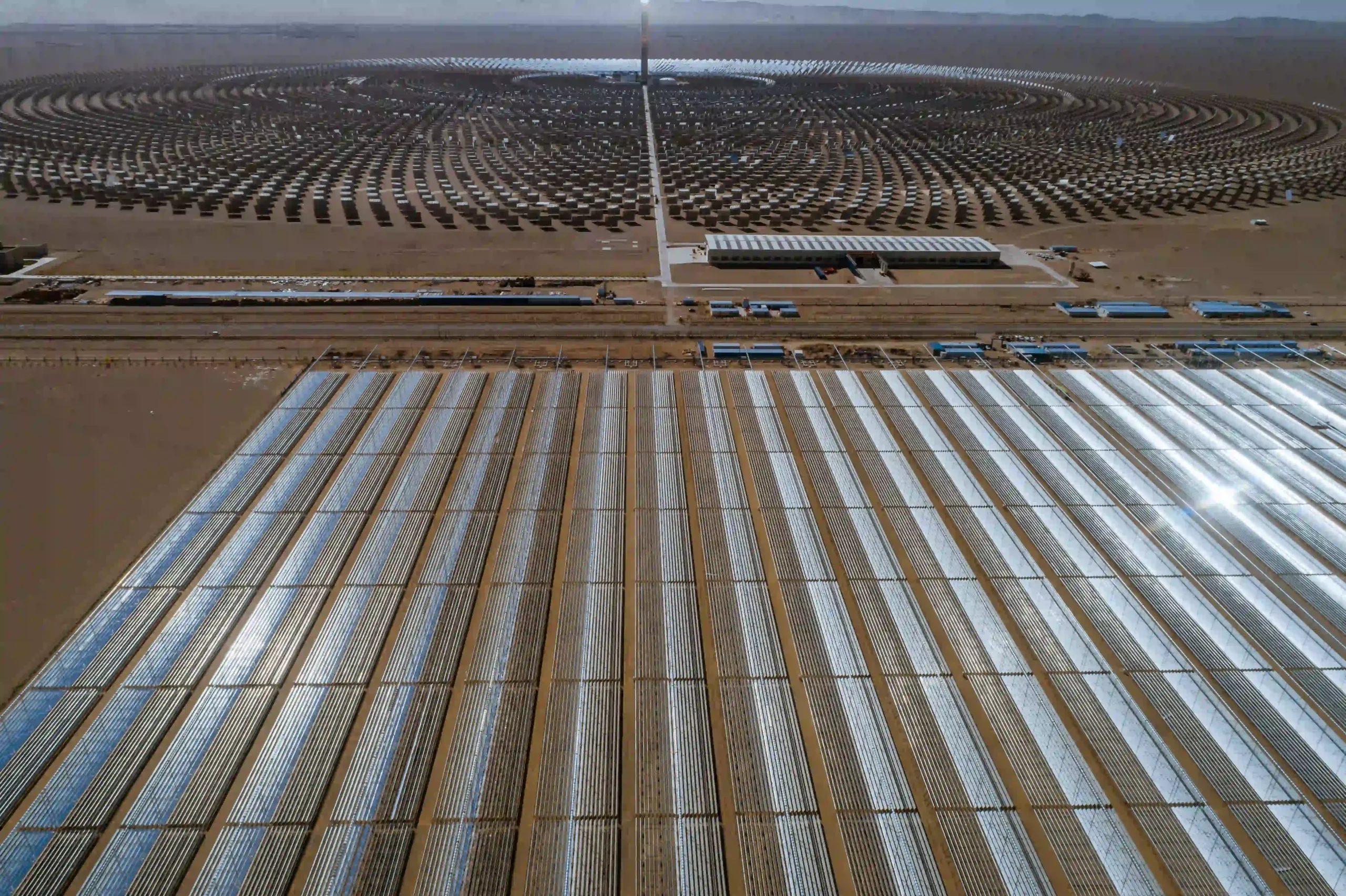
Growing climate risks in the MENA region pose a number of threats to the investment environment, which could jeopardise both current and future economic plans. While the progress that countries in the region have made by establishing climate action strategies and confirming their commitment to the green transition has signalled to investors that there is a market for mitigation and adaptation technologies, the impact of climate change may be moving at a faster pace. Forecasts show that temperatures in the region have been increasing at double the rate of the global average and that by 2050 they may increase by 4 degrees; potentially making many cities uninhabitable. In the next few years, it is likely that MENA countries will be faced with the challenge of simultaneously managing the impact of extreme weather conditions alongside the risks accompanying the transition towards emission reductions and sustainability policies. Are the region’s economies ready to navigate the impact that climate risks could have on investments and growth? And what could this mean for investments needed to support the growth of new technologies for the green transition?
Programmes
8 Feb 2023
Racing Against Time: Climate Action in Crisis
Climate change is a global reality that is growing more urgent by the minute, particularly for developing countries which research has shown are the most affected and expected to continue being the most affected by climate change. Globally, the last eight years have been the warmest on record with parts of the world experiencing unprecedented summer temperatures and prolonged heatwaves. Nearing the end of 2022, a consortium of international organizations issued a statement about the severity of the longest drought in the history of Horn of Africa which is creating a rapidly deteriorating food security crisis in Somalia, Kenya and Ethiopia. The world is also witnessing a higher frequency of natural disasters such as the extreme rainfall and flooding that had a devastating impact on countries such as Pakistan where 33 million people were displaced. Pakistan, which is responsible for less than 1% of global greenhouse gas emissions, now has to spend an estimated $16 billion on reconstruction, half of which have been pledged by foreign donors.
The reality that many of the countries with the lowest carbon emissions are now facing the highest level of vulnerability makes the climate issue global not only in it terms of impact but also in terms of responsibility and action. Accordingly, plans to alleviate and reverse the effects of climate change are already underway and being led by developed nations who have the capacity to adapt and provide assistance to developing nations through climate finance. However, as climate change and its effects accelerate and targets are repeatedly missed, it has become necessary to reevaluate the effectiveness of the current course of climate action to identify the most significant hindering factors.