

Publications
4 Jun 2026
The Illusion Economy: Who Really Wins from Online Gambling?
The online gambling industry has evolved from a niche entertainment sector into a global digital ecosystem valued at more than $120 billion, emerging as a critical structural vulnerability within the global financial system. Organised crime syndicates and state-backed hostile actors exploit this ecosystem for money laundering, terrorist financing, and sanctions evasion. The enormous volume of transactions processed through digital casinos, online sports betting platforms, and prediction markets provides an ideal layer of financial opacity.
State-sponsored cyber groups, particularly those linked to North Korea and China, also leverage the sector to generate strategic revenue used to finance sanctioned weapons programmes and collect intelligence through the compromise of sensitive databases containing millions of personal, financial, and biometric records.
Globally, regulatory frameworks governing online gambling remain highly fragmented. Europe has adopted stringent licensing and compliance regimes, while many countries across the Middle East maintain outright prohibitions. This divergence has created regulatory grey zones exploited by offshore operators registered in tax havens such as Malta, Curaçao, and Gibraltar to target restricted markets.
Meanwhile, the Asia-Pacific region faces acute security challenges as transnational organised crime groups control extensive networks of virtual casinos and shadow-banking channels that move billions of dollars through cryptocurrency-based transactions. These parallel financial infrastructures operate across multiple jurisdictions, complicating enforcement efforts and creating new pathways for illicit capital movement.
The implications of this sector extend well beyond financial crime. Online gambling has generated serious social risks, including rising rates of personal bankruptcy and gambling addiction, particularly among minors exposed to gambling-like mechanisms embedded in loot boxes and esports ecosystems. Furthermore, the outflow of foreign currency through offshore gambling platforms contributes to macroeconomic instability in emerging economies while expanding the informal economy, which is estimated to account for between 11% and 20% of global GDP.
Programmes
14 Oct 2025
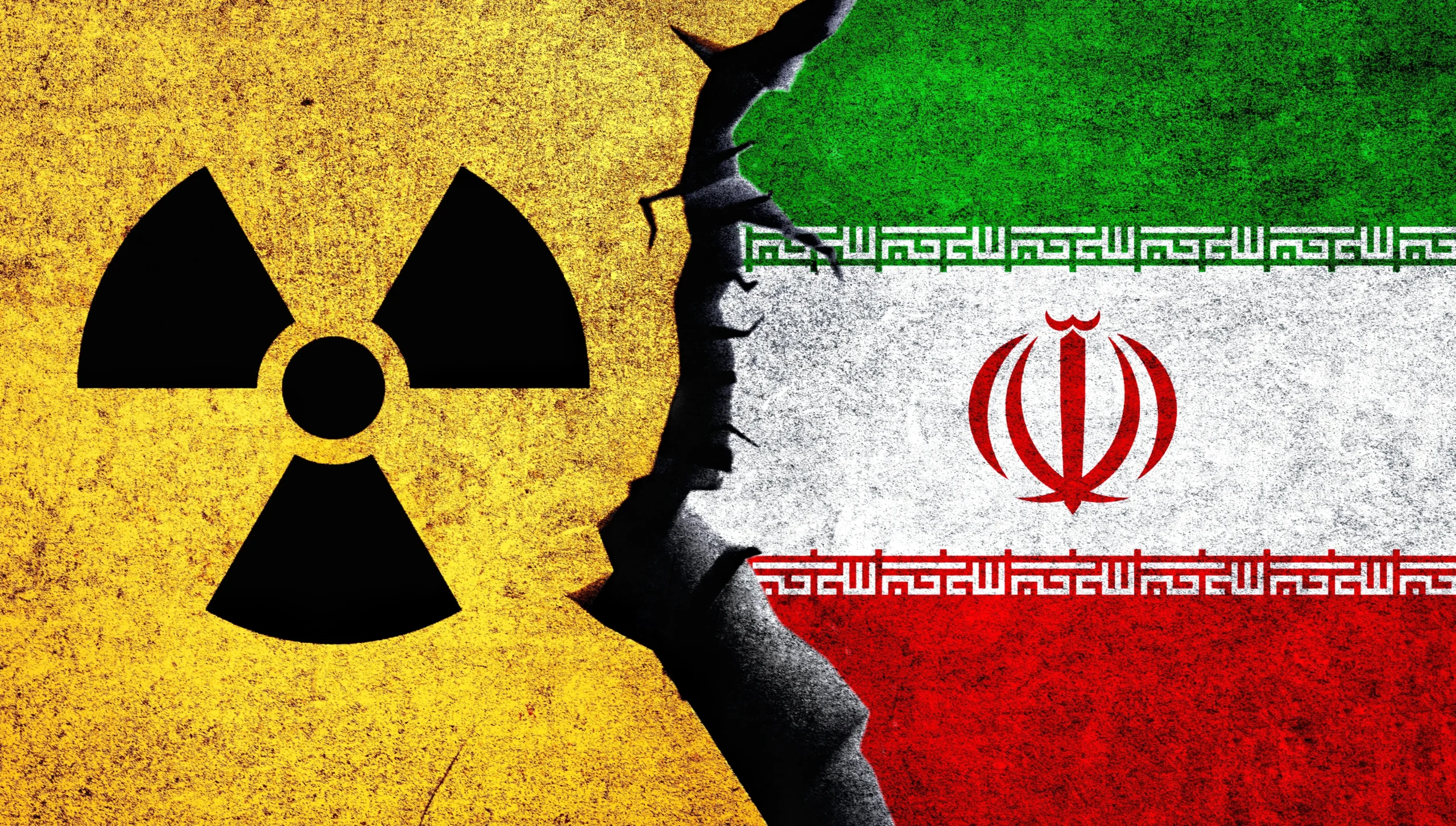
What Would Iran’s Withdrawal from the Nuclear Non-Proliferation Treaty Mean?
Iran’s nuclear file is witnessing a rapidly escalating trajectory, underscored by its potential decision to withdraw from the Nuclear Non-Proliferation Treaty (NPT). This move could redefine the very architecture of global nuclear governance. Should this course of action materialise, it would mark the first precedent of its kind since North Korea’s withdrawal from the same treaty in 2003, transforming what might initially appear as a mere negotiating stance into a profound strategic turning point with far-reaching implications for the policies of the Middle East and the wider international order.
These Iranian threats, which began escalating in June 2025, did not emerge in a vacuum; instead, they were a direct reaction to a series of successive strategic developments. The U.S.–Israeli military strikes targeting Iranian nuclear facilities in June 2025 significantly deepened the complexity of the situation, while the crisis further intensified when the European troika (E3) announced in September 2025 the activation of the “snapback mechanism,” thereby reimposing UN sanctions on Tehran. Taken together, these measures led Iran to conclude that the economic and political value of adhering to international treaties had effectively evaporated.
The gravity of the situation extends beyond political dimensions to encompass highly sensitive technical and legal aspects. Technically, Iran possesses between 400 and 450 kilograms of uranium enriched to roughly 60%; a stockpile that places it only weeks away from producing weapons-usable fissile material if enrichment were elevated to about 90%. Legally, Iran’s invocation of Article X of the NPT would trigger an immediate cessation of the International Atomic Energy Agency’s (IAEA) oversight and remove the Comprehensive Safeguards Agreement from the equation, paving the way for near-total diplomatic isolation. Consequently, the fallout from withdrawal would transcend the confines of Tehran’s nuclear programme and create a broad regional security dilemma.