

Programmes
4 Oct 2026
Food or Fuel: The Implications of Biofuels for Global Food Security
The international system faces complex geostrategic pressures that place global supply chains under unprecedented strain. Escalating military tensions, particularly disruptions to shipping through the Strait of Hormuz, are putting pressure on oil and liquefied natural gas flows. In 2025, this passage carried around a quarter of seaborne oil trade and 19% of global trade in liquefied natural gas. These developments coincide with a shift in the Russia–Ukraine conflict towards attacks on energy infrastructure, alongside tighter restrictions on Black Sea shipping and disruptions to key export routes for strategically important grains. This convergence leaves the world caught between declining oil supplies and restricted access to part of the available food supply, complicating procurement and threatening the foundations of national security.
Faced with these shortages and rising shipping costs, some major powers and emerging economies are expanding biofuel production as an instrument of national policy to ease the energy crisis, alongside pursuing environmental objectives and supporting agricultural production. Agricultural producer countries are consequently choosing to redirect part of their strategic crop output, including maize, sugar cane and palm oil, towards biofuel plants to meet transport needs. This analysis advances the hypothesis that expanding biofuels derived from food crops may heighten the vulnerability of importing countries when demand growth outstrips the capacity of production and stocks to accommodate it, while trade policies restrict exportable supplies. The scale of this effect depends on the feedstocks used, the volume diverted and the responsiveness of production. It does not apply to the same extent to fuels produced from agricultural residues or used oils.
Import-dependent countries, particularly in the Middle East and Africa, may bear the cost of these pressures through diminished food security and domestic stability. An inability to secure food can, in this context, undermine social stability and signal the risk of political crises whose severity varies according to institutional effectiveness and the capacity to protect the most vulnerable groups. This complex situation poses an urgent question: how far can importing countries withstand the convergence of energy and food policies, and what protective mechanisms can safeguard their national security as competition intensifies between the use of crops for food and for fuel?

Programmes
24 Sep 2026
Are We Living in an Era of Green Colonialism?
During the age of empires, the colonisation of the Global South by imperial powers in Europe was done not only to expand their territories beyond their borders but also to exploit the colonised for their natural resources. These resources usually came in the form of precious metals and minerals, agricultural products, and human labour; which the empires deemed necessary to build influence, wealth, and strength. By the end of World War 2, these empires began to disintegrate, as colonies began to seek independence which continued beyond 1945. This shift led to the creation of a new world order centred less on empire and more on democratic rule. Although the age of empire ended, a new era of neo-colonialism was born, where former colonisers aimed to continue to obtain resources from former colonies.
Instead of colonising, former empires, great powers, and multinational corporations indirectly controlled newly independent states through economic and trade agreements, financial reliance, and foreign aid. One area in which old colonial structures and legacies are still prevalent is the Global North’s acquisition of critical minerals and rare earths from the Global South to fuel the transition from fossil fuels as an energy source to renewable energy. This exploitation is defined as green colonialism, where the Global North exports the environmental and social costs of the green transition onto states and indigenous people in the Global South. The term green colonisation is justified, as it is a combination of external control, constrained policy autonomy, unequal bargaining and uncompensated costs the Global North forces onto the Global South. This can be explained by the Global North extending the economic and social costs of green transitions to mineral-rich states while reducing the economic value of these states, leading to a colonial economic structure, which can be challenged by a resource rebellion in the form of resource nationalism, industrial policy, and contractual renegotiation if colonial conditions persist.

Programmes
20 Sep 2026
Achilles Shield and the Eastern Med Balance
In recent years, the Eastern Mediterranean has witnessed growing attention to air defence, maritime security and infrastructure protection. Against this backdrop, on 31 August 2026, Greece and Israel signed an agreement to develop an integrated air and missile defence network, known as ‘Achilles Shield’, at a cost of approximately €3 billion. The project aims to strengthen Greece’s capacity to detect and intercept aerial and missile threats through a unified early warning, command and control system.
The project forms part of the comprehensive modernisation of the Greek armed forces and does not replace Athens’ commitments within the North Atlantic Treaty Organization or its alliances with the United States and the European Union. The decision to establish this system reflects the changing character of regional military threats, particularly the growing reliance on unmanned aircraft and precision missiles, alongside the continuing development of Turkey’s defence industries in reconnaissance and unmanned maritime and aerial systems.
This analysis therefore examines the implications of the Greek–Israeli agreement and its place within military modernisation programmes. It assesses its potential impact on the deterrence balance between Greece and Turkey, as well as its implications for security cooperation and managing regional tensions in the Eastern Mediterranean in the period ahead.
Programmes
11 Sep 2026
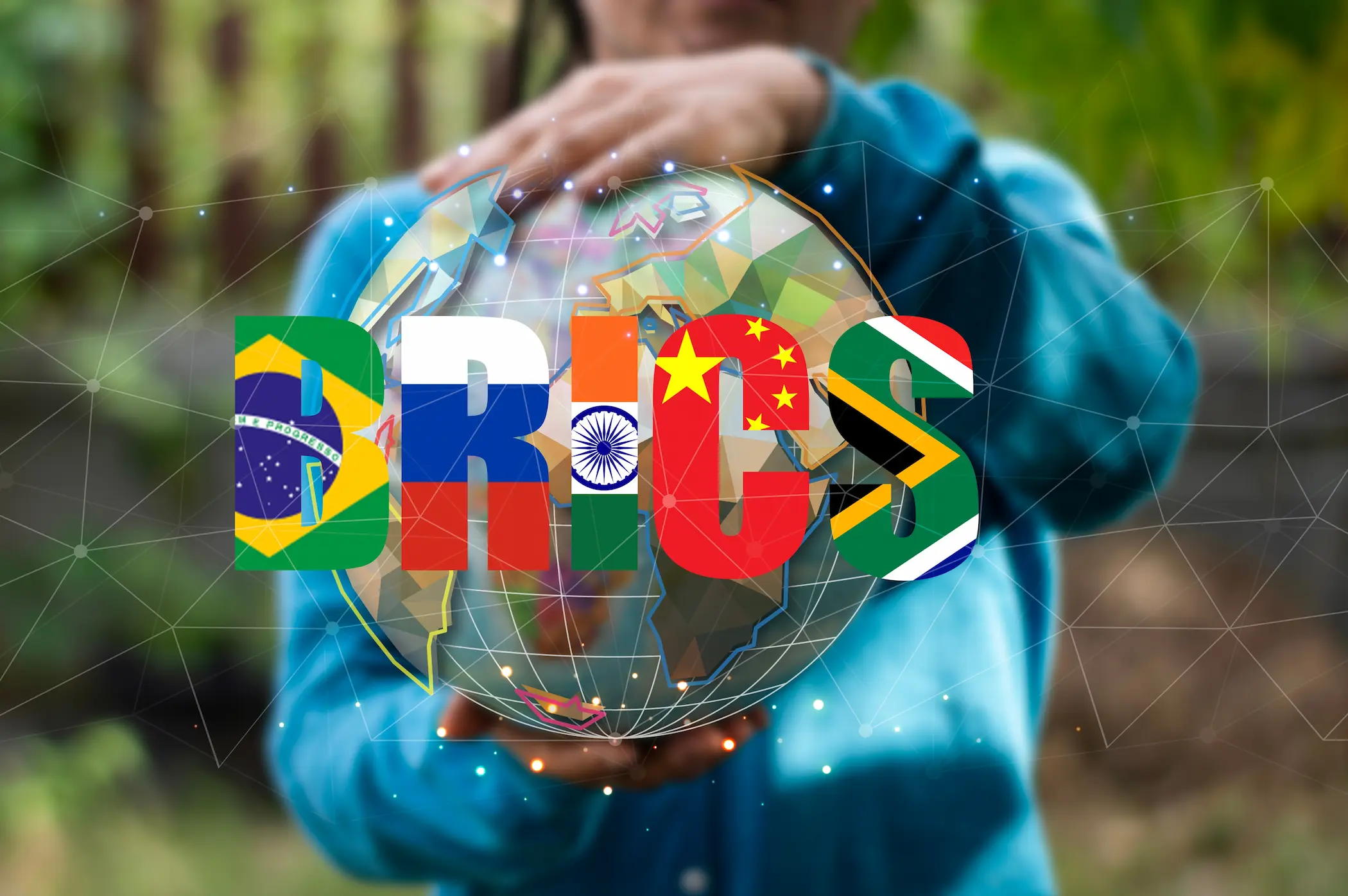
BRICS Without Consensus: Can Selective Cooperation Hold Blocs Together?
India is preparing to host the 18th BRICS summit on September 12–13, 2026, under the theme "Building for Resilience, Innovation, Cooperation, and Sustainability." With the group’s expansion in 2024, incorporating the UAE, Egypt, Ethiopia, and Iran, and Indonesia’s official accession as a full member in 2025, alongside the addition of numerous new partner nations, the diversity of member perspectives regarding issues such as the Middle East, relations with the United States, and the Russia-Ukraine war has grown. Consequently, issue-specific, pragmatic cooperation is emerging as a prominent operational model for the group, moving away from the comprehensive political consensus typical of traditional international and intergovernmental organizations.
Members can now cooperate where their interests align while maintaining divergent stances elsewhere. This suggests that BRICS may be consolidating an alliance-building model that relies less on shared political positions and more on mutual benefit and selective cooperation. This trend is likely to intensify and spread to other cooperative groupings, particularly as political differences persist. Thus, a fundamental question is raised: Can international alliances remain effective in the absence of political consensus, or has selective cooperation become the new foundation for collective action?

Programmes
8 Sep 2026
From Dependency to Influence: How the Global South Changed the United Nations’ Map?
The United Nations General Assembly’s resolution on ‘Correct the Map’ extends beyond the technical debate over map projections. It reveals a new arena of symbolic contestation in which countries of the Global South are seeking to renegotiate how the world is represented. The resolution encourages the use of equal-area projections, particularly Equal Earth. It neither prescribes a single map nor alters national borders but confers explicit UN legitimacy on a longstanding African demand: that the continent should not be depicted in education, the media or international institutions in ways that diminish its spatial weight relative to northern regions. Viewed in this light, the vote represents more than a geographical correction. It marks a political breakthrough in ‘visual governance’, where knowledge intersects with power and the image of the world presented to the public becomes a matter for negotiation within the multilateral system.
This initiative comes at a time when countries of the Global South are increasingly able to place questions of identity and representation on the international agenda. The resolution’s adoption demonstrates that soft power operates not only through culture and discourse but also through the standards that shape public knowledge. Changing a map projection will not, in itself, redirect investment or reconfigure supply chains. It does, however, provide a narrative instrument through which countries in Africa, Latin America and South Asia can highlight the scale of their markets, the reach of their corridors and their position within global resource and trade networks. ‘Visual emancipation’ thus offers a means of presenting the South’s geoeconomic weight anew: a framework that helps make its material sources of power more visible and encourages them to be taken more seriously.
Throughout history, maps have been among the most influential instruments of epistemic authority. They serve practical purposes in navigation and administration, while also determining what occupies the centre, what appears at the margins, how borders are drawn and how places are named. Cartography has therefore been inseparable from the state and empire. Maps have been used in surveying, taxation, military campaigns and the delineation of spheres of influence, helping to turn geographical space into a domain that can be administered and controlled. Every map carry, alongside its data, assumptions about purpose, scale, projection and the viewer’s standpoint. Reading a map consequently requires more than asking whether it is accurate. It demands a more political set of questions: accurate for what purpose, who chose this way of depicting the world, and what perceptions does that choice entrench when it becomes a widely accepted standard?
Since the sixteenth century, the Mercator projection has occupied an exceptional position in world cartography. Designed primarily for navigation, it preserves angles and represents constant bearings as straight lines but increasingly exaggerates area towards the poles. The problem lies in its adoption as a general image of the world in classrooms, the media and digital platforms, including settings where comparing areas is the principal objective, rather than in its use for the task for which it was designed. The consequences are particularly clear in the comparison between Africa and Greenland. On many Mercator maps, they appear similar in size, whereas Africa covers approximately 30.37 million square kilometres, nearly fourteen times Greenland’s roughly 2.17 million square kilometres. Repeated across generations, this image does not create political marginalisation on its own but supplies it with a visual language consistent with the North’s centrality in the global imagination.
The Correct the Map resolution, led by Togo on behalf of the African Group and supported by the African Union, brings this objection into an international institutional framework. The General Assembly adopted the text contained in document A/80/L.104 with 164 countries voting in favour, the United States alone voting against, and six abstentions. The political significance of this outcome lies in the breadth of support beyond Africa and the countries traditionally associated with the Global South, encompassing European states and international powers with divergent interests. The resolution is not legally binding and does not affect sovereignty, borders or the legal status of disputed territories. It does, however, call on educational institutions, the media, international organisations and digital platforms to give serious consideration to projections better suited to depicting relative areas. Its principal strength therefore lies in transforming ‘visual justice’ from an African advocacy campaign into an international norm capable of wider adoption.
Programmes
4 Sep 2026
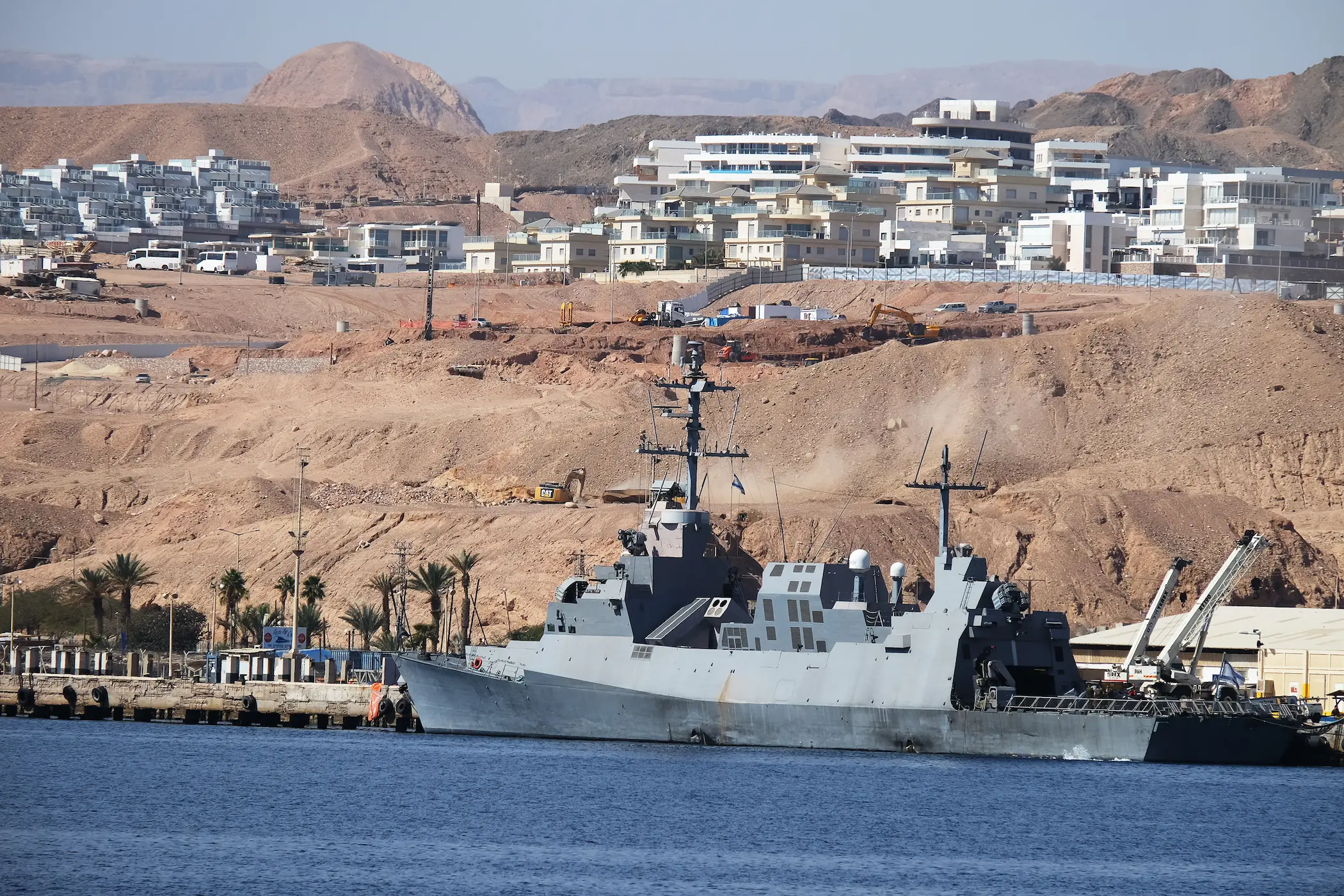
Geography Under Siege: How the Sea Became Israel’s Greatest Vulnerability
The geopolitical and security complexities of land borders in the Middle East have created a strategic reality in which Israel effectively functions as an "island economy", despite its physical connection to the continental landmass. This overland isolation has left the Israeli economy with little choice but to rely almost entirely on maritime routes to sustain its trade arteries, secure vital imports and maintain the flow of exports. The sea, therefore, is no longer merely an additional geopolitical and military domain, but has become the lung through which the Israeli economy breathes.
In this context, geography has shifted from a potential defensive shield to a structural vulnerability, with any disruption to freedom of navigation or coastal security posing an existential threat to capital flows and market stability.
This strategic vulnerability is further compounded by the country's demographic and economic geography. The coastal strip constitutes Israel's true centre of gravity, concentrating much of its population, financial centres, logistics infrastructure and principal ports.
This concentration leaves the coastline particularly exposed. Any security disruption in the maritime domain would affect not only shipping, but also the very fabric of everyday life and the core of commercial activity. Non-state armed actors have recognised this dynamic and identified the maritime domain as an opportunity to inflict economic paralysis at extremely low cost, circumventing the need to penetrate Israel's sophisticated air and land defence systems.
The concept of maritime infrastructure is no longer confined to ships and ports, but has expanded to encompass sovereign assets that constitute pillars of contemporary national security. Natural gas fields beneath the Eastern Mediterranean have become a cornerstone of energy independence, with any threat to production platforms or pipelines having immediate repercussions for industrial production costs and electricity grid stability.
In parallel, subsea telecommunications cables have emerged as a lifeline for the digital knowledge economy. The high-tech and financial services sectors depend entirely on these cables' integrity to ensure the global flow of data. Protecting these subsea assets has therefore moved beyond the technical realm to become a core element of the security doctrine aimed at protecting the economy from collapse in times of crisis.
This maritime exposure confronts the military establishment with a dual strategic dilemma: a widening protection gap between the immediate coastline and distant international sea lanes.
At the near-shore tactical level, the challenges associated with protecting coastal installations from unconventional threats, such as explosive-laden boats and drones, are intensifying. Countering these threats entails enormous financial costs, requiring the operation of expensive interception systems and warships against low-cost offensive capabilities available to adversaries.
At the more distant strategic level, the challenge lies in protecting the vital trade routes running through the Red Sea and the Bab el-Mandeb Strait. Any disruption there could choke off the Port of Eilat, disrupt supply chains from Asia, and drive up insurance and shipping costs, dealing a severe blow to investor confidence and the broader business environment.

Programmes
4 Sep 2026
Water Wars in the Digital Age: Is Technology Coming at the Cost of Our Water Security?
Humanity today confronts one of the most striking and complex paradoxes of the modern age. While the world's leading technology companies race to present artificial intelligence as a silver bullet for saving the planet and addressing the climate crisis, a troubling physical reality is quietly taking shape beneath the surface. The very technology that promises a sustainable future is silently consuming one of the most vital and scarce resources on which human survival depends on freshwater.
This profound contradiction between the dazzling promises of the digital age and harsh environmental realities goes beyond a passing technical problem. It raises a fundamental strategic and geopolitical question: will the boundless ambitions of artificial intelligence ultimately collide with the planet's hard physical limits? This silent struggle between technological advancement and the scarcity of natural resources raises a critical question: which will ultimately give way to the other, the immense power of data servers or the life-sustaining drops of water?
Programmes
1 Sep 2026
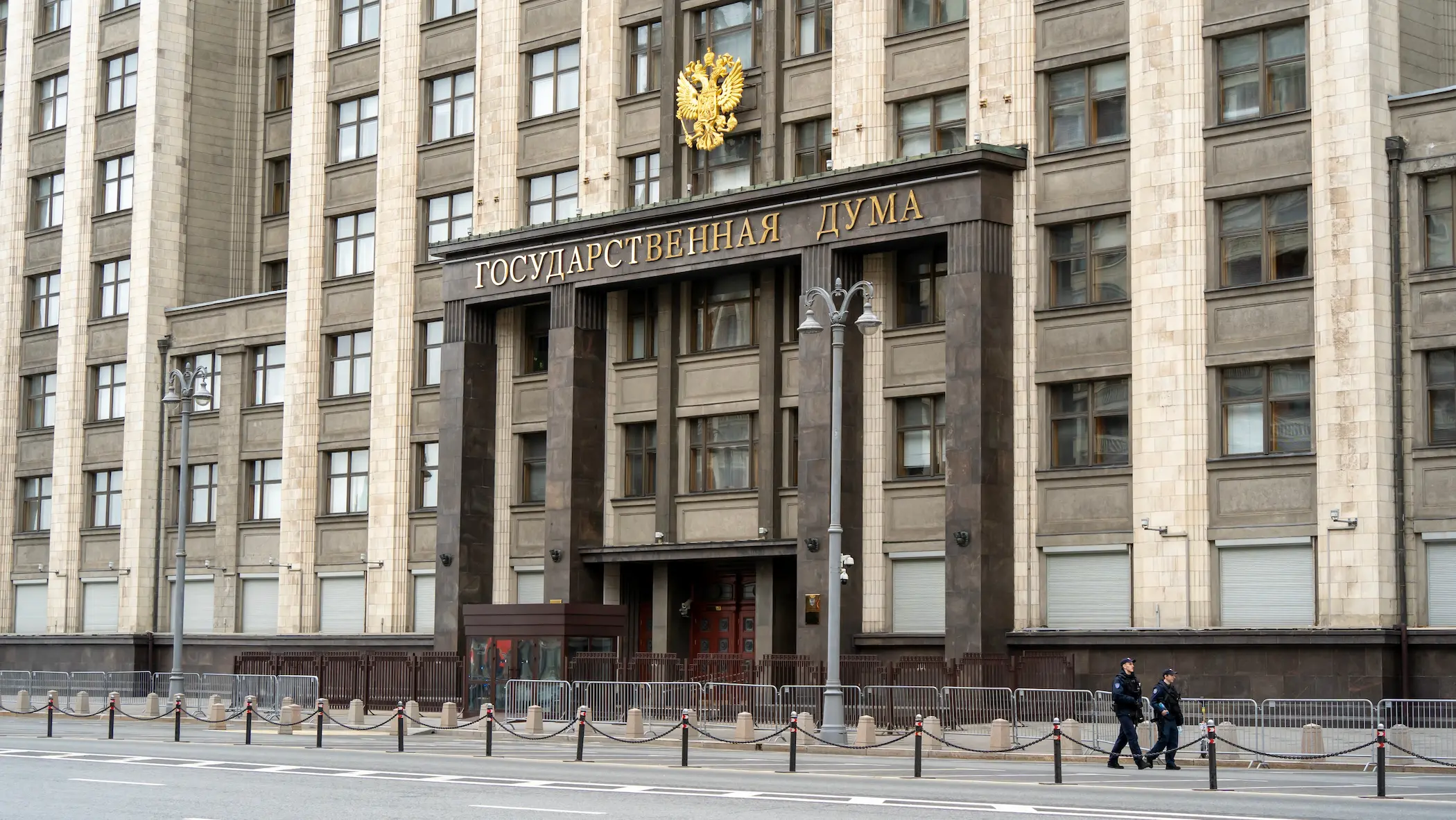
Russia’s 2026 Duma: Building the Political Order After Putin
Russia is holding Duma elections between 18 and 20 September 2026 amidst the fallout from its 2022 war in Ukraine and the accompanying economic, political, and security challenges. Several parties are competing in these elections, most notably the ruling United Russia party, which has been in power since 2001.
On the surface, the elections appear to offer little uncertainty. But digging deep, the Kremlin is quietly reshaping the political landscape. The emergence of young, loyal bureaucrats, the mobilisation of presidential aides, and the increasing integration of veterans into the government all point to changes that extend far beyond the mere formation of the next Duma.
This makes it difficult to predict the outcome of the 2026 elections by simply asking who will win. The more important question may lie beyond the ballot itself: What kind of political system is Russia preparing to carry forward? As the war continues to reshape the state, the elite, and the relationship between the Kremlin and society, the new Duma may offer a base to a political order whose most crucial stage has yet to unfold.
Programmes
25 Aug 2026
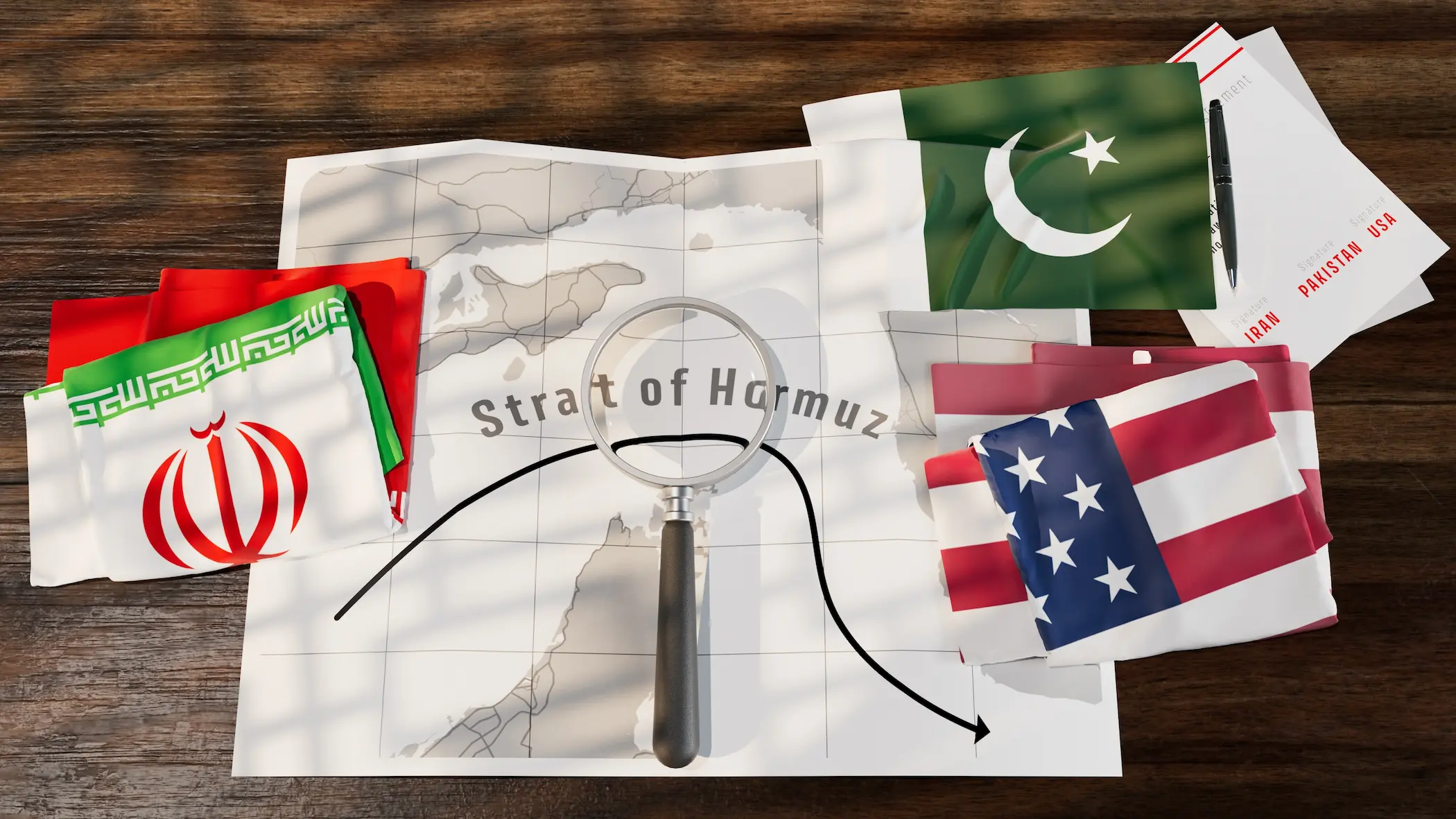
Diplomacy without Resolution: What Comes After the 60-Day Deadline?
The expiry of the 60-day timeframe stipulated in the Memorandum of Understanding has left the Middle East facing an exceptionally complex geopolitical vacuum, following the failure to forge a strategic agreement that would either defuse tensions or secure the full reopening of the Strait of Hormuz. This does not necessarily signal a sudden or dramatic collapse in negotiations. Rather, it raises a fundamental strategic question about what comes next. The region appears to be entering a calculated tactical transition from conventional diplomacy to a bitter phase of brinkmanship and mutual attrition between Washington and Tehran. As a result, maritime security in one of the world’s most vital waterways, through which approximately 21 million barrels of oil pass each day, equivalent to 20% of global oil consumption, together with around 20% of global liquefied natural gas trade, is increasingly subject to volatile political calculations.
Understanding US conduct in this crisis requires a careful examination of two seemingly contradictory, yet ultimately complementary, perspectives. President Trump’s insistence that there is no pressing timetable for resolving the crisis can be understood as part of a broader doctrine of tactical manoeuvre. Washington is effectively weaponising time to exert systematic economic pressure, sustained by the continuing naval blockade of Iranian ports and an intensification of sanctions. The strategic objective is to drive the Iranian economy towards breaking point and compel Tehran to make substantive concessions, while sparing the US the costs and risks of an open military confrontation. A parallel and more probing assessment, however, suggests that this tactical calm conceals a classic dilemma that sharply constrains US options. Full-scale military escalation would carry prohibitive security and financial costs, potentially driving maritime insurance premiums and energy futures into double-digit surges and placing global supply chains at risk. Yet acquiescing to Tehran’s terms would effectively subordinate international navigation to Iranian will. The current stalemate therefore amounts to little more than an enforced freeze, reflecting institutional frustration at the absence of effective surgical solutions.
On the other side of the strategic equation, Tehran has been far from a passive recipient of pressure. Instead, it has devised a counter-strategy that seeks to redefine the rules of engagement and weaponise geography as a potent source of negotiating leverage. In a particularly consequential move, Iran has succeeded, at least temporarily, in shifting international attention away from the complexities of its nuclear ambitions and uranium enrichment programme, while exploiting maritime chokepoints as an instrument of immediate coercive pressure. Tehran has transformed control over the flow of global trade through the Strait of Hormuz into a decisive bargaining instrument, demonstrating its ability to disrupt global geoeconomic calculations. Iran’s brinkmanship is clearest in the far-reaching conditions it has set for reopening the strait. Rather than limiting its demands to lifting the blockade, Tehran has raised the stakes by calling for the withdrawal of US forces and payment of financial compensation, while insisting on exclusive security control over the waterway and threatening to impose sovereign transit fees. Such maximalist escalation does not necessarily indicate an expectation that all these gains can be secured immediately and in a single settlement. Instead, it is intended to engineer a new geopolitical reality that affords Iranian negotiators greater room for trade-offs and forces the US administration onto the defensive.
Programmes
17 Aug 2026
The Security Puzzle: What Will Shape Southern Lebanon’s New Order?
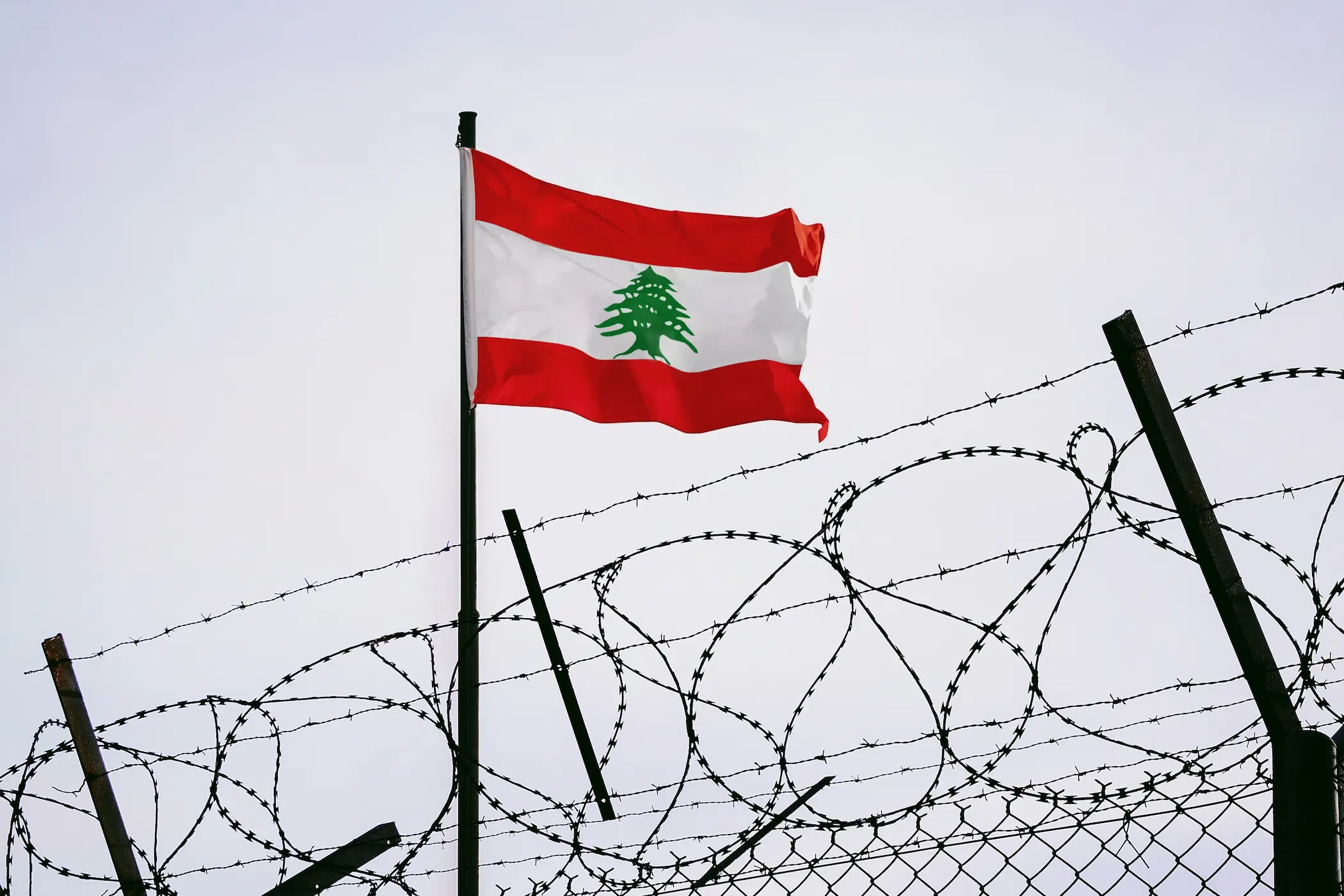
Southern Lebanon is undergoing a shift from a traditional peacekeeping framework to a more complex security system, where the Lebanese state, international actors, and new verification mechanisms can share responsibility for achieving and maintaining security. The June 2026 Trilateral Framework Agreement and the August 2026 Rome talks may provide the political start point for this shift, but they don’t determine its outcome. The crucial question is whether the emerging system can establish a sustainable security, or whether the region will remain involved in an externally managed deterrence system.
The United Nations Interim Force in Lebanon (UNIFIL)/UN Security Council Resolution 1701 framework provides the institutional basis for the current transition, but its peacekeeping model was not designed to independently enforce a comprehensive disarmament process or to compel the state to dismantle deeply entrenched non-state actors. Accordingly, its limitations were structural as it couldn’t guarantee exclusive state control over weapons, prevent the rebuilding of non-state actors armed capabilities, or resolve compliance disputes. Consequently, the challenge for the new security architecture is not simply to replace UNIFIL, but to establish mechanisms capable of performing functions that the previous framework could not fully provide.
The signing of the U.S.-supported Trilateral Framework Agreement between Israel and Lebanon on 26 June 2026 appeared, at first sight, to open a path toward a comprehensive peace agreement through ending Israeli military operations in Lebanon and restoring Lebanese sovereignty. However, continued ceasefire violations, the delay in the Israeli withdrawal, and Hezbollah’s refusal to disarm have created obstacles to comprehensive peace in Lebanon. With talks in Rome between Lebanon and the United States in August, expectations have emerged that a genuine negotiation process may begin, potentially helping shape the security order in southern Lebanon.
The question of a new security order is becoming increasingly important in light of recent developments, such as discussions over the establishment of U.S.-backed “pilot zones,” the expansion of the Lebanese Army’s deployment, the future of the UNIFIL, as well as discussion of new international mechanisms to monitor and enforce security arrangements. Accordingly, the future of southern Lebanon should not be viewed as a binary choice between Hezbollah and the Lebanese state. Rather, the indicators point to the emergence of three competing security models that could replace the existing security model. The question becomes whether southern Lebanon is moving toward a state-led security system, an internationally supported security framework, or a retreat from the security developments on the ground, with prolonged managed deterrence continuing to prevail.
Programmes
13 Aug 2026
Three Decades of Absence: Why Have Arabs Been Shut Out of the UN’s Top Job?
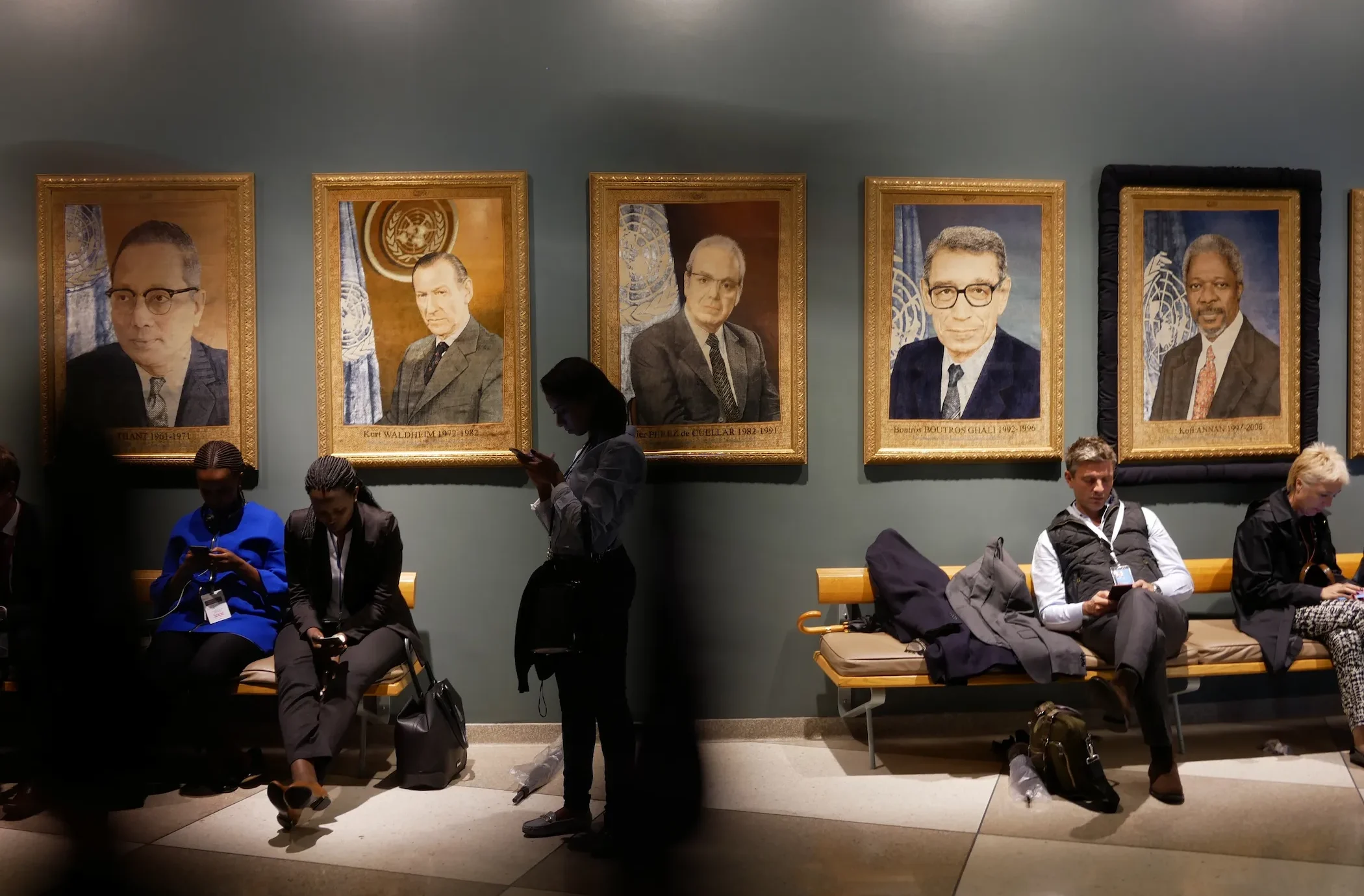
Since Egyptian diplomat Boutros Boutros-Ghali left office as UN Secretary-General in 1996, after a US veto blocked his bid for a second term, no Arab has held the organisation's highest office for nearly three decades. This prolonged absence is neither a matter of chance nor, as some suggest, the result of a lack of Arab diplomatic expertise or competence. Rather, it stems from the interplay between the UN's complex selection process and the calculations of global powers, which together create a barrier to the emergence of new Arab candidates for the organisation's leadership.
The roots of this problem lie in the UN's regional group structure and the rules governing geographic rotation. The selection process does not treat Arab states as a single geographic bloc, but divides them between the "African Group" and the "Asia-Pacific Group". This division dilutes Arab voting strength. When it is Africa's or Asia's turn to put forward candidates for the post, Arab contenders must compete with major states that wield considerable political influence and demographic weight within their respective regions, making it difficult to secure the regional backing and consensus required for a successful candidacy.
Alongside this internal division, divisions among the major powers on the Security Council play a decisive role. The Middle East and North Africa is a key arena of great-power competition, subjecting any Arab candidate to intense political scrutiny by the five permanent members. Since securing the post necessarily requires avoiding a veto from any one of them, identifying a candidate acceptable to all the competing powers becomes exceptionally difficult, particularly as each contender is assessed in light of their country's international relationships and global alignments.
This analysis therefore seeks to unravel the reasons behind this prolonged absence. Does the reluctance of Arab capitals to enter the race in recent decades reflect a retreat and an acknowledgement of diplomatic limitations, or does it instead represent a tactical withdrawal and a calculated strategic decision to avoid electoral contests whose rules are structured in ways that effectively exclude candidates from regions at the fault lines of intense geopolitical rivalry?
Programmes
13 Aug 2026
When Global Competition Becomes about Indispensability
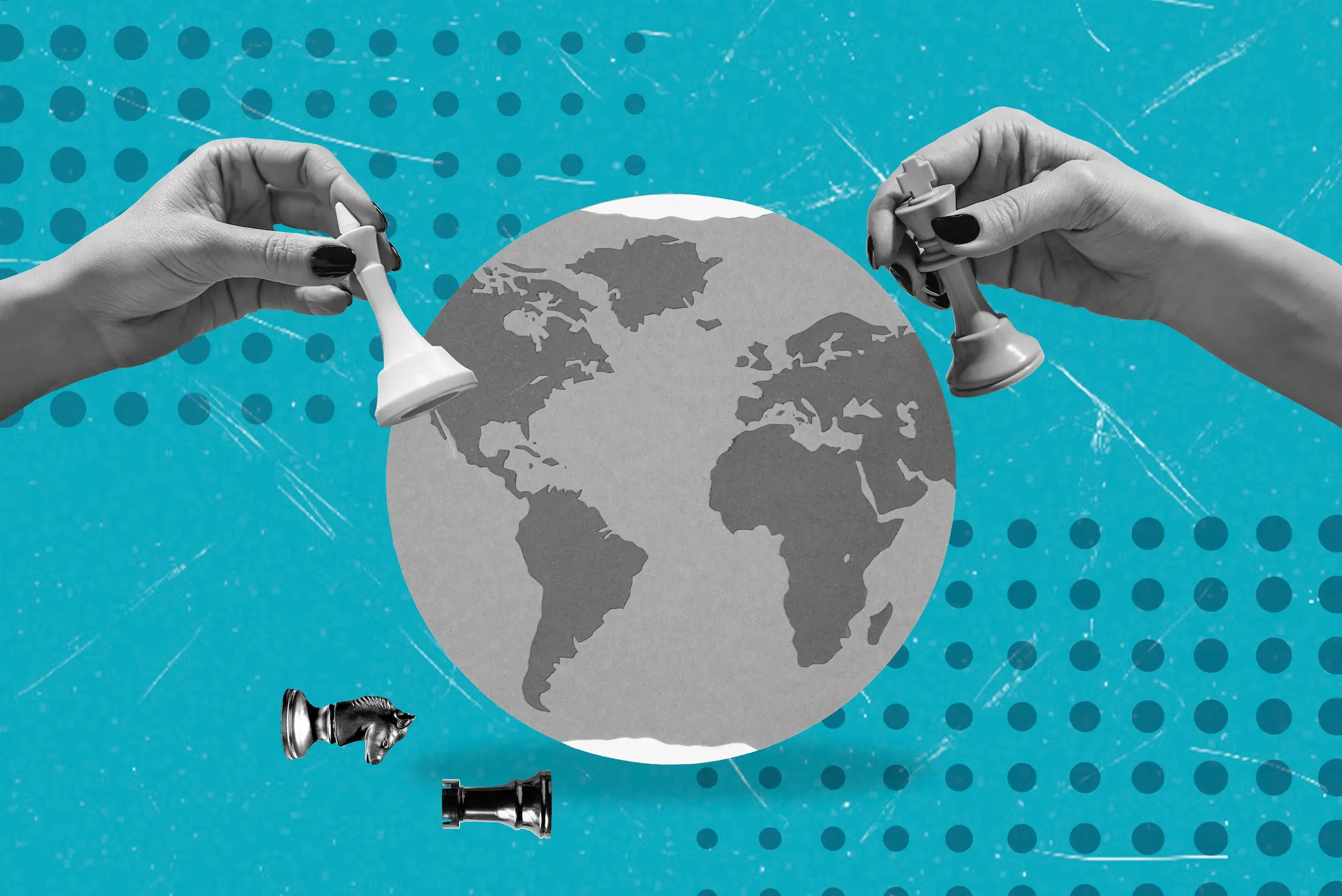
Countries are increasingly shifting toward making themselves indispensable in a specific area. China controls rare-earth minerals, Taiwan pioneers in semiconductor manufacturing, the United States leads in artificial intelligence and advanced technologies, and the Gulf, particularly the UAE, positions itself as a global logistics hub.
This new era introduces the concept of “strategic irreplaceability or indispensability”, in which countries no longer focus solely on maximizing their national power but instead become experts in a specific field, making them an indispensable bottleneck in the global system.