
Programmes
24 Jun 2026
Coercion Over Combat: The Future of Trump’s Strategy Toward Cuba
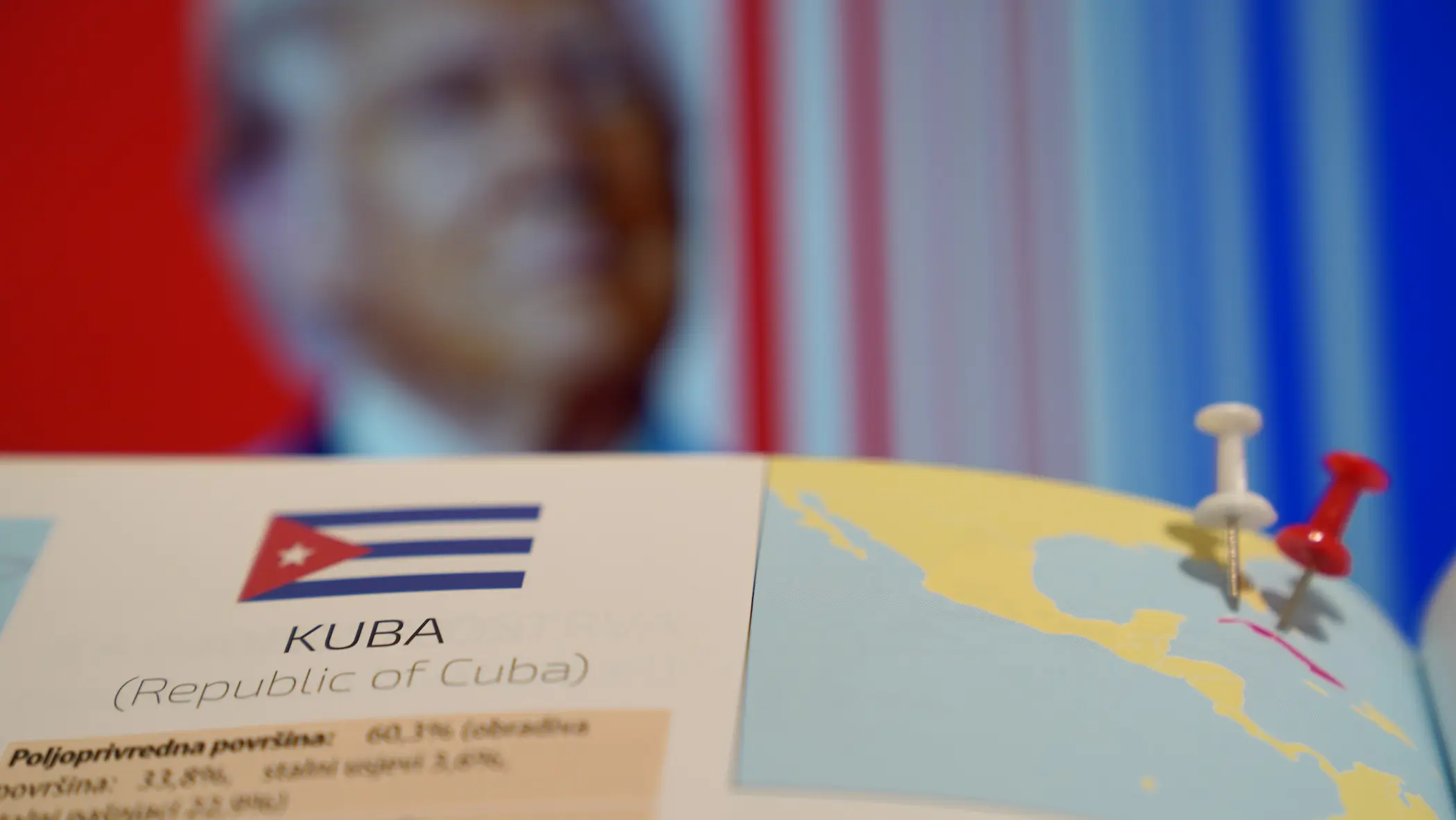
The administration of U.S. President Donald Trump has demonstrated a clear intent to reassert American influence throughout the Caribbean, viewing the region as a vital component of its broader national security strategy. As a result of this renewed focus, Cuba has re-emerged as a primary flashpoint. With Beijing and Moscow increasingly expanding their economic and strategic footprints in Havana, the island has transformed into a central theatre for great power competition involving the United States, China, and Russia. Viewing this foreign encroachment as a direct threat, Washington has intensified its rhetoric. Crucially, the administration has explicitly characterised Cuba as a “failing state”—a designation that highlights the island's severe internal crises and signals Washington's belief that proactive, decisive intervention is necessary to prevent further destabilisation on America's doorstep.
This expanding U.S. posture in the Western Hemisphere is driven by a deep-seated desire to consolidate regional control and push back against geopolitical rivals. It aligns seamlessly with the historical framework of the Monroe Doctrine, which has long asserted American dominance and rejected outside interference in the Americas. Against the backdrop of these escalating tensions, a critical strategic question arises: Is the United States becoming increasingly likely to pursue direct military intervention to resolve the Cuban issue, or will it maintain a strategy of maximum pressure—relying on coercive measures such as severe economic sanctions, diplomatic isolation, and political coercion—to advance its long-term objectives?