
Programmes
4 Aug 2026
Modern Warfare: Can Military Components Become China’s Greatest Strategic Weapon?
On July 15, 2026, reports revealed that the EU has authorised Ukraine to purchase Chinese drone components using EU defence funds. This decision is striking, as although Europe accuses China of supporting Russia's military-industrial development and seeks to contain China’s military capabilities, the new shift suggests that it may represent a new geopolitical reality rather than a temporary wartime exception.
This decision represents a new direction where Europe has been obligated to finance Chinese defence-related industries because no viable alternative exists. This points to a broader strategic aspiration where China tries to position itself to become an indispensable supplier of military components. It means supplying the core parts and technologies upon which global weapons production increasingly depends. This raises a crucial question: can China leverage its dominance in military components to become the indispensable infrastructure of global defence production?
Programmes
24 Jul 2026
Life Imitates Art: Idiocracy and America at 250 Years
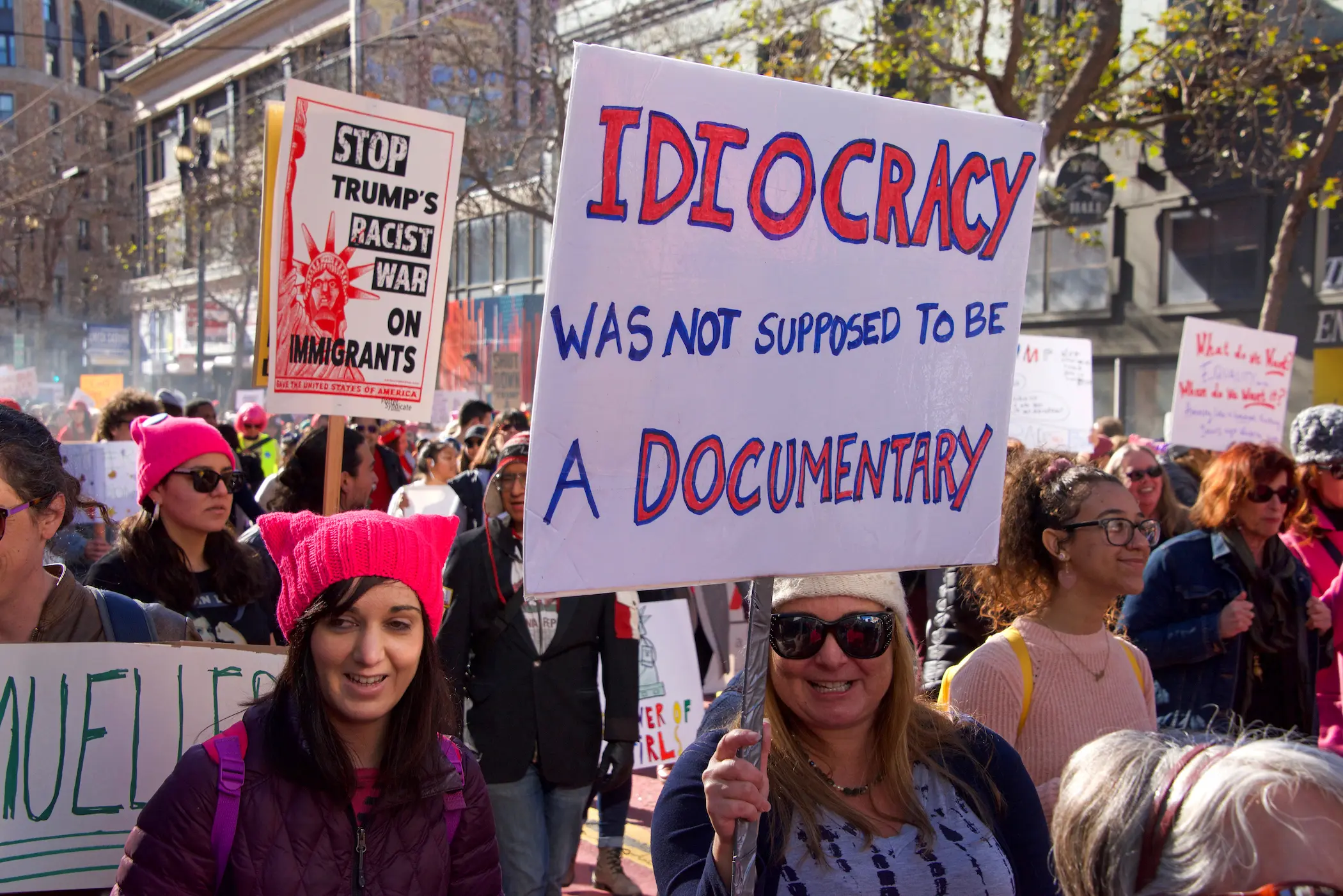
On July 4th, 2026, the United States celebrated its 250th anniversary of independence in true American fashion. With such celebrations taking place, numerous news outlets have been running polls and stories celebrating some of the US’ greatest achievements in its 250-year history, including and not limited to cinema. The New York Times ran a poll with the topic focused on which film best represents the American experience, with some respondents picking American classics such as The Godfather, Citizen Kane, Easy Rider, and American Graffiti as well as social commentary-based films such as Do the Right Thing. Although respondents have selected classic American movies that symbolise the American experience, there is one movie that stood out as the most quintessential movie that captures the American experience, having garnered 3,000 votes from poll respondents: Mike Judge’s 2006 satirical comedy Idiocracy.
Idiocracy was intended to serve as a satirical movie focused on the growing anti-intellectualism in the US during 2006, while also tackling societal and cultural issues such as dysgenics, consumerism, commercialism, and overpopulation. However, 20 years later in 2026, the satire portrayed in the movie seems to have become an absurdist reality. From flamboyant and incompetent governance to the inescapable commercialisation of society to raging anti-intellectualism (and everything in between), it seems that life has begun to imitate the art. Therefore, one can argue Idiocracy does not necessarily serve as a prophecy of the dumbing down of American society, but rather a framework for understanding the transition from competent policy-based governance to prioritising attention-based politics and economy.
Programmes
23 Jul 2026
Bab al-Mandab at the Heart of the Crisis: Will the Houthi Blockade Push Pakistan into a Confrontation with Iran?
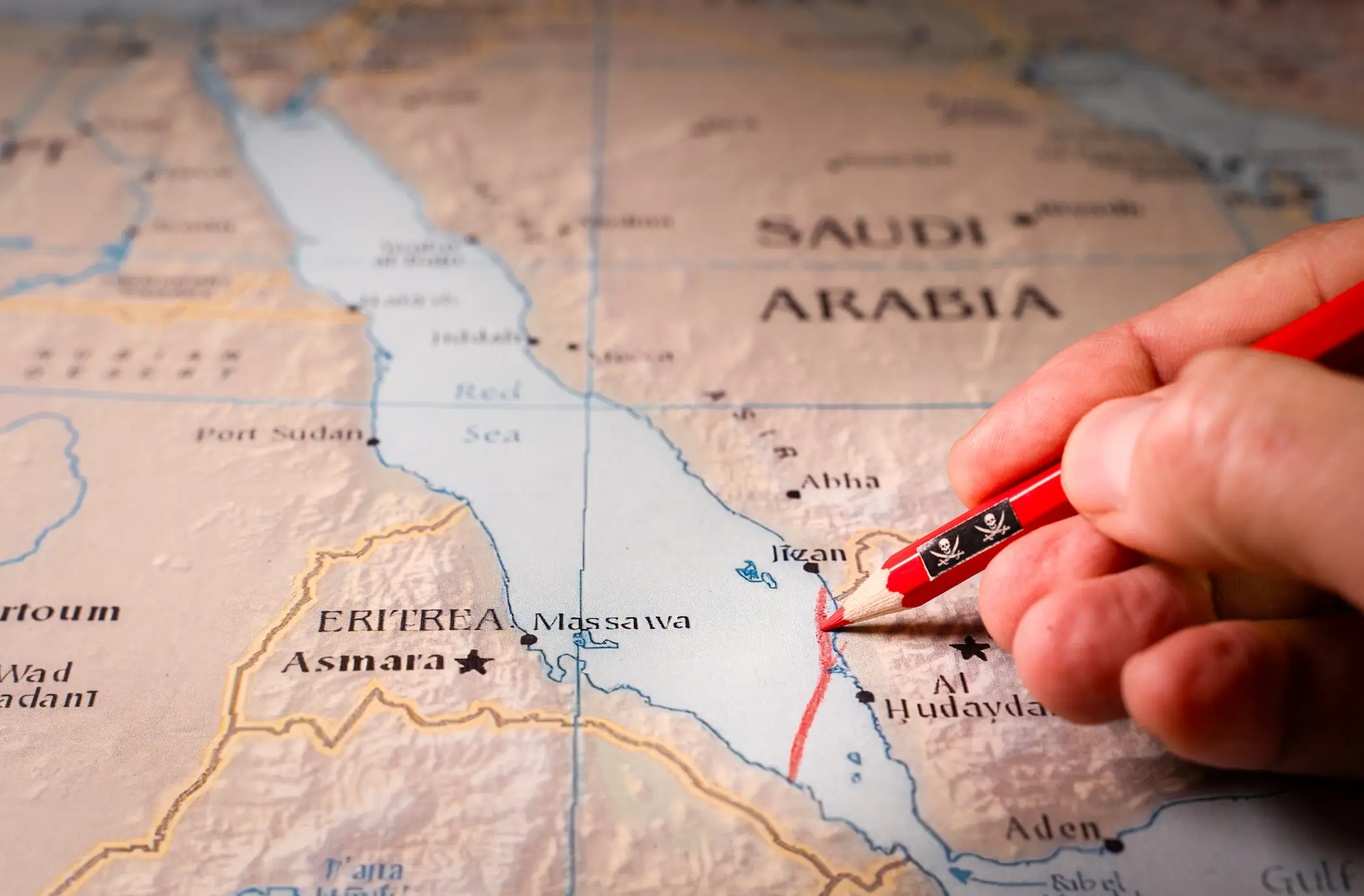
The Middle East is witnessing a new geopolitical crisis centred on the Bab al-Mandab Strait after Yemen’s Houthi movement announced on 20 July 2026 the imposition of a naval blockade on the Kingdom of Saudi Arabia, in application of a principle the group terms “blockade for blockade”. The measure comes as a direct response to the restrictions Saudi Arabia has placed on the airports and ports lying under Houthi control, most notably Sanaa Airport and the ports of Hodeidah, and the decision followed a military escalation that included strikes on Sanaa Airport and the launching of missiles and drones towards Saudi airports.
Through this closure the Houthis seek to transfer the cost of the blockade from the Yemeni interior to a corridor vital to Saudi Arabia in the Red Sea and the Bab al-Mandab Strait, by closing the strait to vessels flying the Saudi flag or bound for the Kingdom. The closure also coincides with the disruption affecting the Strait of Hormuz as a result of the ongoing Iranian–American war, where the Revolutionary Guard’s interception rate of vessels transiting the strait has reached some 89 per cent. This has driven the Kingdom over the past four months to reroute its oil exports westwards, moving 4.5 million barrels of oil a day through a pipeline to the port of Yanbu on the Red Sea in order to provide an alternative passage, an increase of close to fivefold on the period before the war began.
On another front, Pakistan faces a complex strategic position as a result of these developments, since Islamabad is bound by a mutual strategic defence agreement with the Kingdom of Saudi Arabia signed in September 2025, alongside the presence of Pakistani forces stationed in the Kingdom. The agreement stipulates that any aggression against either state is deemed an aggression against the other, while Islamabad simultaneously performs the role of diplomatic mediator between the United States and Iran, having sponsored the signing of a ceasefire memorandum of understanding between the two parties in June 2026. In this context, Pakistani officials regard attacks on Saudi Arabia as a red line, which makes the naval blockade not merely a problem touching Saudi security but a direct test of Pakistan’s ability to balance its role as mediator with Tehran against its military commitments towards Riyadh. This tension places the Pakistani leadership before a clear challenge and raises an important question as to whether it will persist in its neutral position, or move towards a firmer stance should the crisis develop into a regional confrontation affecting the interests of its Saudi partner.
Programmes
13 Jul 2026
A Crisis of Trust: Are International Institutions on the Decline?
International institutions have traditionally operated as the primary arbiters of global security and coordinators for transnational crisis management. However, their recent inability to effectively mediate pressing crises has exposed deep structural flaws, sparking what is widely observed as a profound crisis of trust. Yet, framing this dynamic merely as a "decline" misses the broader strategic shift occurring in global governance. This crisis of trust, rooted in outdated power distributions and systemic inequities, is not simply the decay of the post-World War II liberal order—it is a market correction. Driven by a widening representation gap and the selective enforcement of international law, emerging and middle powers are no longer merely seeking institutional reform; they are engaging in active "institutional hedging." This analysis argues that rather than witnessing the end of multilateralism, the global system is transitioning into a competitive marketplace of governance, where states bypass legacy bottlenecks in favor of agile, interest-based minilateral blocs and alternative institutional architectures.

Programmes
The Other Face of the World Cup: How Profits Shape FIFA’s Decisions?
FIFA's commercial success and its governance decisions are not separate stories — they increasingly appear to be the same story. This analysis examines who benefits from the modern World Cup's business model, how FIFA's revenue depends on star players and marquee fixtures, and where that dependency creates entry points for questionable decision-making around eligibility and officiating.
The question matters now because of scale: the 2026 tournament is FIFA's largest and most commercially valuable edition in history, its sponsorship architecture runs through multiple tiers of global brands and downstream club deals, and this year's tournament has already produced disciplinary reversals and officiating controversies that critics have directly linked to the same commercial incentives driving FIFA's revenue.
The analysis draws on FIFA's own financial disclosures, sponsorship data, and contemporaneous tournament reporting, and it deliberately separates documented facts from contested interpretation, particularly where officiating or disciplinary decisions have been framed by media and analysts as raising questions, not as proof of manipulation.
Programmes
7 Jul 2026
The Price of Principles: Can China Build a Cost-Averse Global Order?
On June 17, 2026, China published its first comprehensive white paper on global governance titled "More Just and Equitable Global Governance: China's Principles, Proposals and Actions," which constitutes a translation of China's long-standing aspiration to shape the international order. The paper proposes a new model redefining principles and institutions while advocating for multilateralism in the international order. However, it seems that China concentrates on leadership grounded in normative influence rather than the financial and military commitments that have historically accompanied global leadership.
The release of the white paper coincides with new developments China faces, notably economic structural headwinds. Such developments provide strong context for the White Paper’s focus on normative leadership. This raises a crucial question” Can China's cost-averse model of global leadership translate normative influence into sustainable geopolitical leadership?
Programmes
2 Jul 2026
Contradictions Triangle: How Israel’s Recognition of the Armenian Genocide Reshaped the Geopolitics of the South Caucasus
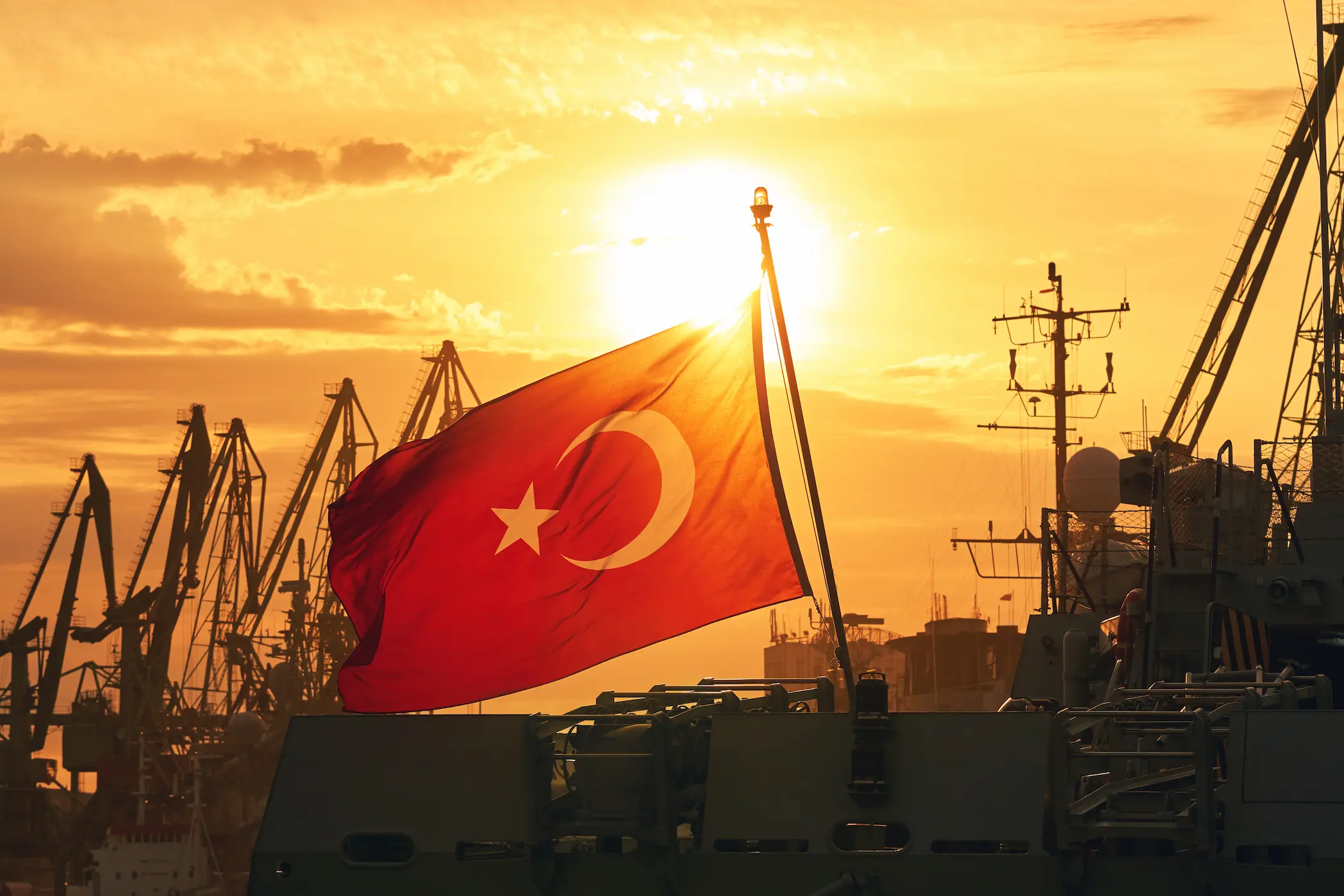
For more than three decades, Israel maintained a policy of strategic ambiguity towards the Armenian Genocide, deliberately withholding formal recognition despite mounting domestic calls—from parliamentarians and academics alike—for a definitive official position. This reluctance was neither accidental nor driven by historical uncertainty. Rather, it reflected a carefully calibrated strategy aimed at safeguarding a complex web of vital national interests. Official silence helped preserve Israel's close strategic partnerships with both Turkey and Azerbaijan, secure the uninterrupted flow of energy supplies and critical trade routes, and protect its sensitive intelligence footprint along Iran's northern frontier.
That strategic equilibrium was abruptly overturned in June 2026, when the Israeli government formally recognised the Armenian Genocide. The decision triggered an unprecedented backlash from Azerbaijan, which swiftly denounced it as a distortion of historical facts lacking any legal or scholarly foundation, while demanding that Israel immediately reverse its position. At that moment, the contours of a profound strategic contradiction came sharply into focus. Although Israel presented the move as a moral and historical obligation, the broader geopolitical context pointed instead to predominantly political and retaliatory calculations. In a single decision, Tel Aviv opened itself to direct confrontation with Turkey and a quieter, yet strategically significant, rift with Azerbaijan, while simultaneously creating an opportunity for Iran to exploit the emerging fractures and weaken Israel's extensive strategic influence along its northern frontier.
Programmes
29 Jun 2026
Ankara’s Defensive Rise: A New NATO Path?
Turkey’s rise as a defence-industrial power is no longer a peripheral subplot in NATO politics. It has become a structural development with implications for how the alliance equips itself, how regional powers diversify procurement, and how strategic influence is exercised between Europe, the United States, and the Middle East. While much of the public discussion around NATO still revolves around burden-sharing targets and the Russian threat, a more consequential transformation is unfolding in parallel: Turkey is building a defence-industrial corridor that links alliance demand, regional export markets, and domestic technological ambition.
The timing gives this argument unusual weight. Turkey is set to host NATO leaders in Ankara on 7–8 July 2026, a moment that places its political role and industrial trajectory under the same spotlight. That summit matters not simply because it will convene alliance leaders in the Turkish capital, but because it comes after a period in which Turkey’s defence sector has expanded in scale, deepened in sophistication, and broadened its customer base across Europe, the Gulf, Africa, and Asia.
What emerges from this trajectory is not a Turkish substitute for NATO, nor a coherent anti-Western bloc inside the alliance. It is something more complex and, in strategic terms, more significant: an alternative source of military capability inside NATO that others can increasingly use when Washington or Brussels appear too slow, too restrictive, or too politically encumbered. In that sense, Ankara is not building a rival alliance. It is building an alternative industrial lane within the existing one.

Programmes
25 Jun 2026
The FIFA World Cup 2026: How the U.S. Weaponized Borders and Mobility
The FIFA World Cup is usually seen as a global sporting event, where people from all over the world come together to watch engaging matches and bond with those from different backgrounds and cultures. However, the current World Cup, which is predominantly held in the United States, has been the subject of criticisms ranging from time zone differences to more severe controversies such as high-ticket prices, the US-Israeli war on Iran, and the implementation of strict immigration policies. The immigration policies include mobilizing I.C.E. to monitor stadiums for illegal migrants, visa cancellations and deportations of legal immigrants days before the tournament begins. These controls the US has been using since the tournament began have fans criticizing the US, while also leaving them questioning the ability of the US to be adequate hosts for such an international tournament. Therefore, this edition of the World Cup shows how states weaponize mobility and borders to protect their interests and project power. In this case, the US as a host nation is not a neutral stage for FIFA’s “global game" but an active political actor that uses visas, security checks, and border rules to manage who can move, when, and under what conditions.
Programmes
24 Jun 2026
Coercion Over Combat: The Future of Trump’s Strategy Toward Cuba
The administration of U.S. President Donald Trump has demonstrated a clear intent to reassert American influence throughout the Caribbean, viewing the region as a vital component of its broader national security strategy. As a result of this renewed focus, Cuba has re-emerged as a primary flashpoint. With Beijing and Moscow increasingly expanding their economic and strategic footprints in Havana, the island has transformed into a central theatre for great power competition involving the United States, China, and Russia. Viewing this foreign encroachment as a direct threat, Washington has intensified its rhetoric. Crucially, the administration has explicitly characterised Cuba as a “failing state”—a designation that highlights the island's severe internal crises and signals Washington's belief that proactive, decisive intervention is necessary to prevent further destabilisation on America's doorstep.
This expanding U.S. posture in the Western Hemisphere is driven by a deep-seated desire to consolidate regional control and push back against geopolitical rivals. It aligns seamlessly with the historical framework of the Monroe Doctrine, which has long asserted American dominance and rejected outside interference in the Americas. Against the backdrop of these escalating tensions, a critical strategic question arises: Is the United States becoming increasingly likely to pursue direct military intervention to resolve the Cuban issue, or will it maintain a strategy of maximum pressure—relying on coercive measures such as severe economic sanctions, diplomatic isolation, and political coercion—to advance its long-term objectives?
Programmes
9 Jun 2026
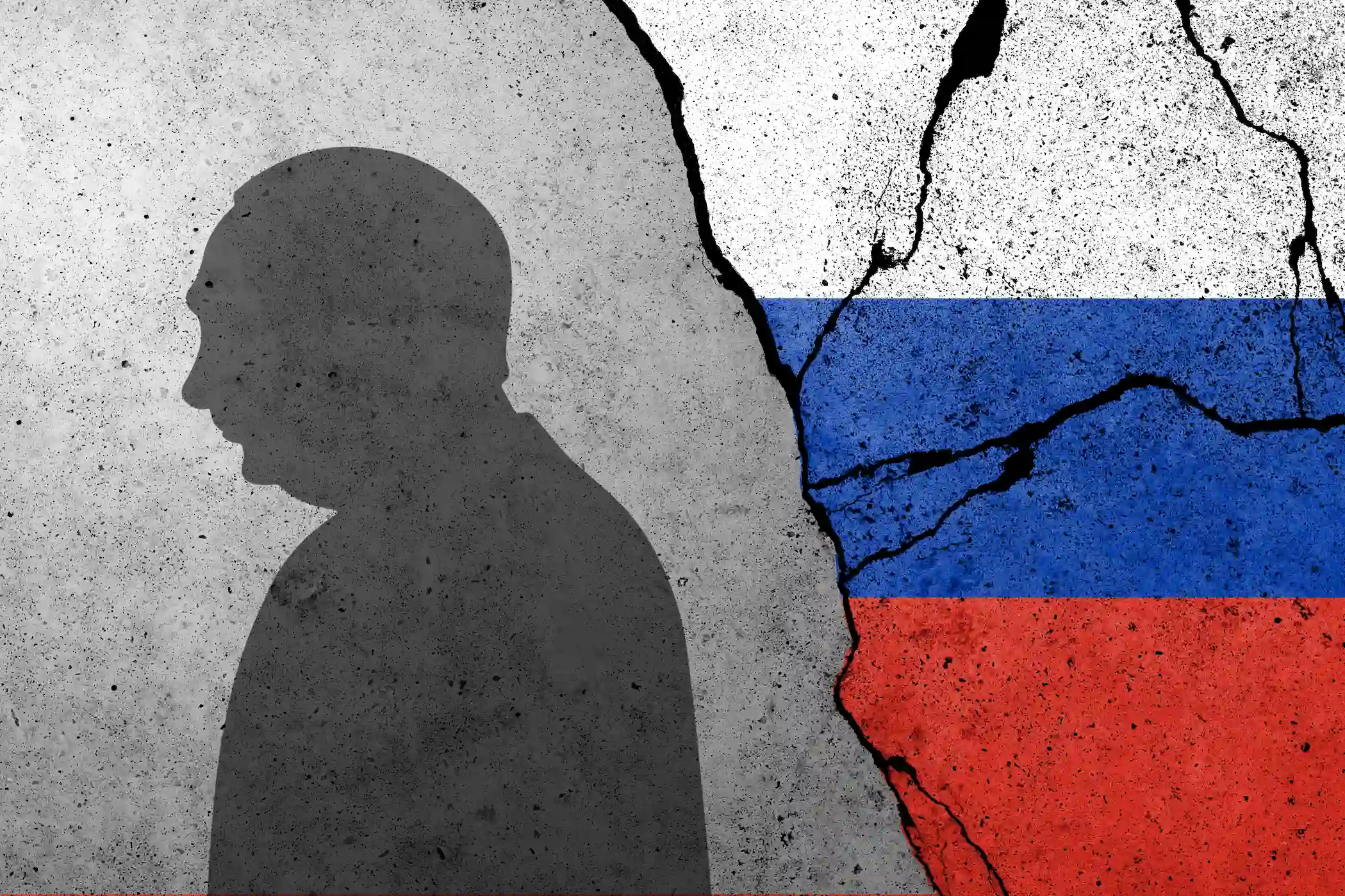
Silent Elite Fragmentation: Trajectory of Putin’s Regime in Russia
Ukraine’s shift from a battlefield conflict to a multidimensional strategy of systematically exhausting Russian war efforts appears to be causing divisions and tensions among the elites in Moscow. This has triggered expectations of elite defections from Russian President Vladimir Putin’s regime and even the possibility of his removal. According to this view, the prolonged war is likely to undermine Russia’s internal stability and elite confidence, which eventually would translate to broader political restructuring and potentially a complete regime change.
However, the complex structure of the Russian regime suggests a different scenario regarding how elite dissatisfaction could influence the course of events and the relationship between elite fragmentation and regime stability. Hence, the strategic question is no longer whether Russia can survive battlefield losses but whether the Kremlin can indefinitely withstand the cumulative pressures of growing elite frustration.
Programmes
4 Jun 2026
World Cup 2026: When Sport Exposes the Fault Lines of Politics
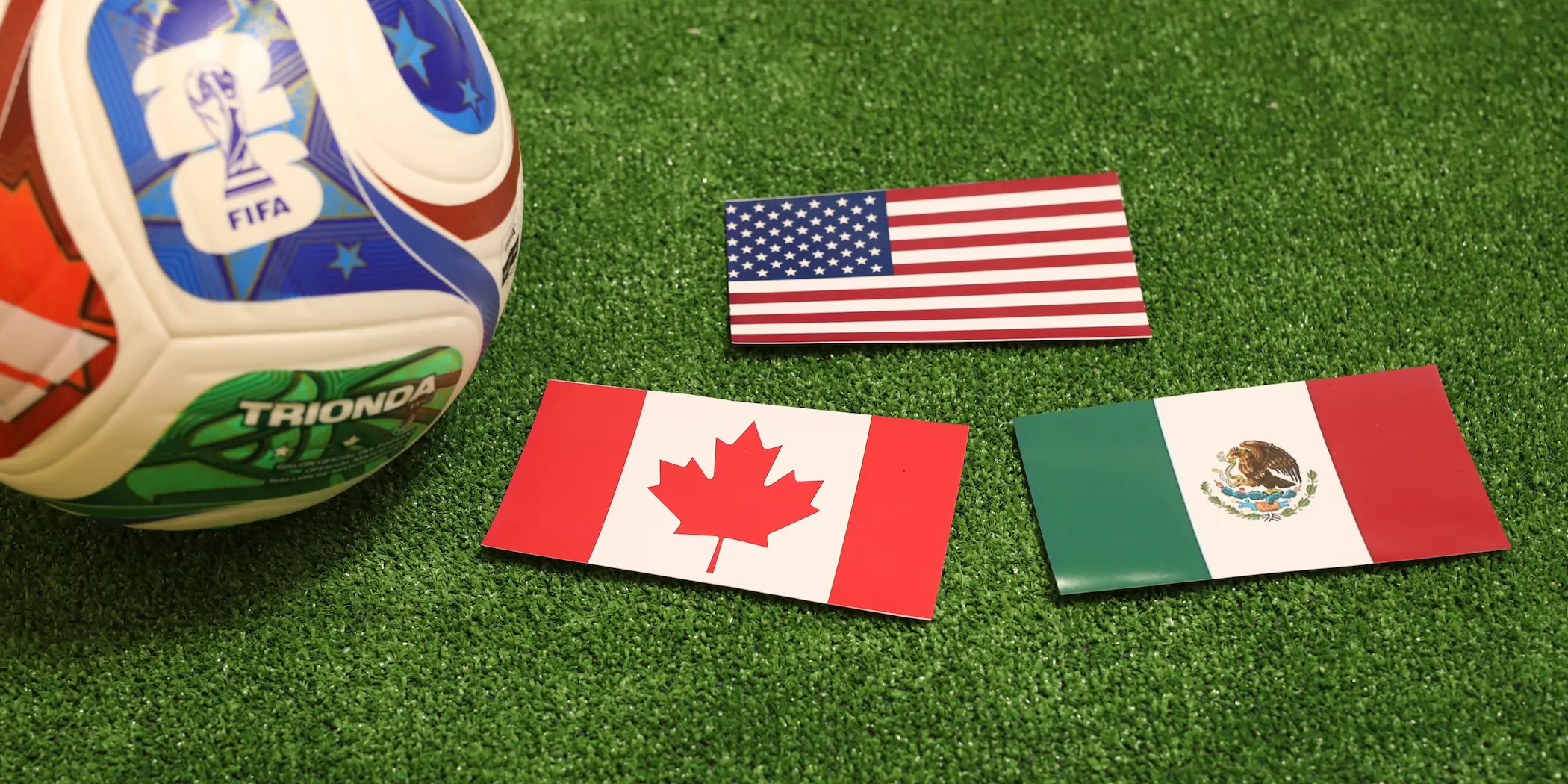
The successful joint bid by the United States, Canada and Mexico to host the FIFA World Cup 2026 was widely welcomed in international diplomatic circles, regarded as an exceptional achievement in cross-border sports diplomacy. Through the "WE ARE 26" slogan, FIFA and the host countries sought to present an image of regional cooperation and shared cohesion, promoting the idea that the soft power of sport could prevail over complex geopolitical differences.
Yet by the summer of 2026, these promises had collided with a completely different political reality. Rather than reflecting unity, seamless movement, and open borders, preparations for this major event revealed deep divisions and strict security measures across North America. As a result, the World Cup shifted from being an instrument of regional integration to a magnifying lens exposing the sharp political contradictions that shape the domestic and foreign policies of the host countries.