
Programmes
4 Jun 2026
World Cup 2026: When Sport Exposes the Fault Lines of Politics
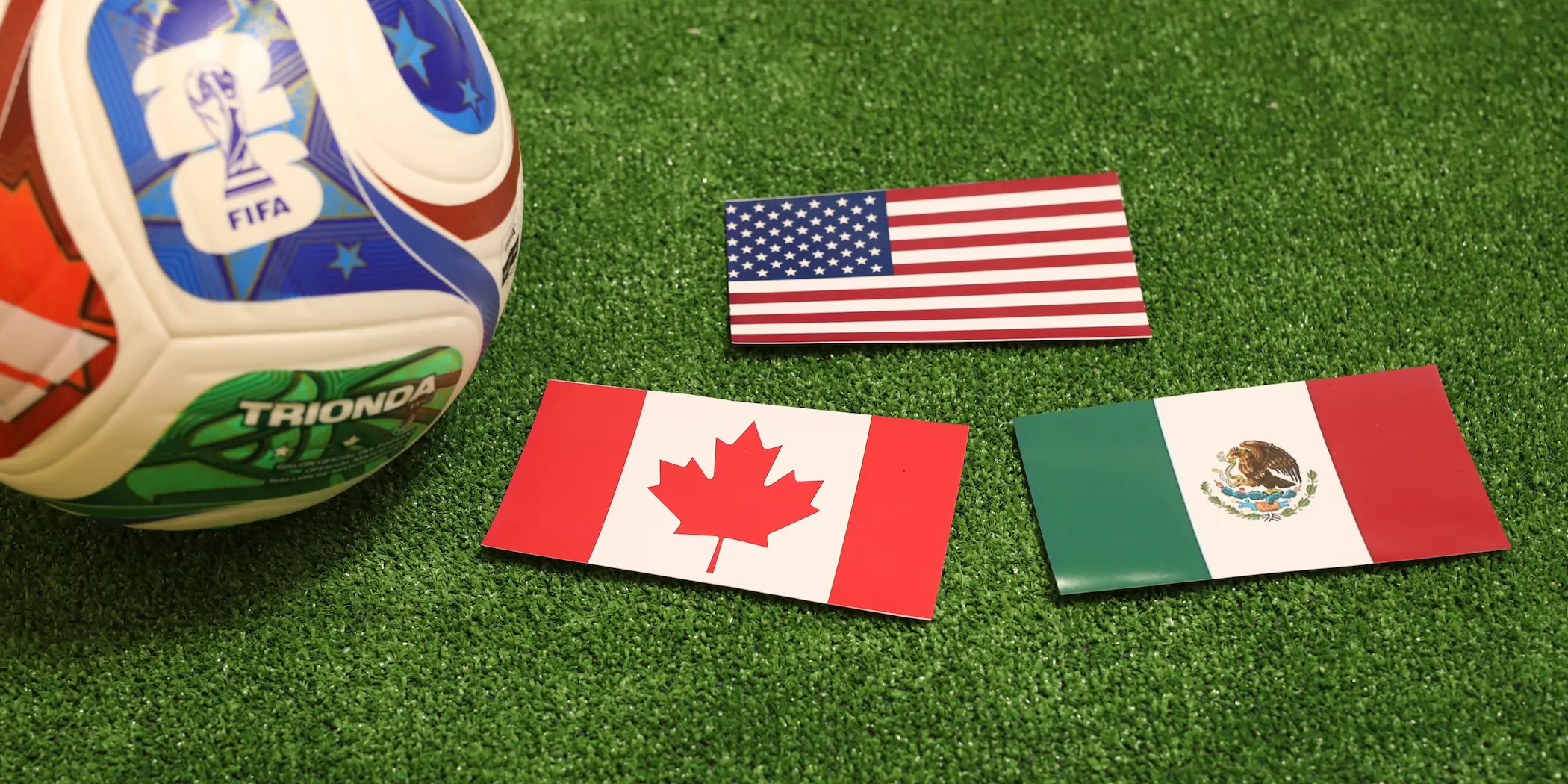
The successful joint bid by the United States, Canada and Mexico to host the FIFA World Cup 2026 was widely welcomed in international diplomatic circles, regarded as an exceptional achievement in cross-border sports diplomacy. Through the "WE ARE 26" slogan, FIFA and the host countries sought to present an image of regional cooperation and shared cohesion, promoting the idea that the soft power of sport could prevail over complex geopolitical differences.
Yet by the summer of 2026, these promises had collided with a completely different political reality. Rather than reflecting unity, seamless movement, and open borders, preparations for this major event revealed deep divisions and strict security measures across North America. As a result, the World Cup shifted from being an instrument of regional integration to a magnifying lens exposing the sharp political contradictions that shape the domestic and foreign policies of the host countries.

Programmes
10 Jul 2025
Sports Diplomacy and the Reduction of Global Political Tensions
Sports diplomacy is not something new. It can be traced back to the ancient Olympic Games, when Greek city-states suspended conflicts to compete peacefully. The modern Olympic movement, revived in 1896, was based on similar principles of fostering global unity. However, sports have also been used to serve political agendas, such as the 1936 Olympics in Berlin, during which Nazi Germany turned the games into a propaganda tool. In other cases, sports played an important diplomatic role to ease tensions between countries. The Ping-Pong diplomacy, for instance, facilitated communication between the U.S. and China in 1971, which later paved the way for President Richard Nixon’s historic visit in 1972. This analysis explores how sports diplomacy contributes to easing political tensions between countries.