
Programmes
25 Jun 2026
The FIFA World Cup 2026: How the U.S. Weaponized Borders and Mobility
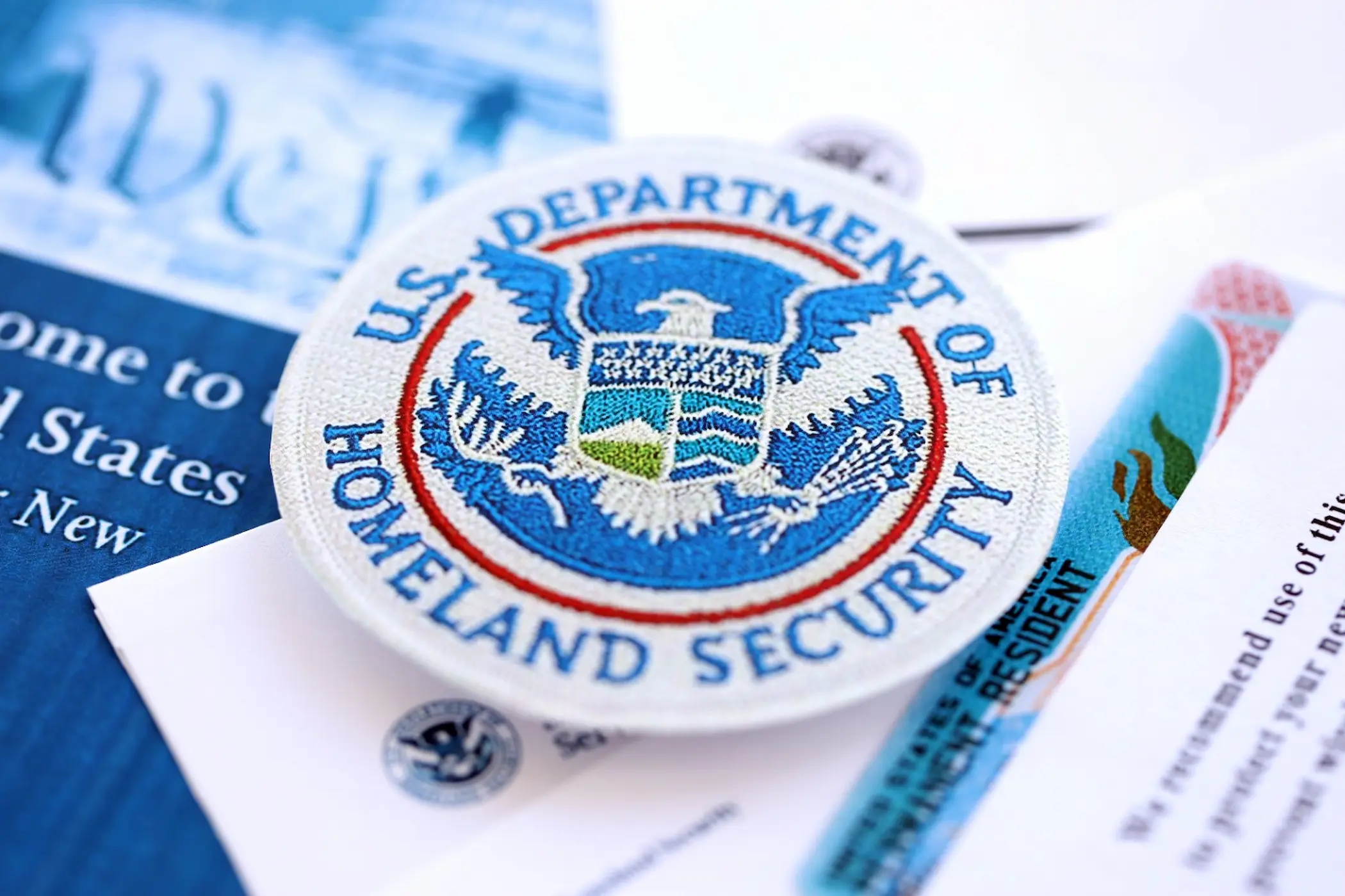
The FIFA World Cup is usually seen as a global sporting event, where people from all over the world come together to watch engaging matches and bond with those from different backgrounds and cultures. However, the current World Cup, which is predominantly held in the United States, has been the subject of criticisms ranging from time zone differences to more severe controversies such as high-ticket prices, the US-Israeli war on Iran, and the implementation of strict immigration policies. The immigration policies include mobilizing I.C.E. to monitor stadiums for illegal migrants, visa cancellations and deportations of legal immigrants days before the tournament begins. These controls the US has been using since the tournament began have fans criticizing the US, while also leaving them questioning the ability of the US to be adequate hosts for such an international tournament. Therefore, this edition of the World Cup shows how states weaponize mobility and borders to protect their interests and project power. In this case, the US as a host nation is not a neutral stage for FIFA’s “global game" but an active political actor that uses visas, security checks, and border rules to manage who can move, when, and under what conditions.

Programmes
10 Jul 2025
Sports Diplomacy and the Reduction of Global Political Tensions
Sports diplomacy is not something new. It can be traced back to the ancient Olympic Games, when Greek city-states suspended conflicts to compete peacefully. The modern Olympic movement, revived in 1896, was based on similar principles of fostering global unity. However, sports have also been used to serve political agendas, such as the 1936 Olympics in Berlin, during which Nazi Germany turned the games into a propaganda tool. In other cases, sports played an important diplomatic role to ease tensions between countries. The Ping-Pong diplomacy, for instance, facilitated communication between the U.S. and China in 1971, which later paved the way for President Richard Nixon’s historic visit in 1972. This analysis explores how sports diplomacy contributes to easing political tensions between countries.