Sherif Amin

Early Warning Researcher

Sherif Amin is an Early Warning Researcher at Al Habtoor Research Centre.


He is currently a PhD Candidate nearing the completion of his doctoral studies at SOAS, University of London. He holds a MRes in International Relations from Queen Mary University of London and a MSc in International Politics from SOAS, University of London. Prior to joining the Centre, he served as a Senior Analyst at the MEA Institute for Strategic Studies’ Middle East Programme. He interned as a Research Assistant at the Middle East Institute in Washington DC as well as the Institute of International Relations Prague.


His research interests include the international relations of the MENA region, Middle East politics, and US foreign policy in the MENA region.

Latest By Sherif Amin

The Capture of Nicolas Maduro: The Consequences of US Regime Change in South America

Programmes
5 Jan 2026

The Capture of Nicolas Maduro: The Consequences of US Regime Change in South America

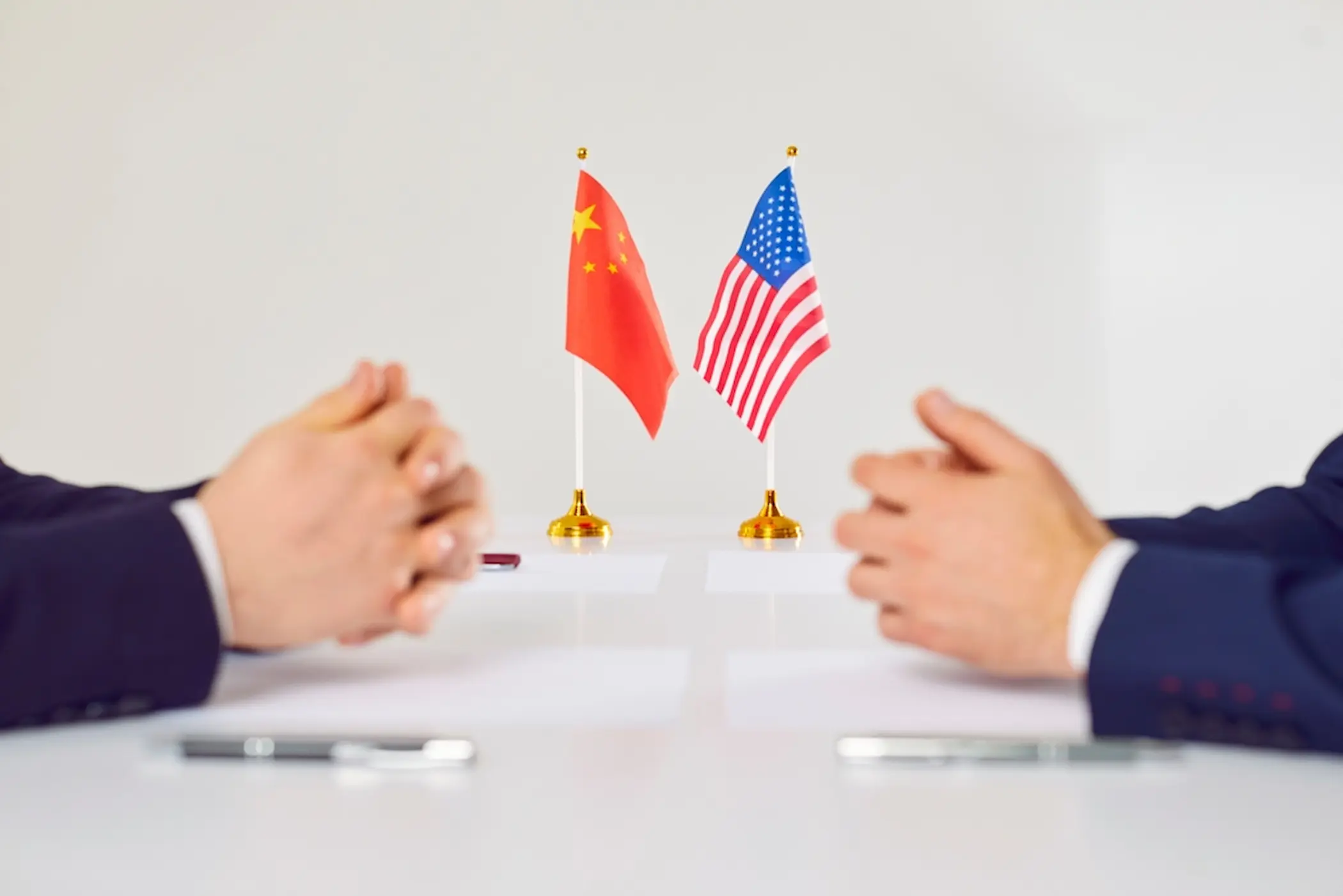
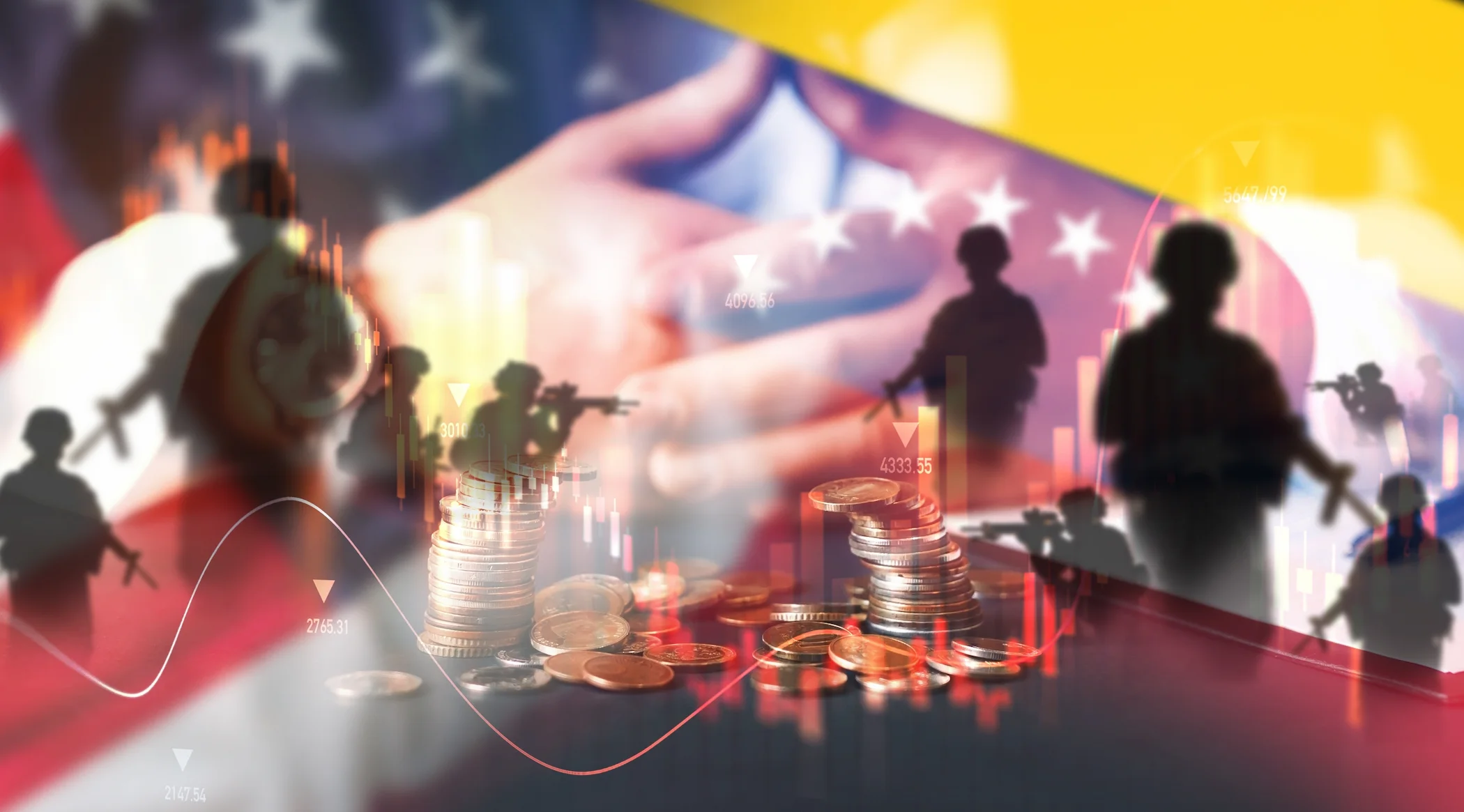
Tensions between the United States and Venezuela have exploded into a forceful attack that has resulted in the capture and detention of Venezuelan President Nicolas Maduro. The U.S. President Donald Trump has accused President Maduro of instigating a mass migration of Venezuelan citizens, being involved in the fentanyl drug trade, and stealing oil wealth to fund drug operations. Consequently, President Trump authorized attacks on Venezuelan vessels, which he claimed to be transporting drugs to the U.S. while also increasing the number of troops stationed in the Caribbean Sea. Now that President Maduro has been captured after months of U.S. escalation, there is an uncertainty regarding the future of Venezuela, the region, and the world.   The attack as part of Operation Absolute Resolve can be seen as an attempt by President Trump to force regime change in Venezuela. The capture of President Maduro could have serious ramifications not only for the warring factions but the regions of South America and the Caribbean as well as the world. This may come in the form of collapsing institutions and industrial sectors such as energy, a loss of credibility for the U.S., regional destabilization brought on by a devastating refugee crisis, while also having a negative impact on the global economy.
Class, Declinism, and Emotional Turmoil: The Great British Migration to Dubai

Programmes
23 Dec 2025

Class, Declinism, and Emotional Turmoil: The Great British Migration to Dubai

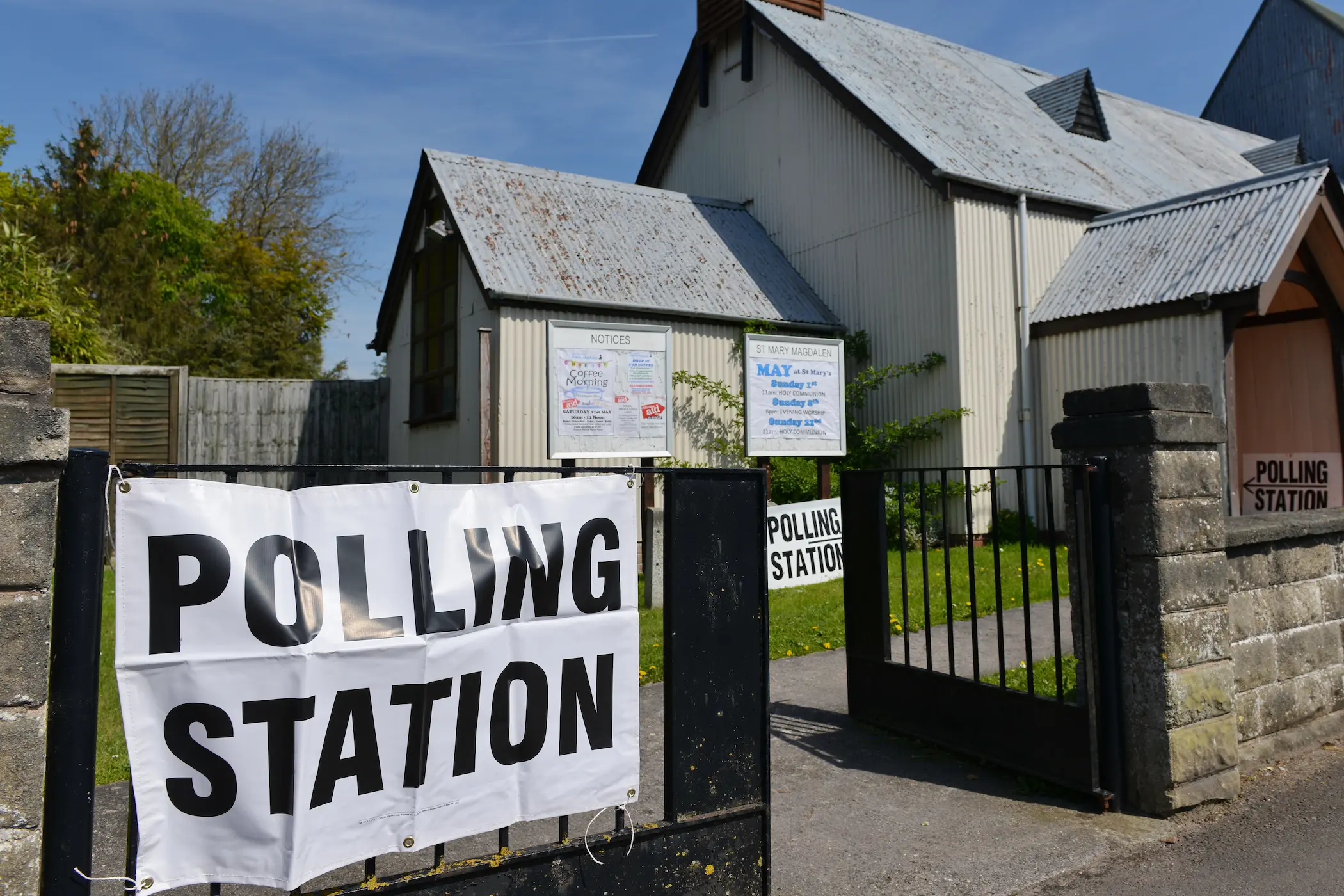
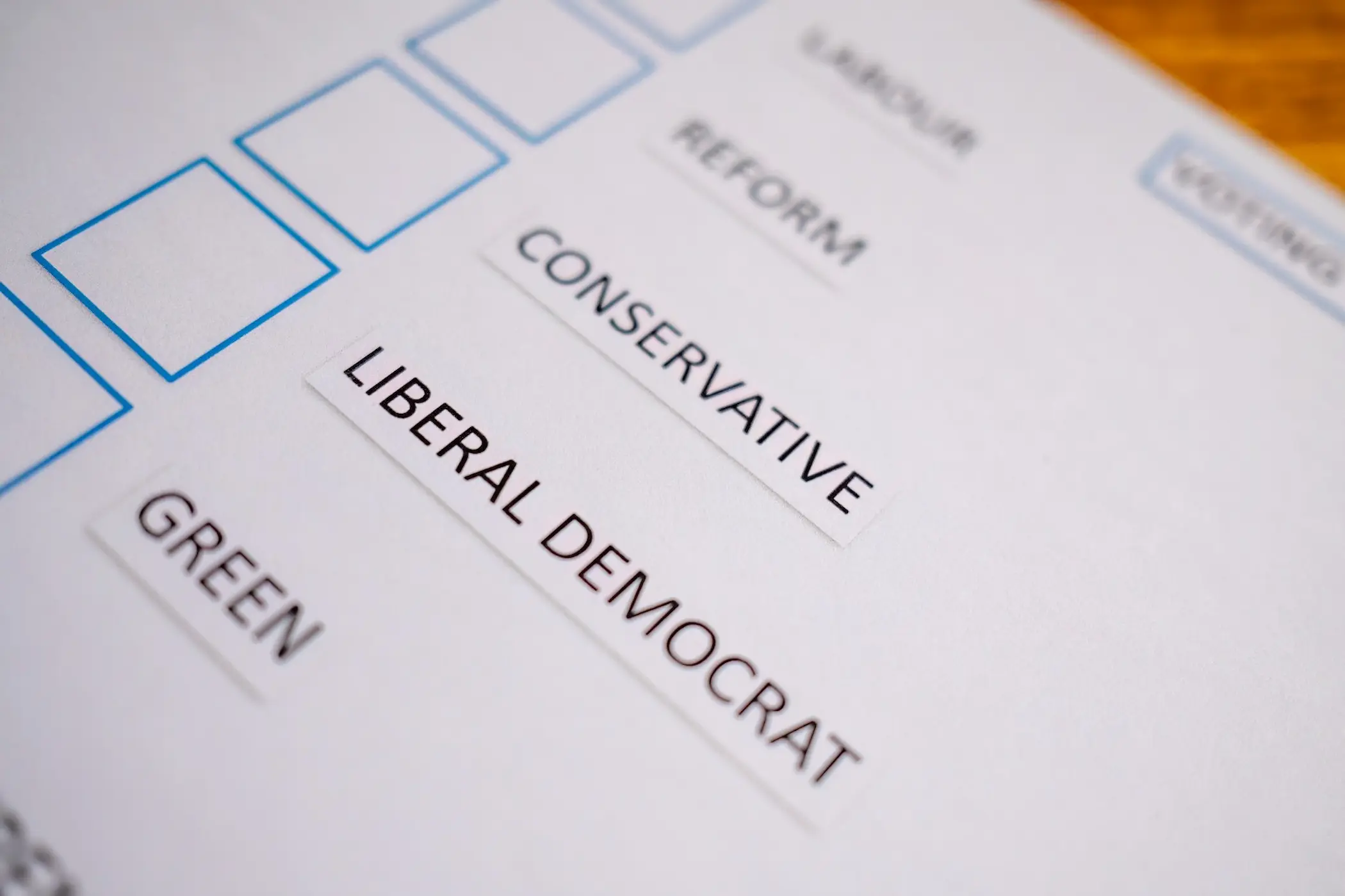
Since Brexit, the United Kingdom (UK) has been experiencing a governance issue, as the Conservative Party suffered from instability due to numerous leadership changes, while the recently elected Labour Party lacks the ambition and confidence needed to effectively govern. Combined with the shocks stemming from Brexit, COVID-19, and the Russia-Ukraine War, the UK has experienced economic stagnation and the deterioration of public services, which has resulted in British nationals migrating abroad.   One of these locations is the UAE, more specifically, Dubai. There are approximately 240,000 British nationals currently living in Dubai, with more to join as there was a 420% increase in internet searches in the UK centered on moving to Dubai. Those are staggering statistics, and the number is only going to grow as more British nationals across the socio-economic spectrum continue to migrate to Dubai. However, the reasons explaining British migration to Dubai are not as simple as lower taxes, security, and great weather. One can argue the rise of British migration to Dubai can be attributed to a desire to break from a ridged class system, declinism, and emotional turmoil brought on by the cost-of-living crisis.
What If: Global AI Systems Collapsed Overnight?
Programmes
1 Dec 2025

What If: Global AI Systems Collapsed Overnight?

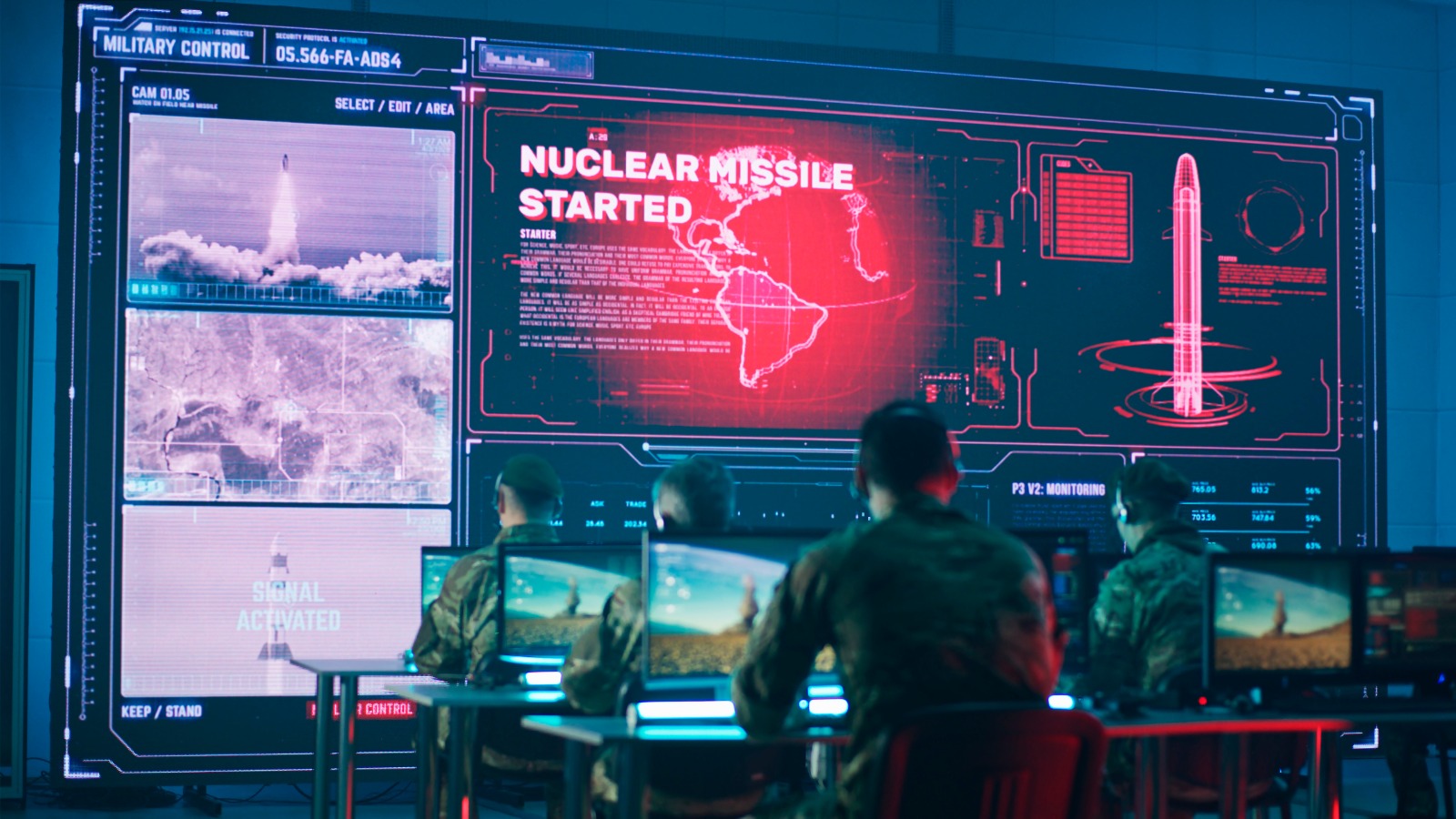
Artificial intelligence systems and data centres have increasingly become an integral part of modern day society. A KPMG survey focused on AI use found that 66% of respondents use AI for work and personal reasons, of which 38% of respondents claim to use AI on a daily or weekly basis and 28% use it semi-regularly. According to these results, a majority of the respondents rely on AI to carry out day to day functions whether it be for work, study, or personal reasons. Moreover, the reliance on AI has been extended to governments, global financial systems, and states, as these entities rely on AI systems to improve efficiency and speed of services provided. This shows how AI has become integrated into the fabric of global society.   Now imagine one day all AI systems and programs cease to function. While the chances of such an event happening are low, it is not impossible and the consequences of being overly reliant on AI systems can be devastating. The consequences of a global AI shutdown will impact the global economy as well as global geopolitics, which could lead to trillions disappearing from the stock market and national security disasters across the globe.