

Programmes
13 Aug 2026
When Global Competition Becomes about Indispensability
Countries are increasingly shifting toward making themselves indispensable in a specific area. China controls rare-earth minerals, Taiwan pioneers in semiconductor manufacturing, the United States leads in artificial intelligence and advanced technologies, and the Gulf, particularly the UAE, positions itself as a global logistics hub.
This new era introduces the concept of “strategic irreplaceability or indispensability”, in which countries no longer focus solely on maximizing their national power but instead become experts in a specific field, making them an indispensable bottleneck in the global system.
Programmes
30 Apr 2026
The Geography Game: Why Washington Is Seeking Control of Islands
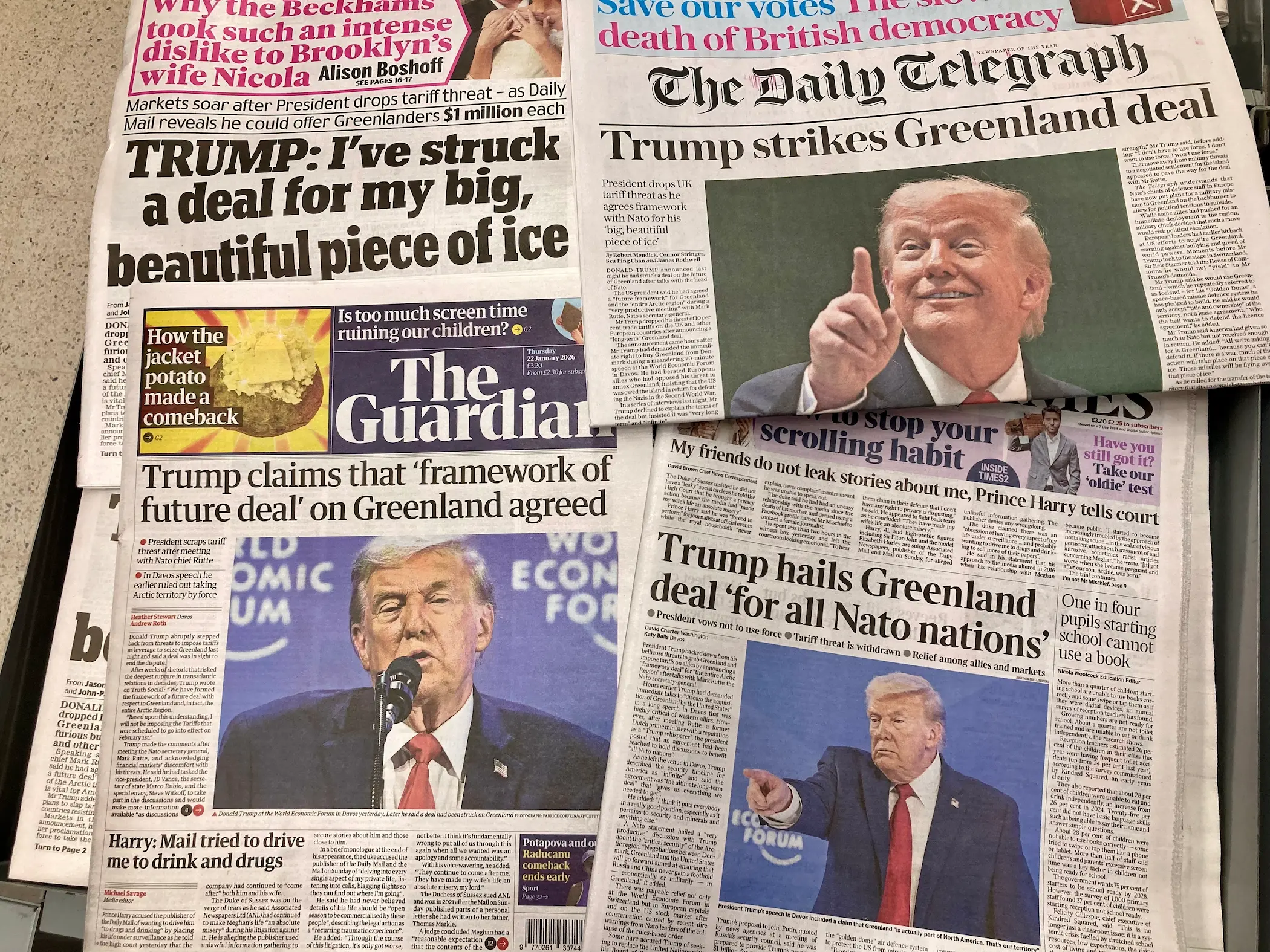
Recent developments point to a discernible shift in U.S. foreign policy, as Washington moves away from traditional international principles towards a more pragmatic, interest-driven approach. Within this evolving framework, islands and narrow maritime chokepoints have gained renewed strategic prominence as critical instruments of influence. No longer viewed as remote geographic outposts, islands are increasingly regarded as pivotal assets for securing energy flows, safeguarding supply lines, and controlling maritime navigation. This shift reflects a broader strategic intent to assert effective control over key geographic positions in order to sustain military presence, expand economic influence, and command the vital corridors through which global trade flows.
This heightened focus on islands in current U.S. policy reflects a strategic mindset that tightly links geography, military presence, and sovereignty. Within this framework, geographic locations are treated as assets that can be leveraged through acquisition or utilised as instruments of pressure and bargaining. In this context, islands are seen as discrete, manageable nodes that can be secured or defended to project influence across wider regions. This approach is evident in the handling of territories such as Greenland, Kharg Island, the Chagos Archipelago, and the Falkland Islands during Donald Trump's presidency. Against this backdrop, the present analysis seeks to unpack the geopolitical foundations and strategic drivers shaping the Trump administration’s approach to islands, positioning them as central instruments in the reconfiguration of American influence.

Programmes
11 Feb 2026
The GCC and the Future of the Rare Earths and Critical Minerals Race
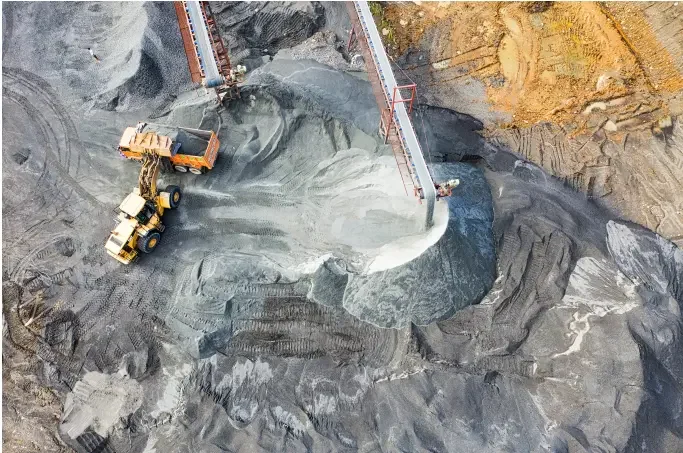
China is a dominant player in the rare earths and critical minerals industry. As of 2025, China is in control of “…about 61% of rare earth production and 92% of their processing”, meaning China monopolized the rare earths and critical minerals industry. While China dominates this industry, countries have been aiming to bolster their own rare earth and critical mineral ambitions to reduce their reliance on China as a supplier of raw materials and processed products. For example, GCC countries, in line with their 2030 visions, have increased their investments in the mining and processing of these elements to diversify their economies and become suppliers in an industry dominated by China. This analysis aims to assess the emergence of the GCC as a rare earths and critical minerals supplier, which will be done by analyzing the reasons and feasibility for GCC involvement in this industry as well as understanding the challenges these countries face in their entry into the market.
Programmes
15 Feb 2023
Rare Earth Elements: Uses and Implications of New Discoveries
Rare earth elements (REEs) are a group of 17 elements that are crucial for the production of a wide range of high-tech products. Ironically, REEs are not “rare” and are found abundantly throughout the world, however, when found they are in such low concentrations that extraction is not feasible. Furthermore, when found in higher concentrations they must be separated from other elements, a process that is both environmentally and financially costly.
REEs are vital for several industries and are used in electronics, military technology, and most importantly, renewable energy. Although substitutes exist for REEs with producers attempting to replace them, REEs continue to be more effective, therefore, given their importance in the production of renewable technologies such as wind turbines and electric vehicles, demand is expected to increase, with the European Union (EU) alone expecting REEs needs to increase fivefold as it and the rest of the world transitions to net-zero.
Currently, China dominates the global REEs market, accounting for over 35% of the world’s REEs reserves and 70% of production. China's domination of the REEs market has raised concerns over supply chain security, dependence on China, and China’s use of REEs as a political bargaining piece; such as when it cut exports to Japan following the arrest of a Chinese sailor by Japan. Recently, discoveries of REE deposits in Norway and Sweden have made headlines. The discoveries could have the potential to disrupt the market and have far-reaching implications.