

Programmes
4 Oct 2026
Food or Fuel: The Implications of Biofuels for Global Food Security
The international system faces complex geostrategic pressures that place global supply chains under unprecedented strain. Escalating military tensions, particularly disruptions to shipping through the Strait of Hormuz, are putting pressure on oil and liquefied natural gas flows. In 2025, this passage carried around a quarter of seaborne oil trade and 19% of global trade in liquefied natural gas. These developments coincide with a shift in the Russia–Ukraine conflict towards attacks on energy infrastructure, alongside tighter restrictions on Black Sea shipping and disruptions to key export routes for strategically important grains. This convergence leaves the world caught between declining oil supplies and restricted access to part of the available food supply, complicating procurement and threatening the foundations of national security.
Faced with these shortages and rising shipping costs, some major powers and emerging economies are expanding biofuel production as an instrument of national policy to ease the energy crisis, alongside pursuing environmental objectives and supporting agricultural production. Agricultural producer countries are consequently choosing to redirect part of their strategic crop output, including maize, sugar cane and palm oil, towards biofuel plants to meet transport needs. This analysis advances the hypothesis that expanding biofuels derived from food crops may heighten the vulnerability of importing countries when demand growth outstrips the capacity of production and stocks to accommodate it, while trade policies restrict exportable supplies. The scale of this effect depends on the feedstocks used, the volume diverted and the responsiveness of production. It does not apply to the same extent to fuels produced from agricultural residues or used oils.
Import-dependent countries, particularly in the Middle East and Africa, may bear the cost of these pressures through diminished food security and domestic stability. An inability to secure food can, in this context, undermine social stability and signal the risk of political crises whose severity varies according to institutional effectiveness and the capacity to protect the most vulnerable groups. This complex situation poses an urgent question: how far can importing countries withstand the convergence of energy and food policies, and what protective mechanisms can safeguard their national security as competition intensifies between the use of crops for food and for fuel?
Programmes
30 Apr 2026
The Geography Game: Why Washington Is Seeking Control of Islands
Recent developments point to a discernible shift in U.S. foreign policy, as Washington moves away from traditional international principles towards a more pragmatic, interest-driven approach. Within this evolving framework, islands and narrow maritime chokepoints have gained renewed strategic prominence as critical instruments of influence. No longer viewed as remote geographic outposts, islands are increasingly regarded as pivotal assets for securing energy flows, safeguarding supply lines, and controlling maritime navigation. This shift reflects a broader strategic intent to assert effective control over key geographic positions in order to sustain military presence, expand economic influence, and command the vital corridors through which global trade flows.
This heightened focus on islands in current U.S. policy reflects a strategic mindset that tightly links geography, military presence, and sovereignty. Within this framework, geographic locations are treated as assets that can be leveraged through acquisition or utilised as instruments of pressure and bargaining. In this context, islands are seen as discrete, manageable nodes that can be secured or defended to project influence across wider regions. This approach is evident in the handling of territories such as Greenland, Kharg Island, the Chagos Archipelago, and the Falkland Islands during Donald Trump's presidency. Against this backdrop, the present analysis seeks to unpack the geopolitical foundations and strategic drivers shaping the Trump administration’s approach to islands, positioning them as central instruments in the reconfiguration of American influence.
Programmes
27 Apr 2026
Engines of War: Why the Automotive Sector Is the Fastest to Pivot to Military Production
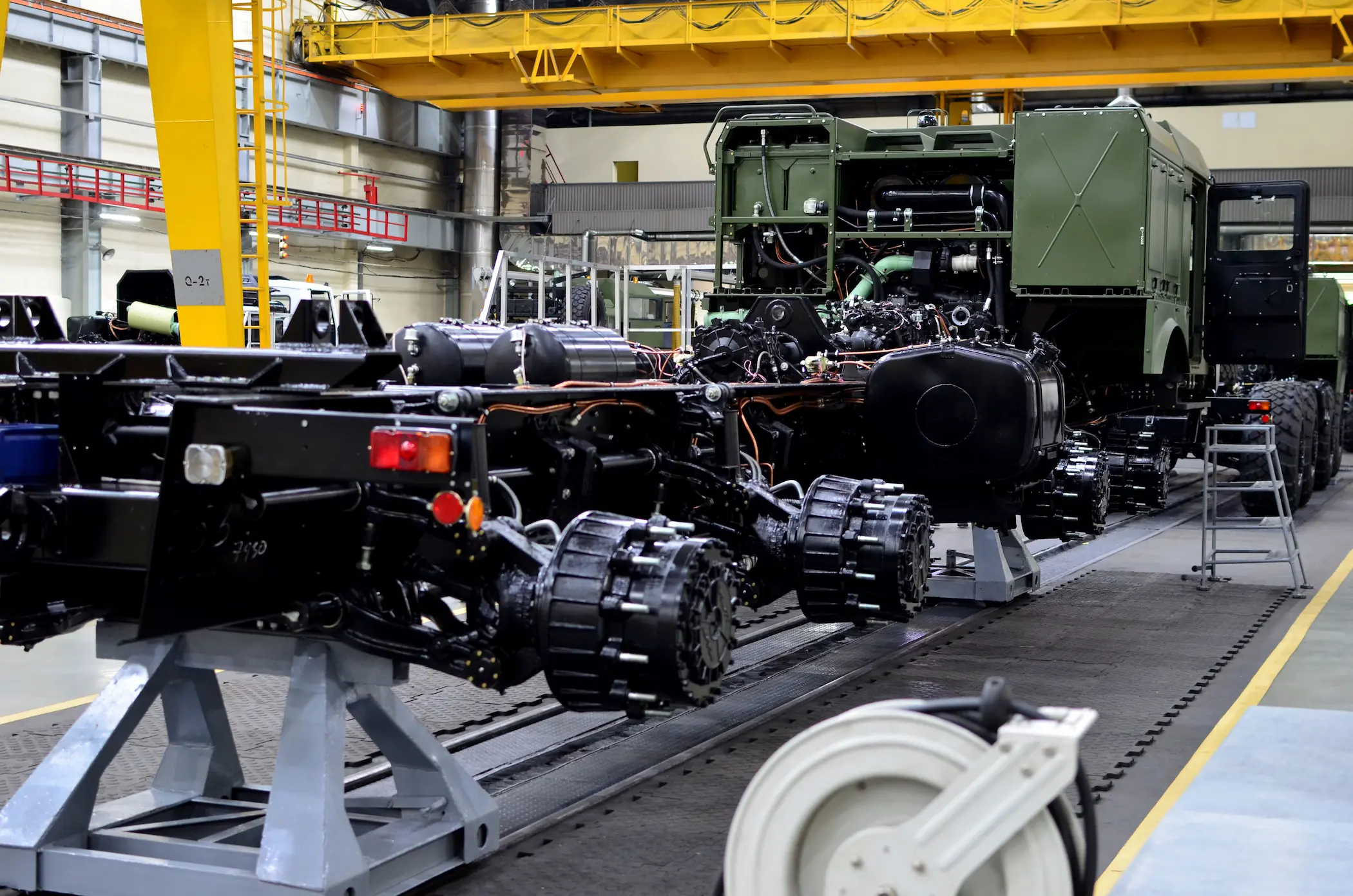
Modern patterns of armed conflict are shifting from time-limited operations reliant on advanced, low-volume technologies to protracted confrontations driven by industrial attrition and the large-scale deployment of autonomous systems. This transition exposes critical deficiencies in the traditional defence industrial base's production capacity. As munitions stockpiles decline amid ongoing conflicts in Eastern Europe and the Middle East, military assessments increasingly identify manufacturing capability, supply chain resilience, and the speed of industrial mobilisation as decisive factors in strategic competition, alongside technological innovation.
In response to these dynamics, national security institutions are moving to reactivate historically grounded models that integrate the commercial manufacturing sector into military production. This approach was notably deployed during the Second World War, when Ford Motor Company redirected its civilian production lines to manufacture bombers, Chrysler Corporation established dedicated facilities for tank production, and General Motors allocated its industrial capacity to the production of aircraft engines and munitions.
The current operational environment demands a sustained supply of conventional mechanical platforms and expendable systems, including unmanned aerial vehicles and sensor-equipped tactical vehicles. As battlefield requirements increasingly outpace the production capacity of defence manufacturers, the automotive sector emerges as a uniquely positioned industrial base, combining large-scale output with advanced mechanical engineering capabilities. This reality necessitates a focused assessment of the structural and technical attributes that make it the most viable sector for rapid conversion to support military production.

Programmes
31 Mar 2026
What If: The Houthis Close Bab el-Mandeb?
The United States–Israel–Iran war, which began with a set of vaguely defined objectives including regime change in Iran and the dismantling of its missile and nuclear capabilities, now appears to be shifting toward a different set of priorities. Iran has managed to internationalise the conflict in a way that has redirected attention toward containing the scale of global economic disruption. Put simply, the focus is increasingly on securing the flow of oil amid what is being described as one of the most severe energy crises in modern history. Much of the world’s attention has centred on the Strait of Hormuz, and rightly so. This vital shipping lane accounts for roughly 20% of global liquid petroleum consumption, as well as a significant share of global liquefied natural gas trade (LNG). However, with the Iran-backed Yemeni Houthis now entering the conflict, the risks facing regional oil exports and maritime routes have intensified further. As the de facto controllers of the Bab al-Mandeb Strait, the Houthis are in a position to disrupt shipping through the Red Sea and the Gulf of Aden.
This raises several critical questions. Why have the Houthis chosen this moment to enter the war? Under what conditions might they escalate their involvement? And what would be the consequences of a closure of the strait?

Programmes
15 Mar 2026
Strait of Hormuz Closure: How Middle Eastern Crises Are Reshaping the Global Nuclear Energy Landscape
The United States and Israel launched Operation Epic Fury in late February 2026, targeting Iran’s nuclear and missile infrastructure and seeking to remove its political leadership. Although the operation achieved its initial tactical objectives with high precision, it provoked an asymmetric retaliatory response from the remaining Iranian forces. This response took the form of a comprehensive blockade of the Strait of Hormuz, the world’s most critical maritime artery for energy transport, triggering a severe global economic shock. Such disruption could propel the international system towards reducing its reliance on fossil fuels and accelerating the adoption of alternative domestic energy solutions, most notably nuclear power.
At the same time, global electricity demand is rising sharply, driven by the rapid expansion of advanced artificial intelligence infrastructure and high-performance computing facilities. This sudden disruption of fuel supplies places policymakers in major industrial economies under immediate economic and security pressures, while simultaneously exposing the profound consequences of closing the Strait. In this context, the present analysis examines the repercussions of the Strait of Hormuz's closure on global supply chains. It then develops a historical comparison with the oil price shocks of the 1970s, illustrating how those crises redirected states towards nuclear technology. The study concludes by analysing emerging regulatory and financial measures, as well as new geopolitical alignments, that are accelerating the global drive to construct nuclear reactors in 2026.
Programmes
20 Feb 2026
China’s Tariff-Exemption Policy for Africa: Drivers and Outcomes
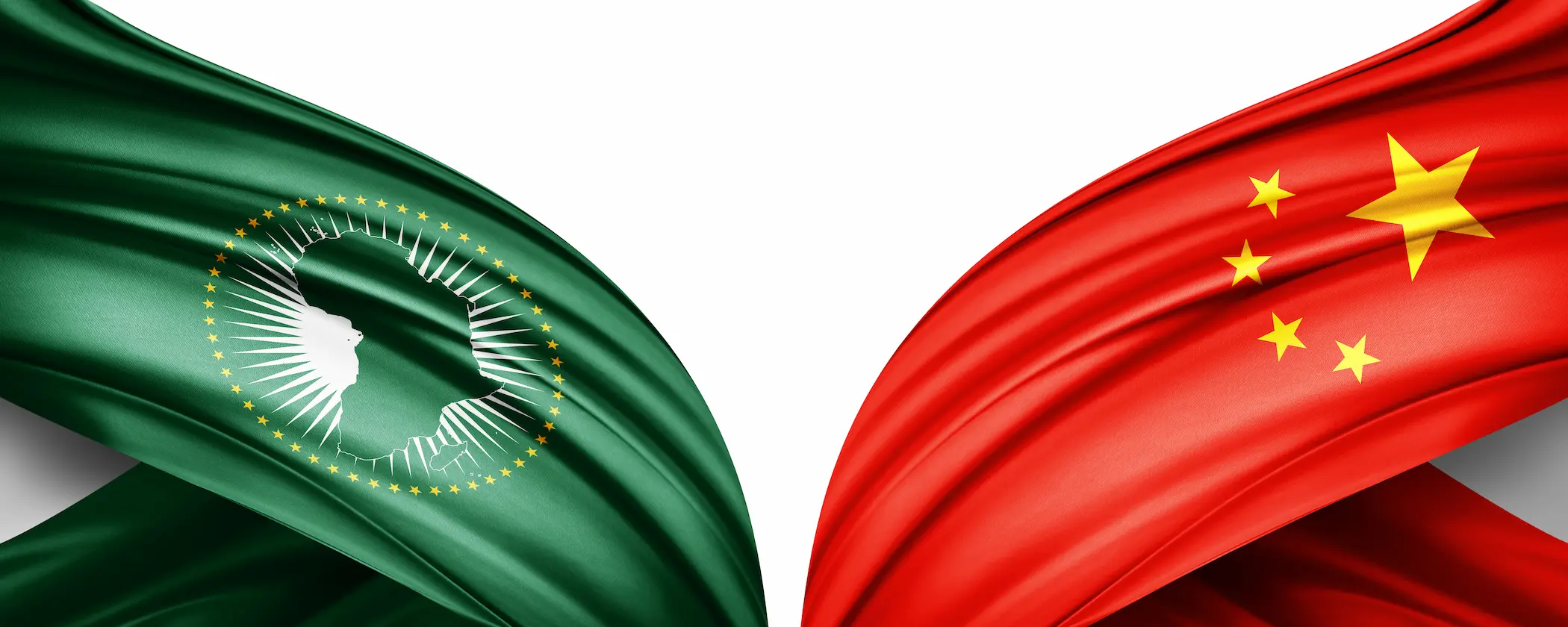
The Chinese Government, on Feb. 14, 2026, issued decisions abolishing 100% of customs duties on exports from 53 African countries. This step marks a significant shift in the trajectory of Beijing’s historic relationship with the African continent. This relationship began 70 years ago with major infrastructure ventures such as the construction of the Tazara Railway in the 1970s. It gradually evolved into an increasingly intricate framework of reciprocal economic integration.
This evolution has been reflected in the substantial expansion of bilateral trade, which reached a historic high of USD 348.1 billion in 2025, with annual growth of 17.7%. Through this new tariff-exemption framework, Beijing is voluntarily relinquishing approximately USD 1.4 billion in annual customs revenue upon the regime’s implementation, a move that constitutes a long-term geoeconomic investment aimed at reinforcing the stability of supply chains. This shift may reshape the global trade landscape and further position the African continent at the centre of intensifying competition for industrial resources and clean-energy technologies.
Accordingly, this analysis examines the strategic dimensions of this new trade regime by focusing on the updated structural dynamics of bilateral trade and their actual impact on Africa’s trade balance; the global competition to secure supply chains for critical minerals and the resulting implications for local industrialisation ambitions; and, finally, an assessment of the countervailing economic and political strategies adopted by Western blocs as they seek to reposition themselves and respond to expanding influence across the continent.
Programmes
7 Feb 2026
Transformations in the Uranium Enrichment Market and the Future of Global Energy
Since 2023, the uranium enrichment market has undergone its most profound structural transformation since the advent of the civilian nuclear era. After three decades characterised by persistent oversupply and the integration of Russian inventories with Western reactor fleets, the sector, valued at approximately $15.5 billion in 2025, now confronts a fundamentally altered geopolitical landscape. stems primarily from the fact that nearly 95% of global enrichment capacity is controlled by just four entities, placing Western supply chains under complex logistical and political pressures.
Central to this transformation is the evolution of what is known as the Separative Work Unit (SWU) from a readily available commodity into a strategic bottleneck capable of redrawing global energy maps. The market has shifted rapidly from a buyer-dominated structure to one characterised by seller leverage, amid an intensifying race to secure fuel for both conventional reactors and small modular reactors (SMRs), which require advanced uranium grades for which Western markets lack adequate commercial infrastructure.
Accordingly, this analysis explores the contours of the new enrichment landscape, examining the principal actors and evolving pricing dynamics, while projecting the profound implications of this transformation for global energy security.
Programmes
19 Jun 2025
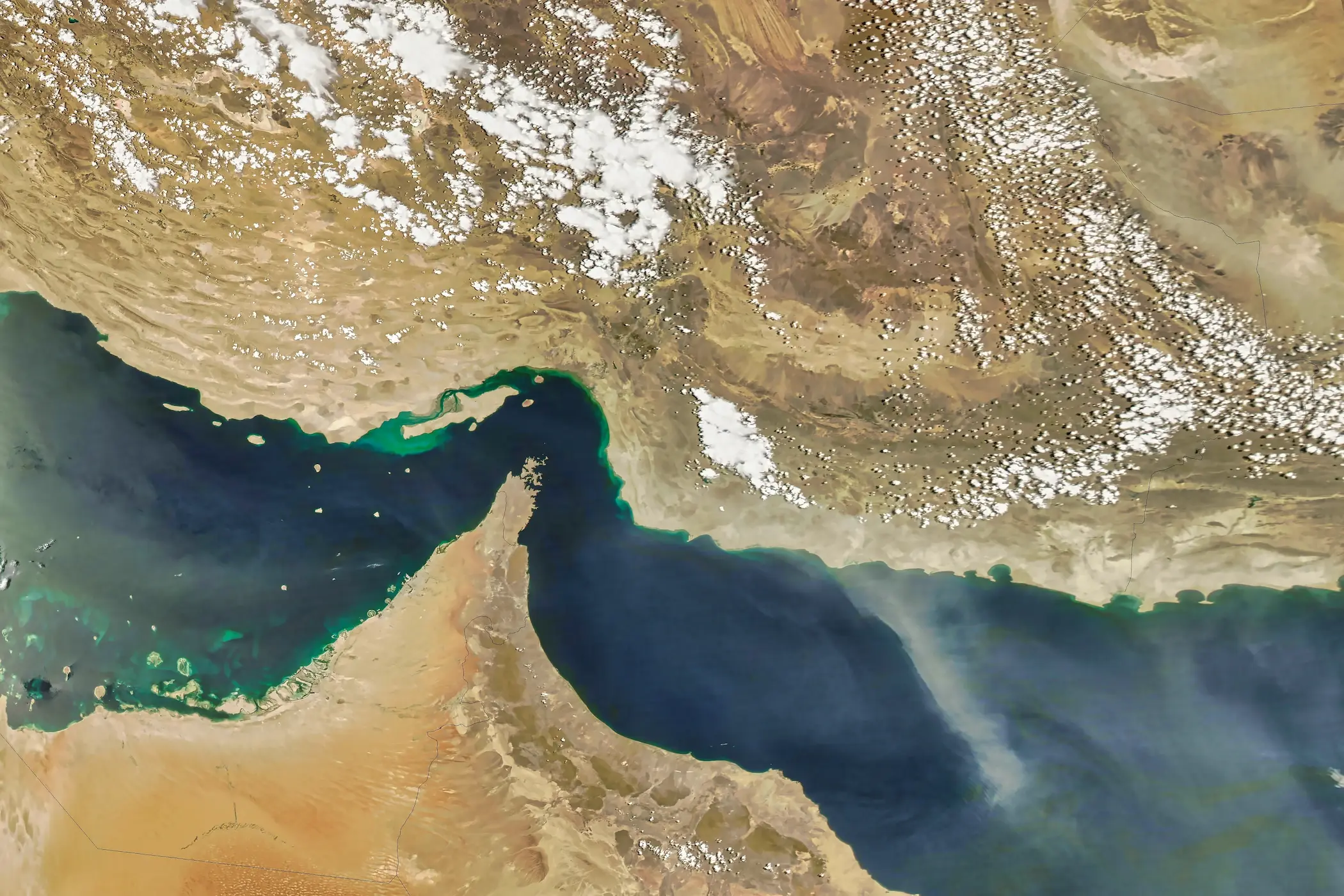
What If: Iran Closed the Strait of Hormuz?
The Strait of Hormuz – a narrow, indispensable artery through which nearly a fifth of the world’s oil and a third of its liquefied natural gas (LNG) flows– stands on a cliff. As geopolitical tensions intensify across the Middle East, fuelled by escalating Iran-Israel tensions and the shadow of direct United States (U.S.) involvement, the once-unthinkable threat of its closure looms larger than ever with Iran’s threat to close or block the Strait. In spite of the catastrophic global implications of such an act, the volatile depths of this potential crisis will be explored, unravelling the motives that could push Iran to choke this global lifeline, exposing the monumental security and geopolitical fallout, and revealing the catastrophic economic shockwave that would consume nations far beyond the region.