

Programmes
4 Oct 2026
Food or Fuel: The Implications of Biofuels for Global Food Security
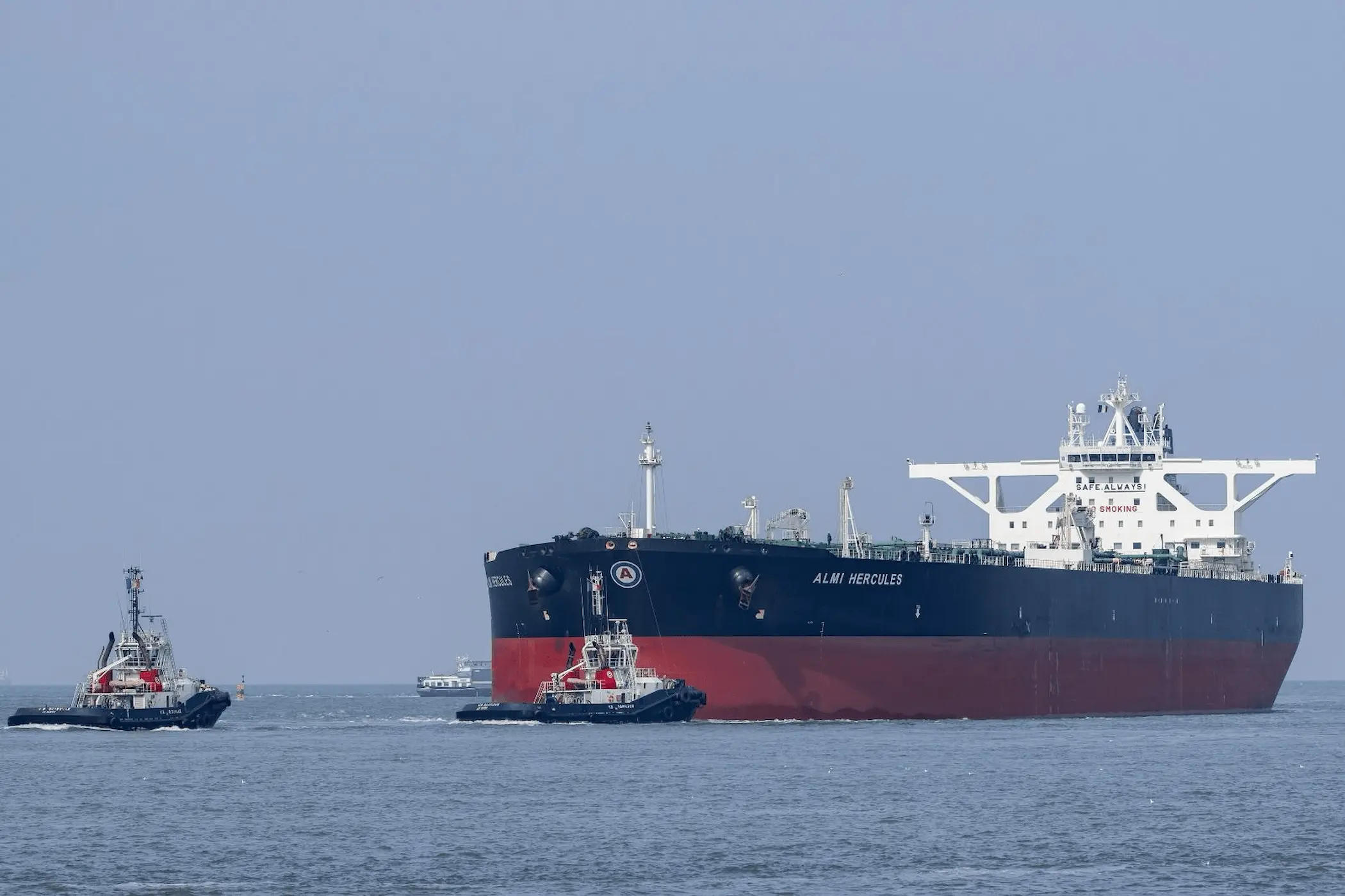
The international system faces complex geostrategic pressures that place global supply chains under unprecedented strain. Escalating military tensions, particularly disruptions to shipping through the Strait of Hormuz, are putting pressure on oil and liquefied natural gas flows. In 2025, this passage carried around a quarter of seaborne oil trade and 19% of global trade in liquefied natural gas. These developments coincide with a shift in the Russia–Ukraine conflict towards attacks on energy infrastructure, alongside tighter restrictions on Black Sea shipping and disruptions to key export routes for strategically important grains. This convergence leaves the world caught between declining oil supplies and restricted access to part of the available food supply, complicating procurement and threatening the foundations of national security.
Faced with these shortages and rising shipping costs, some major powers and emerging economies are expanding biofuel production as an instrument of national policy to ease the energy crisis, alongside pursuing environmental objectives and supporting agricultural production. Agricultural producer countries are consequently choosing to redirect part of their strategic crop output, including maize, sugar cane and palm oil, towards biofuel plants to meet transport needs. This analysis advances the hypothesis that expanding biofuels derived from food crops may heighten the vulnerability of importing countries when demand growth outstrips the capacity of production and stocks to accommodate it, while trade policies restrict exportable supplies. The scale of this effect depends on the feedstocks used, the volume diverted and the responsiveness of production. It does not apply to the same extent to fuels produced from agricultural residues or used oils.
Import-dependent countries, particularly in the Middle East and Africa, may bear the cost of these pressures through diminished food security and domestic stability. An inability to secure food can, in this context, undermine social stability and signal the risk of political crises whose severity varies according to institutional effectiveness and the capacity to protect the most vulnerable groups. This complex situation poses an urgent question: how far can importing countries withstand the convergence of energy and food policies, and what protective mechanisms can safeguard their national security as competition intensifies between the use of crops for food and for fuel?
Programmes
23 Jul 2026
Closure Upon Closure: The Potential Impact of Houthi Threats to Saudi Shipping at Bab al-Mandeb
The events of 2026 have placed global energy markets before an unprecedented test of their resilience. When the effective closure of the Strait of Hormuz in February removed roughly 13 million barrels per day (mb/d) from available supply, Saudi Arabia redirected most of its exports westward to the Red Sea — only to find that outlet itself imperiled when, on 20 July, the Houthis threatened a naval blockade of the Bab al-Mandeb strait aimed squarely at Saudi shipping. For the first time in its modern history, the Kingdom's oil found itself exposed between the two maritime corridors it straddles, and the question “What if navigation through Bab al-Mandeb is severed?” shifted from a theoretical exercise to an operational probability. The answer, however, is not a single figure: it hinges on the scale of the shortfall, the nature of the cargo held back, and the market's capacity to reroute it.
This analysis therefore sets out to quantify the impact of a Bab al-Mandeb closure across three graduated halt scenarios; to unpack the mechanism by which the shock travels from cargo entrapment to a price spike; to trace its non-price consequences for refined products, aviation, and maritime shipping; and to arrive at the fiscal paradox that leaves the gravest harm to Saudi Arabia latent in the intermediate scenario rather than the full halt.
Publications
30 Jun 2026
The Direct and Indirect Cost of the 2026 US-Israel War on Iran
The Al Habtoor Research Centre (AHRC) presents a groundbreaking, equation-based assessment analysing the direct and indirect social and economic resource costs of the 110-day conflict that began on February 28, 2026. Utilising an advanced conflict economics framework—including the Stiglitz-Bilmes convention and counterfactual synthetic controls—this research delivers an unprecedented, exclusive analysis of the financial burdens borne by the belligerents and the wider global economy. The headline finding is one of profound asymmetry, proving that recovery capacity, rather than the size of the initial kinetic blow, dictates the medium-term cost of modern warfare. The largest financial burden fell on the global economy, specifically non-belligerent, bystander oil-importing nations, totalling an estimated $1.41 trillion by 2030. Triggered by the 110-day closure of the Strait of Hormuz, this true burden lies in unproduced global output rather than the temporary oil-price spike, which ultimately nets to zero globally. Among the combatants, Iran absorbed an existential, structural blow equivalent to roughly 81% of its pre-war output, costing $305 billion by 2030, or $720 billion on a purchasing-power parity (PPP) basis. Locked out of international capital markets, its output gap fails to close by the end of the decade, triggering a step down to a permanently lower economic path. In contrast, the United States faces a heavily back-loaded bill ranging from $200 billion to $1.1 trillion by 2030. While structurally insulated from the immediate oil shock due to its net energy exporter status, this massive range in projections depends on whether standard cash-budgeting or full multi-decade liabilities—such as veteran care, war-debt interest, and budget ratchets—are present-valued. Meanwhile, Israel sustained a sharp but recoverable macroeconomic shock of $135 billion by 2030, equal to roughly a quarter of a single year's GDP. Advanced air defense mitigated physical destruction, concentrating the cost instead on reserve mobilisation, interception economics, and a transient output gap. Ultimately, this exclusive analysis details how the poorest bystander nations subsidised the conflict's macro cost, marking the 2026 war as one of the most economically disruptive events of the century.
Programmes
15 Apr 2026
From Doha to Washington: How Hormuz Redrew Global Gas Supply Chains
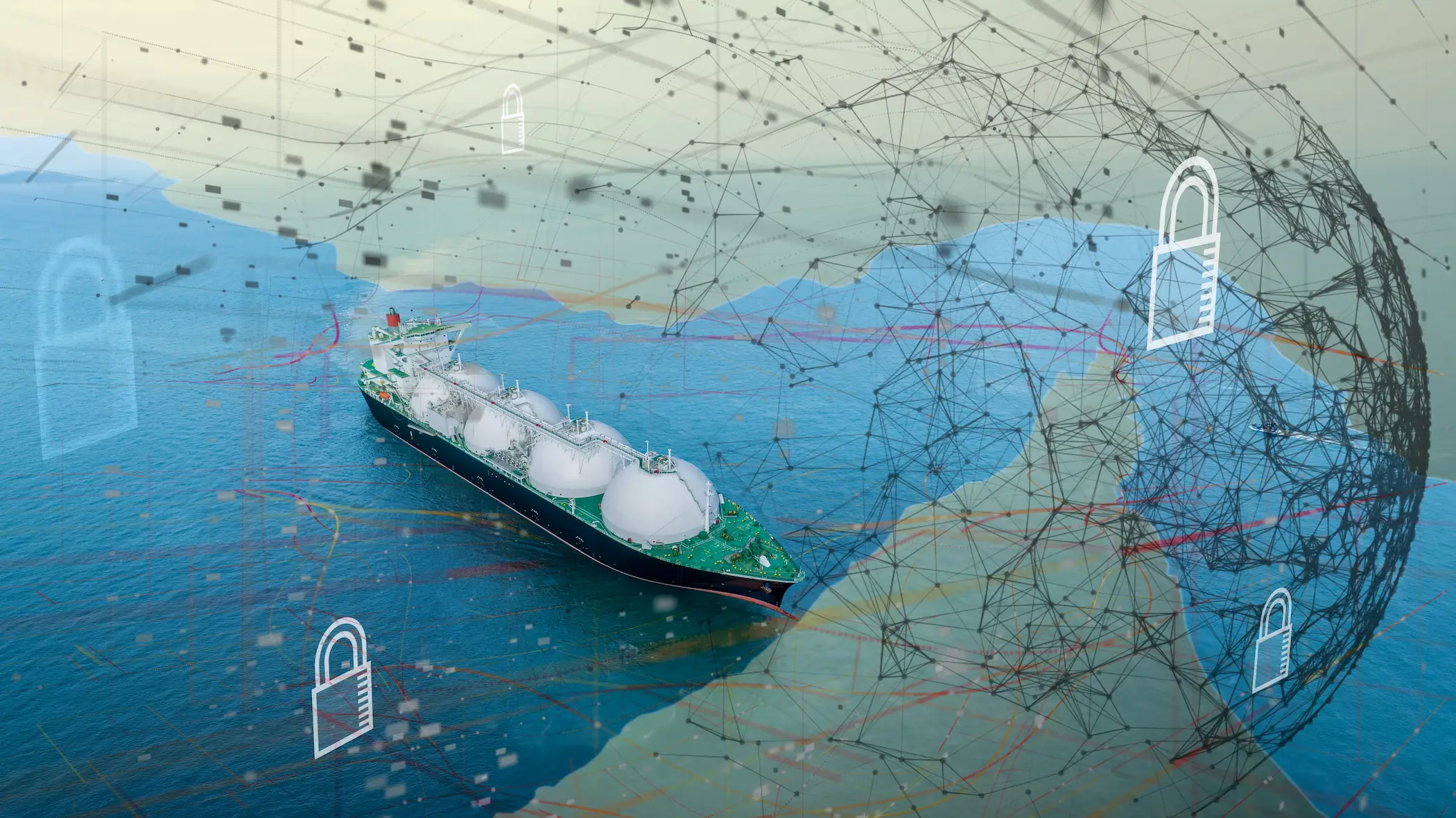
At the outset of 2026, the global natural gas market underwent a profound structural shift that eroded much of the stability built over years of rebalancing in the aftermath of the 2022 European energy crisis. Markets had been advancing towards a phase of relative supply abundance, underpinned by expanding liquefaction capacity in the United States (US) and large-scale Qatari projects. This trajectory was abruptly reversed on Feb. 28, 2026, when Operation Epic Fury triggered the most severe energy shock to confront the international system in decades. The US-Israel-Iran War and the closure of the Strait of Hormuz, removed nearly one-fifth of global liquefied natural gas supply from circulation within days.
This paper analyses the structural transformations in the global natural gas market induced by the crisis, tracing supply and demand dynamics before and after the outbreak of the conflict. It further evaluates the implications for key actors within the international energy system, including countries most exposed to global gas market volatility, such as Egypt and Jordan.

Programmes
13 Apr 2026
Blank Rounds: Can Trump Blockade the Strait of Hormuz?
President Donald Trump announced that the United States will impose a naval blockade on the Strait of Hormuz after weekend talks to end the Iran war collapsed without a settlement. The Islamabad negotiations, which were intended to turn a tenuous ceasefire into a durable peace and reopen Hormuz to safe navigation, broke down over unresolved disputes on nuclear enrichment, sanctions relief, and control of maritime transit. In response, Trump issued an executive order directing the US Navy to interdict any vessel attempting to transit the strait, with particular focus on neutral and commercial ships that have paid Iranian transit tolls, which the White House now characterises as an illegal extortion regime rather than a lawful fee regime.
Trump’s declaration instantly elevates the conflict from a regional shooting war to a global maritime and energy crisis centred on the world’s most critical oil chokepoint, a waterway just twenty‑one nautical miles across at its narrowest. By pledging to enforce a blockade without United Nations Security Council authorisation, the president has pushed the United States into a legally and operationally contested grey zone, framing the move as necessary to dismantle the Islamic Revolutionary Guard Corps’ grip over the strait and sever a key stream of cryptocurrency and foreign-exchange revenue to Tehran. The administration’s strategy now hinges on whether US naval power, layered secondary sanctions, and sustained diplomatic pressure can actually sustain a prolonged blockade in the face of Iranian asymmetric deterrence. The following analysis, therefore, centers on Trump’s blockade order itself: its operational viability, Iran’s capacity to erode or break it through asymmetric tactics, and the resulting shockwaves for global energy markets, commercial shipping patterns, and regional economic stability.
Programmes
15 Mar 2026
Strait of Hormuz Closure: How Middle Eastern Crises Are Reshaping the Global Nuclear Energy Landscape
The United States and Israel launched Operation Epic Fury in late February 2026, targeting Iran’s nuclear and missile infrastructure and seeking to remove its political leadership. Although the operation achieved its initial tactical objectives with high precision, it provoked an asymmetric retaliatory response from the remaining Iranian forces. This response took the form of a comprehensive blockade of the Strait of Hormuz, the world’s most critical maritime artery for energy transport, triggering a severe global economic shock. Such disruption could propel the international system towards reducing its reliance on fossil fuels and accelerating the adoption of alternative domestic energy solutions, most notably nuclear power.
At the same time, global electricity demand is rising sharply, driven by the rapid expansion of advanced artificial intelligence infrastructure and high-performance computing facilities. This sudden disruption of fuel supplies places policymakers in major industrial economies under immediate economic and security pressures, while simultaneously exposing the profound consequences of closing the Strait. In this context, the present analysis examines the repercussions of the Strait of Hormuz's closure on global supply chains. It then develops a historical comparison with the oil price shocks of the 1970s, illustrating how those crises redirected states towards nuclear technology. The study concludes by analysing emerging regulatory and financial measures, as well as new geopolitical alignments, that are accelerating the global drive to construct nuclear reactors in 2026.
Programmes
10 Mar 2026
Where Does China Stand in the US-Israel-Iran War?
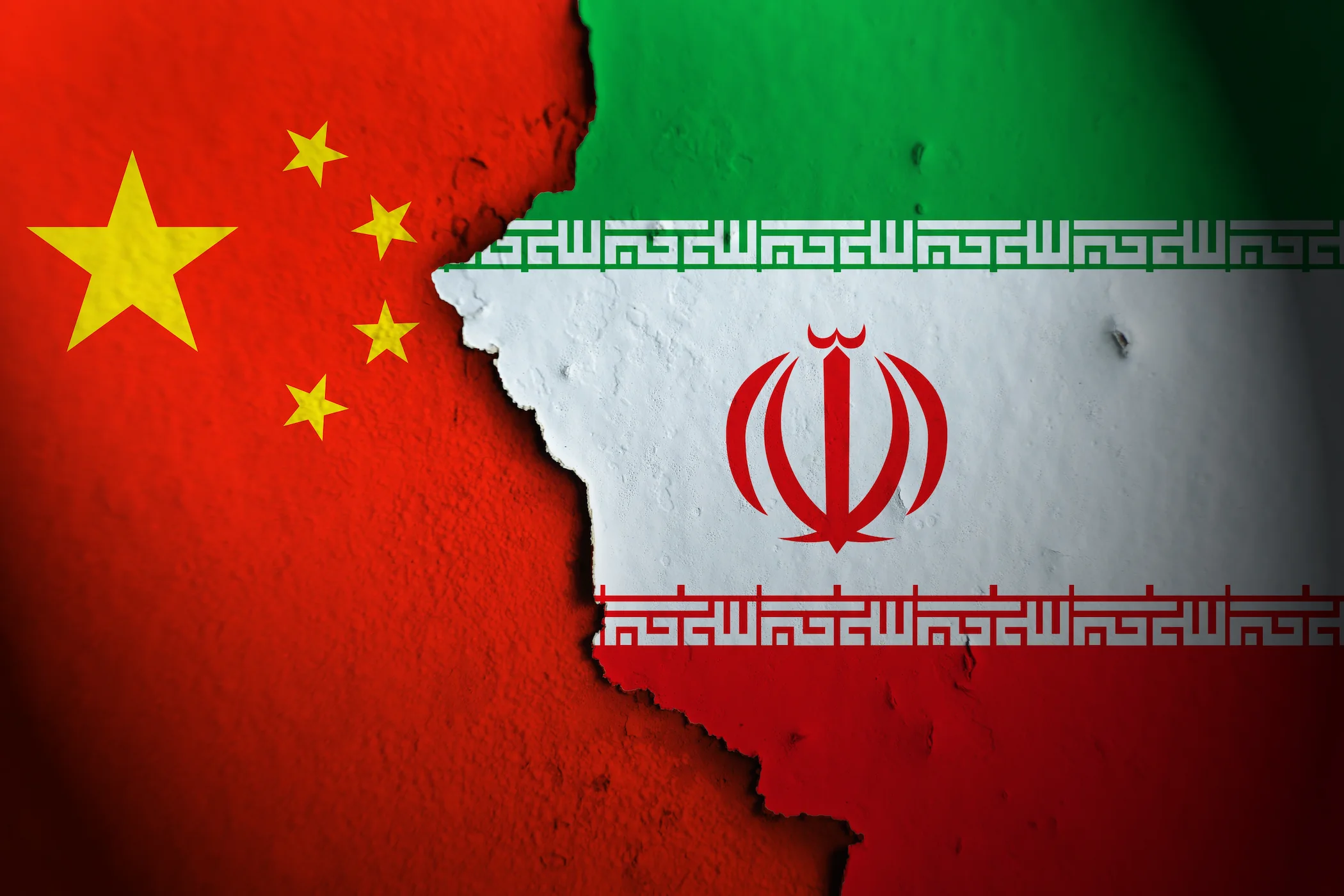
The U.S.-Israel and Iran War has affected the interests of many countries. In the last few days, China emerged as a significant player in these events. Beijing called for an immediate halt to the attacks by both sides and the protection of vessels passing through the Strait of Hormuz, culminating with the Chinese Foreign Minister Wang Yi pledging to send a special envoy to the Middle East for mediation.
Beijing has interconnected interests in the Middle East that are significantly affected by the war and will most likely reshape its strategic opportunities in the region, particularly in terms of energy security, trade routes, and diplomatic relations with key regional players. Beijing’s pragmatic foreign policy approach toward the region relies on protecting its economic interests and maintaining a strategic balance. So, the war could provide an opportunity for China to navigate new opportunities in the region and, consequently, expand its influence, particularly by strengthening ties with other oil-producing nations and increasing its investments in reconstruction efforts.
Likewise, China’s strategic partnership with Iran mainly revolves around oil supply and large-scale investments. The consequences of the war raise questions about the future of this relationship and the possibility that China may reshape its foreign policy toward Tehran if it faces a potential decline in Iran’s ability to sustain such interests as a result of the strain on its power after the war.

Programmes
7 Feb 2026
Transformations in the Uranium Enrichment Market and the Future of Global Energy
Since 2023, the uranium enrichment market has undergone its most profound structural transformation since the advent of the civilian nuclear era. After three decades characterised by persistent oversupply and the integration of Russian inventories with Western reactor fleets, the sector, valued at approximately $15.5 billion in 2025, now confronts a fundamentally altered geopolitical landscape. stems primarily from the fact that nearly 95% of global enrichment capacity is controlled by just four entities, placing Western supply chains under complex logistical and political pressures.
Central to this transformation is the evolution of what is known as the Separative Work Unit (SWU) from a readily available commodity into a strategic bottleneck capable of redrawing global energy maps. The market has shifted rapidly from a buyer-dominated structure to one characterised by seller leverage, amid an intensifying race to secure fuel for both conventional reactors and small modular reactors (SMRs), which require advanced uranium grades for which Western markets lack adequate commercial infrastructure.
Accordingly, this analysis explores the contours of the new enrichment landscape, examining the principal actors and evolving pricing dynamics, while projecting the profound implications of this transformation for global energy security.

Programmes
11 Aug 2025
Middle East in Energy Transition: From Stopgap to Global Architect
On July 28, 2025, during a joint press conference in Scotland with British Prime Minister Keir Starmer, U.S. President Donald Trump issued an unexpected ultimatum to Russia. He declared that the Kremlin had no more than 10 to 12 days (until approximately Aug. 8, 2025) to make tangible progress toward ending the war in Ukraine. Should Moscow fail to comply, Trump warned that President Vladimir Putin would face a sweeping package of economic sanctions and severe trade restrictions. This escalation came on the heels of prolonged diplomatic stagnation and Trump’s increasingly vocal frustration with Russia’s continued military operations.
Subsequently, on July 31, 2025, former Russian President and current Deputy Chairman of the Russian Security Council Dmitry Medvedev responded with a pointed and ominous message via his Telegram channel. In his remarks, he invoked the “Dead Hand”—Russia’s semi-automated nuclear retaliation system designed to launch a retaliatory strike even in the event of a complete decapitation of the nation’s leadership.
In response, President Trump ordered the deployment of two U.S. nuclear submarines to strategic positions, framing the move as a necessary precaution in the face of what he described as “extraordinarily dangerous” nuclear threats. Notably, he refrained from specifying whether the submarines were nuclear-powered only or also nuclear-armed—introducing deliberate strategic ambiguity and reinforcing the doctrine of pre-emptive deterrence through calibrated uncertainty.
What renders this sequence of events particularly significant is that the confrontation did not remain confined to the U.S. and Russia. Its repercussions quickly extended to India, which was thrust into the geopolitical crossfire. On July 31, the Trump administration announced the imposition of a 25% tariff on all Indian exports to the United States, accompanied by threats of further penalties targeting Indian firms that continue to purchase Russian crude oil or engage in defence cooperation with Moscow. The rationale behind this punitive action lies in New Delhi’s deepening energy relationship with Russia.
Although the Indian government has not officially announced any suspension of contracts with Russian suppliers, discreet directives were reportedly issued to state-owned refiners instructing them to explore alternative sources in the global spot market. This pivot has begun to materialize reflecting New Delhi’s attempt to maintain equilibrium between preserving its strategic autonomy and mitigating mounting U.S. pressure.
Yet the broader implications of this crisis extend well beyond geopolitical brinkmanship. What is unfolding is a systemic shock to the global order—one that is reverberating through energy markets, food security systems, arms trade corridors, and supply chains. The consequences will not be distributed evenly: while some Middle Eastern states stand to benefit from surging demand and price shifts, others may face acute vulnerabilities due to trade disruptions, inflationary pressures, or capital flight.
Programmes
19 Jun 2025
What If: Iran Closed the Strait of Hormuz?
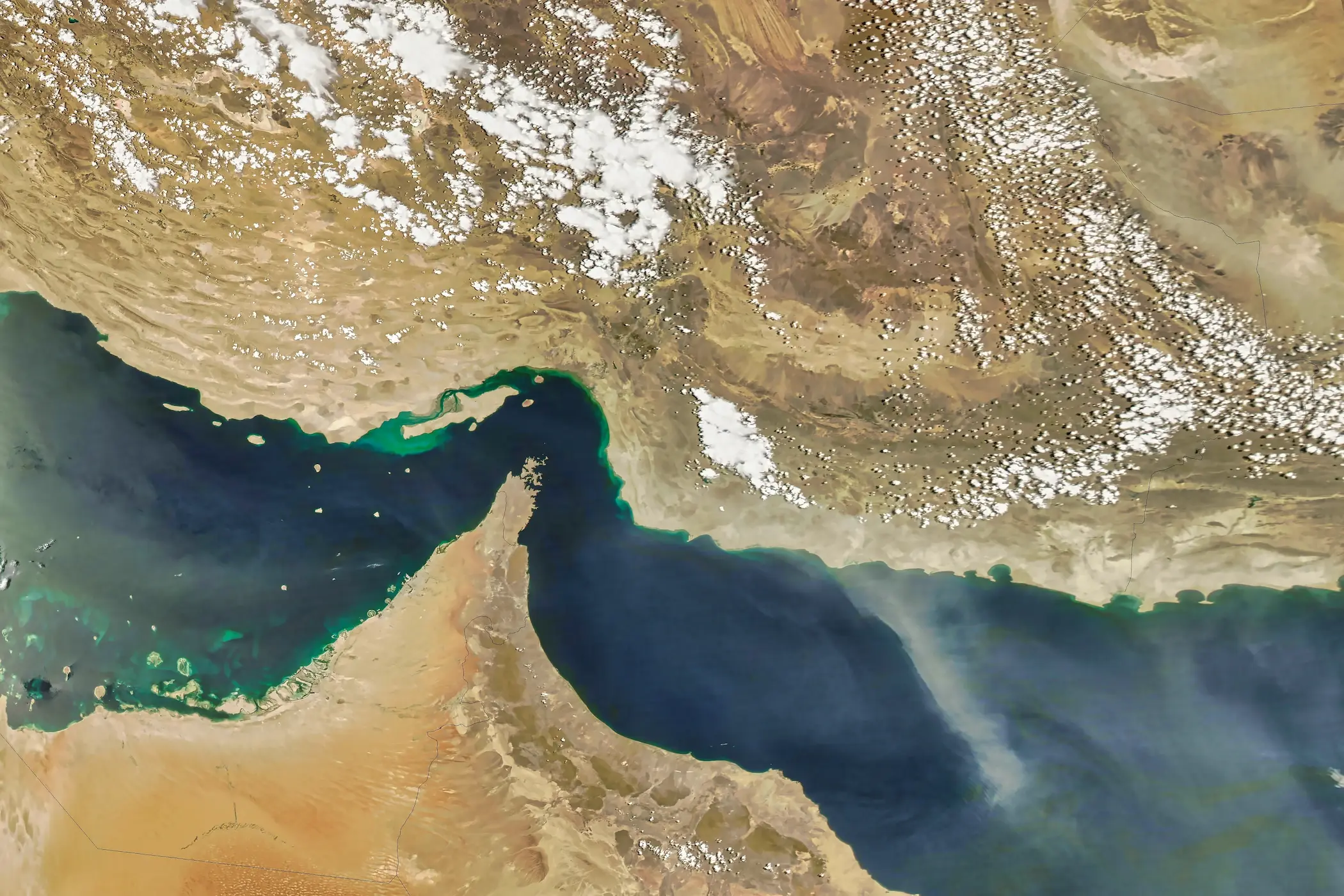
The Strait of Hormuz – a narrow, indispensable artery through which nearly a fifth of the world’s oil and a third of its liquefied natural gas (LNG) flows– stands on a cliff. As geopolitical tensions intensify across the Middle East, fuelled by escalating Iran-Israel tensions and the shadow of direct United States (U.S.) involvement, the once-unthinkable threat of its closure looms larger than ever with Iran’s threat to close or block the Strait. In spite of the catastrophic global implications of such an act, the volatile depths of this potential crisis will be explored, unravelling the motives that could push Iran to choke this global lifeline, exposing the monumental security and geopolitical fallout, and revealing the catastrophic economic shockwave that would consume nations far beyond the region.