
Programmes
10 Mar 2026
Where Does China Stand in the US-Israel-Iran War?
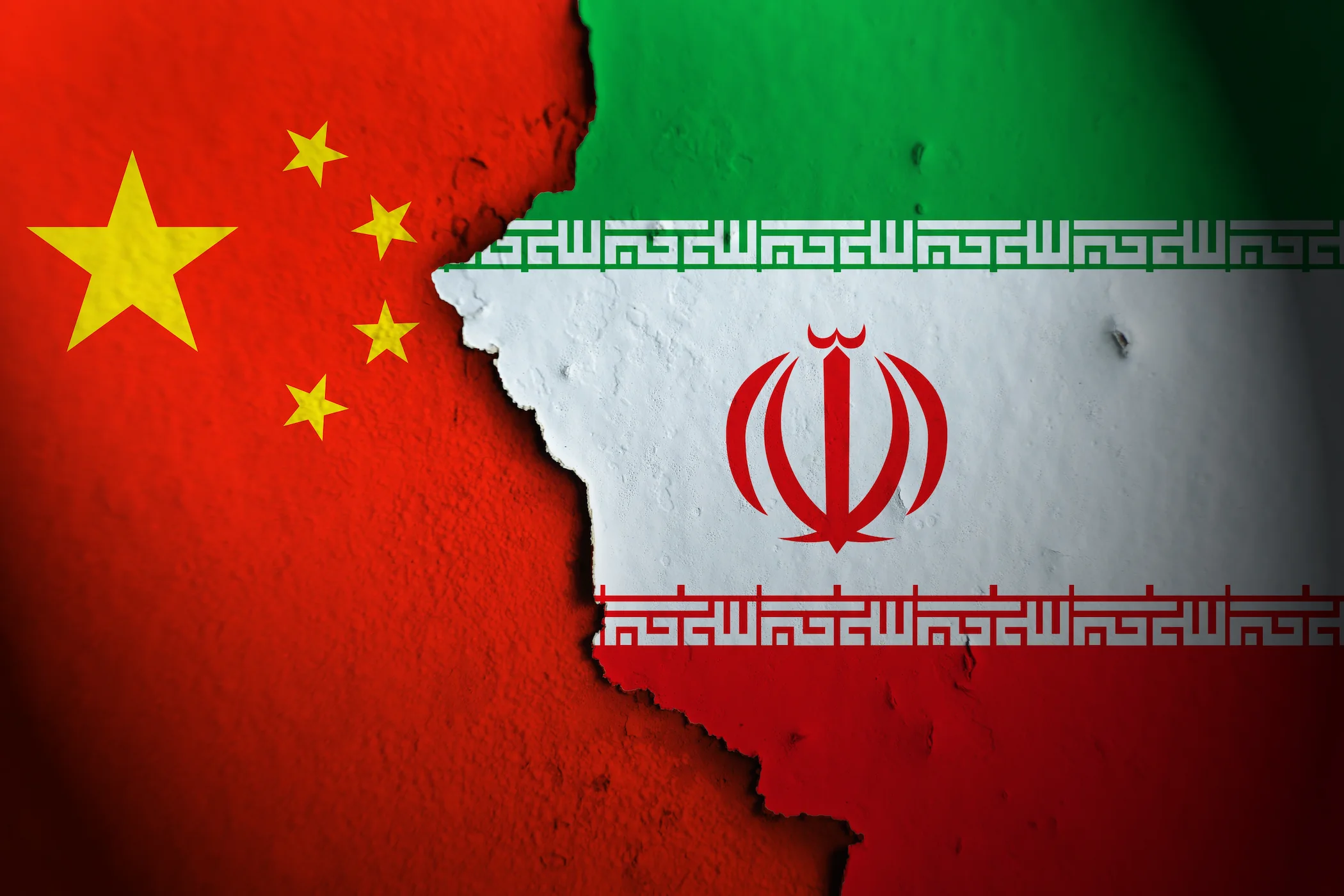
The U.S.-Israel and Iran War has affected the interests of many countries. In the last few days, China emerged as a significant player in these events. Beijing called for an immediate halt to the attacks by both sides and the protection of vessels passing through the Strait of Hormuz, culminating with the Chinese Foreign Minister Wang Yi pledging to send a special envoy to the Middle East for mediation.
Beijing has interconnected interests in the Middle East that are significantly affected by the war and will most likely reshape its strategic opportunities in the region, particularly in terms of energy security, trade routes, and diplomatic relations with key regional players. Beijing’s pragmatic foreign policy approach toward the region relies on protecting its economic interests and maintaining a strategic balance. So, the war could provide an opportunity for China to navigate new opportunities in the region and, consequently, expand its influence, particularly by strengthening ties with other oil-producing nations and increasing its investments in reconstruction efforts.
Likewise, China’s strategic partnership with Iran mainly revolves around oil supply and large-scale investments. The consequences of the war raise questions about the future of this relationship and the possibility that China may reshape its foreign policy toward Tehran if it faces a potential decline in Iran’s ability to sustain such interests as a result of the strain on its power after the war.

Programmes
20 Oct 2025
The Future Role of China in the GCC’s Tech Transition
China has a long-term goal to be a global leader in technology. To achieve such ambition, the country has taken serious steps widening its Belt and Road Initiative (BRI) traditional infrastructure projects to incorporate digital infrastructure projects embodied in the Digital Silk Road (DSR). The DSR was initially launched in 2015 by the government as an idea on paper and during the opening ceremony of the First Belt and Road Forum in May 2017, China’s President Xi Jinping, adopted the DSR term officially and it was incorporated in the government’s BRI strategy as the digital dimension.
The DSR initiative focuses on building digital infrastructure and exporting its technology to the beneficiary countries, it includes telecommunications infrastructure, like 5G networks, overland fibre-optic cables, data centres, cloud computing, artificial intelligence (AI), as well as applications that support e-commerce and mobile payments, along with smart cities and surveillance technology. Additionally, the DSR provides support to Chinese tech companies, like ZTE, Huawei, and Alibaba, to carry on the work with the beneficiaries.
The DSR aims to enhance Beijing's global digital influence as it creates opportunities for a wide range of cooperation and partnerships between Chinses tech companies and other beneficiaries around the world in areas of digitalization and AI. China’s DSR encompass a variety of projects in 5G deployment, e-commerce platforms, and AI applications, such as DeepSeek which is an alternative model to ChatGPT.
China signed DSR cooperation agreements with several countries in Africa, the Middle East, Eastern Europe, Latin America, and Southeast Asia. The cooperation takes place between scientists and engineers from the recipient country and Beijing, like opening a training centre or in research and development (R&D). The areas of cooperation are wide, including smart cities, AI and robotics, clean energy, and surveillance capabilities, like data localization. GCC countries are considered one of the important partners to China’s DSR, where it is closely integrating in the GCC digitalization goals.