

Programmes
4 Oct 2026
Food or Fuel: The Implications of Biofuels for Global Food Security
The international system faces complex geostrategic pressures that place global supply chains under unprecedented strain. Escalating military tensions, particularly disruptions to shipping through the Strait of Hormuz, are putting pressure on oil and liquefied natural gas flows. In 2025, this passage carried around a quarter of seaborne oil trade and 19% of global trade in liquefied natural gas. These developments coincide with a shift in the Russia–Ukraine conflict towards attacks on energy infrastructure, alongside tighter restrictions on Black Sea shipping and disruptions to key export routes for strategically important grains. This convergence leaves the world caught between declining oil supplies and restricted access to part of the available food supply, complicating procurement and threatening the foundations of national security.
Faced with these shortages and rising shipping costs, some major powers and emerging economies are expanding biofuel production as an instrument of national policy to ease the energy crisis, alongside pursuing environmental objectives and supporting agricultural production. Agricultural producer countries are consequently choosing to redirect part of their strategic crop output, including maize, sugar cane and palm oil, towards biofuel plants to meet transport needs. This analysis advances the hypothesis that expanding biofuels derived from food crops may heighten the vulnerability of importing countries when demand growth outstrips the capacity of production and stocks to accommodate it, while trade policies restrict exportable supplies. The scale of this effect depends on the feedstocks used, the volume diverted and the responsiveness of production. It does not apply to the same extent to fuels produced from agricultural residues or used oils.
Import-dependent countries, particularly in the Middle East and Africa, may bear the cost of these pressures through diminished food security and domestic stability. An inability to secure food can, in this context, undermine social stability and signal the risk of political crises whose severity varies according to institutional effectiveness and the capacity to protect the most vulnerable groups. This complex situation poses an urgent question: how far can importing countries withstand the convergence of energy and food policies, and what protective mechanisms can safeguard their national security as competition intensifies between the use of crops for food and for fuel?
Programmes
26 Aug 2026
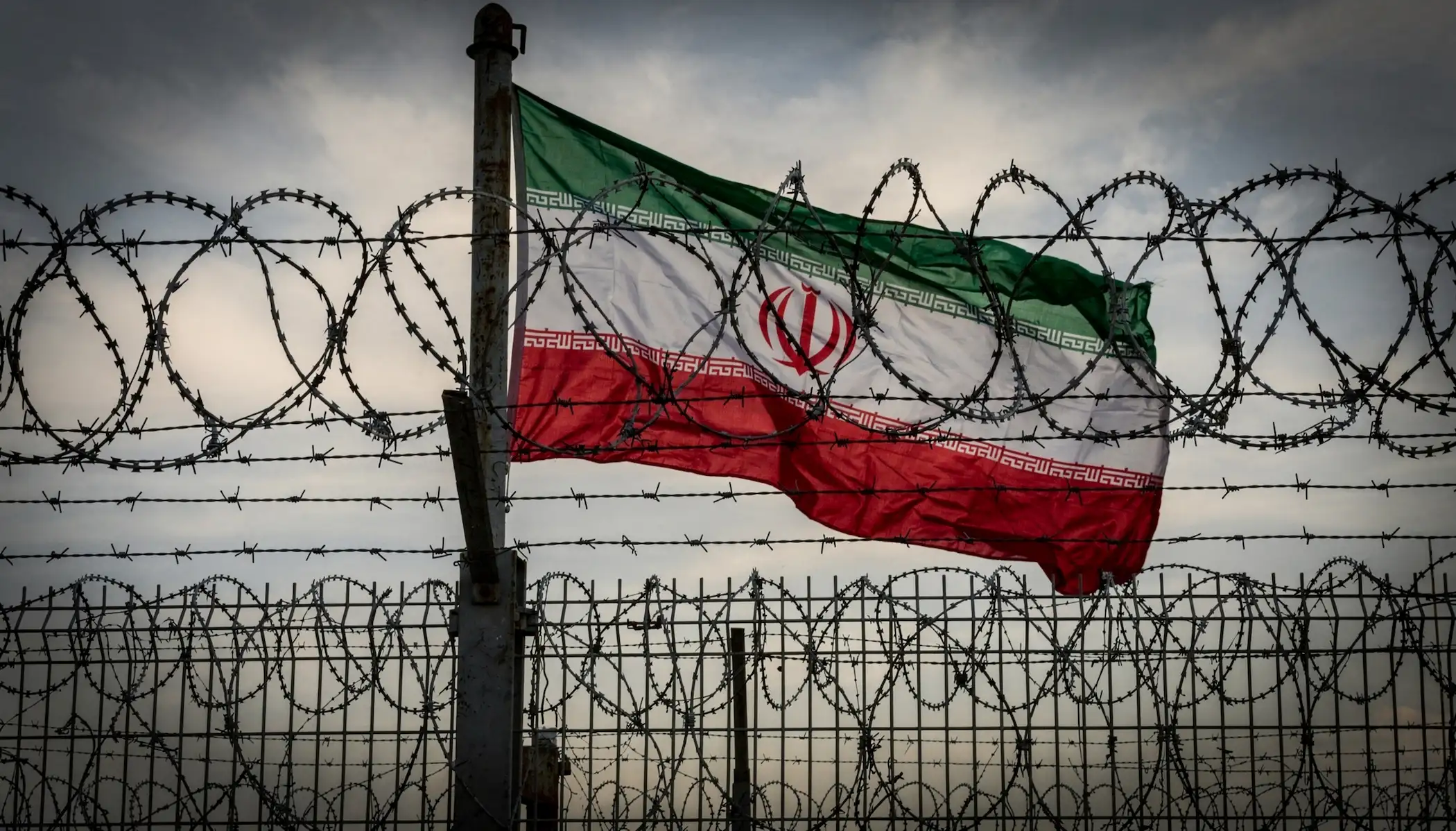
Economic Outcast: The Limits of U.S. Secondary Sanctions Against a China-Insulated Iranian Economy
On 24 August 2026, the US Treasury announced an economic enforcement campaign under the name Operation Economic Outcast, designating close to 60 entities, individuals and vessels and issuing five unprecedented sectoral determinations under Executive Order 13902.1 Treasury Secretary Scott Bessent described the campaign as a comprehensive economic onslaught intended to sever every artery feeding the Iranian economy, while Iran's Minister of Economy, Ali Madanizadeh, dismissed it as an act of economic terrorism, insisting that his country has its own instruments and knows the rules of the game.
The significance of the campaign extends well beyond the number of designations. Washington is shifting its weight away from penalising Iranian entities and towards pursuing intermediaries in third countries: independent Chinese refineries, Gulf trading and exchange houses, and settlement channels operating outside the dollar. Yet the record since 2012 reveals a pattern that is close to invariable: sharp friction imposed from the American side, followed by structural Iranian adaptation, in which Iranian exports survive and the American stock of coercive power erodes.
This analysis therefore sets out to dissect the legal architecture of the campaign and identify what is genuinely new within it, then to test its six enforcement tracks against the structural obstacles Tehran has accumulated across four successive waves of sanctions, and finally to estimate the likely impact on the volume of Iranian exports, on the discount imposed on its crude and on the price path, while measuring the cost of compliance that financial and logistics hubs will have to absorb.
Programmes
24 Jul 2026
The End of Free Passage? The Future Struggle Over the World’s Sea Lanes
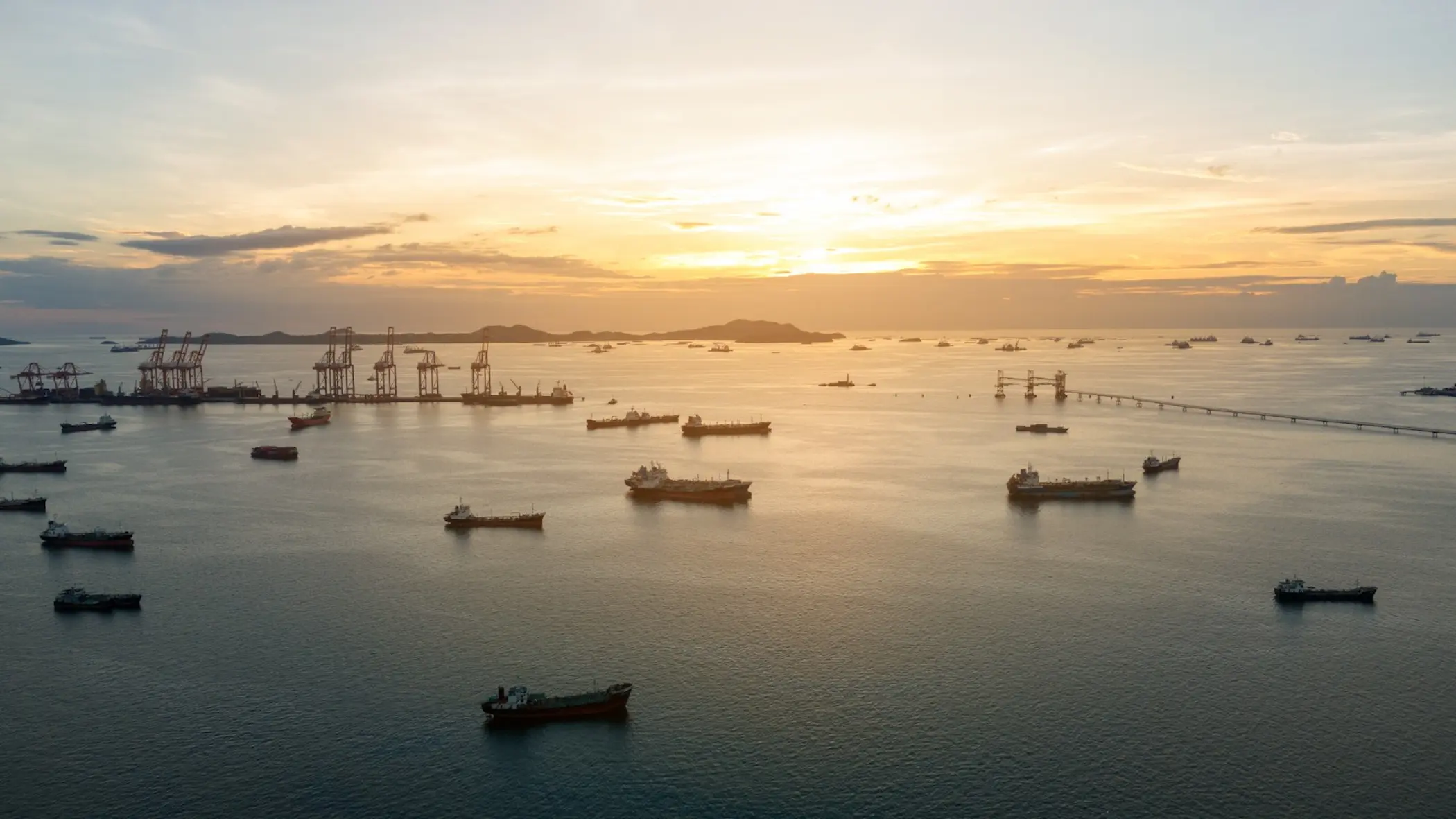
What if the sea lanes were no longer free? For seventy years, the assumption that ships pass through the world's strategic straits without permission, payment, or political approval has underpinned global trade so completely that it was rarely stated, let alone defended. In 2026, that assumption stopped being safe. In one of the world's most critical waterways, passage is now vetted, priced, and rationed by political alignment. At another, a price for safe transit has been openly announced. Along the polar routes, permits and fees are already the law, and older managed regimes are quietly expanding. These are not isolated crises. Taken together, they form the early signal of something larger: the transformation of maritime chokepoints from global commons into sovereign assets, and with it, the quiet repricing of the geography on which world trade depends.
Programmes
23 Jul 2026
Closure Upon Closure: The Potential Impact of Houthi Threats to Saudi Shipping at Bab al-Mandeb
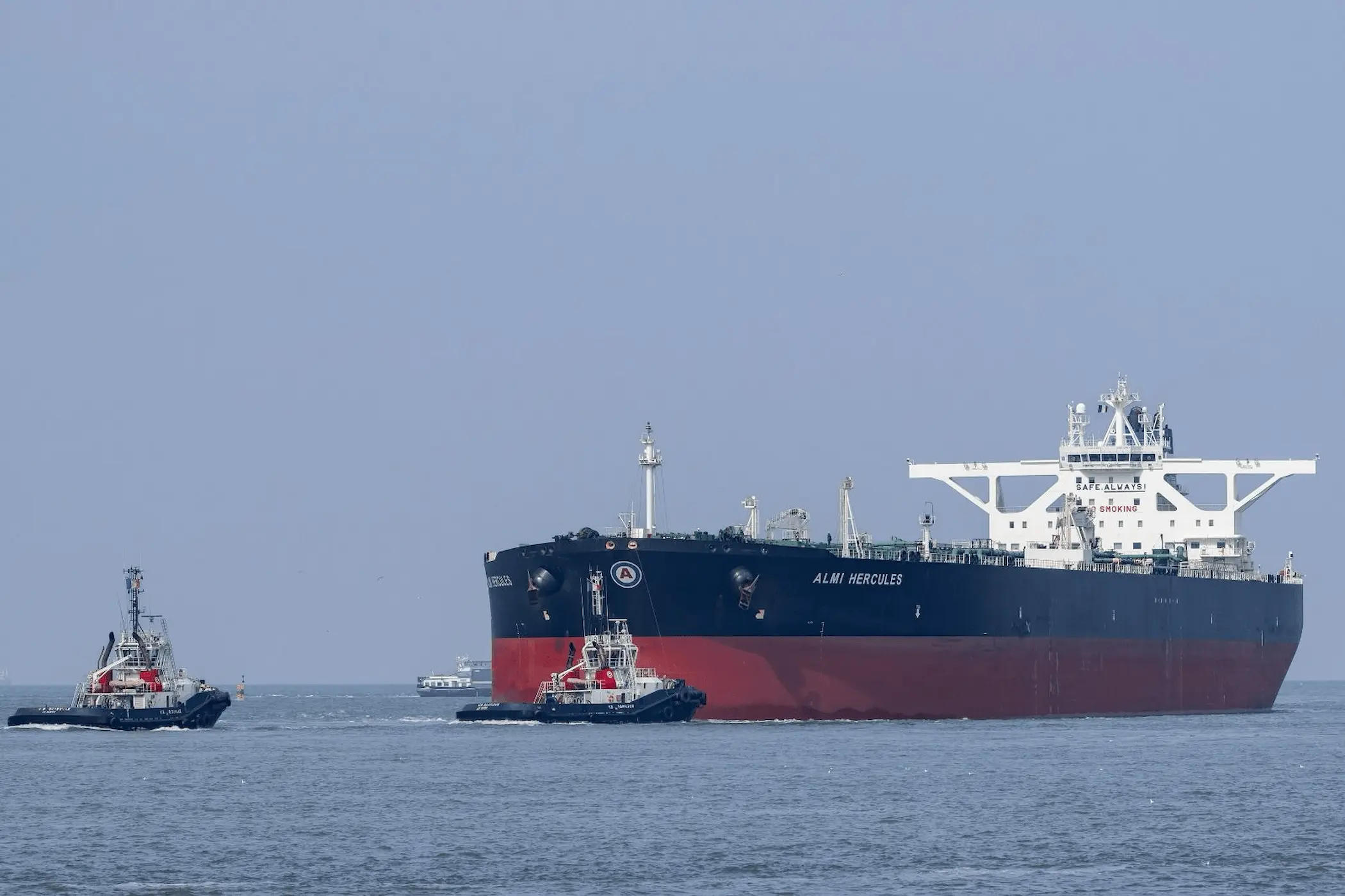
The events of 2026 have placed global energy markets before an unprecedented test of their resilience. When the effective closure of the Strait of Hormuz in February removed roughly 13 million barrels per day (mb/d) from available supply, Saudi Arabia redirected most of its exports westward to the Red Sea — only to find that outlet itself imperiled when, on 20 July, the Houthis threatened a naval blockade of the Bab al-Mandeb strait aimed squarely at Saudi shipping. For the first time in its modern history, the Kingdom's oil found itself exposed between the two maritime corridors it straddles, and the question “What if navigation through Bab al-Mandeb is severed?” shifted from a theoretical exercise to an operational probability. The answer, however, is not a single figure: it hinges on the scale of the shortfall, the nature of the cargo held back, and the market's capacity to reroute it.
This analysis therefore sets out to quantify the impact of a Bab al-Mandeb closure across three graduated halt scenarios; to unpack the mechanism by which the shock travels from cargo entrapment to a price spike; to trace its non-price consequences for refined products, aviation, and maritime shipping; and to arrive at the fiscal paradox that leaves the gravest harm to Saudi Arabia latent in the intermediate scenario rather than the full halt.
Programmes
14 Jul 2026
From the Climate to the Strait of Hormuz: How Will the Next Food Crisis Begin?
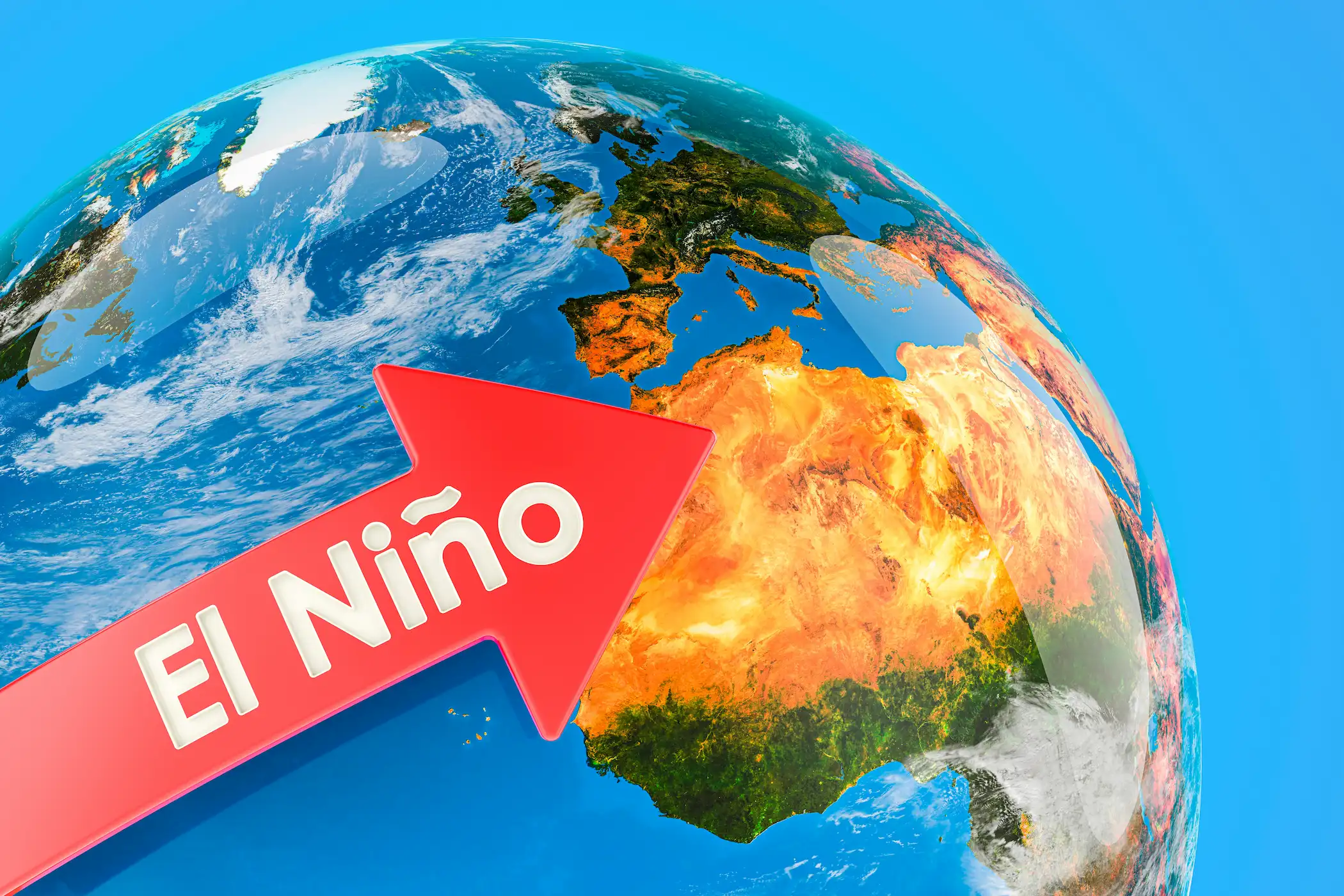
Global food security has rarely faced two simultaneous structural shocks of this magnitude. The February 2026 closure of the Strait of Hormuz, triggered by the escalating US-Israel-Iran conflict, severed the world's most critical maritime corridor for energy, fertilizer, and food trade in a single blow. Thousands of miles away, El Niño, a periodic warming of the equatorial Pacific Ocean that triggers droughts, weakens monsoons, and disrupts growing conditions across the globe, is intensifying at a pace forecasters warn could make it one of the most severe events since records began.
Each shock alone would constitute a serious test for global food systems. Together, they converge on a region structurally designed to withstand neither. In 2026, both shocks are unfolding simultaneously, stacked on top of fertilizer markets already in crisis — a compounding that no previous El Niño episode has faced. The question is no longer whether they will converge, but how severe the consequences will be for a region structurally unprepared for either.
Programmes
23 Apr 2026
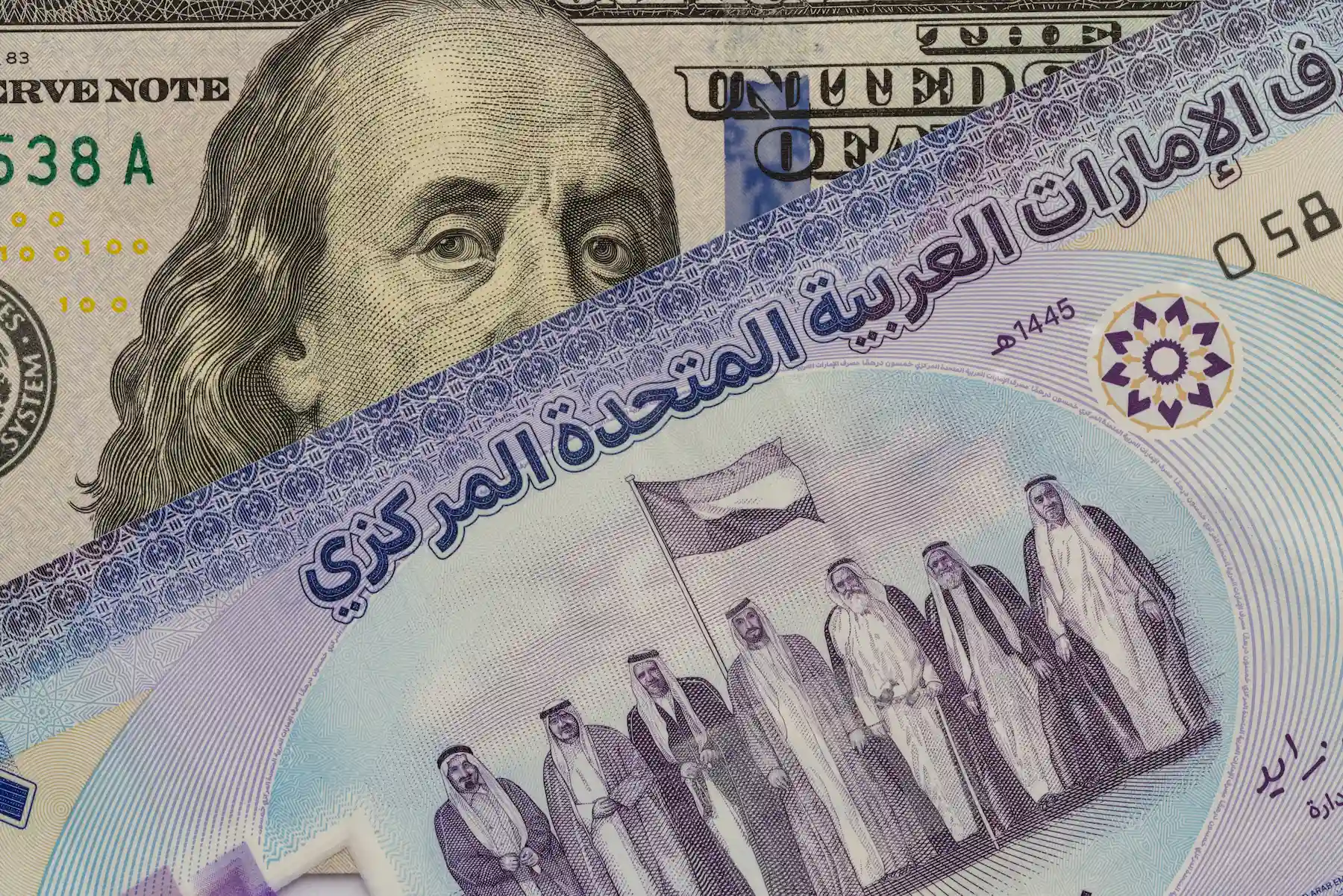
Challenging Dollar Supremacy: Is the UAE Rethinking the Dollar Order?
For more than five decades, the petrodollar system has served as one of the central structural pillars of American financial supremacy. Since its establishment in the 1970s, the system has anchored the United States’ monetary power by ensuring that Gulf oil exports remain overwhelmingly denominated in United States dollars. Under this arrangement, Gulf producing nations receive American security guarantees in exchange for recycling their oil revenues into US Treasury securities and dollar-denominated financial markets—a self-reinforcing cycle that has entrenched the dollar’s status as the world’s foremost reserve currency and systematically reduced American sovereign borrowing costs for decades.
The United Arab Emirates has, historically, been among the most faithful participants in this arrangement. Its national currency, the dirham, remains pegged to the USD, and its extensive sovereign wealth funds are invested predominantly in dollar-denominated assets. Nevertheless, a convergence of recent developments—an armed conflict in Iran, severe disruptions to Gulf oil exports, and an acute domestic dollar liquidity constraint—has placed the UAE at an unprecedented geopolitical and financial crossroads.
Programmes
15 Apr 2026
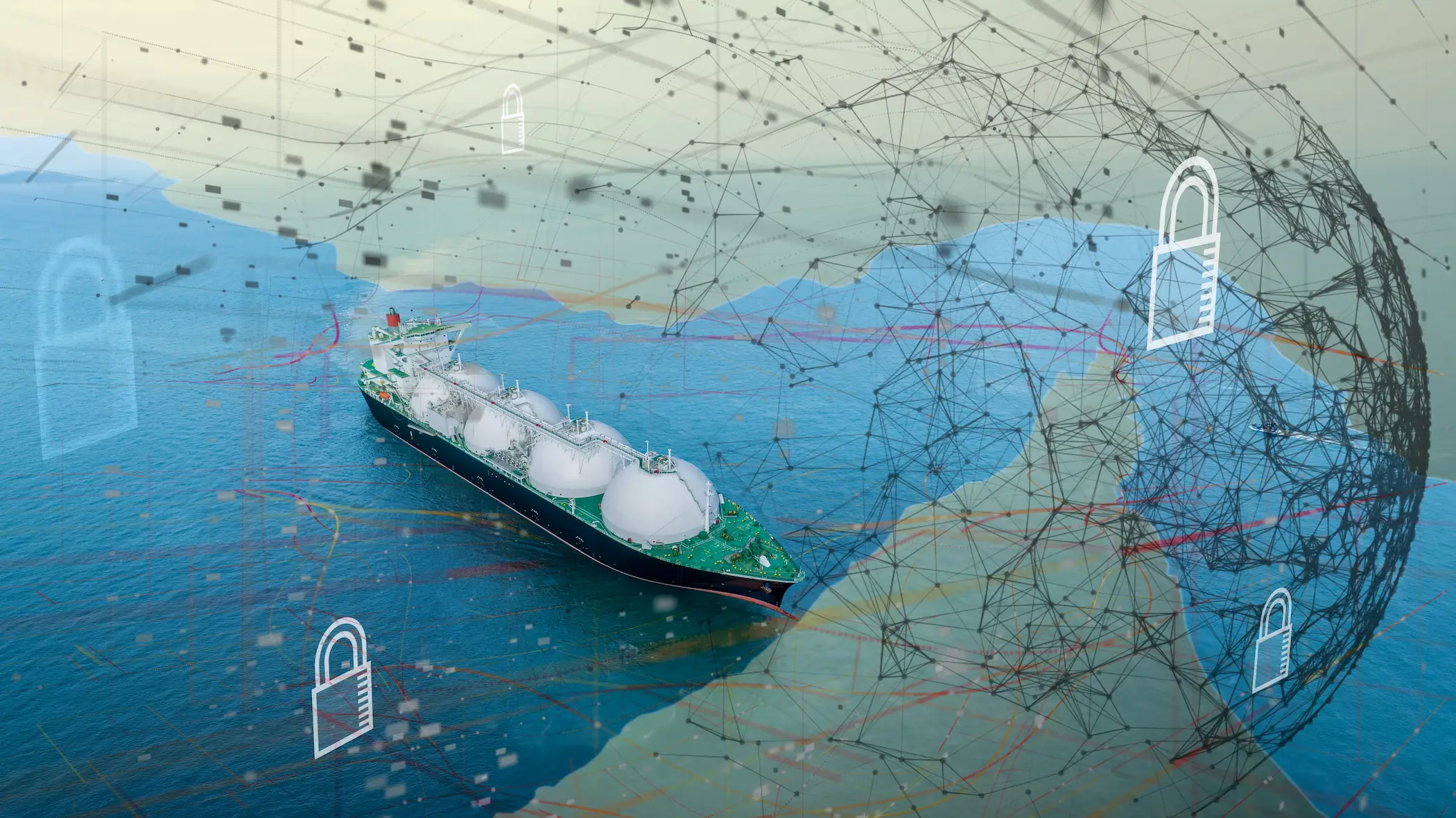
From Doha to Washington: How Hormuz Redrew Global Gas Supply Chains
At the outset of 2026, the global natural gas market underwent a profound structural shift that eroded much of the stability built over years of rebalancing in the aftermath of the 2022 European energy crisis. Markets had been advancing towards a phase of relative supply abundance, underpinned by expanding liquefaction capacity in the United States (US) and large-scale Qatari projects. This trajectory was abruptly reversed on Feb. 28, 2026, when Operation Epic Fury triggered the most severe energy shock to confront the international system in decades. The US-Israel-Iran War and the closure of the Strait of Hormuz, removed nearly one-fifth of global liquefied natural gas supply from circulation within days.
This paper analyses the structural transformations in the global natural gas market induced by the crisis, tracing supply and demand dynamics before and after the outbreak of the conflict. It further evaluates the implications for key actors within the international energy system, including countries most exposed to global gas market volatility, such as Egypt and Jordan.
Programmes
31 Mar 2026
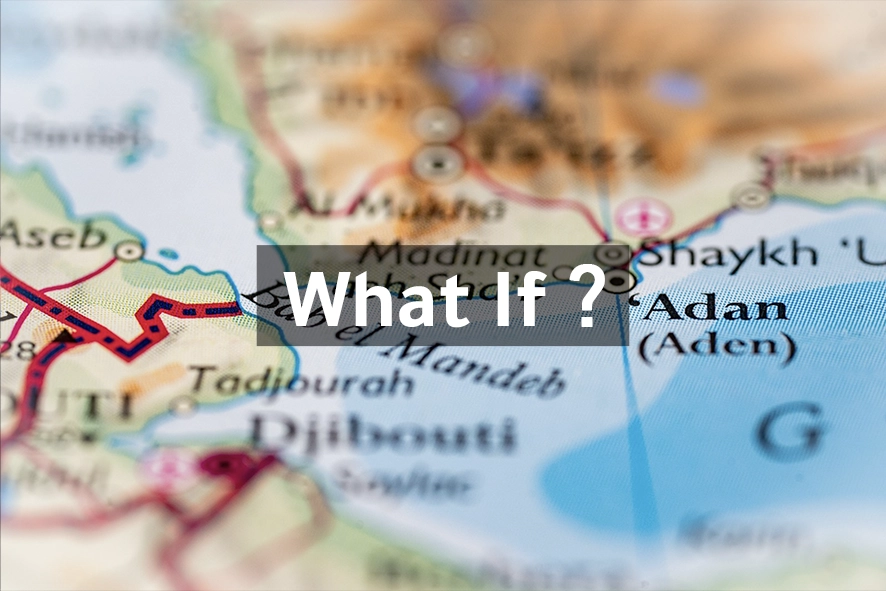
What If: The Houthis Close Bab el-Mandeb?
The United States–Israel–Iran war, which began with a set of vaguely defined objectives including regime change in Iran and the dismantling of its missile and nuclear capabilities, now appears to be shifting toward a different set of priorities. Iran has managed to internationalise the conflict in a way that has redirected attention toward containing the scale of global economic disruption. Put simply, the focus is increasingly on securing the flow of oil amid what is being described as one of the most severe energy crises in modern history. Much of the world’s attention has centred on the Strait of Hormuz, and rightly so. This vital shipping lane accounts for roughly 20% of global liquid petroleum consumption, as well as a significant share of global liquefied natural gas trade (LNG). However, with the Iran-backed Yemeni Houthis now entering the conflict, the risks facing regional oil exports and maritime routes have intensified further. As the de facto controllers of the Bab al-Mandeb Strait, the Houthis are in a position to disrupt shipping through the Red Sea and the Gulf of Aden.
This raises several critical questions. Why have the Houthis chosen this moment to enter the war? Under what conditions might they escalate their involvement? And what would be the consequences of a closure of the strait?
Programmes
20 Mar 2026
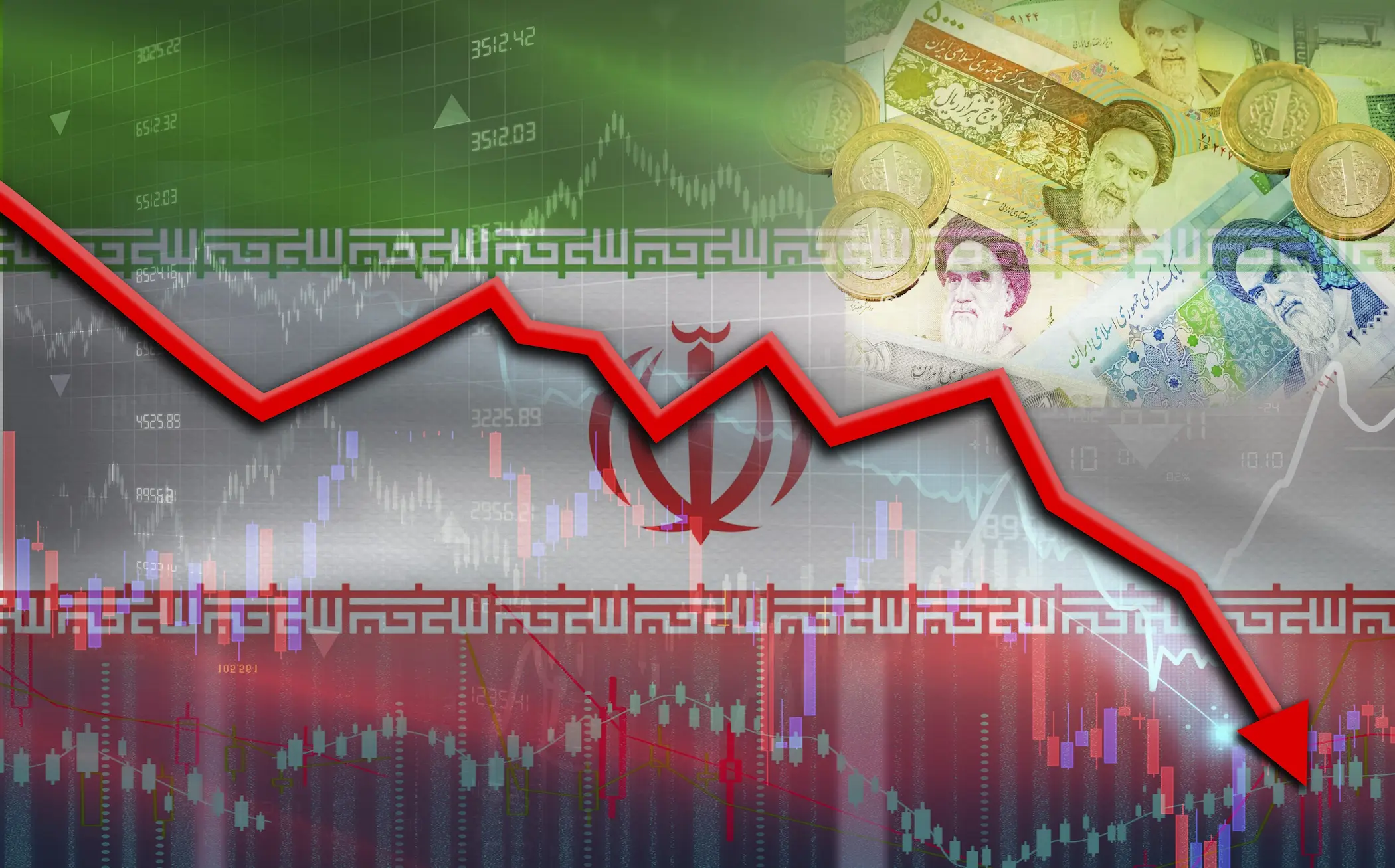
Iran’s Fragile Economic Adaptation Under Military Pressure
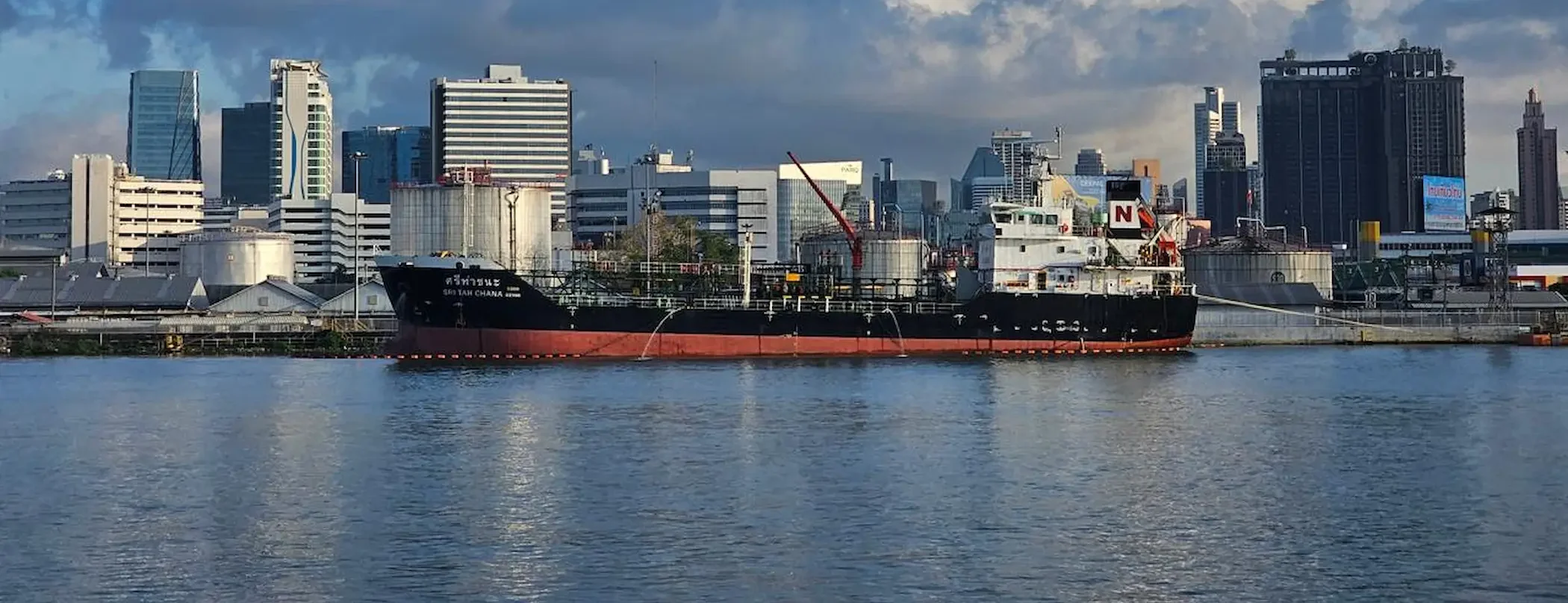
One of the most structurally fragile economies in the Middle East serves as the backdrop to Iran’s current military confrontation. Extensive international sanctions have, for more than a decade, restricted Iran’s access to global financial markets, constrained its energy exports, and limited foreign investment. Gradually, the Iranian economy came to evolve as a sanctions-adaptation economy, surviving persistent external pressure through informal trade networks, shadow energy exports, and alternative financial channels instead of collapsing outright.
Yet unlike sanctions, which create gradual economic constraints, war introduces a fundamentally different kind of shock by disrupting logistics networks, causing unprecedented damage to national infrastructure and compelling the state to reallocate its resources toward defense spending amid military escalation. Such shocks, for an already fragile economy operating at the limits of macroeconomic stability, can generate disproportionate consequences. The current conflict therefore brings into focus a central economic question: can Iran’s sanctions-adapted economy withstand the pressures of war, or will military escalation reveal structural weaknesses previously concealed by the sanction’s system?
Programmes
13 Mar 2026
Countdown to Famine: Will the Strait of Hormuz Lead Iran into a Severe Food Crisis?
While global attention remains focused on the situation in the Strait of Hormuz, through which nearly twenty million barrels of crude oil pass each day, less attention is given to the potentially more significant developments occurring within Iran’s borders. As of March 2026, the military strikes carried out by the United States and Israel generated what can be described as a caloric chokepoint effect, which cannot be offset by any level of kinetic military capabilities. According to the Islamic Republic of Iran, the country’s principal vulnerability in the 21st century lies in its deep-water grain elevators, rather that its military power.
While Iran’s food supply system is logistically fragile and assumes that the country’s southern ports will always remain accessible and fully operational, however, the withdrawal of war-risk insurance and the stalling of shipping through Bandar Abbas have invalidated this assumption. Therefore, describing the current situation merely as a trade disruption is inaccurate, as it effectively represents a biological countdown.
As operational feed stocks decline to a fourteen-day supply, the resulting protein shortage poses a significant risk of domestic instability—an effect that conventional military strikes are unlikely to match.
Programmes
10 Mar 2026
Where Does China Stand in the US-Israel-Iran War?
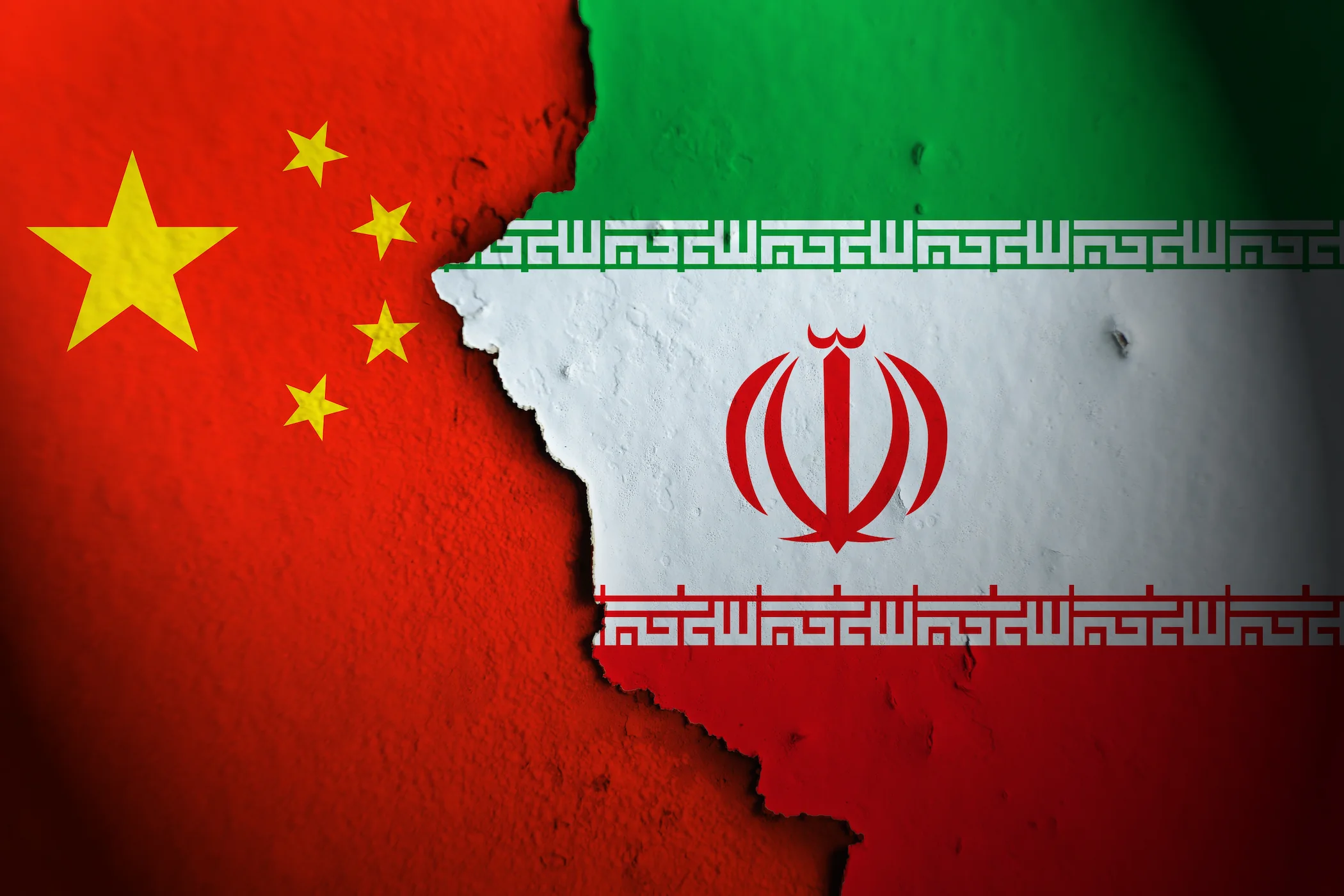
The U.S.-Israel and Iran War has affected the interests of many countries. In the last few days, China emerged as a significant player in these events. Beijing called for an immediate halt to the attacks by both sides and the protection of vessels passing through the Strait of Hormuz, culminating with the Chinese Foreign Minister Wang Yi pledging to send a special envoy to the Middle East for mediation.
Beijing has interconnected interests in the Middle East that are significantly affected by the war and will most likely reshape its strategic opportunities in the region, particularly in terms of energy security, trade routes, and diplomatic relations with key regional players. Beijing’s pragmatic foreign policy approach toward the region relies on protecting its economic interests and maintaining a strategic balance. So, the war could provide an opportunity for China to navigate new opportunities in the region and, consequently, expand its influence, particularly by strengthening ties with other oil-producing nations and increasing its investments in reconstruction efforts.
Likewise, China’s strategic partnership with Iran mainly revolves around oil supply and large-scale investments. The consequences of the war raise questions about the future of this relationship and the possibility that China may reshape its foreign policy toward Tehran if it faces a potential decline in Iran’s ability to sustain such interests as a result of the strain on its power after the war.
Programmes
5 Mar 2026
The Hormuz Inflection: Oil Markets After the Iran Strikes
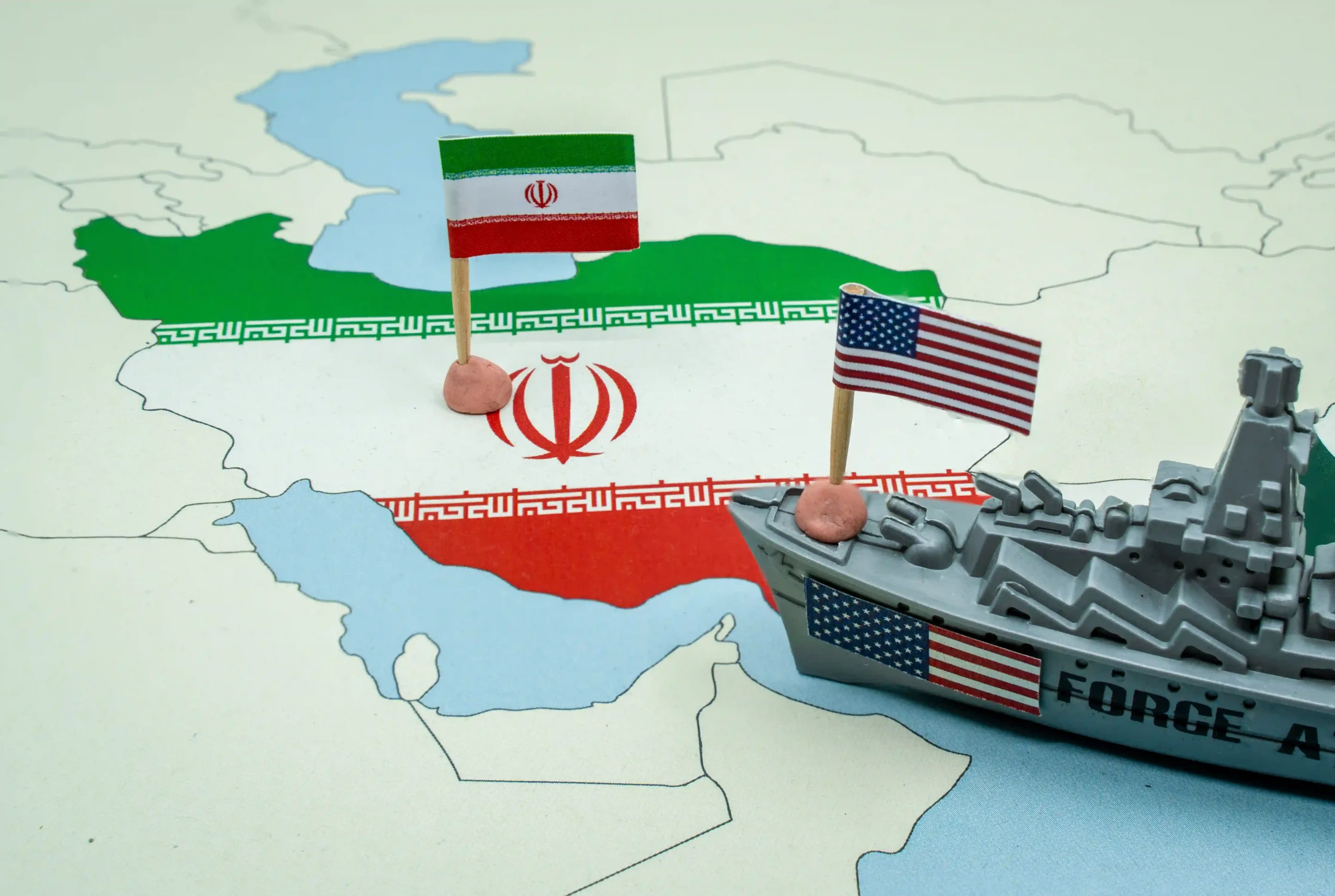
The Feb. 28, 2026 United States–Israeli offensive against Iran represents the most consequential escalation in Gulf security dynamics in over a decade and introduces immediate, medium-term, and long-term risks to global energy stability. The strikes targeting senior leadership and strategic military infrastructure triggered Iranian retaliation across the Gulf region and sharply increased the probability of disruption to maritime energy flows, particularly through the Strait of Hormuz.
While physical supply outages remain limited at the time of writing, markets have responded by repricing geopolitical risk. Crude benchmarks surged on reopening, freight and insurance costs rose materially, and volatility spiked across commodities and currency markets. The core economic question is not whether prices react, they already have, but whether the conflict transitions from a risk-premium shock to a sustained supply disruption.
The Strait of Hormuz remains the central transmission channel. Roughly one-fifth of globally traded oil and more than one-third of seaborne liquefied natural gas pass through this chokepoint. Even temporary interference has outsized macroeconomic implications. Assessing the implications of the crisis requires examining immediate market reactions, potential disruption scenarios, medium-term supply responses, and the longer-term structural consequences for global energy security and macroeconomic stability.