
Programmes
18 Mar 2026
Can the Black Sea Initiative Resolve the Strait of Hormuz Crisis?
The global political and economic landscape is undergoing structural shifts following the outbreak of US and Israeli military operations against Iran in late February 2026. In response to this escalation, the Iranian leadership adopted a strategic decision to close the Strait of Hormuz to commercial shipping and oil tankers, leveraging its asymmetric capabilities, including naval mines, advanced missile systems, and drones, to transform the strait into an active military theatre.
The Strait of Hormuz constitutes a critical artery for global energy supplies, with approximately 20 million barrels of oil transiting through it daily, accounting for around 20% of global consumption, as well as shipments of liquefied natural gas (LNG). The closure has produced immediate economic repercussions, including the suspension of maritime traffic, the withdrawal of insurance coverage by shipping insurers, and a sharp surge in oil prices, which have exceeded $120 per barrel. In an effort to contain the crisis, the European Union’s High Representative for Foreign Affairs and Security Policy, Kaja Kallas, proposed a diplomatic initiative to establish a secure maritime corridor in the Strait of Hormuz under United Nations supervision to ensure the safe flow of energy supplies.
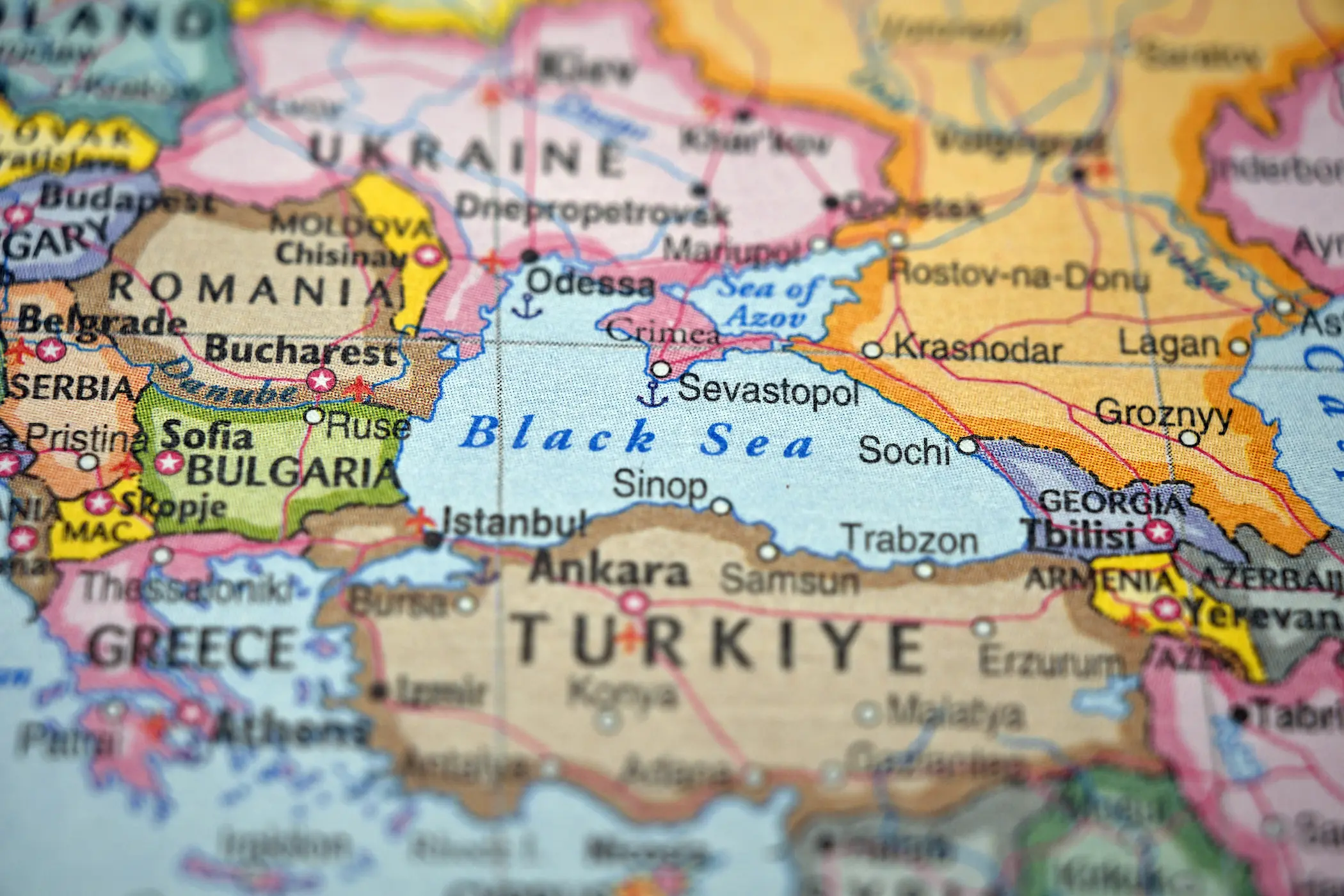
Kallas’s initiative draws on the “Black Sea Initiative” model, which enabled the export of Ukrainian grain under international guarantees. European efforts are driven by concerns that disruptions to gas supplies could undermine global food production, given their direct linkage to fertiliser manufacturing. The initiative, therefore, seeks to insulate energy vessels from military targeting to preserve global economic stability. Against this backdrop, the central question arises: to what extent can this initiative help de-escalate the current crisis, and what alternatives remain should the Black Sea model prove unviable?

Publications
22 Aug 2024
Recurring Patterns: How Will Iran Respond to Ismail Haniyeh’s Assassination?
The world has been on edge since July 31,2024, awaiting Iran’s response to the assassination of Ismail Haniyeh, head of the Hamas political bureau, in Tehran by an Israeli attack. Haniyeh was targeted while attending the inauguration ceremony of Iranian President Masoud Pezekshian, marking a direct challenge to Iranian sovereignty and its role as a regional leader of resistance movements. This event underscores the broader confrontation between Iran, which opposes what it perceives as the United States and Israeli dominance in the region. Given the assassination's symbolic and strategic significance, many see Iran’s retaliation as inevitable, particularly amid escalations between Israel and Iran. Notably, this incident is part of a broader series of high-profile killings targeting figures within the so-called resistance axis. Just hours before the explosion in Tehran, Israel launched a missile strike in Beirut's southern suburbs, killing Fouad Shukr, a senior Hezbollah military official, while also claiming—without confirmation—the assassination of Mohammed Deif, a leading Hamas military commander.
While consensus exists regarding the certainty of an Iranian response, there is sharp debate within political and military circles over the nature of this retaliation. The targeted nature of the Israeli strikes suggests that a direct and immediate Iranian response may be needed to restore its deterrent credibility. However, Iran’s extensive network of regional proxies presents an alternative, allowing Tehran to retaliate indirectly while avoiding the military and economic costs of direct confrontation. This calculation has become more critical following the U.S.’s declaration that it would militarily defend Israel against any Iranian attack, reaffirming its earlier stance on Iranian missile strikes against Israel in April.
Predicting the nature of Iran’s response can be facilitated by examining the pattern of its previous reactions to similar attacks, particularly given Iran’s long history of confrontations following the 1979 revolution and its enduring hostility toward the U.S. Among these conflicts, the one most analogous to the current situation is the so-called Tanker War, which took place between Iran and Iraq from 1984 to 1988. Iran successfully drew the U.S. into a large-scale military engagement in the Arabian Gulf during this period. This scenario holds significant parallels to today’s tensions, as will be detailed later.
This paper, therefore, aims to analyse the similarities and differences between Iran’s current posture and its stance during the Tanker War from multiple perspectives—military, political, and economic—both internally externally. By comparing the dynamics at play, including the role of the U.S. in both scenarios, this analysis seeks to clarify what can be expected from Iran in light of these combined variables.