
Programmes
18 Mar 2026
Can the Black Sea Initiative Resolve the Strait of Hormuz Crisis?
The global political and economic landscape is undergoing structural shifts following the outbreak of US and Israeli military operations against Iran in late February 2026. In response to this escalation, the Iranian leadership adopted a strategic decision to close the Strait of Hormuz to commercial shipping and oil tankers, leveraging its asymmetric capabilities, including naval mines, advanced missile systems, and drones, to transform the strait into an active military theatre.
The Strait of Hormuz constitutes a critical artery for global energy supplies, with approximately 20 million barrels of oil transiting through it daily, accounting for around 20% of global consumption, as well as shipments of liquefied natural gas (LNG). The closure has produced immediate economic repercussions, including the suspension of maritime traffic, the withdrawal of insurance coverage by shipping insurers, and a sharp surge in oil prices, which have exceeded $120 per barrel. In an effort to contain the crisis, the European Union’s High Representative for Foreign Affairs and Security Policy, Kaja Kallas, proposed a diplomatic initiative to establish a secure maritime corridor in the Strait of Hormuz under United Nations supervision to ensure the safe flow of energy supplies.
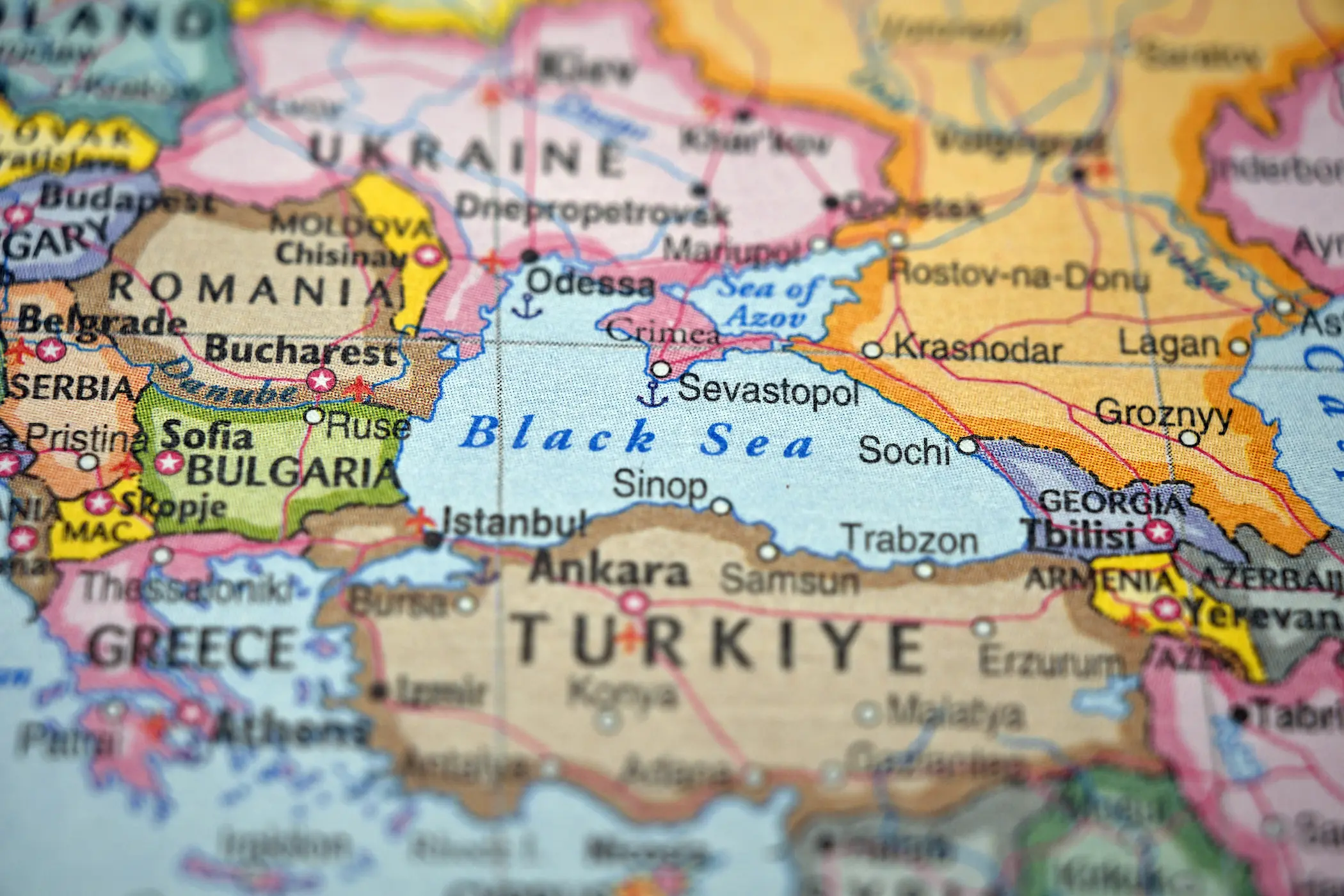
Kallas’s initiative draws on the “Black Sea Initiative” model, which enabled the export of Ukrainian grain under international guarantees. European efforts are driven by concerns that disruptions to gas supplies could undermine global food production, given their direct linkage to fertiliser manufacturing. The initiative, therefore, seeks to insulate energy vessels from military targeting to preserve global economic stability. Against this backdrop, the central question arises: to what extent can this initiative help de-escalate the current crisis, and what alternatives remain should the Black Sea model prove unviable?
Programmes
1 May 2025
Rajaee Port Explosions: Could it Disrupt Diplomatic Path Between Tehran and Washington?
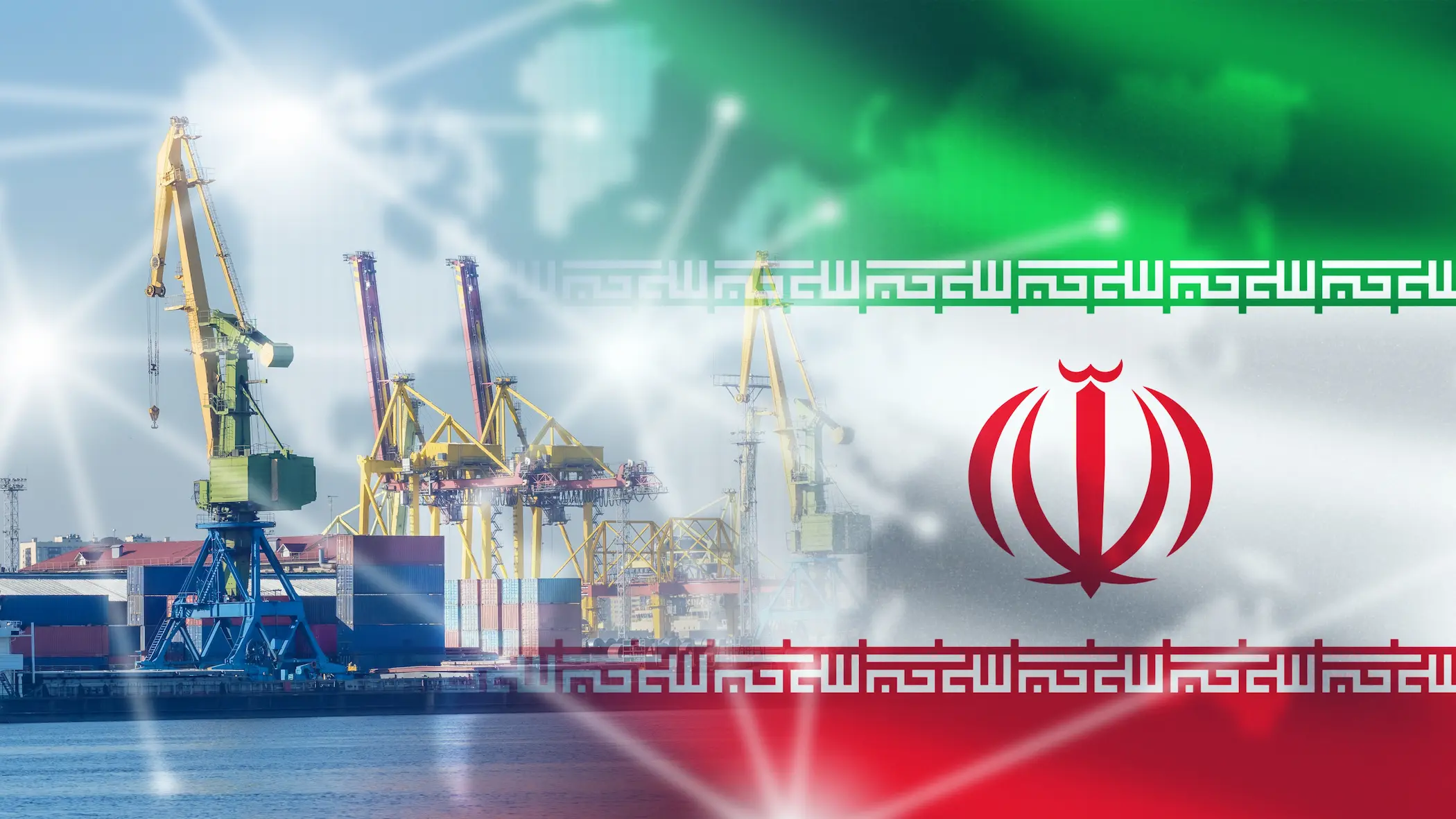
The strategically significant Rajaee Port in Bandar Abbas, southern Iran, was rocked by a massive explosion during the third round of Iranian-US talks in Oman on Saturday, April 26 2025, marking a pivotal moment that warrants in-depth analysis. Located near the Strait of Hormuz, the port serves as a critical nexus for Iran's container traffic and plays a crucial role in the country’s foreign trade, especially amid the sanctions imposed on it. Initial reports point to two primary hypotheses regarding the cause of the incident: the first suggests an accidental explosion resulting from mishandling hundreds of tons of a vital chemical substance, likely used to fuel Iran’s ballistic missile programme, reminiscent of the 2020 Beirut explosion; the second, however, raises the possibility of deliberate sabotage, potentially orchestrated by Israel with the intent to disrupt the Iranian-American diplomatic track. The timing of the explosion, coinciding with intense diplomatic efforts, adds further weight to its potential ramifications.
Regardless of the final cause, an explosion of such magnitude exposes significant vulnerabilities in Iran's security and management systems, reverberating across the entire region. It casts a shadow over diplomatic efforts aimed at addressing nuclear tensions and other unresolved issues. This commentary explores the potential post-incident scenarios, the implications of each hypothesis