
Publications
11 Dec 2025
Narrowing Pathways: What Choices Remain as Tehran Enters ‘Water Bankruptcy’?
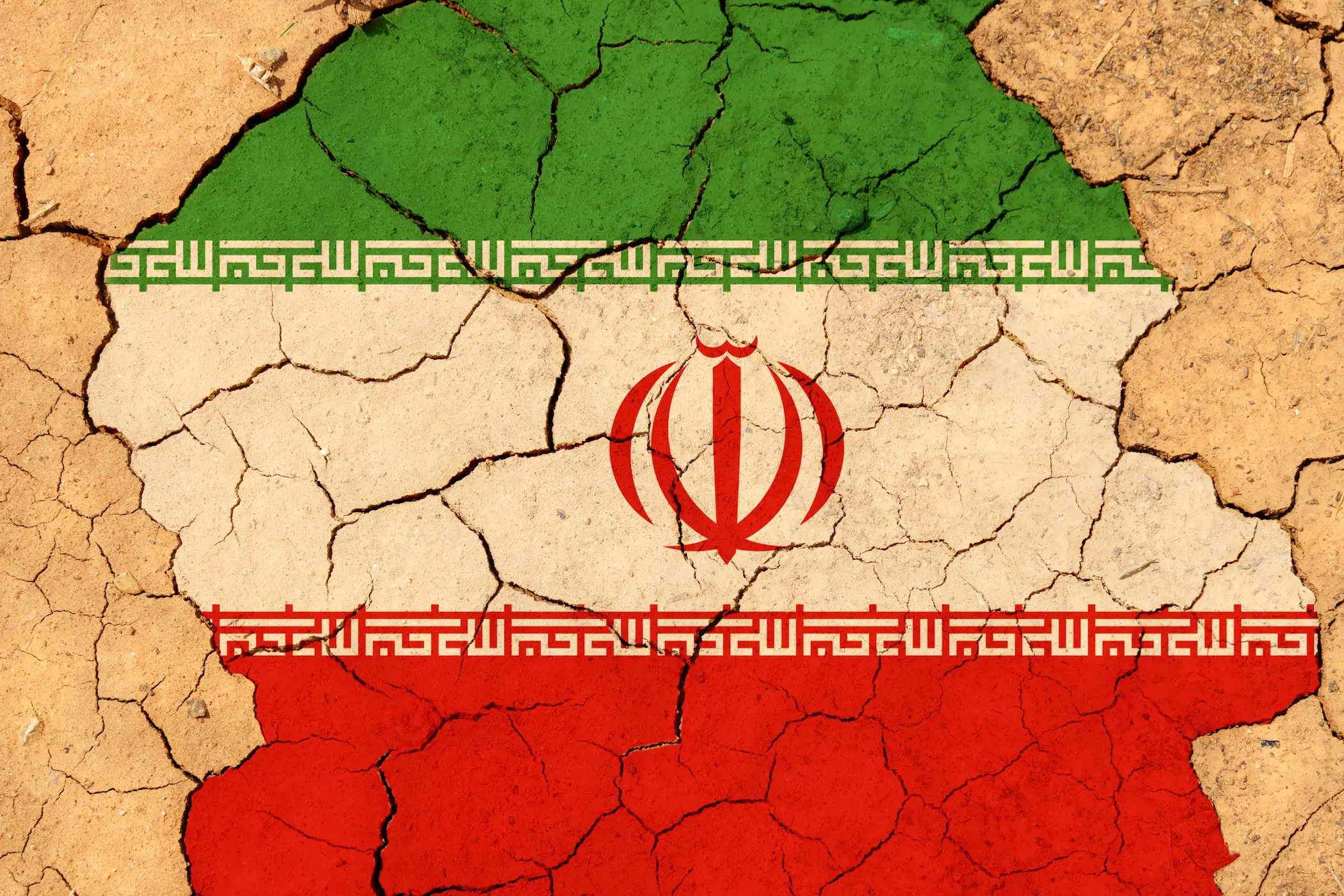
The escalating water crisis in the Iranian capital, Tehran, portends profound strategic repercussions that strike at the heart of national security and internal stability. Field indicators and updated international data up to 2025 point to the city reaching a stage of “absolute water stress.” This reality is manifested in the sharp and unprecedented decline in surface and groundwater reserves, as an inevitable result of the combination of long-term drought waves with decades of structural mismanagement and excessive depletion of resources, which has led to a decrease in the levels of strategic reservoirs to critical levels that directly threaten the continuity of drinking water supplies for millions of residents. The official warnings, hinting at the possibility of the capital drying up within weeks unless emergency measures are taken, are acquiring serious demographic and social dimensions. The danger transcends mere water scarcity, raising grave concerns about widespread social unrest, the need to adopt drastic policies such as forced displacement, or even the serious discussion of relocating the capital. Therefore, a comprehensive reform of water resource management policies, the strengthening of dilapidated infrastructure, and the adoption of sustainable solutions are imperative to contain the crisis and avert the looming scenarios of economic and security collapse.
Programmes
1 May 2025
Rajaee Port Explosions: Could it Disrupt Diplomatic Path Between Tehran and Washington?
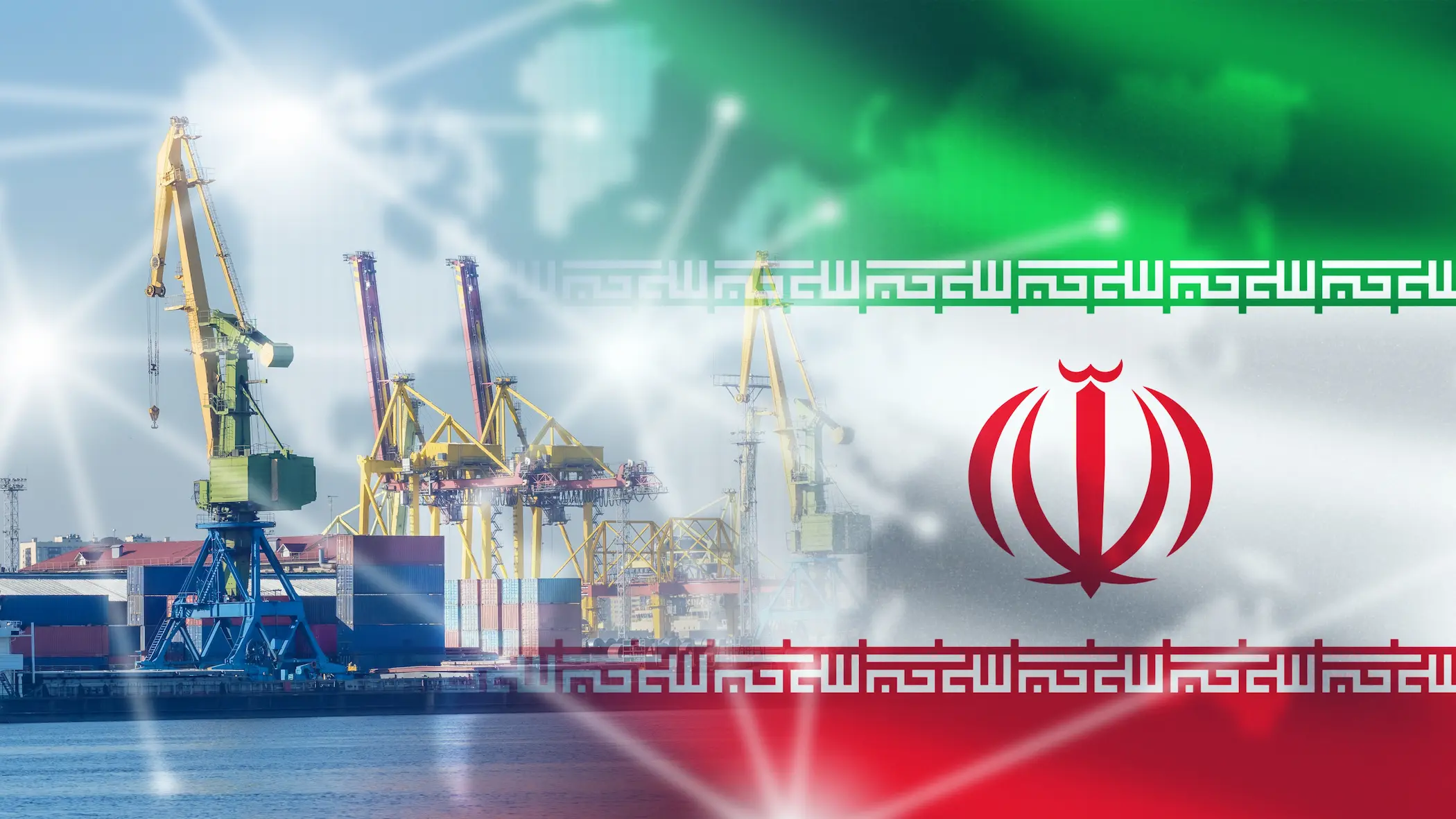
The strategically significant Rajaee Port in Bandar Abbas, southern Iran, was rocked by a massive explosion during the third round of Iranian-US talks in Oman on Saturday, April 26 2025, marking a pivotal moment that warrants in-depth analysis. Located near the Strait of Hormuz, the port serves as a critical nexus for Iran's container traffic and plays a crucial role in the country’s foreign trade, especially amid the sanctions imposed on it. Initial reports point to two primary hypotheses regarding the cause of the incident: the first suggests an accidental explosion resulting from mishandling hundreds of tons of a vital chemical substance, likely used to fuel Iran’s ballistic missile programme, reminiscent of the 2020 Beirut explosion; the second, however, raises the possibility of deliberate sabotage, potentially orchestrated by Israel with the intent to disrupt the Iranian-American diplomatic track. The timing of the explosion, coinciding with intense diplomatic efforts, adds further weight to its potential ramifications.
Regardless of the final cause, an explosion of such magnitude exposes significant vulnerabilities in Iran's security and management systems, reverberating across the entire region. It casts a shadow over diplomatic efforts aimed at addressing nuclear tensions and other unresolved issues. This commentary explores the potential post-incident scenarios, the implications of each hypothesis