
Programmes
20 Aug 2026
Iran’s Water Signal: Measuring What a Non-Event Could Become
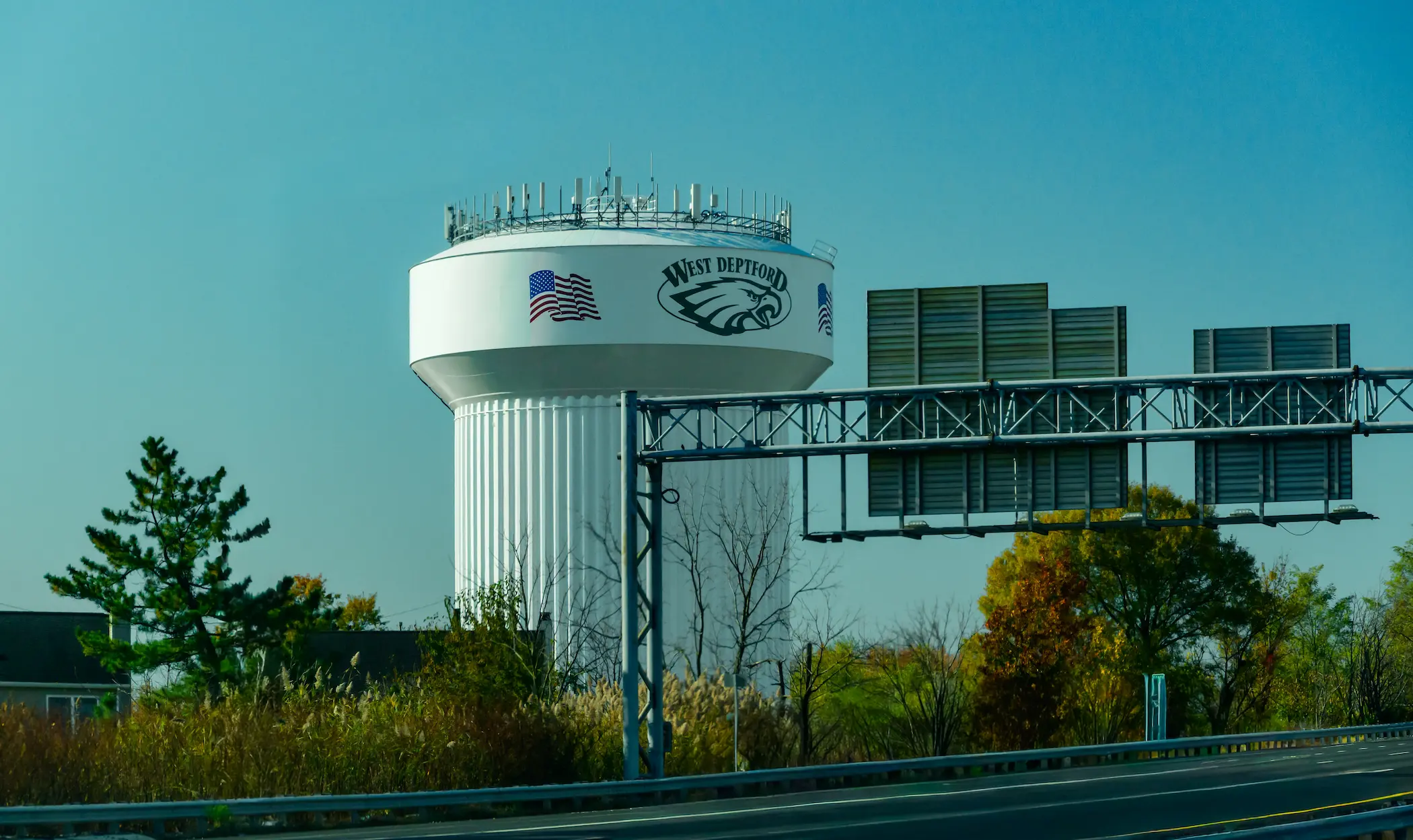
Between July 26 and 31, 2026, hackers took manual control away from water and wastewater utilities across U.S. states, Minnesota, Michigan, New Jersey, Georgia, and South Dakota among them, with more than 30 community systems hit in Minnesota alone. According to news, cyberattacks on U.S. water systems are suspected to be linked to Iran-backed hackers. Operators in Georgia's Clayton County Water Authority, serving 300,000 people near Atlanta, watched pressure drop and had to issue a boil-water advisory before service was restored within hours. In several cases, the hackers gained remote access to pumps, valves, and water pressure, though the cyberattacks have had no impact on drinking water, which has remained safe.
A hacking front calling itself CyberAv3ngers, an Iranian Revolutionary Guard Corps-linked group sanctioned by the US Treasury Department in February 2024, has since claimed the operation on Telegram, framing it as a warning rather than an attack: "our intention in attacking Minnesota was only to warn" of its abilities and its intention to retaliate against any country that poses a threat to Iran. That framing matters as it leaves us questioning whether an “actual” attack can take place.
Publications
11 Dec 2025
Narrowing Pathways: What Choices Remain as Tehran Enters ‘Water Bankruptcy’?
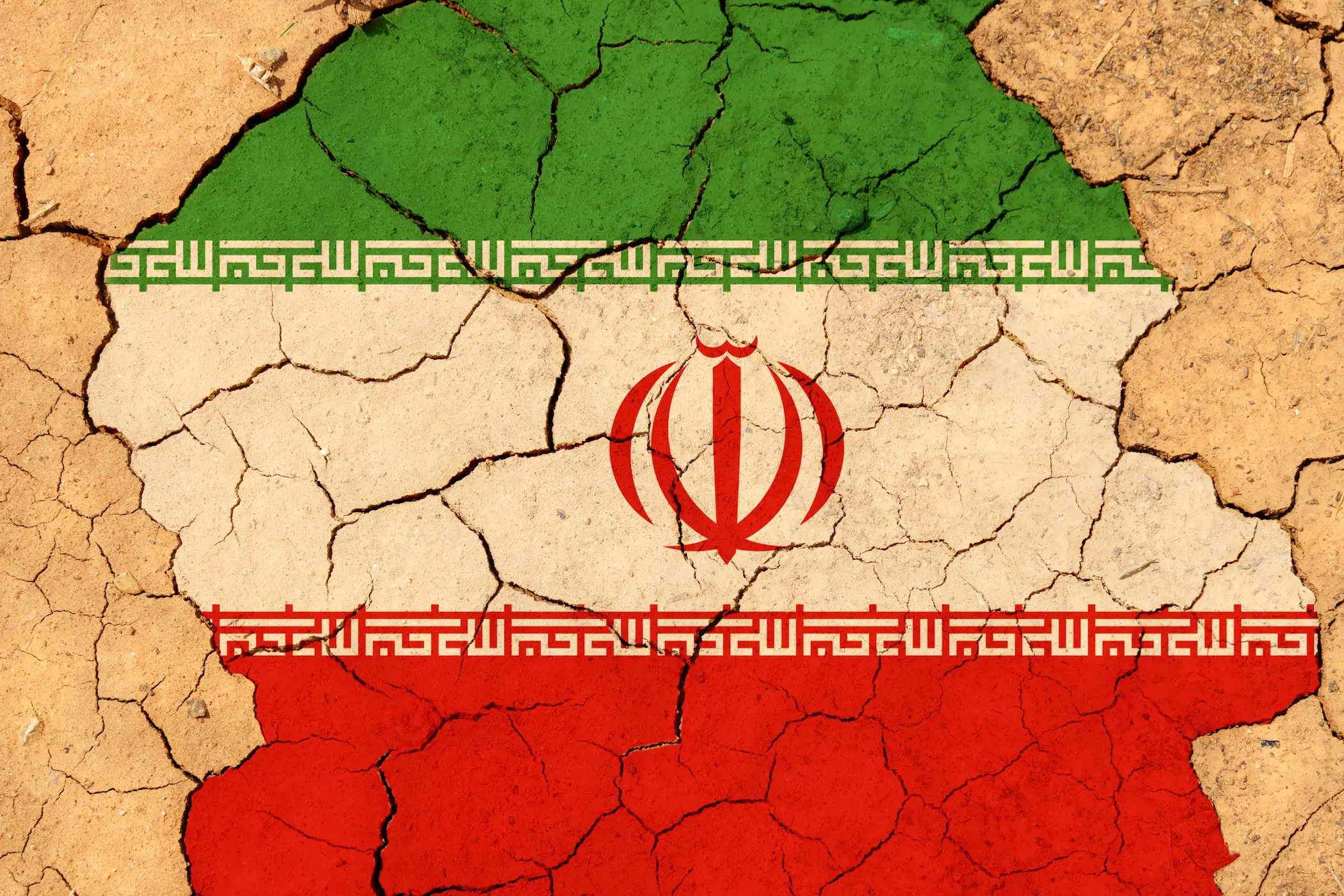
The escalating water crisis in the Iranian capital, Tehran, portends profound strategic repercussions that strike at the heart of national security and internal stability. Field indicators and updated international data up to 2025 point to the city reaching a stage of “absolute water stress.” This reality is manifested in the sharp and unprecedented decline in surface and groundwater reserves, as an inevitable result of the combination of long-term drought waves with decades of structural mismanagement and excessive depletion of resources, which has led to a decrease in the levels of strategic reservoirs to critical levels that directly threaten the continuity of drinking water supplies for millions of residents. The official warnings, hinting at the possibility of the capital drying up within weeks unless emergency measures are taken, are acquiring serious demographic and social dimensions. The danger transcends mere water scarcity, raising grave concerns about widespread social unrest, the need to adopt drastic policies such as forced displacement, or even the serious discussion of relocating the capital. Therefore, a comprehensive reform of water resource management policies, the strengthening of dilapidated infrastructure, and the adoption of sustainable solutions are imperative to contain the crisis and avert the looming scenarios of economic and security collapse.