
Programmes
26 Aug 2026
Economic Outcast: The Limits of U.S. Secondary Sanctions Against a China-Insulated Iranian Economy
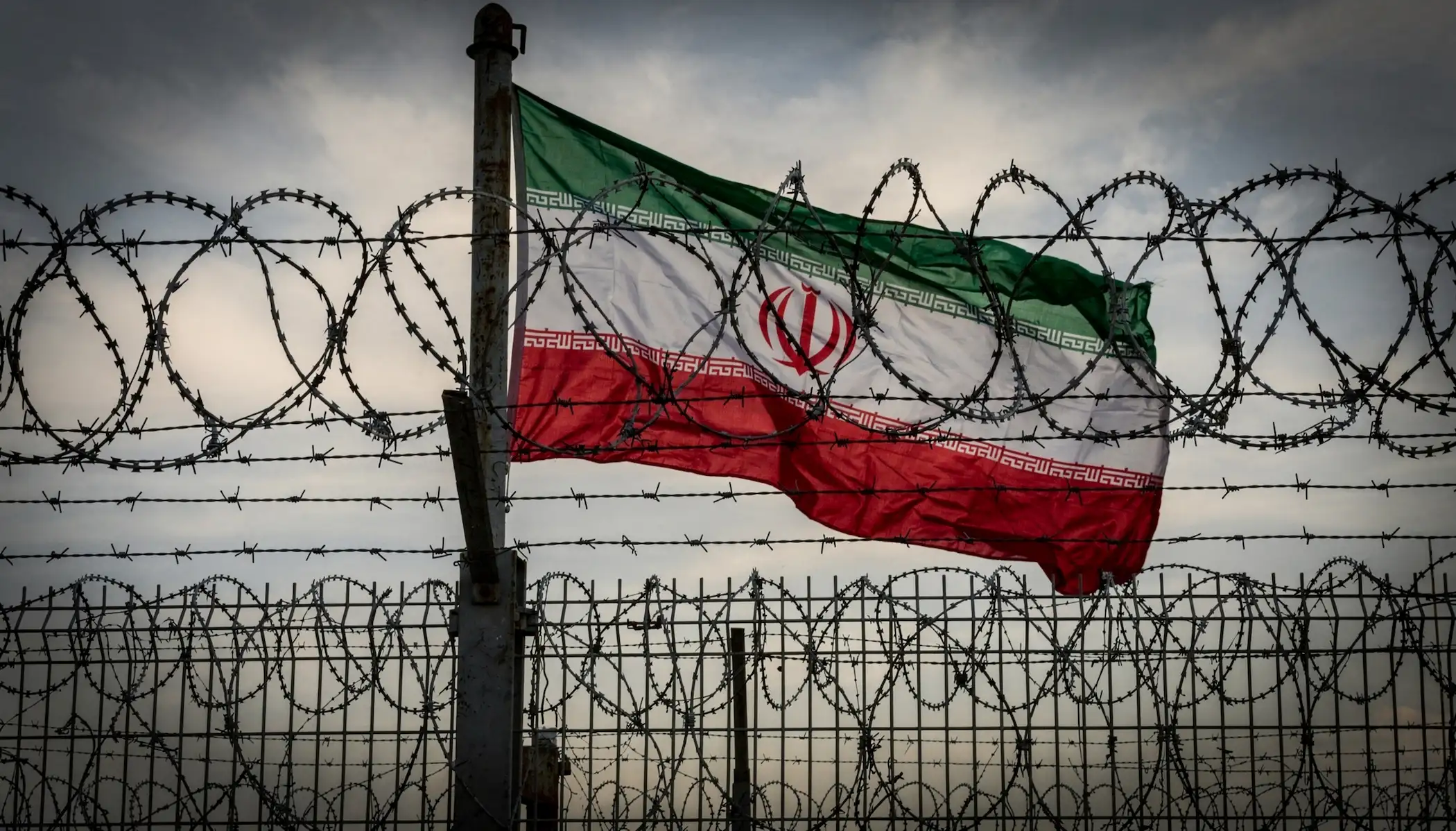
On 24 August 2026, the US Treasury announced an economic enforcement campaign under the name Operation Economic Outcast, designating close to 60 entities, individuals and vessels and issuing five unprecedented sectoral determinations under Executive Order 13902.1 Treasury Secretary Scott Bessent described the campaign as a comprehensive economic onslaught intended to sever every artery feeding the Iranian economy, while Iran's Minister of Economy, Ali Madanizadeh, dismissed it as an act of economic terrorism, insisting that his country has its own instruments and knows the rules of the game.
The significance of the campaign extends well beyond the number of designations. Washington is shifting its weight away from penalising Iranian entities and towards pursuing intermediaries in third countries: independent Chinese refineries, Gulf trading and exchange houses, and settlement channels operating outside the dollar. Yet the record since 2012 reveals a pattern that is close to invariable: sharp friction imposed from the American side, followed by structural Iranian adaptation, in which Iranian exports survive and the American stock of coercive power erodes.
This analysis therefore sets out to dissect the legal architecture of the campaign and identify what is genuinely new within it, then to test its six enforcement tracks against the structural obstacles Tehran has accumulated across four successive waves of sanctions, and finally to estimate the likely impact on the volume of Iranian exports, on the discount imposed on its crude and on the price path, while measuring the cost of compliance that financial and logistics hubs will have to absorb.
Publications
11 Dec 2025
Narrowing Pathways: What Choices Remain as Tehran Enters ‘Water Bankruptcy’?
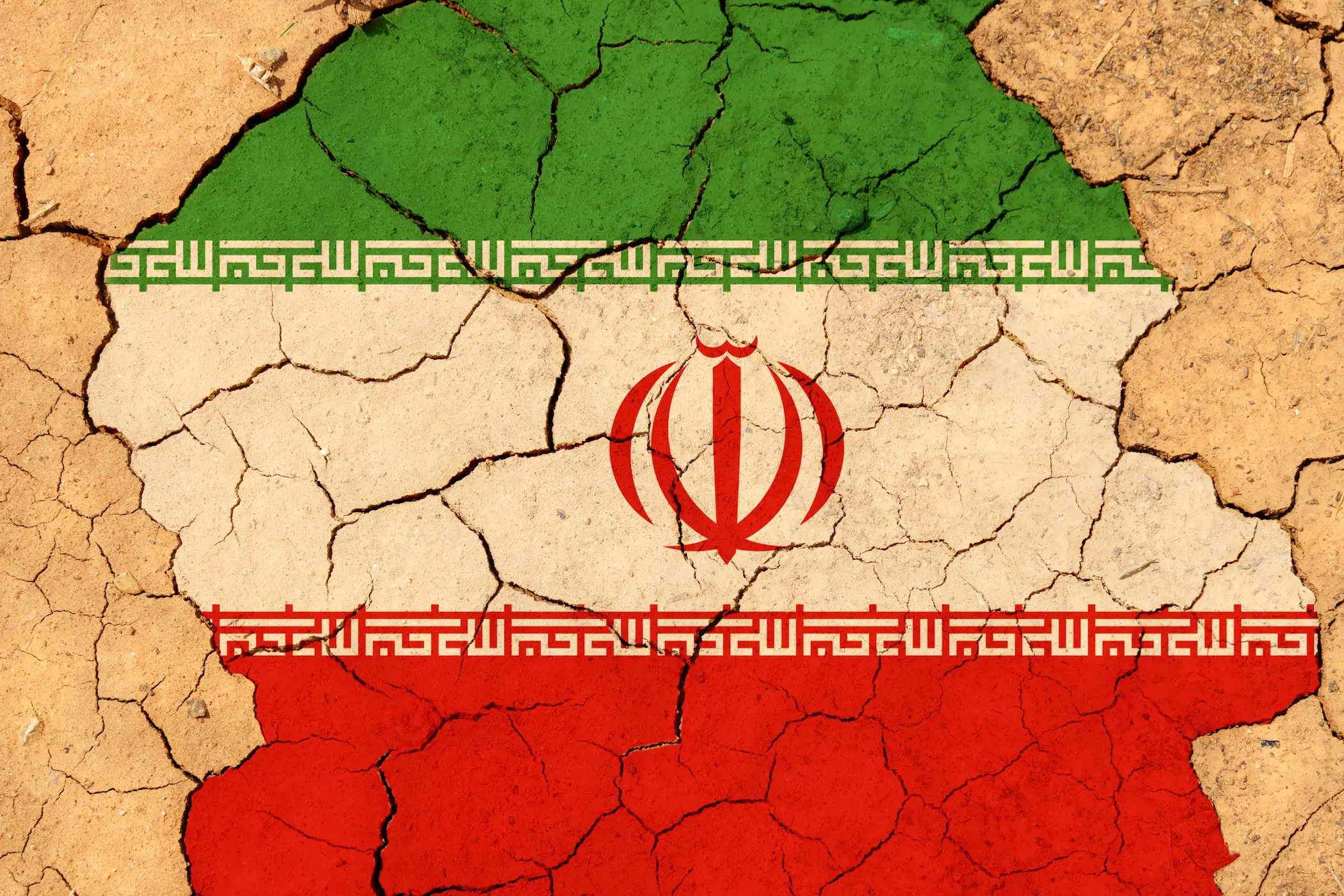
The escalating water crisis in the Iranian capital, Tehran, portends profound strategic repercussions that strike at the heart of national security and internal stability. Field indicators and updated international data up to 2025 point to the city reaching a stage of “absolute water stress.” This reality is manifested in the sharp and unprecedented decline in surface and groundwater reserves, as an inevitable result of the combination of long-term drought waves with decades of structural mismanagement and excessive depletion of resources, which has led to a decrease in the levels of strategic reservoirs to critical levels that directly threaten the continuity of drinking water supplies for millions of residents. The official warnings, hinting at the possibility of the capital drying up within weeks unless emergency measures are taken, are acquiring serious demographic and social dimensions. The danger transcends mere water scarcity, raising grave concerns about widespread social unrest, the need to adopt drastic policies such as forced displacement, or even the serious discussion of relocating the capital. Therefore, a comprehensive reform of water resource management policies, the strengthening of dilapidated infrastructure, and the adoption of sustainable solutions are imperative to contain the crisis and avert the looming scenarios of economic and security collapse.
Publications
19 May 2025
What Does the Lifting of U.S. Sanctions Mean for Syria?
The United States started putting sanctions on Syria as early as 1979, mostly because Syria was labelled as a State Sponsor of Terrorism (SST). The first designation was based on Syria's military occupation of Lebanon and its support for groups like Hezbollah that the government paid for. This early policy took a harsh and threatening stance against a government that was seen as hostile and supportive of non-state actors that were seen as a threat to U.S. interests.
After the Syrian conflict started in 2011, the U.S. greatly increased its sanctions against the Assad government. The goal of these more extensive measures was to stop the Syrian government from using violence against its people and to encourage political changes that could get to the bottom of the conflict. This was a big change from only focussing on counter-terrorism to a wider agenda that included human rights and changing the behaviour of the regime, with some elements of coercive diplomacy.
The end of Bashar al-Assad's rule in early December 2024 marks a major change in Syria's politics. This event changed the main goal of the long-standing U.S. sanctions, which were mostly aimed at the now-deposed government.
In May 2025, during a trip to Saudi Arabia, U.S. President Donald Trump made a big announcement: he would lift sanctions on Syria. He said this would "give them a chance at greatness." Many people see this announcement as a "historic development" that has "major potential to improve living conditions" and "support the Syrian political transition." The goal is to make the area more stable and improve Syria's economic prospects after years of being held back by harsh international sanctions. This paper looks at the United States' sanctions against Syria in depth, putting the recent change in policy in the context of its history and the law.