

Programmes
4 Oct 2026
Food or Fuel: The Implications of Biofuels for Global Food Security
The international system faces complex geostrategic pressures that place global supply chains under unprecedented strain. Escalating military tensions, particularly disruptions to shipping through the Strait of Hormuz, are putting pressure on oil and liquefied natural gas flows. In 2025, this passage carried around a quarter of seaborne oil trade and 19% of global trade in liquefied natural gas. These developments coincide with a shift in the Russia–Ukraine conflict towards attacks on energy infrastructure, alongside tighter restrictions on Black Sea shipping and disruptions to key export routes for strategically important grains. This convergence leaves the world caught between declining oil supplies and restricted access to part of the available food supply, complicating procurement and threatening the foundations of national security.
Faced with these shortages and rising shipping costs, some major powers and emerging economies are expanding biofuel production as an instrument of national policy to ease the energy crisis, alongside pursuing environmental objectives and supporting agricultural production. Agricultural producer countries are consequently choosing to redirect part of their strategic crop output, including maize, sugar cane and palm oil, towards biofuel plants to meet transport needs. This analysis advances the hypothesis that expanding biofuels derived from food crops may heighten the vulnerability of importing countries when demand growth outstrips the capacity of production and stocks to accommodate it, while trade policies restrict exportable supplies. The scale of this effect depends on the feedstocks used, the volume diverted and the responsiveness of production. It does not apply to the same extent to fuels produced from agricultural residues or used oils.
Import-dependent countries, particularly in the Middle East and Africa, may bear the cost of these pressures through diminished food security and domestic stability. An inability to secure food can, in this context, undermine social stability and signal the risk of political crises whose severity varies according to institutional effectiveness and the capacity to protect the most vulnerable groups. This complex situation poses an urgent question: how far can importing countries withstand the convergence of energy and food policies, and what protective mechanisms can safeguard their national security as competition intensifies between the use of crops for food and for fuel?
Programmes
8 Sep 2026
Europe’s Next Battle: The Coming Food Crisis
The last few years in European history can be described as “one battle after another”. From the start of the Russia-Ukraine war to the return of U.S. President Donald Trump for a second term and all of the headache that followed, Europe has found itself dealing with one challenge after another. Now, after years of geopolitical tensions and uncertainty, Europe may be heading towards another battle, one that could hit much closer to home: food. The continent is facing the prospect of a food shortage, and the problem has already begun to take shape.
The reasons behind it span from extreme heatwaves that are having a negative impact on crops and agriculture at large, to war-related disruptions that are affecting key trade routes and food supplies. While all of the above is already bad news for Europe, the worse possibility is that the problem might not stop at European doors and could extend into a global food crisis. Accordingly, what comes next for Europe, and can Europeans secure enough food for their people?

Programmes
2 Sep 2026
Pulse: Who Controls the Region’s Food?
Food security has become one of the most consequential strategic questions facing the Arab world. Heavy reliance on imported grain, seeds, and agricultural inputs, combined with limited control over pricing and distribution, has left the region exposed to decisions made far beyond its borders.
Programmes
14 Jul 2026
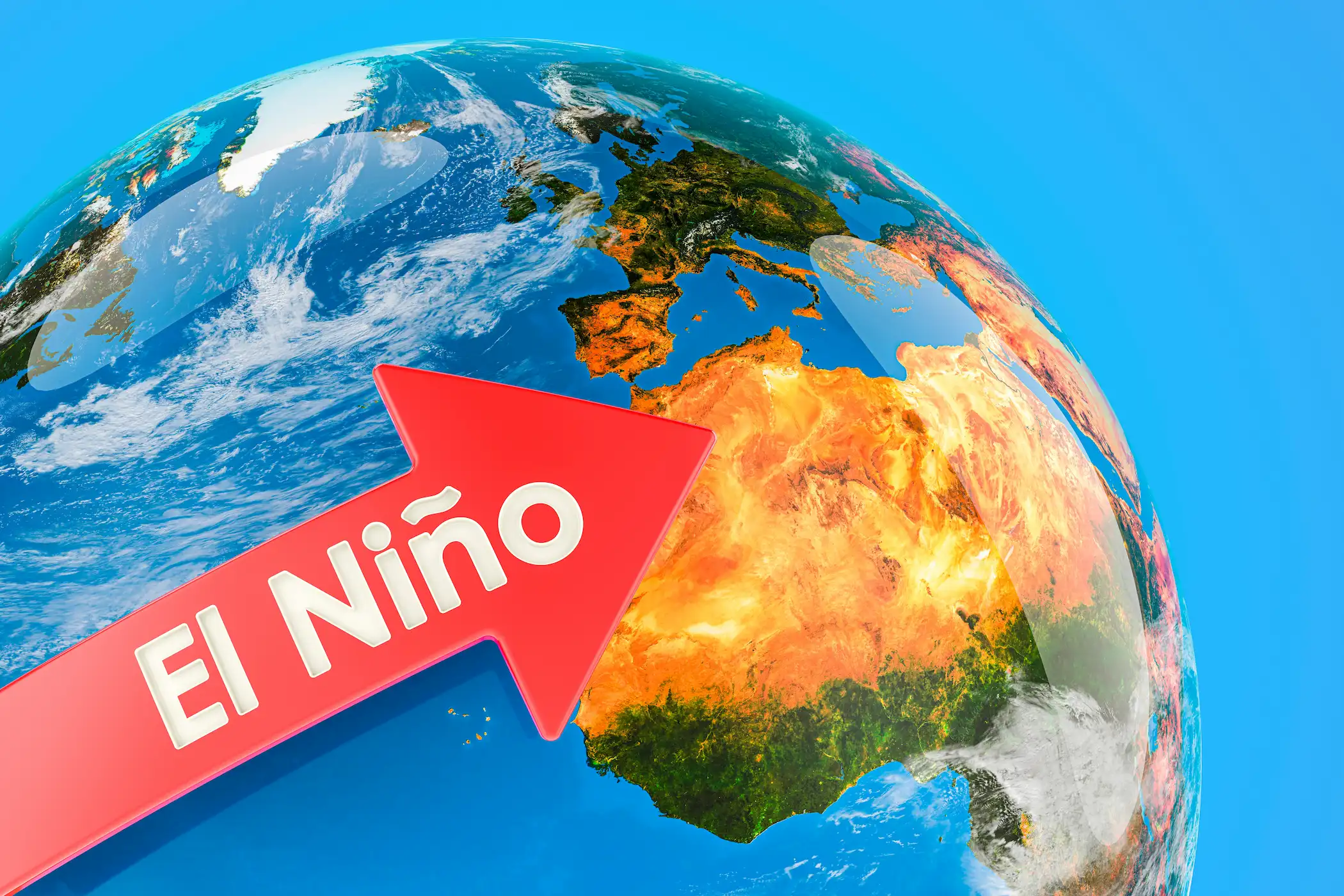
From the Climate to the Strait of Hormuz: How Will the Next Food Crisis Begin?
Global food security has rarely faced two simultaneous structural shocks of this magnitude. The February 2026 closure of the Strait of Hormuz, triggered by the escalating US-Israel-Iran conflict, severed the world's most critical maritime corridor for energy, fertilizer, and food trade in a single blow. Thousands of miles away, El Niño, a periodic warming of the equatorial Pacific Ocean that triggers droughts, weakens monsoons, and disrupts growing conditions across the globe, is intensifying at a pace forecasters warn could make it one of the most severe events since records began.
Each shock alone would constitute a serious test for global food systems. Together, they converge on a region structurally designed to withstand neither. In 2026, both shocks are unfolding simultaneously, stacked on top of fertilizer markets already in crisis — a compounding that no previous El Niño episode has faced. The question is no longer whether they will converge, but how severe the consequences will be for a region structurally unprepared for either.
Programmes
20 Mar 2026
Iran’s Fragile Economic Adaptation Under Military Pressure
One of the most structurally fragile economies in the Middle East serves as the backdrop to Iran’s current military confrontation. Extensive international sanctions have, for more than a decade, restricted Iran’s access to global financial markets, constrained its energy exports, and limited foreign investment. Gradually, the Iranian economy came to evolve as a sanctions-adaptation economy, surviving persistent external pressure through informal trade networks, shadow energy exports, and alternative financial channels instead of collapsing outright.
Yet unlike sanctions, which create gradual economic constraints, war introduces a fundamentally different kind of shock by disrupting logistics networks, causing unprecedented damage to national infrastructure and compelling the state to reallocate its resources toward defense spending amid military escalation. Such shocks, for an already fragile economy operating at the limits of macroeconomic stability, can generate disproportionate consequences. The current conflict therefore brings into focus a central economic question: can Iran’s sanctions-adapted economy withstand the pressures of war, or will military escalation reveal structural weaknesses previously concealed by the sanction’s system?
Programmes
18 Mar 2026
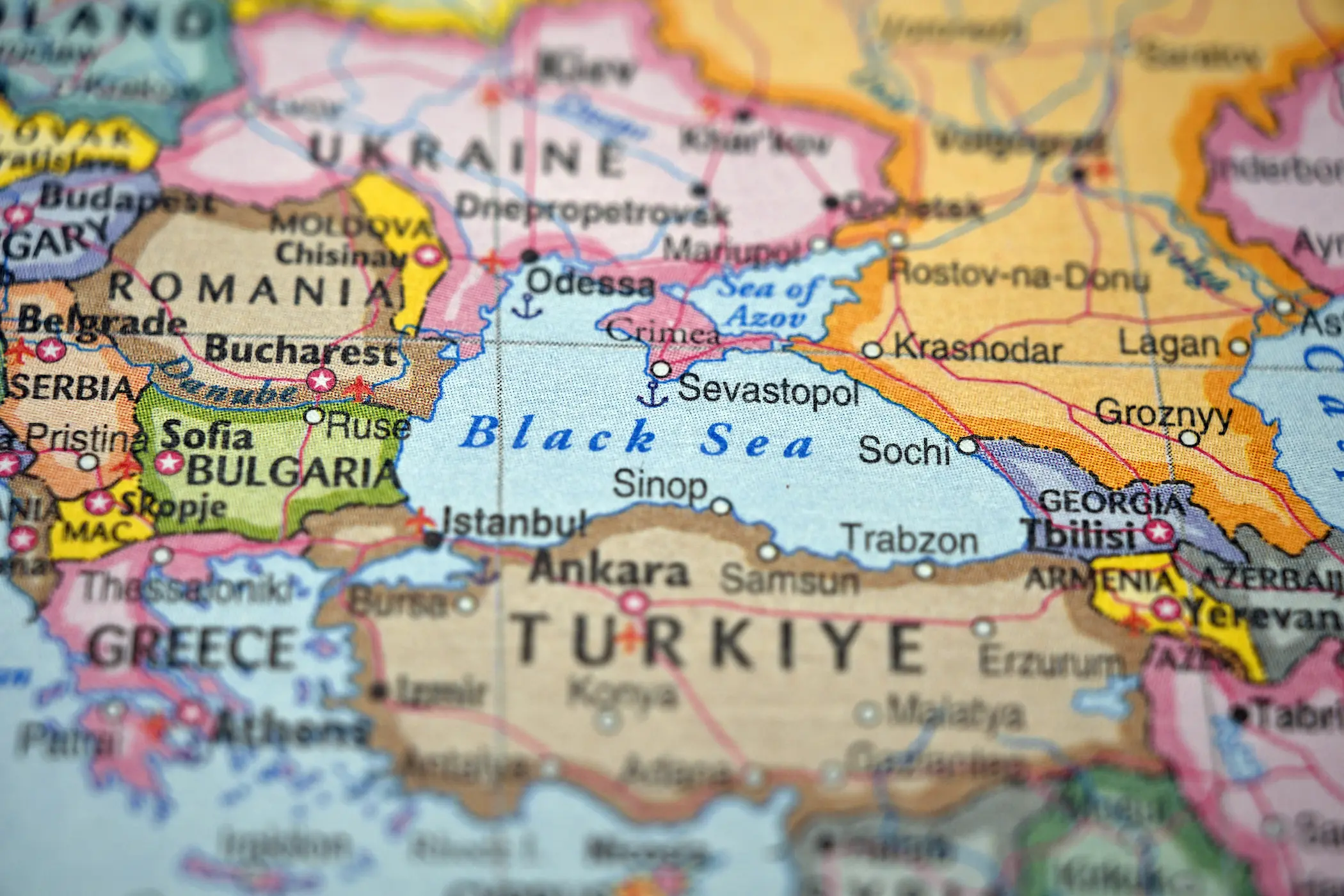
Can the Black Sea Initiative Resolve the Strait of Hormuz Crisis?
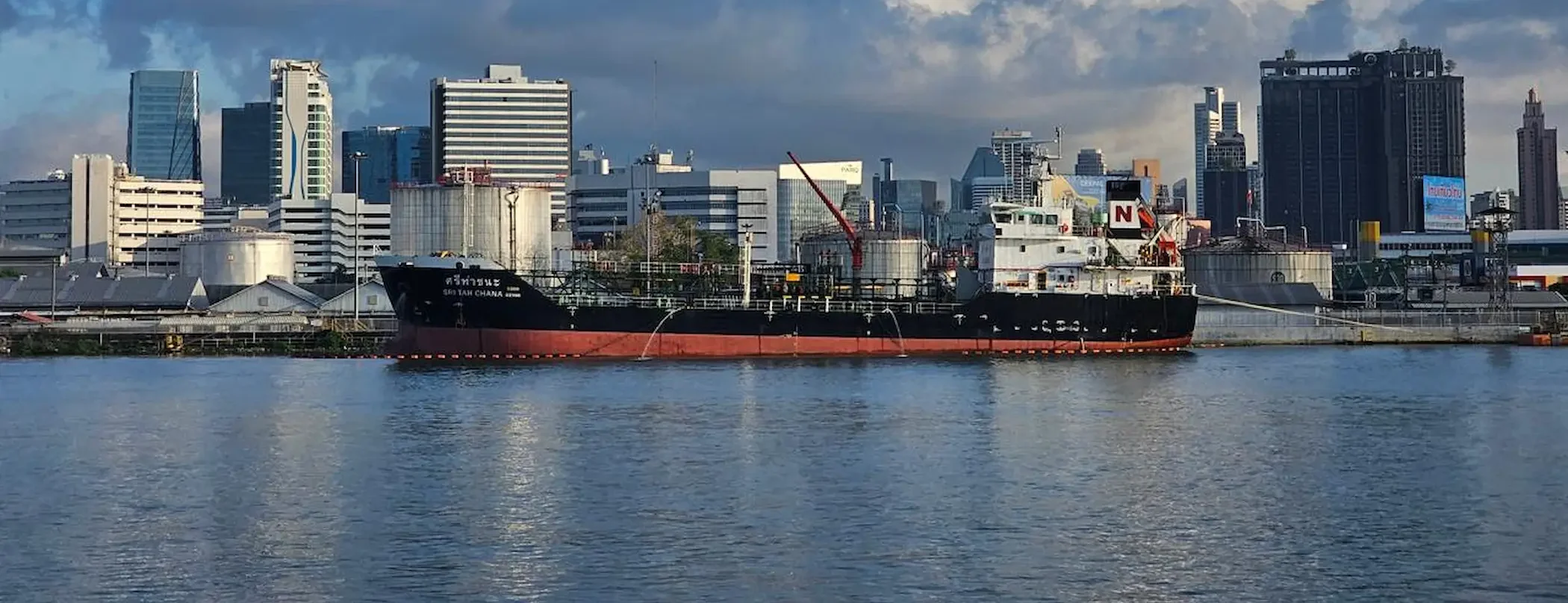
The global political and economic landscape is undergoing structural shifts following the outbreak of US and Israeli military operations against Iran in late February 2026. In response to this escalation, the Iranian leadership adopted a strategic decision to close the Strait of Hormuz to commercial shipping and oil tankers, leveraging its asymmetric capabilities, including naval mines, advanced missile systems, and drones, to transform the strait into an active military theatre.
The Strait of Hormuz constitutes a critical artery for global energy supplies, with approximately 20 million barrels of oil transiting through it daily, accounting for around 20% of global consumption, as well as shipments of liquefied natural gas (LNG). The closure has produced immediate economic repercussions, including the suspension of maritime traffic, the withdrawal of insurance coverage by shipping insurers, and a sharp surge in oil prices, which have exceeded $120 per barrel. In an effort to contain the crisis, the European Union’s High Representative for Foreign Affairs and Security Policy, Kaja Kallas, proposed a diplomatic initiative to establish a secure maritime corridor in the Strait of Hormuz under United Nations supervision to ensure the safe flow of energy supplies.
Kallas’s initiative draws on the “Black Sea Initiative” model, which enabled the export of Ukrainian grain under international guarantees. European efforts are driven by concerns that disruptions to gas supplies could undermine global food production, given their direct linkage to fertiliser manufacturing. The initiative, therefore, seeks to insulate energy vessels from military targeting to preserve global economic stability. Against this backdrop, the central question arises: to what extent can this initiative help de-escalate the current crisis, and what alternatives remain should the Black Sea model prove unviable?
Programmes
13 Mar 2026
Countdown to Famine: Will the Strait of Hormuz Lead Iran into a Severe Food Crisis?
While global attention remains focused on the situation in the Strait of Hormuz, through which nearly twenty million barrels of crude oil pass each day, less attention is given to the potentially more significant developments occurring within Iran’s borders. As of March 2026, the military strikes carried out by the United States and Israel generated what can be described as a caloric chokepoint effect, which cannot be offset by any level of kinetic military capabilities. According to the Islamic Republic of Iran, the country’s principal vulnerability in the 21st century lies in its deep-water grain elevators, rather that its military power.
While Iran’s food supply system is logistically fragile and assumes that the country’s southern ports will always remain accessible and fully operational, however, the withdrawal of war-risk insurance and the stalling of shipping through Bandar Abbas have invalidated this assumption. Therefore, describing the current situation merely as a trade disruption is inaccurate, as it effectively represents a biological countdown.
As operational feed stocks decline to a fourteen-day supply, the resulting protein shortage poses a significant risk of domestic instability—an effect that conventional military strikes are unlikely to match.
Programmes
22 Jun 2025
What If: Iran Attacked the Dimona Reactor?
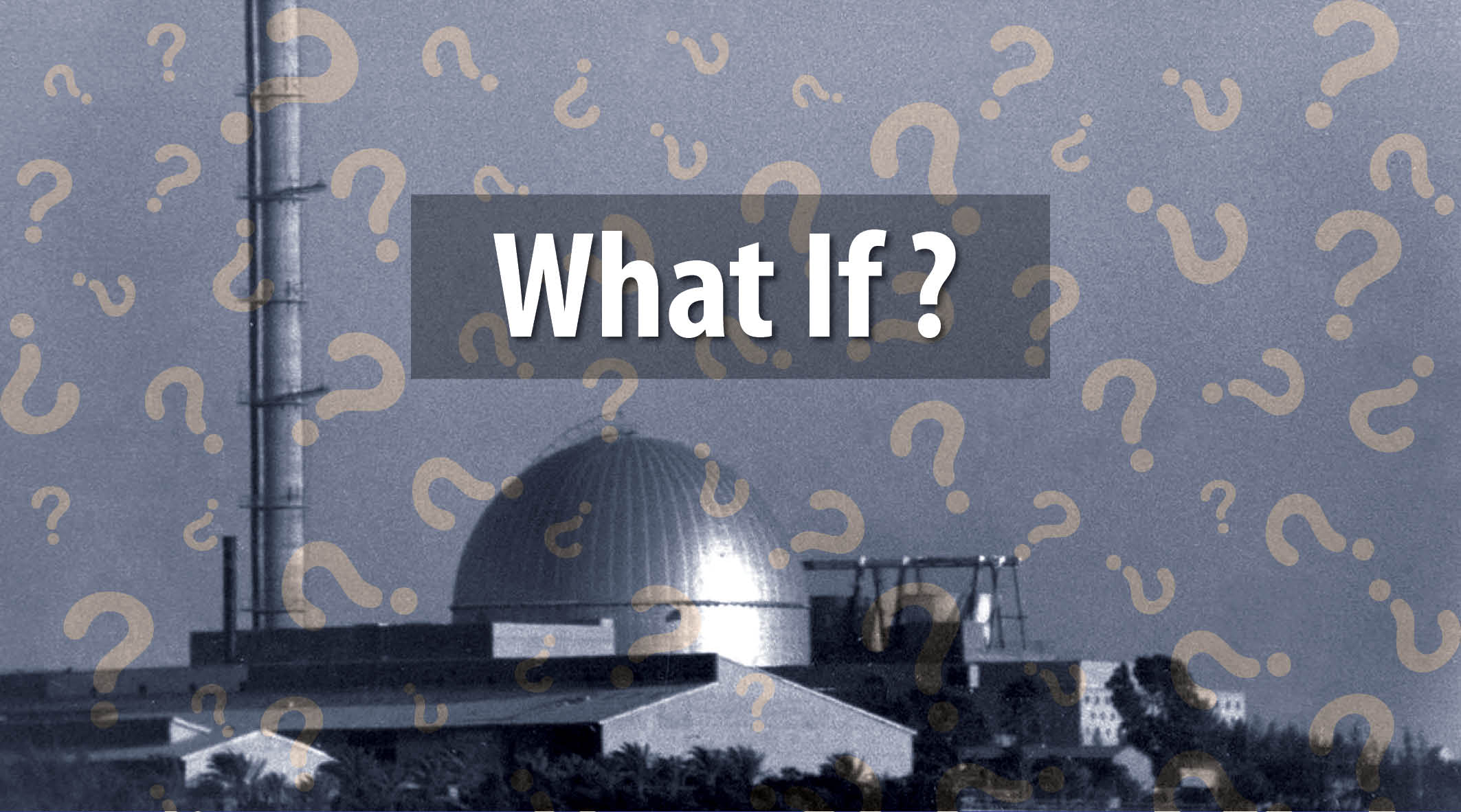
Amid the intensifying confrontation between Iran and Israel throughout 2025, the prospect of a direct strike against Israel’s Dimona nuclear facility has moved from a remote possibility to a plausible escalation scenario. As military operations increasingly target strategic infrastructure on both sides, the regional system faces the risk of a threshold breach—one that could trigger not only military and political consequences but also a multidimensional crisis involving radioactive contamination, mass displacement, and economic collapse across multiple states.
While Israel would undoubtedly bear the immediate brunt—facing mass civilian evacuations, irreversible environmental degradation in the Negev, and the paralysis of its agricultural and tourism sectors—the ripple effects would extend far beyond its borders.
Jordan’s border regions and agricultural zones in the Jordan Valley could face contamination and humanitarian strain, potentially requiring the evacuation of tens of thousands of people. Egypt’s Sinai Peninsula and northern Suez region could suffer fallout exposure, disrupting global shipping through the canal and threatening the Red Sea tourism corridor. Saudi Arabia’s northern provinces, including areas tied to its Vision 2030 megaprojects, could face both environmental and demographic disruption.
Programmes
14 May 2025
What If: The India-Pakistan Ceasefire Collapses?
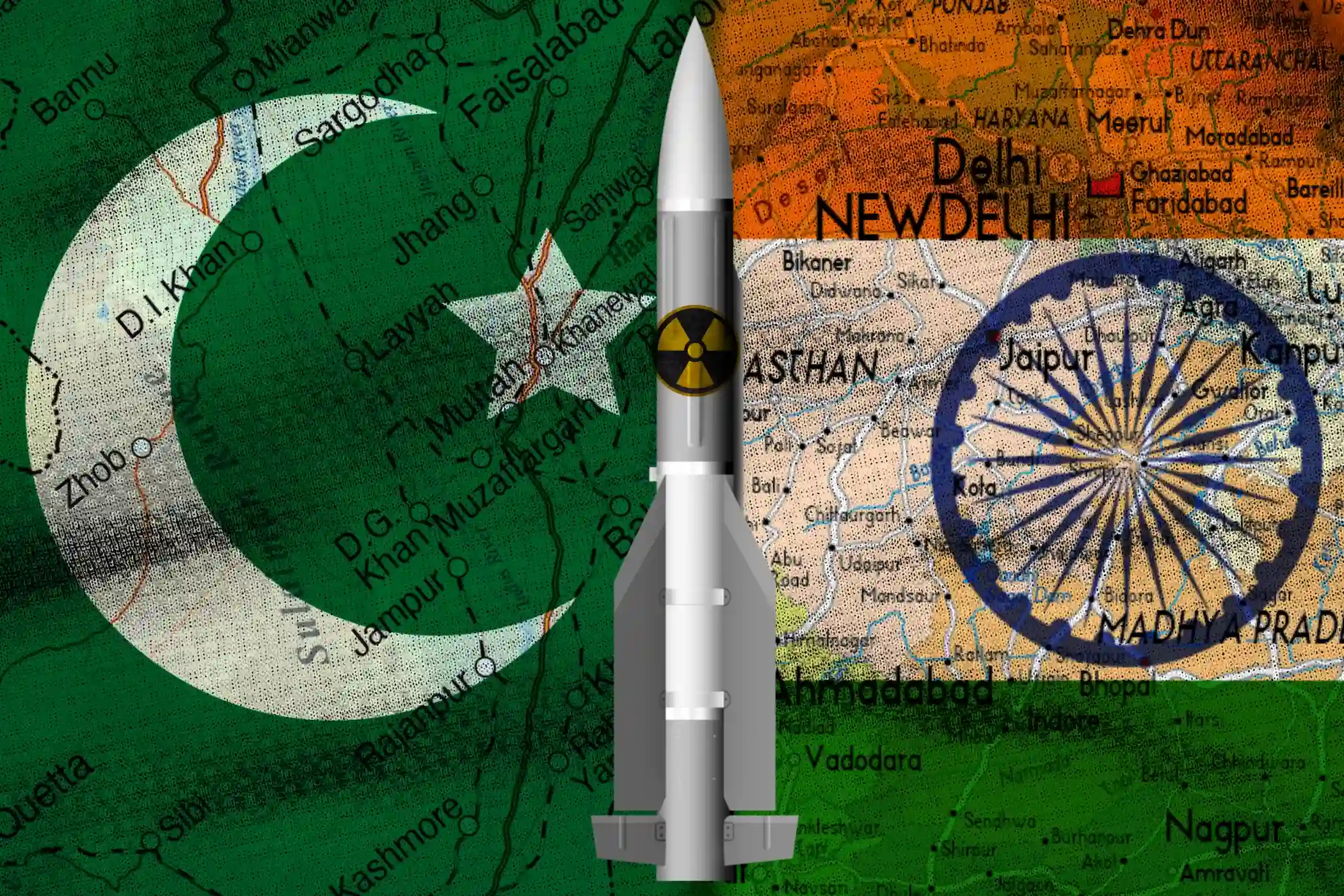
The recent U.S.-brokered ceasefire between India and Pakistan, following four nerve-racking days of escalating military exchanges, offered a moment of reprieve from the brink of what many feared could become an all-out conflict between the two nuclear-armed neighbors. Missiles and drones crossed borders, tensions were sky-high, and the language from both capitals was increasingly aggressive. President Trump's sudden announcement of a truce, while welcomed, underscored the inherent fragility of the situation. Amid celebrations in India and Pakistan, and self-congratulations in Washington, Kashmir endured another night of violence, with both sides claiming violations. This temporary calm exists against a backdrop of deep-seated historical grievances, unresolved territorial disputes, evolving nuclear doctrines, and a complex interplay of internal and external pressures. The critical question now is not just how the ceasefire was achieved, but whether it can hold, and what the consequences would be if this fragile truce were to collapse.
Publications
2 Mar 2023
In the Eye of the Storm: Food Security in MENA Region
According to a report by the United Nations Food and Agriculture Organization (FAO) on the state of food security and nutrition in the world in 2022, it is estimated that between 702 and 828 million people were affected by hunger in 2021, consisting of 278 million people in Africa, 425 million in Asia, and 56.5 million in Latin America and the Caribbean. The number has grown by about 150 million since the outbreak of Covid-19. The Russia-Ukraine War, involving two of the biggest producers in agriculture and staple cereals globally, is disrupting supply chains and further affecting global grain, fertilizer, and energy prices, leading to shortages and fuelling even higher food price inflation. Additionally, food security is a significant challenge in the Arab region, which is facing rising economic, socio-political, and environmental challenges impacting the food security of its growing population.
Hence, our study has examined the factors that affect food security, and our analysis allowed us to determine the top five factors affecting food security: climate change, conflict, overpopulation, inflation, and scarce resources. The study will analyze each factor separately and their effect on food security globally and in many regions, with a focus on the Arab region. Secondly, the study will analyze factors of food insecurity separately and its impact on four significant countries: Egypt, the United Arab Emirates, the Kingdom of Saudi Arabia, and Jordan.
We found that the factors we examined have mainly negative effects on food security, with the exception of climate change, which will positively affect some regions for the time being, and natural resources, which has some aspects that effect food security positively. Additionally, we found that the factors are interconnected since for example, conflict negatively affects food security, and it could increase food prices, as in the current Russia-Ukraine War. Likewise, the adverse impacts of climate change are expected to raise food prices further and dampen the region’s food demand translating into direct increases in malnutrition levels.
Finally, after reviewing the effects of factors on food security, we elaborated some recommendations in order to deal with the adverse effects.
Programmes
10 Feb 2023
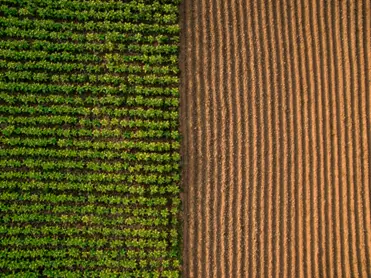
Green Protectionism? Looking at Europe’s Agricultural Policy
The European Union’s position as a leader in sustainability and environmental protection is coming into question with the bloc’s recent programs and policies mainly, the new Farm to Fork strategy and the updated Common Agricultural Policy. On the one hand, the EU faces criticism from non-governmental organizations and scientists regarding the extent to which policies are actually “green” and on the other hand they also face pressures from farmers and cooperatives who are concerned about the implications of policies on farmers and production. Additionally, there is cause for concern about the impact on agricultural production and food security in developing countries. Since contemporary agriculture is not a closed autonomous system, rather one where policy changes create shifts in agrarian markets that ripple across all sectors and throughout the global economy, and Europe has one of the world’s largest agriculture industries, it is imperative to evaluate the current trajectory of green agricultural policies in order to identify if, when and how this will cause a shift in agricultural practices and markets globally. The question is, are Europe’s efforts to make agriculture sustainable genuine or is there a glass ceiling on reforms? And what could this mean for developing countries that are just starting on the sustainability path?