
Programmes
24 Mar 2026
The Ripple Effect of the US-Israel-Iran War on the Russia–Ukraine War
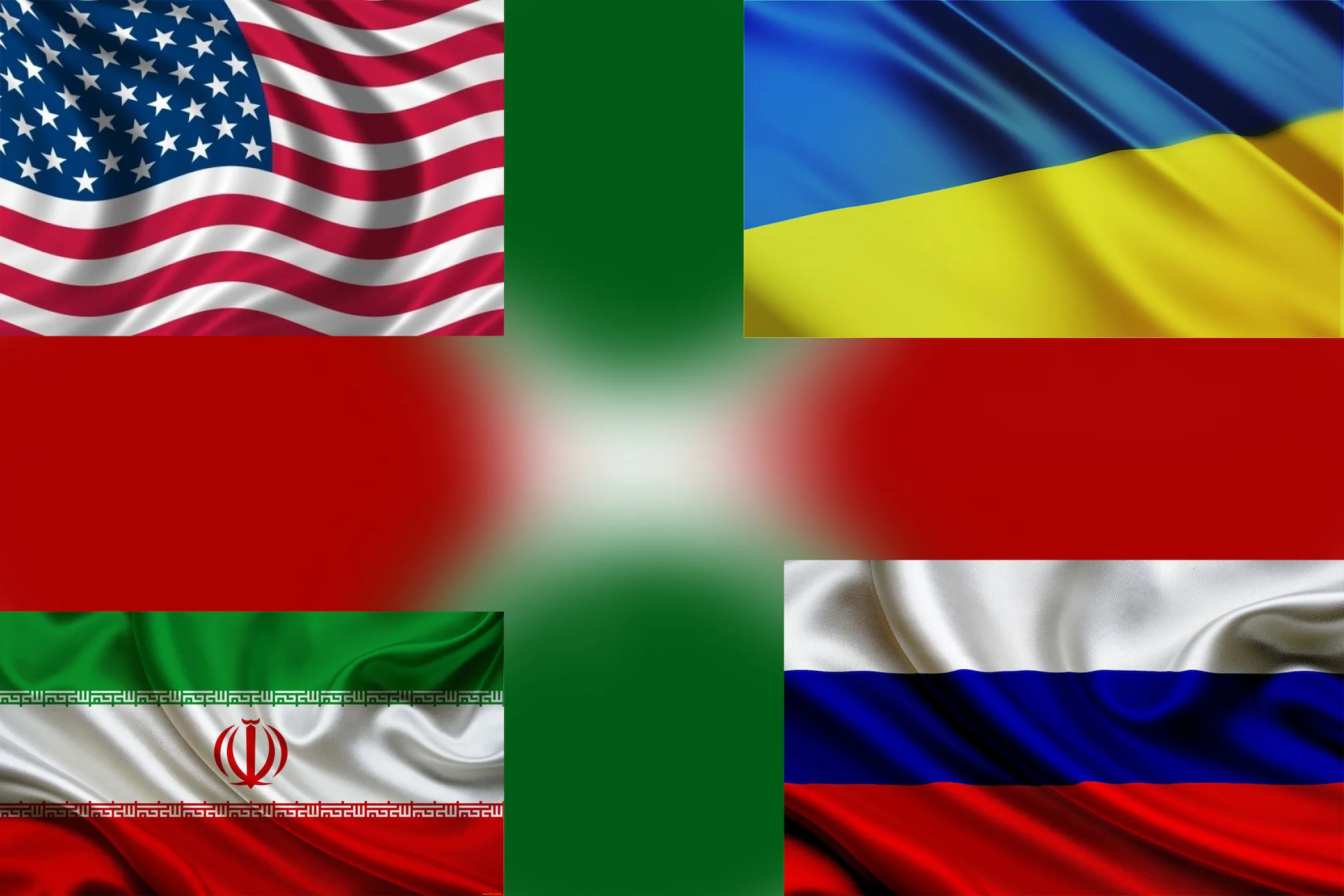
The long-standing efforts to end the Russia-Ukraine War were disturbed by the sudden outbreak of the U.S.-Israel-Iran War. The strikes carried out by the United States and Israel against Iran, and their broader spill-overs across the Middle East, have hindered the already difficult peace negotiations between Moscow and Kyiv. This escalation raises concerns about the extent to which the U.S.-Israel-Iran War could have on the broader geopolitical dynamics. This war risks diverting global attention away from efforts to resolve the Russia-Ukraine War and, at the same time, raises concerns about the extent to which it could reshape power dynamics and influence the trajectory of this war.
Programmes
15 Mar 2026
Strait of Hormuz Closure: How Middle Eastern Crises Are Reshaping the Global Nuclear Energy Landscape
The United States and Israel launched Operation Epic Fury in late February 2026, targeting Iran’s nuclear and missile infrastructure and seeking to remove its political leadership. Although the operation achieved its initial tactical objectives with high precision, it provoked an asymmetric retaliatory response from the remaining Iranian forces. This response took the form of a comprehensive blockade of the Strait of Hormuz, the world’s most critical maritime artery for energy transport, triggering a severe global economic shock. Such disruption could propel the international system towards reducing its reliance on fossil fuels and accelerating the adoption of alternative domestic energy solutions, most notably nuclear power.
At the same time, global electricity demand is rising sharply, driven by the rapid expansion of advanced artificial intelligence infrastructure and high-performance computing facilities. This sudden disruption of fuel supplies places policymakers in major industrial economies under immediate economic and security pressures, while simultaneously exposing the profound consequences of closing the Strait. In this context, the present analysis examines the repercussions of the Strait of Hormuz's closure on global supply chains. It then develops a historical comparison with the oil price shocks of the 1970s, illustrating how those crises redirected states towards nuclear technology. The study concludes by analysing emerging regulatory and financial measures, as well as new geopolitical alignments, that are accelerating the global drive to construct nuclear reactors in 2026.
Programmes
14 May 2025
What If: The India-Pakistan Ceasefire Collapses?
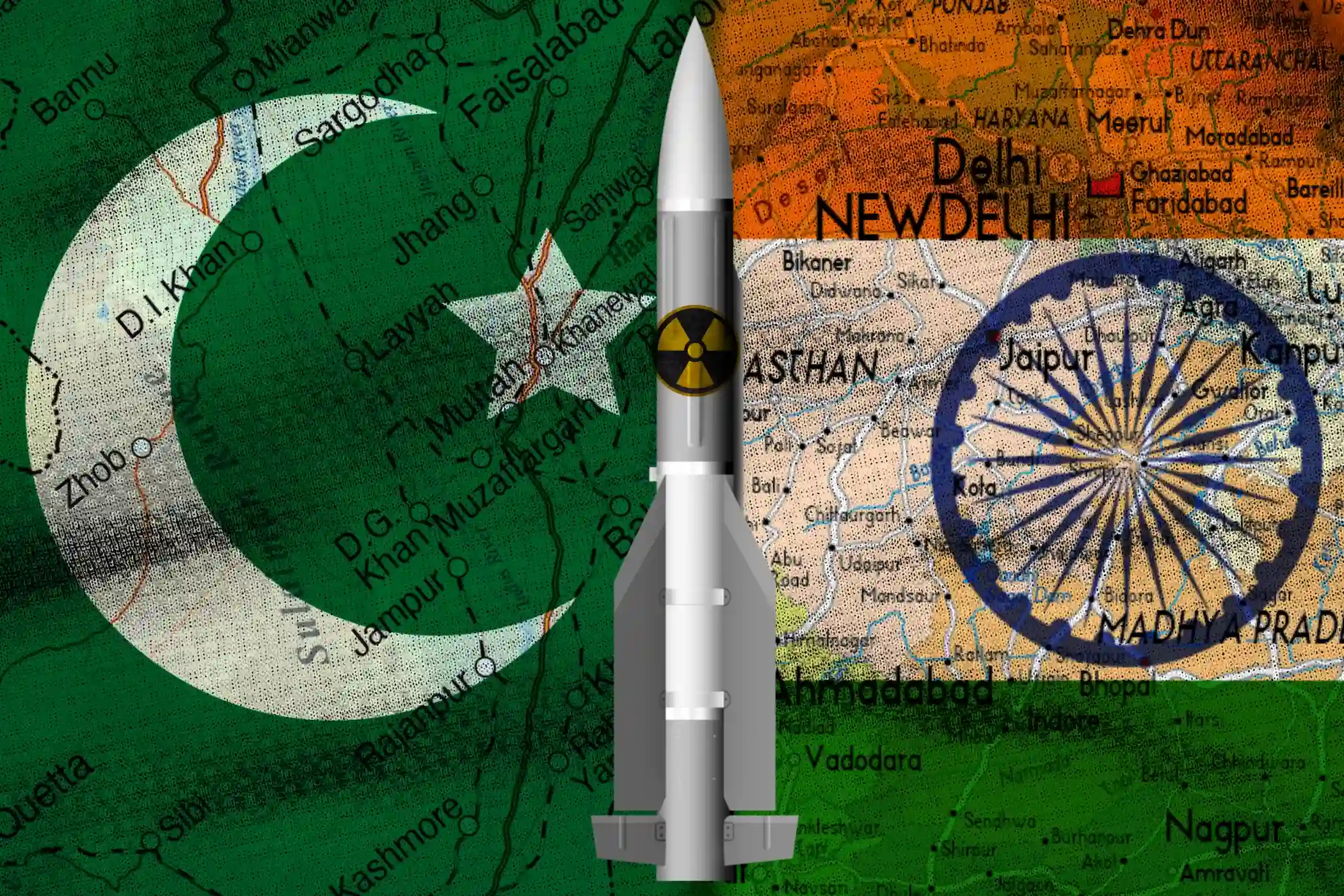
The recent U.S.-brokered ceasefire between India and Pakistan, following four nerve-racking days of escalating military exchanges, offered a moment of reprieve from the brink of what many feared could become an all-out conflict between the two nuclear-armed neighbors. Missiles and drones crossed borders, tensions were sky-high, and the language from both capitals was increasingly aggressive. President Trump's sudden announcement of a truce, while welcomed, underscored the inherent fragility of the situation. Amid celebrations in India and Pakistan, and self-congratulations in Washington, Kashmir endured another night of violence, with both sides claiming violations. This temporary calm exists against a backdrop of deep-seated historical grievances, unresolved territorial disputes, evolving nuclear doctrines, and a complex interplay of internal and external pressures. The critical question now is not just how the ceasefire was achieved, but whether it can hold, and what the consequences would be if this fragile truce were to collapse.
Programmes
25 Feb 2023
Radical Transformations: Repercussions of Russian Oil Price Cap on Global Energy Trade Paths
In February 2023, the European Union (EU) agreed to set a price cap on Russian refined oil products at $100 per barrel. The EU also set the price cap on Russian crude oil at $45 after setting it at $60 per barrel in cooperation with the Group of Seven (G7) countries in early December 2022, according to a periodic review every two months.
The European decision aims to control energy prices generally and stop price fluctuations that have affected global markets since the Covid-19 pandemic and the following events, particularly the commodity supercycle and the Russian-Ukrainian war. Furthermore, the Europeans aim to cut off the funding sources from the Russian federal budget that funds the military operation in Ukraine. In 2021, Russia exported oil worth around $212.4 billion of its $492.3 billion total exports to the rest of the world.
In response, the Russian government issued a decree on December 28, 2022, prohibiting the export of crude oil and petroleum products to countries with imposed price caps. Europe is the third-largest oil importer in the world after China and the United States. Conversely, Russia ranks first on the list of suppliers to the European continent while ranking second worldwide regarding oil exports. Therefore, we track in this article how the price cap decision may alter the global energy transmission paths.

Programmes
14 Feb 2023
New Gulf: Russo-Ukrainian War and Emergence of North Africa’s Energy Sector
The Russian-Ukrainian war created significant uncertainty in the world’s energy markets and disrupted trade relations between the second-largest energy exporter and the second-largest energy importer. This disruption strongly signals a shift in the global energy supply chains, as indicated in a previous analysis. In the short term, Europe is expected to turn to the Arab Gulf to fill the gap left by the lack of Russian energy products.
However, in the long term, Europe will need to find sources that are highly sustainable, affordable, and less harmful to the environment than oil. This is because petroleum usage is incompatible with the European Green Deal (EGD), which aims to achieve carbon neutrality for the entire European continent by 2050. Furthermore, the EGD seeks to reduce greenhouse gas emissions from the mainland by around 55% below 1990 levels by 2030, which is unattainable with continued oil usage.
As a result, Europe will turn to its neighbours, particularly those in North Africa, who possess a variety of energy sources that can help it achieves its objectives and guarantee energy sustainability. Thus, this article explores Europe’s energy requirements and assesses the potential of North Africa’s energy resources to meet these requirements.