
Programmes
24 Mar 2026
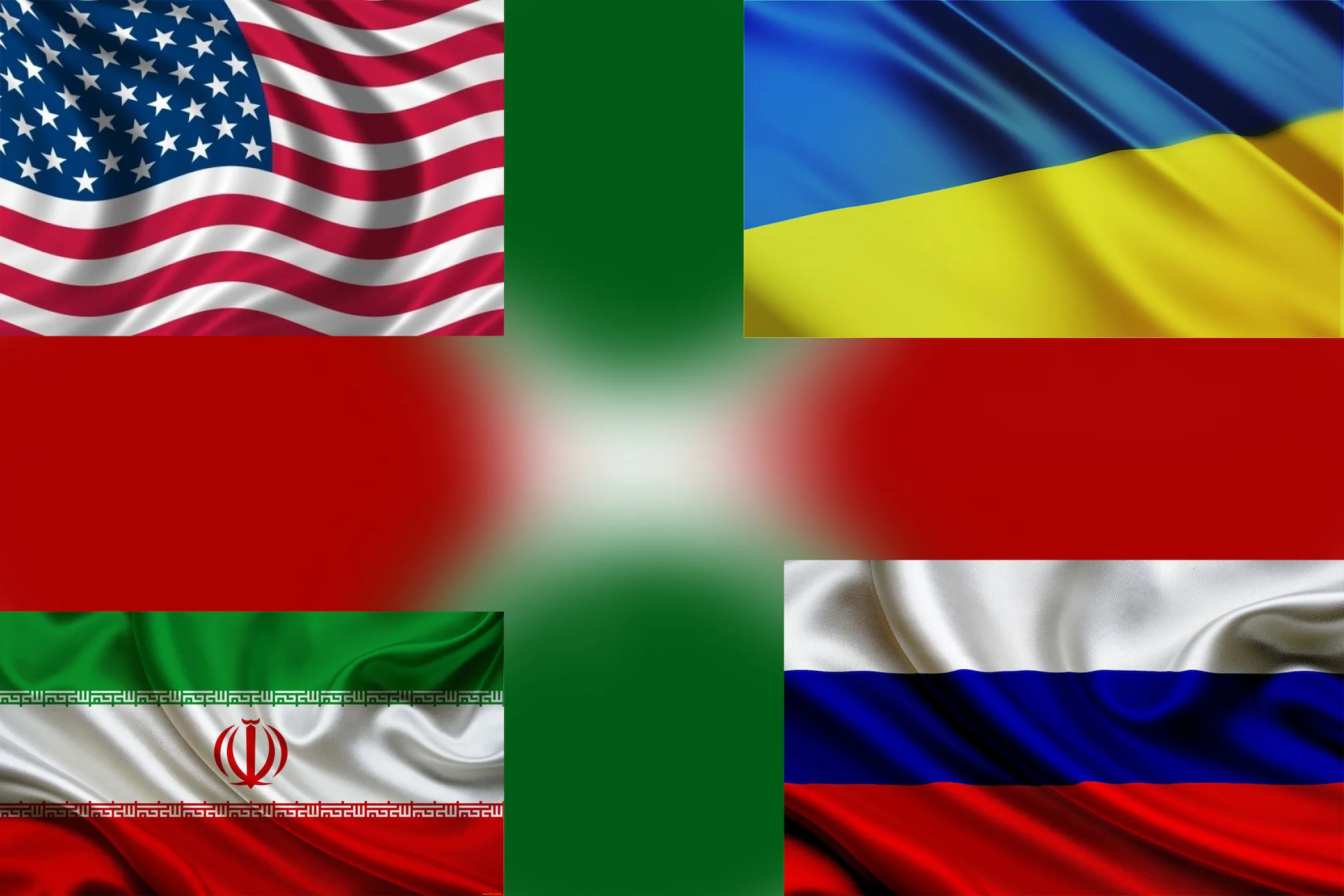
The Ripple Effect of the US-Israel-Iran War on the Russia–Ukraine War
The long-standing efforts to end the Russia-Ukraine War were disturbed by the sudden outbreak of the U.S.-Israel-Iran War. The strikes carried out by the United States and Israel against Iran, and their broader spill-overs across the Middle East, have hindered the already difficult peace negotiations between Moscow and Kyiv. This escalation raises concerns about the extent to which the U.S.-Israel-Iran War could have on the broader geopolitical dynamics. This war risks diverting global attention away from efforts to resolve the Russia-Ukraine War and, at the same time, raises concerns about the extent to which it could reshape power dynamics and influence the trajectory of this war.

Programmes
12 Sep 2024
Turkey and Somalia: A New Rising Pact in the Horn of Africa
Turkey has a deep interest in the Horn of Africa and considers it as the gate to the East of the continent. Since 2011, Turkey has increased its humanitarian aid to Somalia, signed military and economic agreements and contributed to the process of state-building through allowing its companies to construct infrastructure, schools, hospital, and governmental premises. In 2017, Turkey has opened the largest military base, known as TURKSOM, beyond its borders to fully qualify the Somali army to deter the threat arising from the Al-Shabab movement that has been designated as a terrorist organization by the United States (U.S.) since 2008.
In February 2024, Turkey signed significant military and economic agreements with Somalia, allowing it to a key player in the politics of Horn of Africa. According to the 10-year pact, Turkey will help Somalia to defend its maritime against piracy, smuggling, and foreign intervention from Ethiopia. Turkey is also obliged by the terms of this agreement to train and rebuild the Somali naval forces. The process of rebuilding includes weaponizing the Somali naval forces with Turkish weapons manufactured locally. These weapons include frigates built mainly for the Somali navy, which means that the Turkish military exports will witness an increase of demand on its products in the forthcoming years. This would motivate other countries to buy Turkish weapons, especially if Turkish weapons proved its efficiency in securing Somali maritime. These agreements also enable Turkey to work on extracting natural resources from the Somali territorial water in return for an agreed-upon percentage for Turkey. Some reports revealed that Turkey will receive 30% of the revenues of the Somali economic zone. Somali airspace will also be fully opened for Turkish military use. This analysis explores Turkish motivations of signing this agreement and the challenges that it might confront while implementing it.