
Programmes
26 Aug 2026
Economic Outcast: The Limits of U.S. Secondary Sanctions Against a China-Insulated Iranian Economy
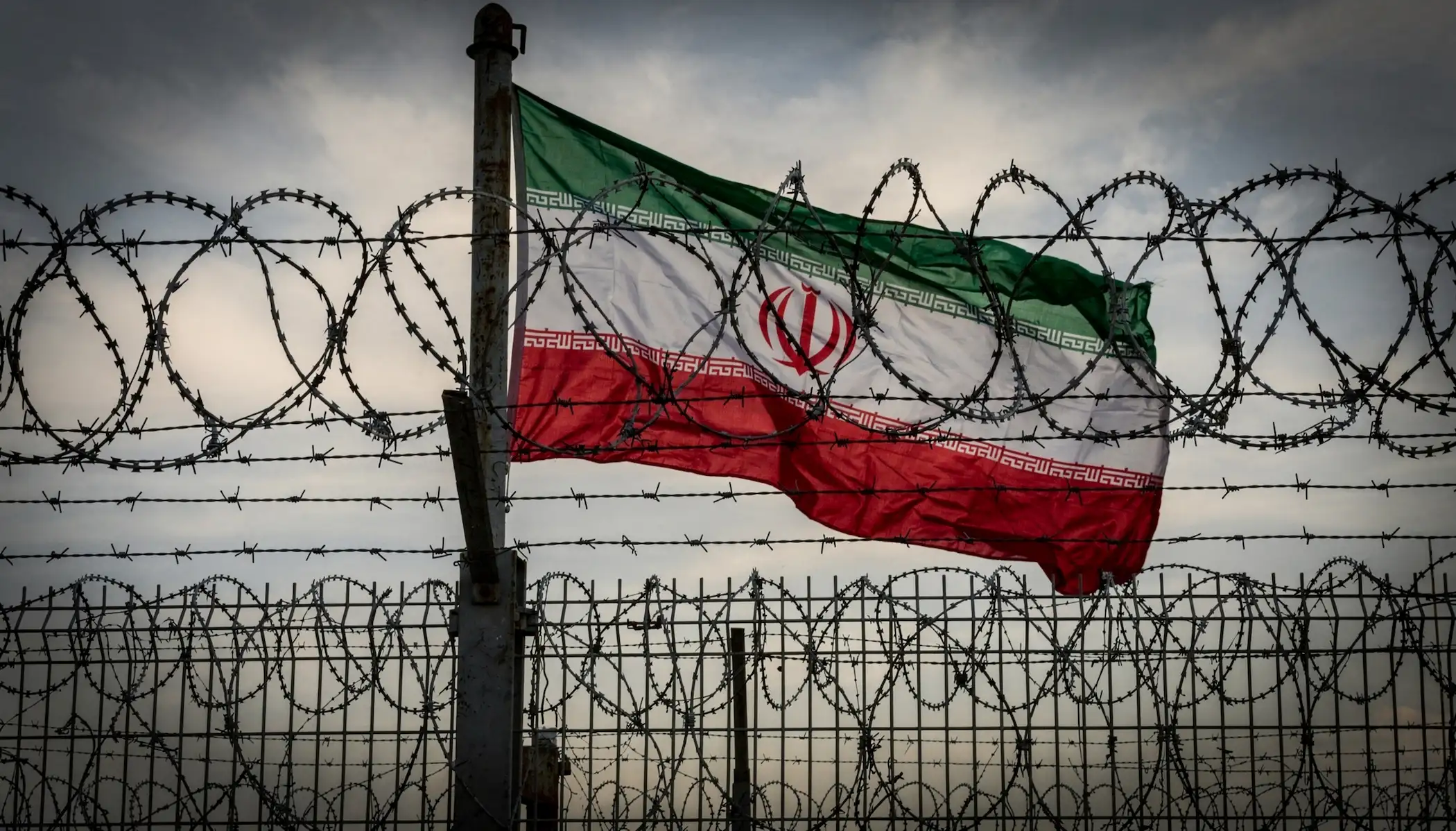
On 24 August 2026, the US Treasury announced an economic enforcement campaign under the name Operation Economic Outcast, designating close to 60 entities, individuals and vessels and issuing five unprecedented sectoral determinations under Executive Order 13902.1 Treasury Secretary Scott Bessent described the campaign as a comprehensive economic onslaught intended to sever every artery feeding the Iranian economy, while Iran's Minister of Economy, Ali Madanizadeh, dismissed it as an act of economic terrorism, insisting that his country has its own instruments and knows the rules of the game.
The significance of the campaign extends well beyond the number of designations. Washington is shifting its weight away from penalising Iranian entities and towards pursuing intermediaries in third countries: independent Chinese refineries, Gulf trading and exchange houses, and settlement channels operating outside the dollar. Yet the record since 2012 reveals a pattern that is close to invariable: sharp friction imposed from the American side, followed by structural Iranian adaptation, in which Iranian exports survive and the American stock of coercive power erodes.
This analysis therefore sets out to dissect the legal architecture of the campaign and identify what is genuinely new within it, then to test its six enforcement tracks against the structural obstacles Tehran has accumulated across four successive waves of sanctions, and finally to estimate the likely impact on the volume of Iranian exports, on the discount imposed on its crude and on the price path, while measuring the cost of compliance that financial and logistics hubs will have to absorb.

Programmes
4 Jun 2026
Trump, Tariffs, and the Revolt of the American Farmer
By mid-2026, the US agricultural sector stands at a critical juncture where macroeconomic shocks intersect with geopolitical repercussions and sharp shifts in domestic trade policy. This has been reflected acutely in the traditional political alliances of rural America—which have historically constituted a formidable electoral stronghold for the Republican Party and, in particular, for President Donald Trump—as they undergo deep structural fractures that continue to widen, driven by the direct economic effects of stringent protectionist trade policies, disruptions to the regulatory framework governing biofuels, and regional conflicts that have combined to erode profit margins and undermine farmers’ confidence in the current system.
To understand the roots of this crisis, it is necessary to examine the nature of the implicit economic contract between the current Republican administration and its rural base. Historically, the government’s strategy rested on a two-dimensional approach: engineering stringent industrial tariffs to protect the domestic manufacturing base, while simultaneously attempting to insulate the agricultural sector from the adverse repercussions of these policies through the injection of exceptional federal support packages. However, the dynamics of 2025 and 2026 have undermined the wager on the sustainability of this equation. The economic strain generated by this dual approach translated into tangible political mobilisation, the effects of which were clearly reflected in opinion polls and primary-election indicators that came as a shock to the Republican camp.
Building on the foregoing, and with the crisis shifting from the economic sphere to the arena of electoral contestation, this analysis seeks to dissect the deep economic drivers that have produced the current state of agricultural frustration, evaluate the effectiveness of government measures in the areas of trade and energy, and assess the extent of the shift in the political calculations of rural voters. Drawing on a systematic reading of quantitative indicators and an examination of the results of the Iowa primary elections, this analysis attempts to anticipate the trajectory of this discontent: does it merely represent a temporary wave of backlash-driven anger, or is it laying the foundations for a broader political realignment capable of reshaping the balance of power in Washington ahead of the midterm elections?
Programmes
24 Mar 2026
The Ripple Effect of the US-Israel-Iran War on the Russia–Ukraine War
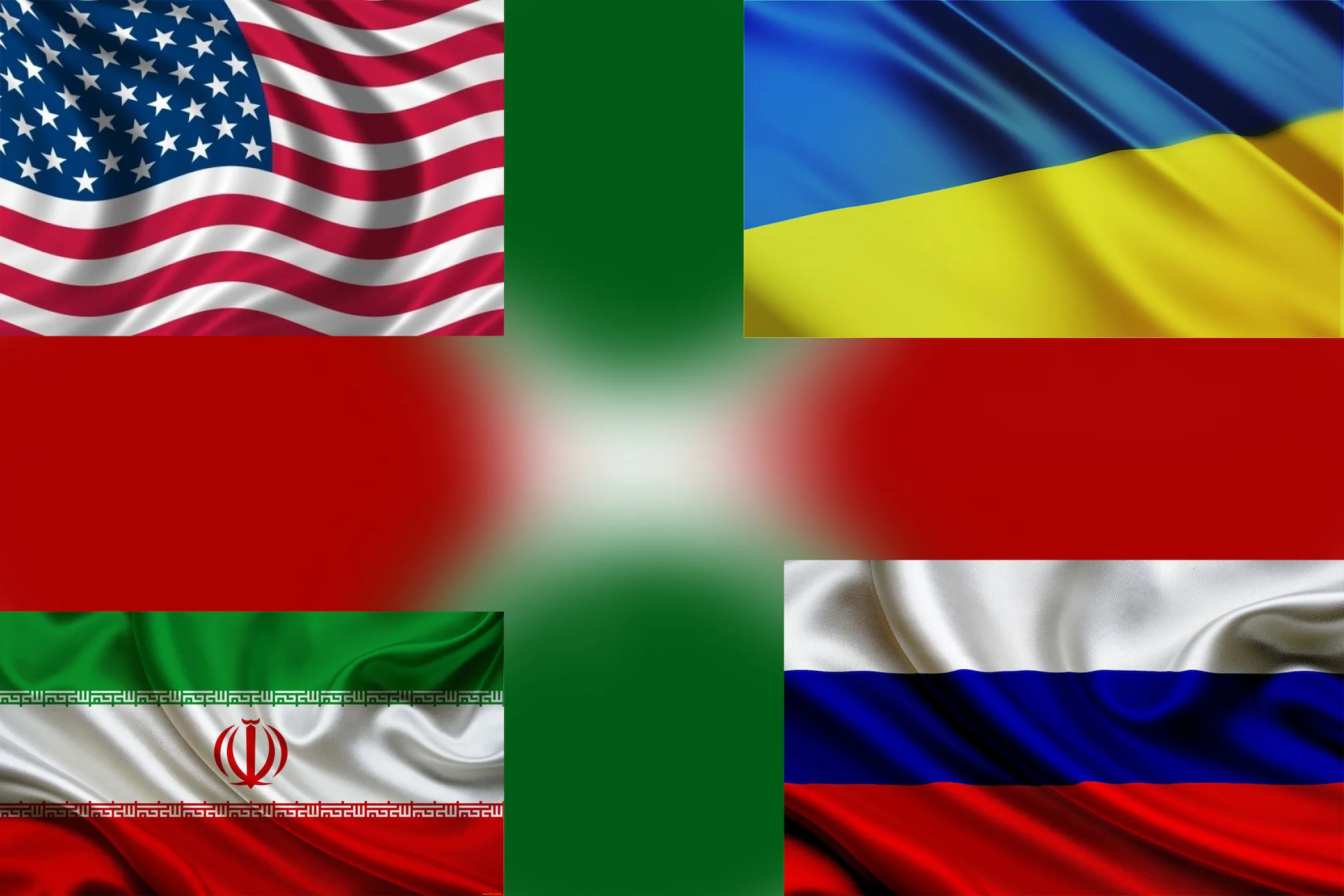
The long-standing efforts to end the Russia-Ukraine War were disturbed by the sudden outbreak of the U.S.-Israel-Iran War. The strikes carried out by the United States and Israel against Iran, and their broader spill-overs across the Middle East, have hindered the already difficult peace negotiations between Moscow and Kyiv. This escalation raises concerns about the extent to which the U.S.-Israel-Iran War could have on the broader geopolitical dynamics. This war risks diverting global attention away from efforts to resolve the Russia-Ukraine War and, at the same time, raises concerns about the extent to which it could reshape power dynamics and influence the trajectory of this war.
Programmes
10 Mar 2026
How the US-Israel-Iran War Could Reshape the 2026 Midterms
The United States entered the second week of its joint military campaign against Iran on March 7, 2026, having launched Operation Epic Fury alongside Israel on February 28. Within days, the conflict had killed Supreme Leader Ali Khamenei, triggered Iranian retaliatory strikes across the Gulf, and drawn in regional powers from Bahrain to Lebanon. For the Republican Party, the war arrived at what was already an exceptionally precarious moment — one in which the historical forces of midterm politics, falling presidential approval, and a restless voter coalition had already conspired against them. The onset of a major, unpopular war has only deepened those vulnerabilities, and the question facing the GOP heading into November is no longer simply whether they will lose seats, but how many.