
Programmes
5 Aug 2026
Inside AI’s Quiet Takeover of the Midterms
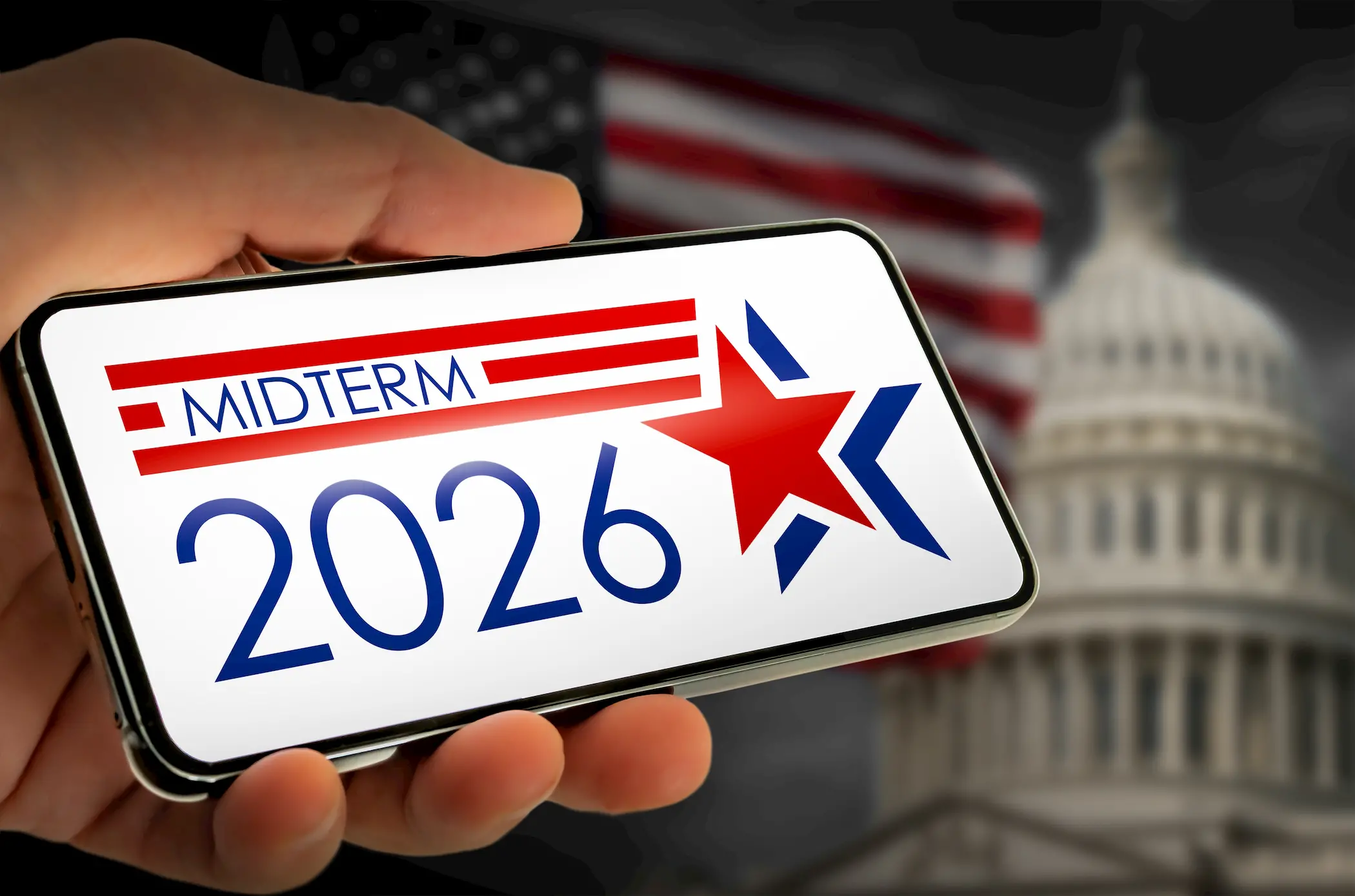
The race to dominate AI is no longer being fought only in laboratories; It is now being fought at the ballot box. As the US struggles to establish comprehensive rules for one of the world's fastest-moving technologies, the companies developing it have begun competing over something even more valuable than market share, namely political influence. During the 2026 midterm election cycle, AI companies and their affiliated political action committees have poured tens of millions of dollars into congressional races, backed rival candidates, and expanded their lobbying operations across Washington. For the first time, elections themselves are becoming part of the battle over who will shape the future of AI governance.
This marks a significant shift in the relationship between technology and politics. Rather than waiting for governments to determine how AI should be regulated, leading firms are increasingly attempting to shape the political environment before those decisions are made. As Congress remains divided over comprehensive AI legislation, electoral politics has become another arena in the competition over AI. Consequently, the 2026 midterms may offer an early indication of whether democratic institutions can establish the rules governing AI before the industry's growing political influence begins shaping those rules instead.
Programmes
4 Jun 2026
Trump, Tariffs, and the Revolt of the American Farmer
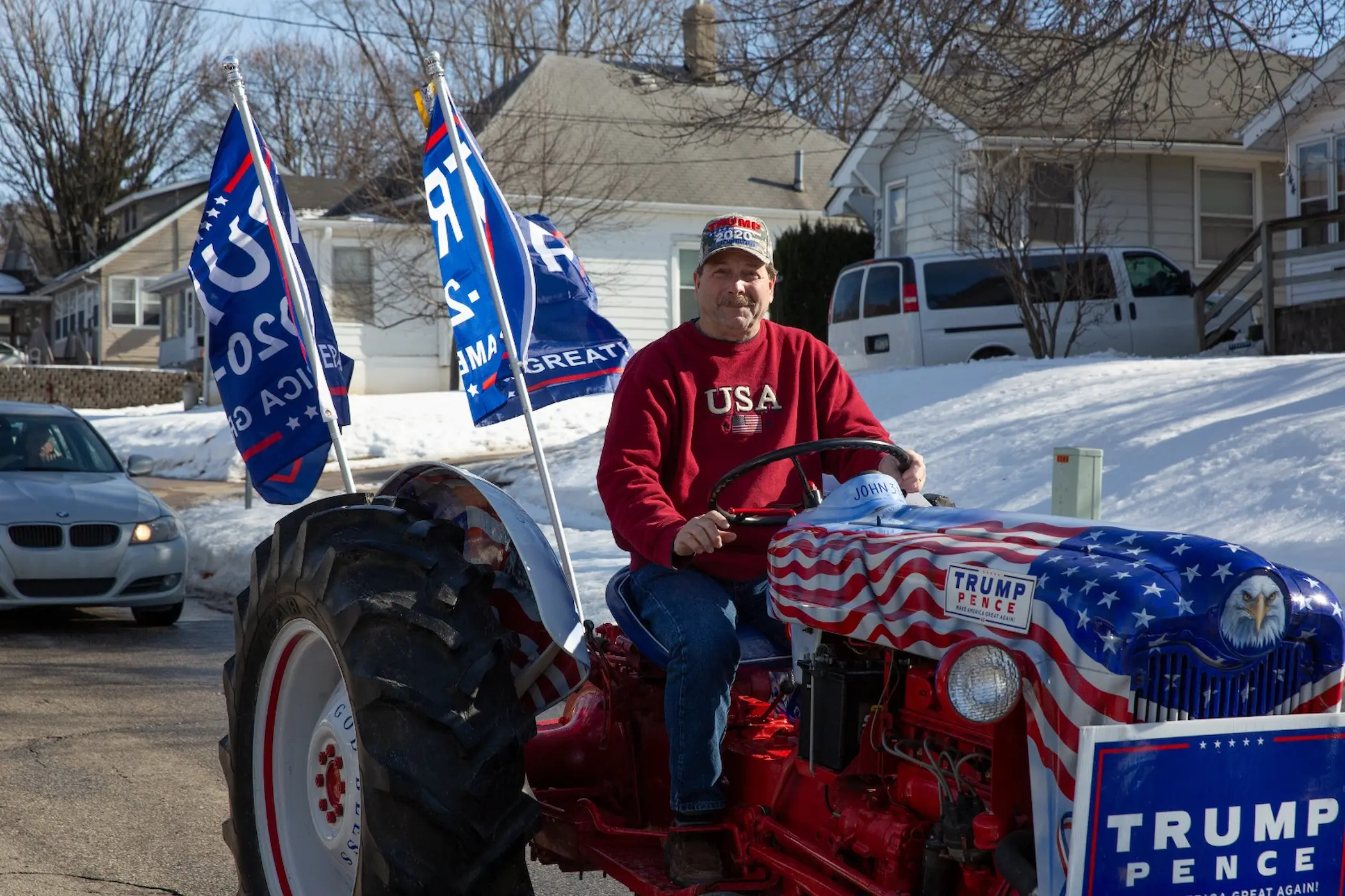
By mid-2026, the US agricultural sector stands at a critical juncture where macroeconomic shocks intersect with geopolitical repercussions and sharp shifts in domestic trade policy. This has been reflected acutely in the traditional political alliances of rural America—which have historically constituted a formidable electoral stronghold for the Republican Party and, in particular, for President Donald Trump—as they undergo deep structural fractures that continue to widen, driven by the direct economic effects of stringent protectionist trade policies, disruptions to the regulatory framework governing biofuels, and regional conflicts that have combined to erode profit margins and undermine farmers’ confidence in the current system.
To understand the roots of this crisis, it is necessary to examine the nature of the implicit economic contract between the current Republican administration and its rural base. Historically, the government’s strategy rested on a two-dimensional approach: engineering stringent industrial tariffs to protect the domestic manufacturing base, while simultaneously attempting to insulate the agricultural sector from the adverse repercussions of these policies through the injection of exceptional federal support packages. However, the dynamics of 2025 and 2026 have undermined the wager on the sustainability of this equation. The economic strain generated by this dual approach translated into tangible political mobilisation, the effects of which were clearly reflected in opinion polls and primary-election indicators that came as a shock to the Republican camp.
Building on the foregoing, and with the crisis shifting from the economic sphere to the arena of electoral contestation, this analysis seeks to dissect the deep economic drivers that have produced the current state of agricultural frustration, evaluate the effectiveness of government measures in the areas of trade and energy, and assess the extent of the shift in the political calculations of rural voters. Drawing on a systematic reading of quantitative indicators and an examination of the results of the Iowa primary elections, this analysis attempts to anticipate the trajectory of this discontent: does it merely represent a temporary wave of backlash-driven anger, or is it laying the foundations for a broader political realignment capable of reshaping the balance of power in Washington ahead of the midterm elections?
Programmes
18 Mar 2026
From Wartime Partners to Political Rivals… Could Iran Ignite a Rift Between Trump and Netanyahu?
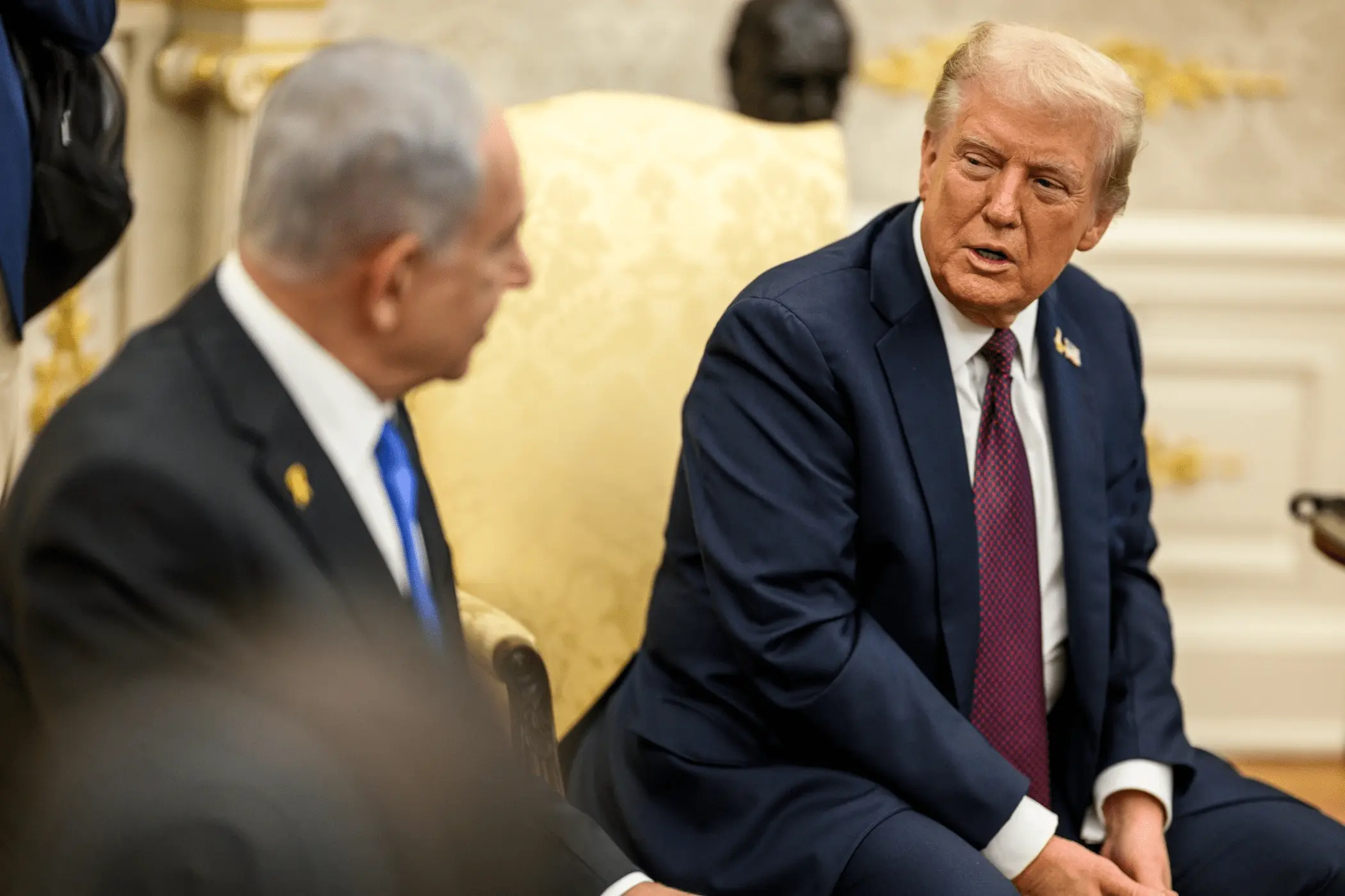
The strategic partnership between the United States (U.S.) and Israel has long demonstrated an exceptional ability to absorb and manage tactical divergences. Yet the developments accompanying the launch of the U.S. operation "Epic Fury," conducted in parallel with Israel’s "Visiting Lion" operation in late February 2026, have placed this alliance under an unprecedented test in the modern Middle East. Although this coordinated campaign initially achieved decisive operational successes, most notably the elimination of Iran’s Supreme Leader and the dismantling of the command structure of the Islamic Revolutionary Guard Corps (IRGC), the image of complete alignment projected by President Donald Trump and Prime Minister Benjamin Netanyahu conceals fundamental divergences in visions and objectives.
A careful reading of the historical trajectory of this relationship, alongside its current political constraints, suggests that a prolonged conflict will expose the sharp divergence in the strategic interests of the two capitals. As the confrontation shifts from rapid strikes to a complex regional war of attrition whose consequences extend beyond Washington and Tel Aviv, these differences are likely to evolve into deep structural fractures. This paper offers a strategic analysis of this emerging dynamic, arguing that the fundamental differences in the capacity to absorb economic repercussions, manage human losses, and navigate rigid electoral timelines will transform muted tactical disagreements into an overt strategic rift that will be increasingly difficult to contain or deny.