

Programmes
27 Jul 2026
Trump’s Prize: How the July 2026 Tariff Package Installed the Middle East as a Global Manufacturing Hub
The global trading system underwent a fundamental transformation in July 2026, as the United States abandoned limited sector-specific protection in favour of a complex, multi-tiered tariff architecture that turned access to its domestic market into an instrument of economic and political pressure. Four major decisions converged within that single month. The first was the outright repeal of the de minimis exemption, which had allowed small consignments valued below eight hundred dollars to enter the country duty-free. The second was the application of the Section 301 forced-labour tariffs across two distinct bands, imposing 10% and 12.5% according to the compliance record of each partner state. The third was the activation of Section 338, a statutory provision that had lain dormant since the 1940s, to levy 50% duties on a range of Canadian goods. The fourth was the approval of a phased escalation reaching 200% on imports of generic pharmaceuticals.
The consequences of this package extended well beyond the raising of customs duties. They amounted to a comprehensive re-engineering of rules of origin and customs compliance requirements, which in turn altered the cost calculus of every manufacturer and supplier across global supply chains. This new reality pushed firms to search for alternative routes designed not merely to reduce transport costs, but to change the identity of the country of origin itself and so escape punitive duties. That search is precisely what turned the Middle East from a transit corridor into an industrial and logistical node positioned to play a pivotal role on the new map of world trade.
This analysis therefore aims to unpack the effects of the July 2026 package across three connected levels: its domestic cost to the American economy in terms of inflation, compliance friction and the feasibility of reshoring; the realignment of trading partners and the trade diversion and origin leakage that follow from it; and finally its direct implications for the economies of the Middle East and North Africa, together with quantitative estimates of price, investment and shipping trends through the end of the decade.

Programmes
4 Jun 2026
Trump, Tariffs, and the Revolt of the American Farmer
By mid-2026, the US agricultural sector stands at a critical juncture where macroeconomic shocks intersect with geopolitical repercussions and sharp shifts in domestic trade policy. This has been reflected acutely in the traditional political alliances of rural America—which have historically constituted a formidable electoral stronghold for the Republican Party and, in particular, for President Donald Trump—as they undergo deep structural fractures that continue to widen, driven by the direct economic effects of stringent protectionist trade policies, disruptions to the regulatory framework governing biofuels, and regional conflicts that have combined to erode profit margins and undermine farmers’ confidence in the current system.
To understand the roots of this crisis, it is necessary to examine the nature of the implicit economic contract between the current Republican administration and its rural base. Historically, the government’s strategy rested on a two-dimensional approach: engineering stringent industrial tariffs to protect the domestic manufacturing base, while simultaneously attempting to insulate the agricultural sector from the adverse repercussions of these policies through the injection of exceptional federal support packages. However, the dynamics of 2025 and 2026 have undermined the wager on the sustainability of this equation. The economic strain generated by this dual approach translated into tangible political mobilisation, the effects of which were clearly reflected in opinion polls and primary-election indicators that came as a shock to the Republican camp.
Building on the foregoing, and with the crisis shifting from the economic sphere to the arena of electoral contestation, this analysis seeks to dissect the deep economic drivers that have produced the current state of agricultural frustration, evaluate the effectiveness of government measures in the areas of trade and energy, and assess the extent of the shift in the political calculations of rural voters. Drawing on a systematic reading of quantitative indicators and an examination of the results of the Iowa primary elections, this analysis attempts to anticipate the trajectory of this discontent: does it merely represent a temporary wave of backlash-driven anger, or is it laying the foundations for a broader political realignment capable of reshaping the balance of power in Washington ahead of the midterm elections?
Programmes
20 Feb 2026
China’s Tariff-Exemption Policy for Africa: Drivers and Outcomes
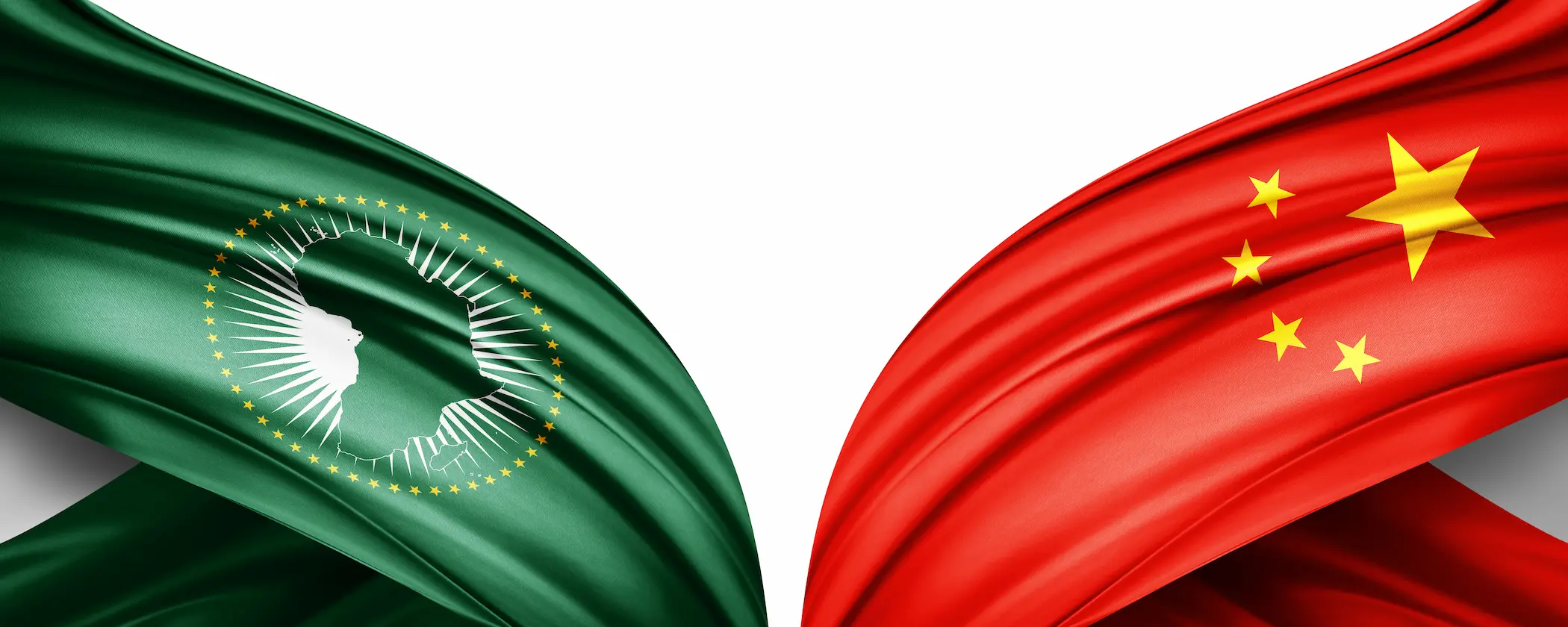
The Chinese Government, on Feb. 14, 2026, issued decisions abolishing 100% of customs duties on exports from 53 African countries. This step marks a significant shift in the trajectory of Beijing’s historic relationship with the African continent. This relationship began 70 years ago with major infrastructure ventures such as the construction of the Tazara Railway in the 1970s. It gradually evolved into an increasingly intricate framework of reciprocal economic integration.
This evolution has been reflected in the substantial expansion of bilateral trade, which reached a historic high of USD 348.1 billion in 2025, with annual growth of 17.7%. Through this new tariff-exemption framework, Beijing is voluntarily relinquishing approximately USD 1.4 billion in annual customs revenue upon the regime’s implementation, a move that constitutes a long-term geoeconomic investment aimed at reinforcing the stability of supply chains. This shift may reshape the global trade landscape and further position the African continent at the centre of intensifying competition for industrial resources and clean-energy technologies.
Accordingly, this analysis examines the strategic dimensions of this new trade regime by focusing on the updated structural dynamics of bilateral trade and their actual impact on Africa’s trade balance; the global competition to secure supply chains for critical minerals and the resulting implications for local industrialisation ambitions; and, finally, an assessment of the countervailing economic and political strategies adopted by Western blocs as they seek to reposition themselves and respond to expanding influence across the continent.
Programmes
19 May 2025
TikTok: China’s New Weapon
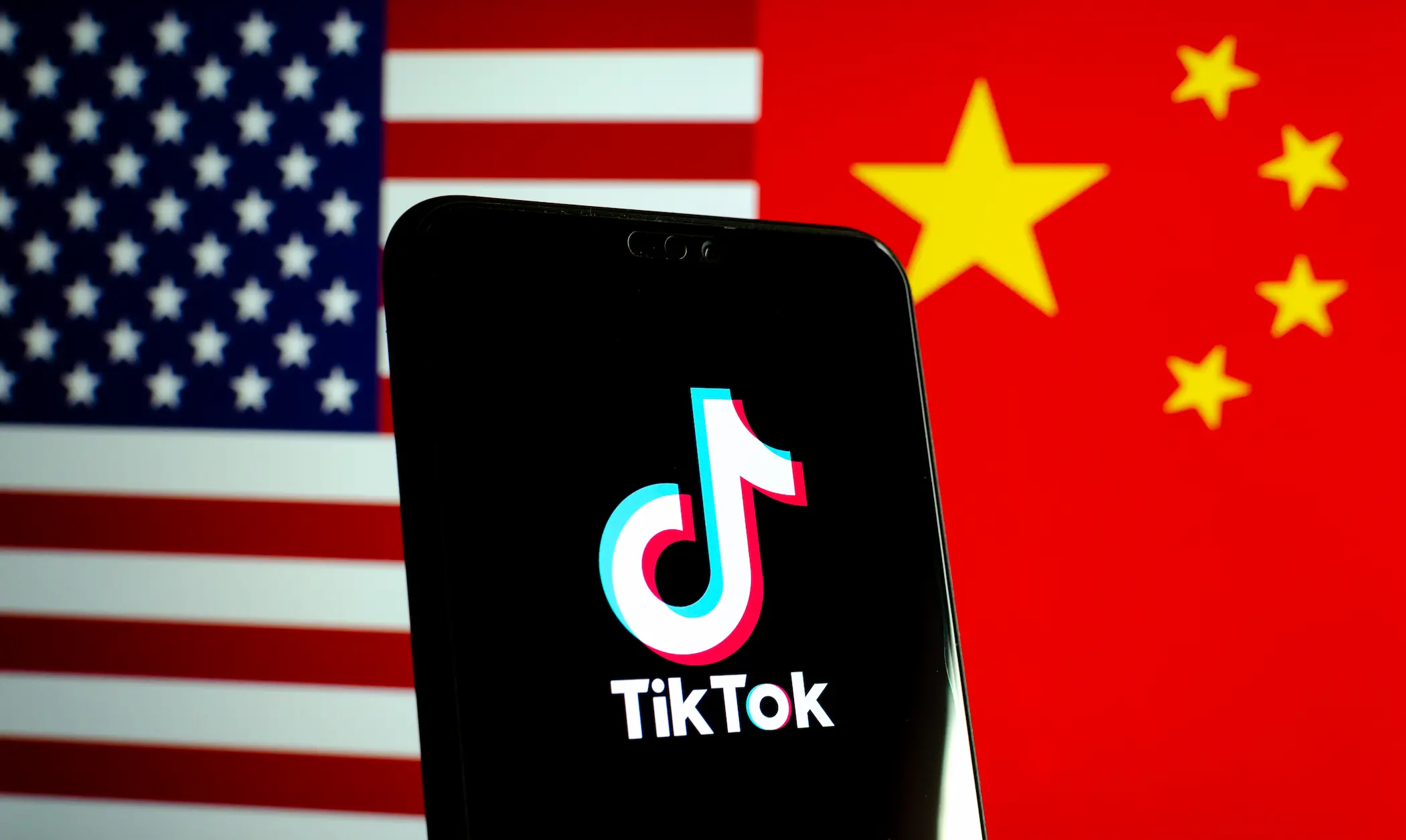
The ongoing trade war between China and the United States (U.S.) has been unfolding for several years and has gained increasing public attention, largely throughout the influence of social media platforms. As awareness of the conflict spreads, social media not only informs the public but also shapes consumer behaviour, often prompting individuals to shift to alternative markets. In some cases, governments recognize this influence and strategically leverage social media influencers to guide public opinion and economic choices. This is already going on in our scenario between China and U.S.

Programmes
10 Oct 2024
BRICS BRIDGE: Will Russia Reshape the Global Financial Order?
The world is currently experiencing rapid and significant geopolitical shifts, with rising global powers like the BRICS Group leading the charge to recalibrate the balance of influence within the Global Financial System. The recent expansion of the BRICS Group, now including 10 nations following the accession of Egypt, Saudi Arabia, the United Arab Emirates (UAE), Iran, and Ethiopia, underscores their growing influence. This bloc is unwavering in its determination to challenge the dominance of the U.S. dollar and to overhaul a global financial infrastructure that it sees as deeply flawed. The BRICS nations argue that the current system, with its structural flaws, serves as a tool for exerting political and economic pressure and contributes to the fragmentation of economies and regions by weaponizing trade and financial constraints.
The BRICS+ nations acknowledge that Dollar Dominance is underpinned by entrenched factors, most notably, the U.S. military power and global confidence in the U.S. legal and regulatory frameworks. Nevertheless, these nations are actively exploring alternatives to reduce their reliance on the dollar, aiming to bolster their financial sovereignty.
In pursuit of this goal, BRICS has ramped up efforts to reduce dependence on the dollar by employing innovative mechanisms. Chief among these is the proposal to issue a new, collective currency and establish a multilateral digital settlement and payment platform, dubbed as the “BRICS Bridge.” This platform is poised to foster greater trade integration among member states, particularly as some nations within the bloc, like Russia, face sanctions and exclusion from global systems such as the SWIFT System -The Society for Worldwide Interbank Financial Telecommunication-.
All eyes are now on the upcoming BRICS Summit, set to take place in October in Kazan. The summit is expected to showcase tangible steps toward implementing these initiatives, which could potentially redefine the structure of international trade and finance. The critical question remains: Will Russia and its BRICS allies break the dollar's stranglehold over the global financial order?