
Programmes
20 Feb 2026
China’s Tariff-Exemption Policy for Africa: Drivers and Outcomes
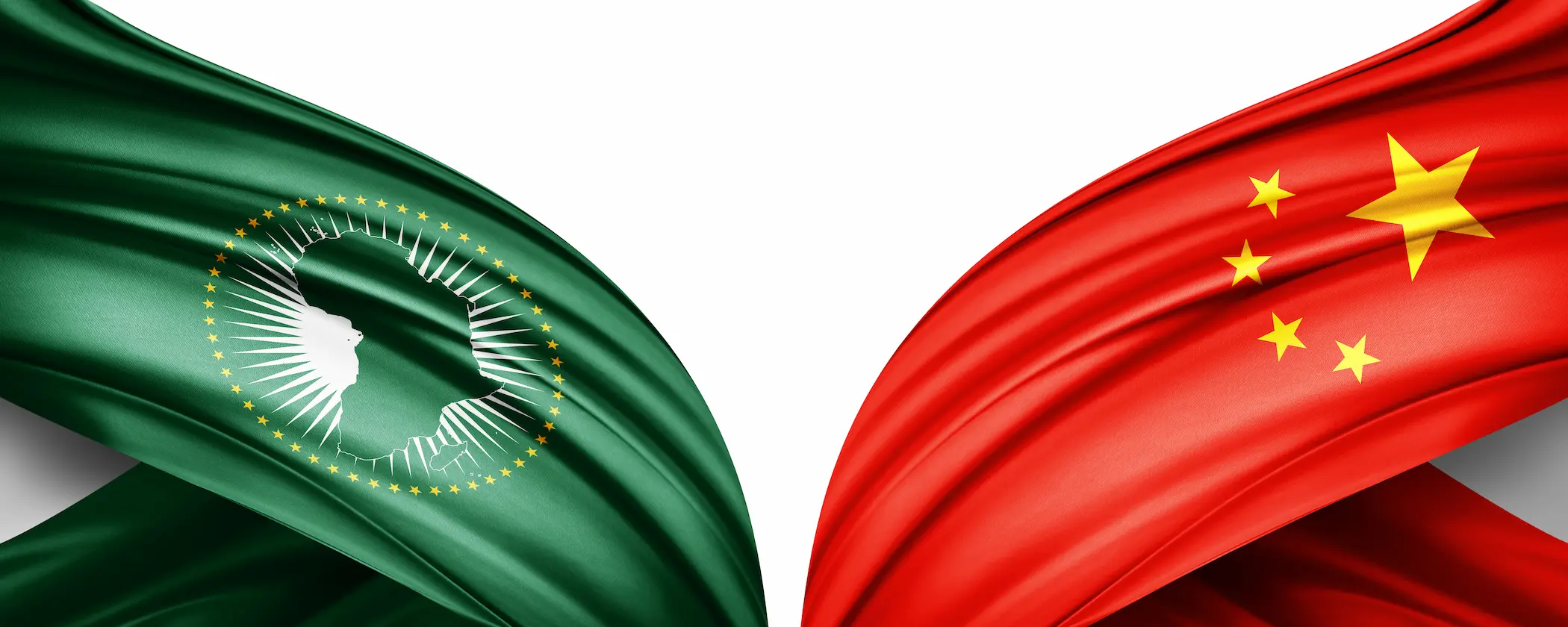
The Chinese Government, on Feb. 14, 2026, issued decisions abolishing 100% of customs duties on exports from 53 African countries. This step marks a significant shift in the trajectory of Beijing’s historic relationship with the African continent. This relationship began 70 years ago with major infrastructure ventures such as the construction of the Tazara Railway in the 1970s. It gradually evolved into an increasingly intricate framework of reciprocal economic integration.
This evolution has been reflected in the substantial expansion of bilateral trade, which reached a historic high of USD 348.1 billion in 2025, with annual growth of 17.7%. Through this new tariff-exemption framework, Beijing is voluntarily relinquishing approximately USD 1.4 billion in annual customs revenue upon the regime’s implementation, a move that constitutes a long-term geoeconomic investment aimed at reinforcing the stability of supply chains. This shift may reshape the global trade landscape and further position the African continent at the centre of intensifying competition for industrial resources and clean-energy technologies.
Accordingly, this analysis examines the strategic dimensions of this new trade regime by focusing on the updated structural dynamics of bilateral trade and their actual impact on Africa’s trade balance; the global competition to secure supply chains for critical minerals and the resulting implications for local industrialisation ambitions; and, finally, an assessment of the countervailing economic and political strategies adopted by Western blocs as they seek to reposition themselves and respond to expanding influence across the continent.

Programmes
5 Sep 2024
El-Sisi’s Visit to Ankara: A Key Diplomatic Move During Unrest
In a move with significant political and economic implications, Egyptian President Abdel Fattah El-Sisi embarked on an official visit to Ankara Sept. 4, 2024. This highly anticipated visit comes months after Turkish President Recep Tayyip Erdogan's visit to Egypt earlier this year and his invitation to President El-Sisi to Ankara. The current visit, considered a turning point in Egyptian-Turkish relations, aims to strengthen bilateral cooperation and open new avenues for coordination on regional and international issues. After a decade of tension and estrangement in the relations between Egypt and Turkey.
The Egyptian President's visit to Turkey is of special importance, as it is the culmination of a long phase of discussions aimed at restoring relations between Egypt and Turkey to their normal course. The rounds of talks and meetings concluded with Erdogan's visit to Cairo last February, which witnessed the announcement of the revival of the High-Level Strategic Cooperation Council for relations between the two countries in its new form, where both leaders co-chair the first meeting of the Council. The meeting also involved a comprehensive review of the Egyptian-Turkish bilateral relations and discussions on potential steps to further enhance the Egyptian-Turkish cooperation.
This analysis highlights the motivations of this visit and its implications on regional and Turkish politics.