

Programmes
13 Aug 2026
When Global Competition Becomes about Indispensability
Countries are increasingly shifting toward making themselves indispensable in a specific area. China controls rare-earth minerals, Taiwan pioneers in semiconductor manufacturing, the United States leads in artificial intelligence and advanced technologies, and the Gulf, particularly the UAE, positions itself as a global logistics hub.
This new era introduces the concept of “strategic irreplaceability or indispensability”, in which countries no longer focus solely on maximizing their national power but instead become experts in a specific field, making them an indispensable bottleneck in the global system.
Programmes
20 Feb 2026
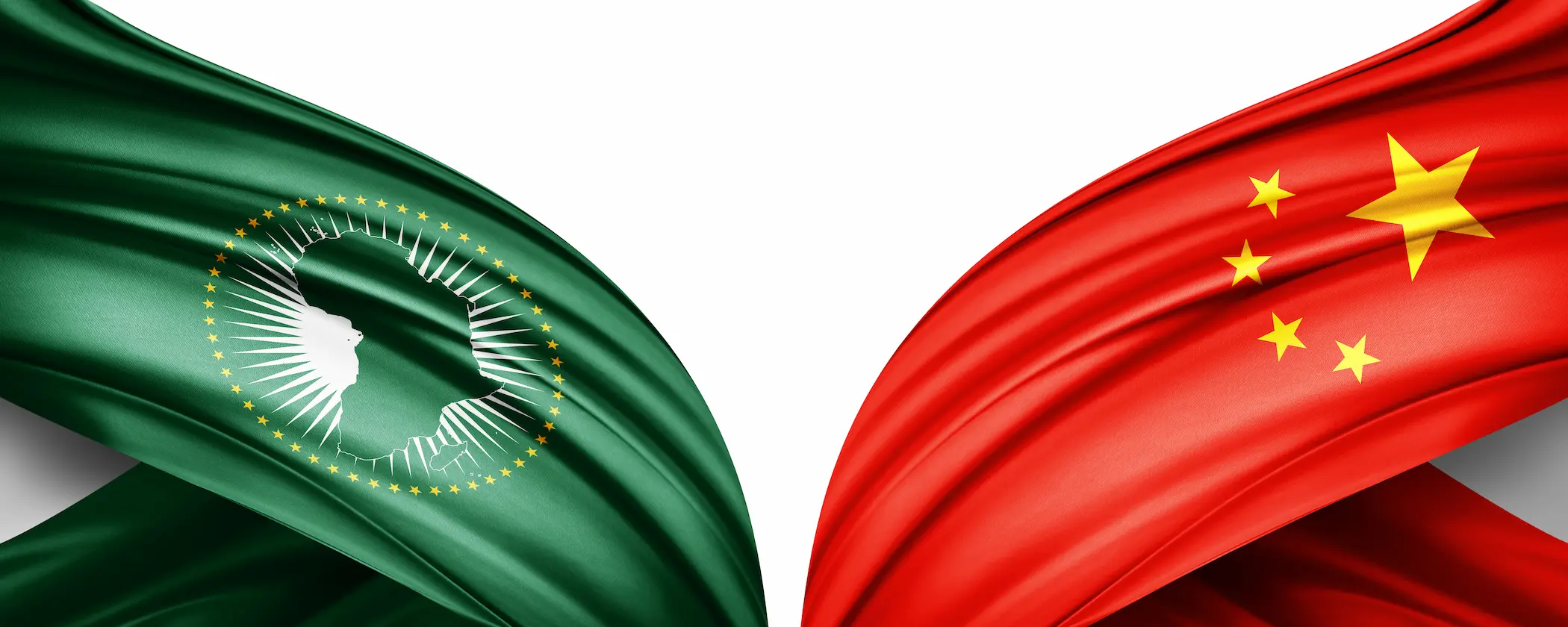
China’s Tariff-Exemption Policy for Africa: Drivers and Outcomes
The Chinese Government, on Feb. 14, 2026, issued decisions abolishing 100% of customs duties on exports from 53 African countries. This step marks a significant shift in the trajectory of Beijing’s historic relationship with the African continent. This relationship began 70 years ago with major infrastructure ventures such as the construction of the Tazara Railway in the 1970s. It gradually evolved into an increasingly intricate framework of reciprocal economic integration.
This evolution has been reflected in the substantial expansion of bilateral trade, which reached a historic high of USD 348.1 billion in 2025, with annual growth of 17.7%. Through this new tariff-exemption framework, Beijing is voluntarily relinquishing approximately USD 1.4 billion in annual customs revenue upon the regime’s implementation, a move that constitutes a long-term geoeconomic investment aimed at reinforcing the stability of supply chains. This shift may reshape the global trade landscape and further position the African continent at the centre of intensifying competition for industrial resources and clean-energy technologies.
Accordingly, this analysis examines the strategic dimensions of this new trade regime by focusing on the updated structural dynamics of bilateral trade and their actual impact on Africa’s trade balance; the global competition to secure supply chains for critical minerals and the resulting implications for local industrialisation ambitions; and, finally, an assessment of the countervailing economic and political strategies adopted by Western blocs as they seek to reposition themselves and respond to expanding influence across the continent.

Programmes
11 Feb 2026
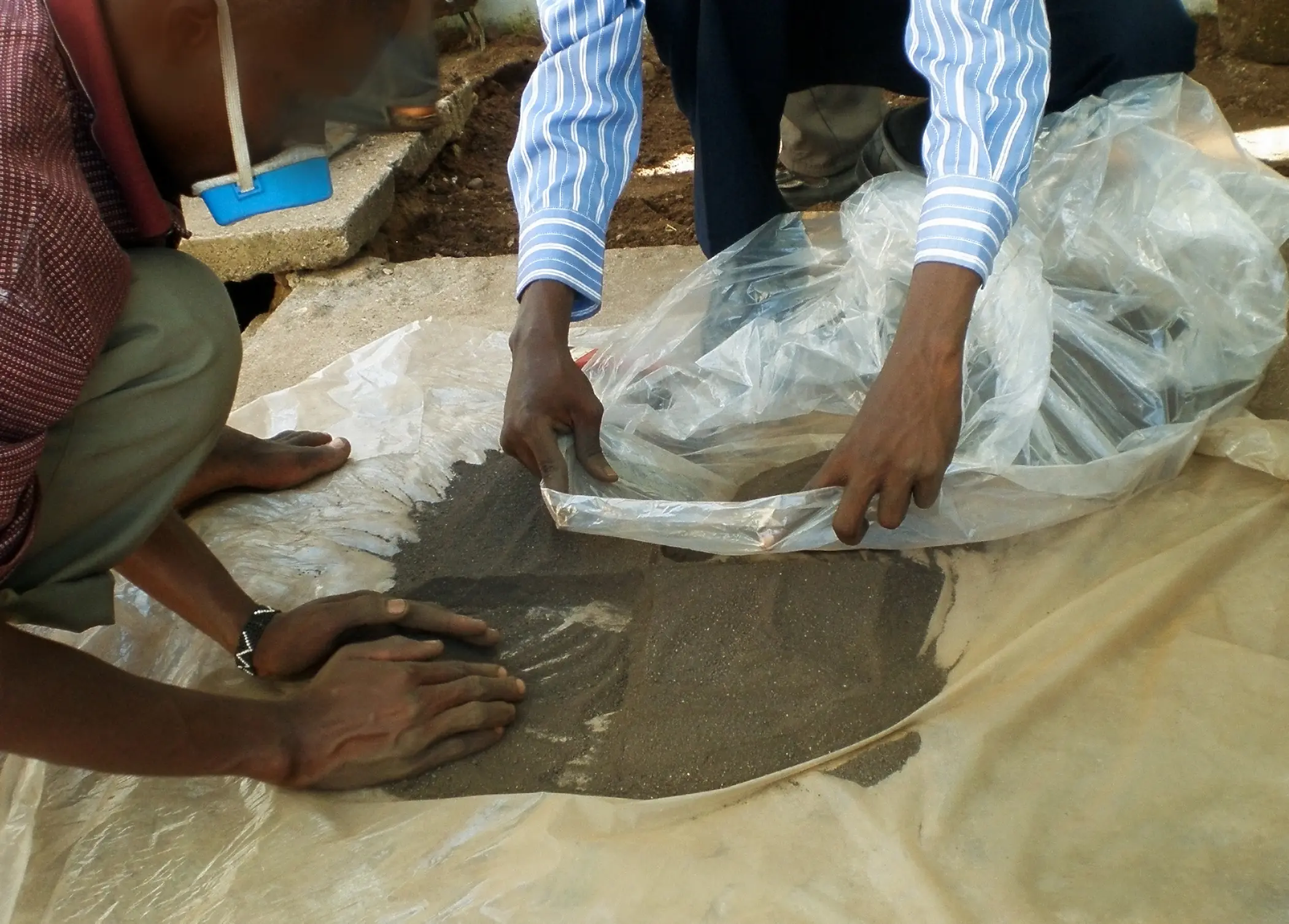
The GCC and the Future of the Rare Earths and Critical Minerals Race
China is a dominant player in the rare earths and critical minerals industry. As of 2025, China is in control of “…about 61% of rare earth production and 92% of their processing”, meaning China monopolized the rare earths and critical minerals industry. While China dominates this industry, countries have been aiming to bolster their own rare earth and critical mineral ambitions to reduce their reliance on China as a supplier of raw materials and processed products. For example, GCC countries, in line with their 2030 visions, have increased their investments in the mining and processing of these elements to diversify their economies and become suppliers in an industry dominated by China. This analysis aims to assess the emergence of the GCC as a rare earths and critical minerals supplier, which will be done by analyzing the reasons and feasibility for GCC involvement in this industry as well as understanding the challenges these countries face in their entry into the market.
Programmes
6 May 2025
DRC Minerals and a Potential U.S.–EU Confrontation
In a few months, the Trump administration is expected to push Rwanda and the Democratic Republic of Congo (DRC) to sign a peace deal which is supposed to be followed by a bilateral minerals’ agreement between the U.S. and the DRC. The agreement puts some parties in an advantageous position while leaves others with a less fortunate fate. The U.S. is supposed to gain economically and politically by this agreement especially when it comes to its rivalry with China. While the DRC is expected to gain in the short-term leveraging the “conflict minerals” narrative, the long-term consequences are not necessarily desirable. The EU is left with the undesirable situation. The bloc will either adjust its policies toward the DRC’s minerals or remain in a situation where a clash with the Trump administration is possible. While a direct military confrontation between the two powers remains improbable, a proxy war in which M23 rebels are a main actor is possible. Additionally, with minerals gaining increasing geoeconomic relevance, Trump has eyed several countries including Ukraine, and the DRC, who could be his next target?