
Programmes
24 Mar 2026
The Ripple Effect of the US-Israel-Iran War on the Russia–Ukraine War
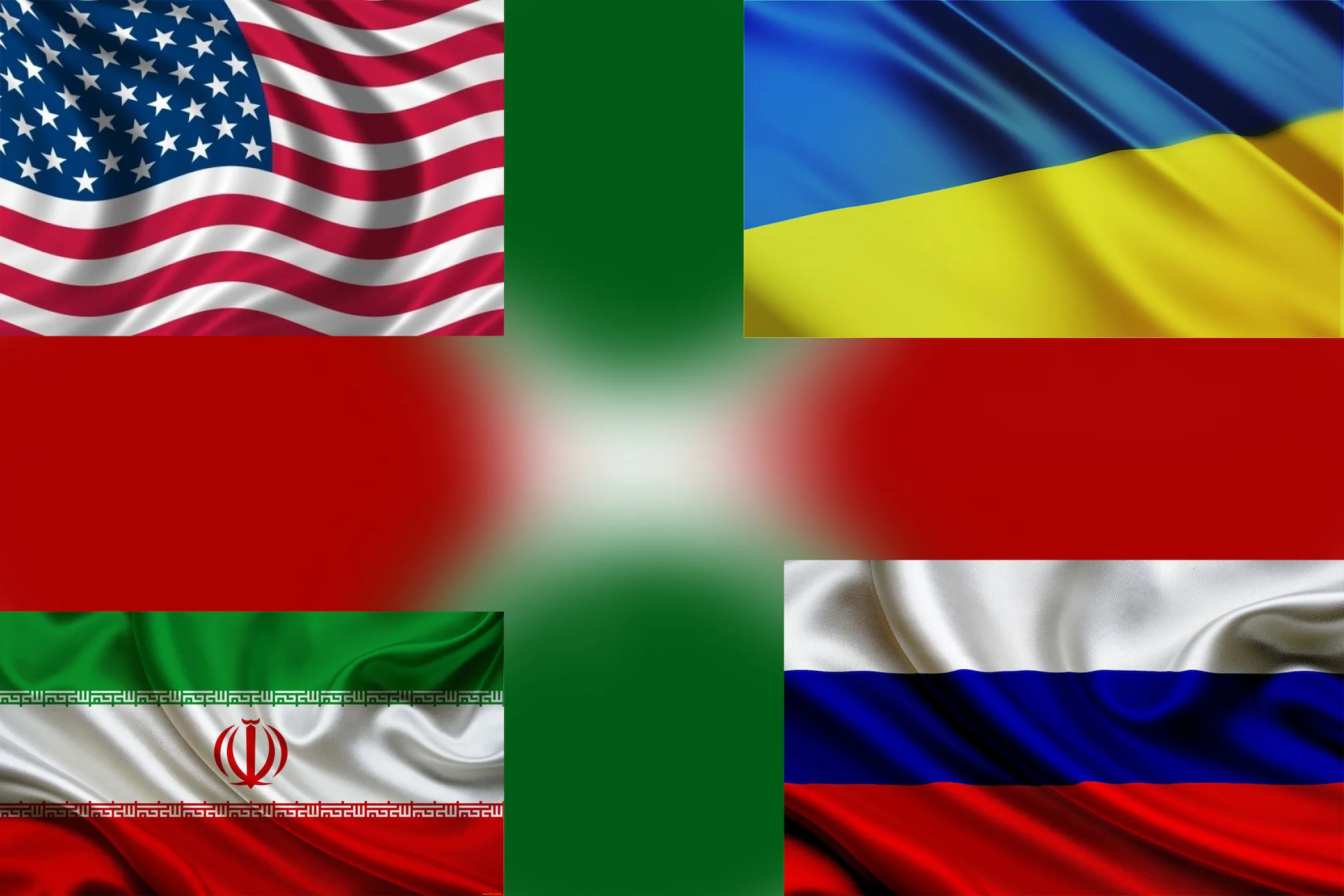
The long-standing efforts to end the Russia-Ukraine War were disturbed by the sudden outbreak of the U.S.-Israel-Iran War. The strikes carried out by the United States and Israel against Iran, and their broader spill-overs across the Middle East, have hindered the already difficult peace negotiations between Moscow and Kyiv. This escalation raises concerns about the extent to which the U.S.-Israel-Iran War could have on the broader geopolitical dynamics. This war risks diverting global attention away from efforts to resolve the Russia-Ukraine War and, at the same time, raises concerns about the extent to which it could reshape power dynamics and influence the trajectory of this war.
Programmes
11 Dec 2025
What If: the War Ends on Russia’s Terms
The prolonged Russia-Ukraine War has been met with futile efforts to end it by several peace plans throughout nearly four years of war. Currently, U.S. President Donald Trump appears determined to end the war by pushing a peace plan in the last few months of 2025 and negotiating with both Russian President Vladimir Putin and Ukrainian President Volodymyr Zelenskyy.
Many scenarios unfold for the aftermath of the Russia-Ukraine War. Amid the ongoing peace negotiations, driven mainly by the U.S. and Russia’s push for Trump’s 28‑point plan and Ukraine’s counterproposal through the amended 19‑point plan, a settlement favouring Russia is increasingly possible, raising the question: if such a plan is adopted, how will the Eurasian scene change?

Programmes
4 Mar 2025
A Troubled Chain of Command: Politics and the IDF
The appointment of Major General Eyal Zamir to the helm of the Israeli Army, will take office on March 6, transcends a routine leadership transition. It portends a potential strategic recalibration in Israeli military thinking, responding to evolving threats and perceived doctrinal vulnerabilities. Lauded across Israel's political spectrum as the right leader for these turbulent times, Zamir inherits a complex and precarious landscape. He is tasked with revitalizing an army perceived as "faltering," navigating a potentially obstructive political environment, and addressing a volatile region simmering with unresolved conflicts. Adding to the weight on his shoulders is the historical baggage he carries in the eyes of Palestinians, for whom his name evokes memories of harsh measures during past uprisings and operations. This analysis delves into the implications of Zamir's appointment, the delicate dance between political leadership and military autonomy in Israel, the anticipated doctrinal shifts under his command, and the spectre of looming confrontations on multiple fronts.