
Programmes
11 May 2026
Europe: NATO, U.S. Retrenchment, and the Cost of Strategic Autonomy
Discussion surrounding a potential United States (U.S.) withdrawal from NATO has remained one of the defining debates since the beginning of Donald Trump’s second presidency. In recent months, particularly following the war involving the U.S. and Israel against Iran, tensions within the alliance have intensified, with President Trump openly criticising several European NATO allies and questioning their value to the alliance. As a result, the central question is no longer limited to whether Washington could formally leave NATO. Increasingly, attention should shift toward a more pressing issue: could Europe manage its security independently without substantial American support? What would be the strategic, military, and economic cost of such a shift, and would European states be capable of rebuilding or reorganising their defence capabilities quickly enough to confront emerging threats?
Importantly, despite the significant legal, political, and institutional constraints facing any U.S. president seeking to withdraw from NATO entirely, Washington could still adopt alternative approaches that stop short of formal withdrawal while substantially reducing its role within the alliance. Such measures could include lowering financial contributions, scaling back troop deployments across Europe, or withdrawing critical weapons systems and strategic capabilities currently provided by the U.S. In such a scenario, how vulnerable would Europe become, and how prepared would it be to fill the resulting gaps?

Programmes
4 Mar 2025
A Troubled Chain of Command: Politics and the IDF
The appointment of Major General Eyal Zamir to the helm of the Israeli Army, will take office on March 6, transcends a routine leadership transition. It portends a potential strategic recalibration in Israeli military thinking, responding to evolving threats and perceived doctrinal vulnerabilities. Lauded across Israel's political spectrum as the right leader for these turbulent times, Zamir inherits a complex and precarious landscape. He is tasked with revitalizing an army perceived as "faltering," navigating a potentially obstructive political environment, and addressing a volatile region simmering with unresolved conflicts. Adding to the weight on his shoulders is the historical baggage he carries in the eyes of Palestinians, for whom his name evokes memories of harsh measures during past uprisings and operations. This analysis delves into the implications of Zamir's appointment, the delicate dance between political leadership and military autonomy in Israel, the anticipated doctrinal shifts under his command, and the spectre of looming confrontations on multiple fronts.

Programmes
20 Jan 2025
Is the Russia-Ukraine War Nearing Its End?
President-elect Donald Trump has pledged to bring an end to the Russia-Ukraine war, though he has yet to specify how. A negotiated settlement appears to be the only viable path forward, as a decisive military victory for either side seems unlikely. Western nations, particularly those in Europe, are struggling with internal challenges, leaving them in a weak position with limited leverage at the negotiating table. Meanwhile, Russia also finds itself in an unenviable situation, creating a potential opening for Trump to encourage both parties toward a resolution. However, for any agreement to lead to lasting peace, security guarantees for Ukraine must be a central component. These guarantees are likely to be the key trade-off for any concessions that Europe would likely offer.

Programmes
3 Dec 2024
Making Sense of Trump’s Foreign Policy
The U.S. National Security Strategy (NSS) is a comprehensive document produced by the National Security Council in conjunction with the executive branch of the United States Government for Congress and then signed by the President. The NSS mainly outlines the U.S.’s major national security concerns and how the administration intends to address them using all instruments of national power. In this context, the 2024 NSS will be one of the most crucial concerns for the President-elect Donald Trump.

Programmes
14 Nov 2024
Why Has China Been Politically Neutral in Libya?
China is known for using its economic power to infiltrate developing countries, especially those experiencing economic shocks, through providing unconditional loans and increasing its investments in infrastructure. Moreover, China avoids the risk of investing in fragile countries or countries torn out by civil wars, as it might not be a safe environment for long-term investments. In Libya, China has maintained the same policy and avoided playing a crucial role in affecting the outcomes of the Libyan conflict. It, however, preferred to maintain a strong connection with the different local parties engaged in this conflict to preserve its interests and ensure having an economic role in the future of the country. This analysis is going to deeply explore the Chinese role in Libya along with future prospects.

Programmes
10 Mar 2024
Macron’s War Rhetoric and his Desperate Quest for Prestige
“Nothing should be ruled out” said French President Emmanuel Macron when asked about possibilities of sending troops to Ukraine. By speaking about going to war, Macron may have aimed to dispel a long-standing joke about the French always surrendering. However, both French and NATO leaders have publicly rejected the idea of sending European or alliance troops to Ukraine. Prominent figures such as U.S. President Joseph Biden, German Chancellor Olaf Scholz, Polish Prime Minister Donald Tusk, NATO Secretary-General Jens Stoltenberg, and others have asserted that such action is not on the table. The widespread domestic and regional opposition implies that even if Macron was genuinely considering sending troops to Ukraine, he would not receive the necessary support for such a radical decision.
Programmes
22 Feb 2024
Turkey: Reaping the Rewards of a Turbulent Black Sea
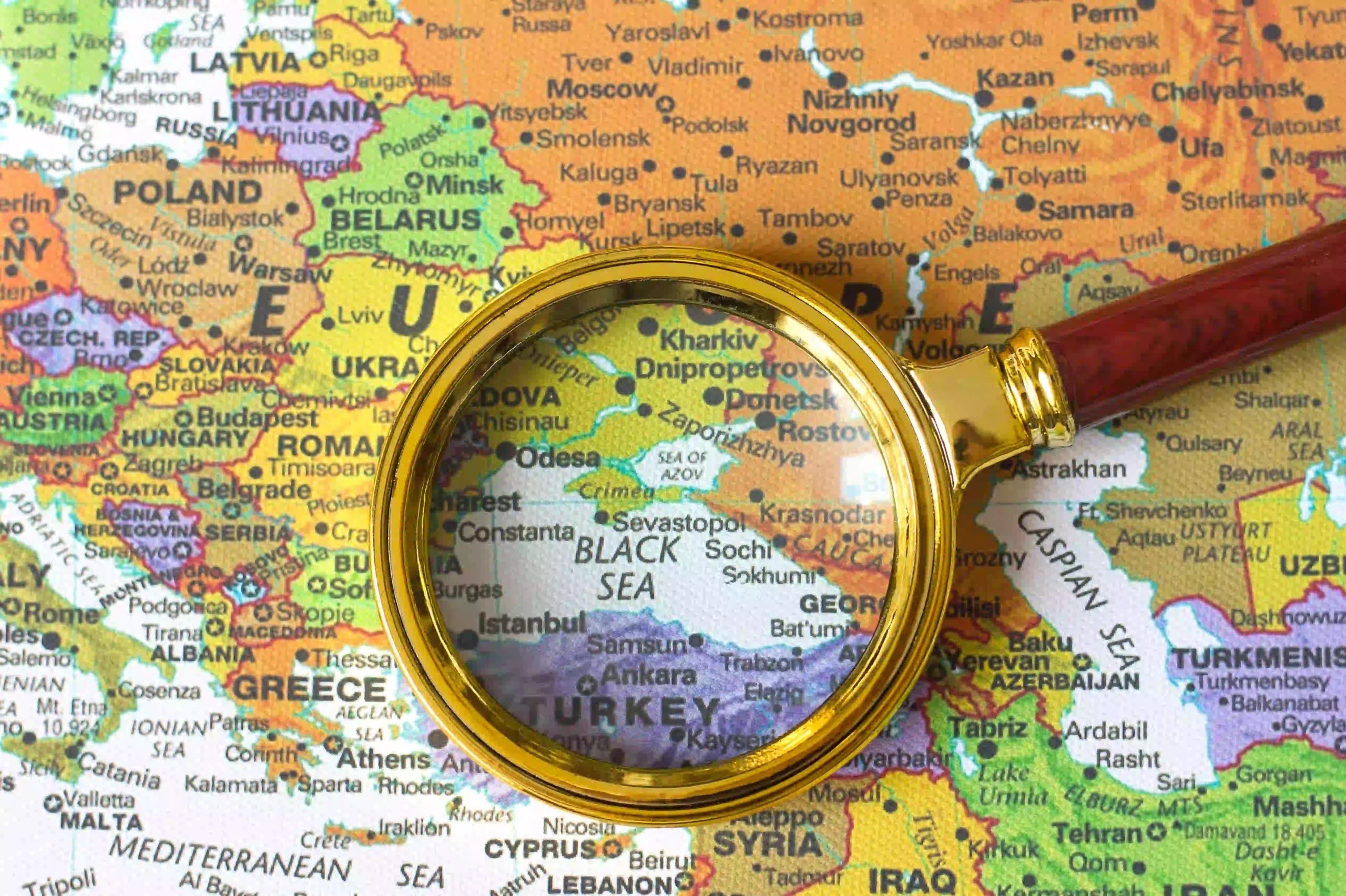
Since the 16th century, the Black Sea has always been a lake of tensions. Contrary to the Wars of The Holy League, in which the Ottoman Empire witnessed its first territorial loss, the contemporary situation signals Turkish gains in the region. The ongoing war in Ukraine has revived the Montreux Convention which gives Ankara the higher hand in the Black Sea and led other NATO members to appreciate the indispensable Turkish role. Recently, developments in the Black Sea ranging from decaying Russian power to Western apprehension are offering Ankara some Turkish delights.
Programmes
2 May 2023
Nationalism: The Last Card in Erdogan’s Hands
With the date of Turkish elections coming soon, Turkish president and his Justice and Development Party (AKP) are facing one of the most serious challenges since the year they came to power. Namely, inflation exceeded 80% in September 2022 and Turkish Lira plummeted in the face of American Dollar. These economic hardships are leading the prospects of a political change to peak. According to polls, Erdogan is in real trouble with the AKP receiving barely 29.5% of votes. Accordingly, Erdogan and his allies resorted to the Nationalist rhetoric knowing that it is an important card when it comes to attracting Turkish citizens’ votes. Turkish Nationalism is believed to be nurtured by Kurdish uprisings and the belief in the “revival” of the Ottoman empire. Next May, general elections are to be held in the middle of the aforementioned atmosphere which threatens Erdogan's legacy. Using the same nationalist tactic as he used in 2018, will the Turkish President succeed again or it is a burned card not useful anymore?
Programmes
23 Mar 2023
A Window of Opportunity: A Reading of Turkey’s Position on Sweden and Finland’s NATO Membership
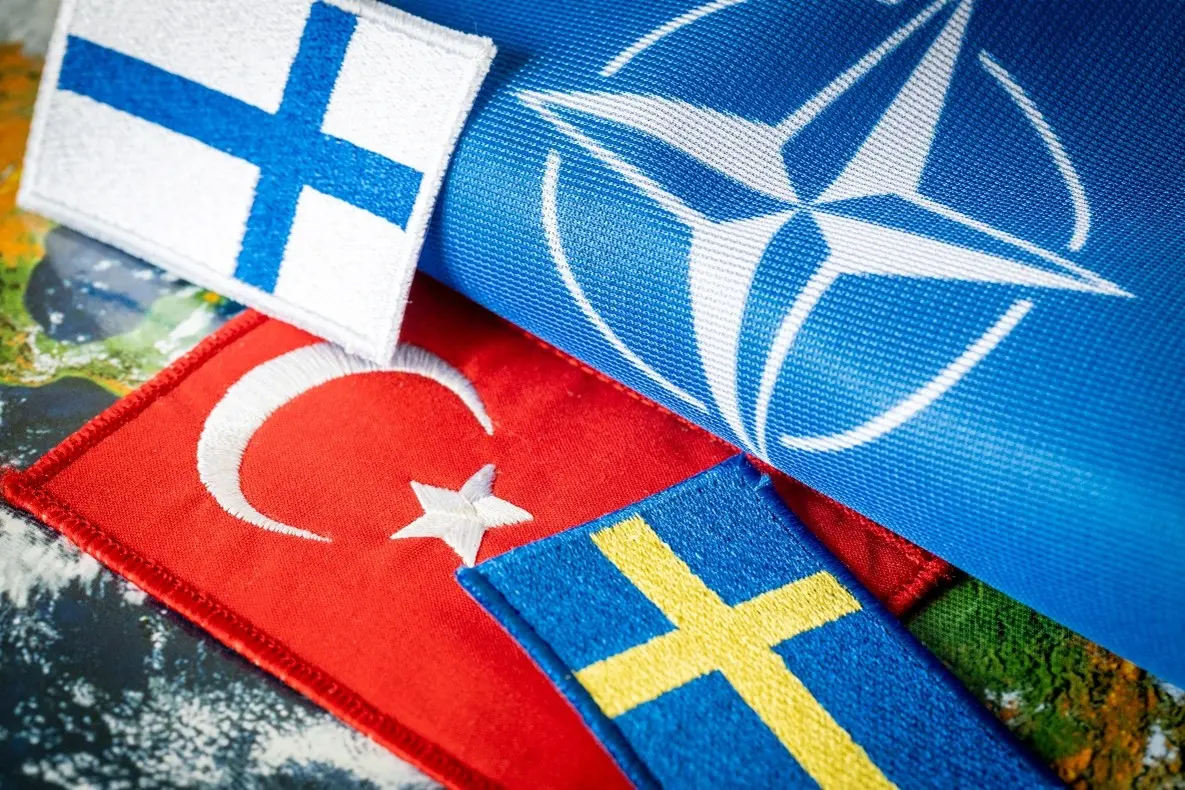
The North Atlantic Treaty Organization (NATO) philosophy is based on promoting peace and stability and protecting the security of its members through a European and North American defence alliance. The alliance enjoys an "open door policy" whereby any European country willing to undertake the obligations and commitments of membership is welcome to apply for membership. Any decisions on expansion must be approved by a unanimous vote of the current 30 members. The essential feature of the alliance is Article 5 of the Washington Treaty on Collective Defence, which establishes NATO as a powerful alliance that guarantees security by the military response and protects any member state if it is attacked.