
Programmes
13 Apr 2026
Blank Rounds: Can Trump Blockade the Strait of Hormuz?
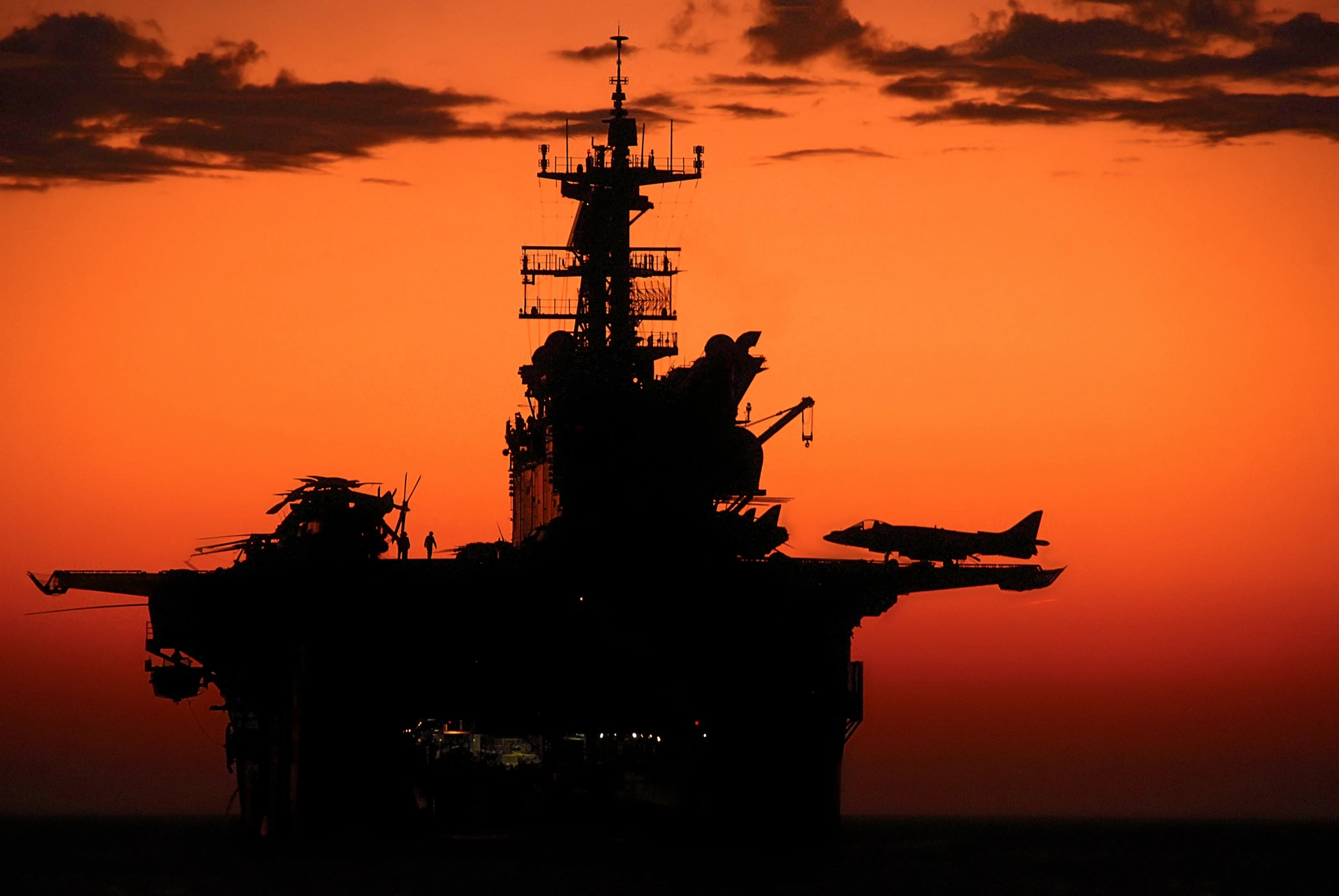
President Donald Trump announced that the United States will impose a naval blockade on the Strait of Hormuz after weekend talks to end the Iran war collapsed without a settlement. The Islamabad negotiations, which were intended to turn a tenuous ceasefire into a durable peace and reopen Hormuz to safe navigation, broke down over unresolved disputes on nuclear enrichment, sanctions relief, and control of maritime transit. In response, Trump issued an executive order directing the US Navy to interdict any vessel attempting to transit the strait, with particular focus on neutral and commercial ships that have paid Iranian transit tolls, which the White House now characterises as an illegal extortion regime rather than a lawful fee regime.
Trump’s declaration instantly elevates the conflict from a regional shooting war to a global maritime and energy crisis centred on the world’s most critical oil chokepoint, a waterway just twenty‑one nautical miles across at its narrowest. By pledging to enforce a blockade without United Nations Security Council authorisation, the president has pushed the United States into a legally and operationally contested grey zone, framing the move as necessary to dismantle the Islamic Revolutionary Guard Corps’ grip over the strait and sever a key stream of cryptocurrency and foreign-exchange revenue to Tehran. The administration’s strategy now hinges on whether US naval power, layered secondary sanctions, and sustained diplomatic pressure can actually sustain a prolonged blockade in the face of Iranian asymmetric deterrence. The following analysis, therefore, centers on Trump’s blockade order itself: its operational viability, Iran’s capacity to erode or break it through asymmetric tactics, and the resulting shockwaves for global energy markets, commercial shipping patterns, and regional economic stability.

Programmes
14 Nov 2024
Why Has China Been Politically Neutral in Libya?
China is known for using its economic power to infiltrate developing countries, especially those experiencing economic shocks, through providing unconditional loans and increasing its investments in infrastructure. Moreover, China avoids the risk of investing in fragile countries or countries torn out by civil wars, as it might not be a safe environment for long-term investments. In Libya, China has maintained the same policy and avoided playing a crucial role in affecting the outcomes of the Libyan conflict. It, however, preferred to maintain a strong connection with the different local parties engaged in this conflict to preserve its interests and ensure having an economic role in the future of the country. This analysis is going to deeply explore the Chinese role in Libya along with future prospects.