
Programmes
13 Apr 2026
Blank Rounds: Can Trump Blockade the Strait of Hormuz?
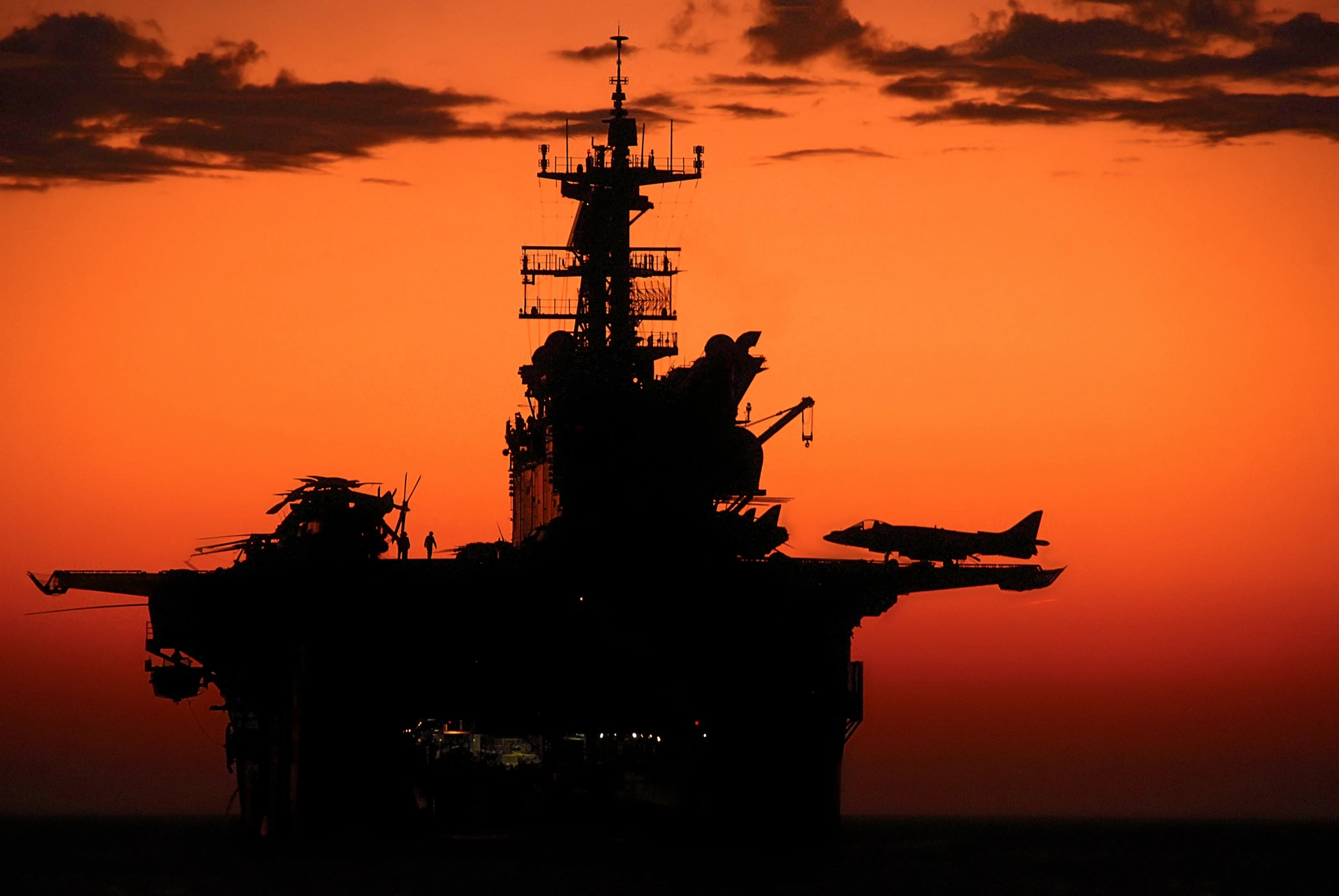
President Donald Trump announced that the United States will impose a naval blockade on the Strait of Hormuz after weekend talks to end the Iran war collapsed without a settlement. The Islamabad negotiations, which were intended to turn a tenuous ceasefire into a durable peace and reopen Hormuz to safe navigation, broke down over unresolved disputes on nuclear enrichment, sanctions relief, and control of maritime transit. In response, Trump issued an executive order directing the US Navy to interdict any vessel attempting to transit the strait, with particular focus on neutral and commercial ships that have paid Iranian transit tolls, which the White House now characterises as an illegal extortion regime rather than a lawful fee regime.
Trump’s declaration instantly elevates the conflict from a regional shooting war to a global maritime and energy crisis centred on the world’s most critical oil chokepoint, a waterway just twenty‑one nautical miles across at its narrowest. By pledging to enforce a blockade without United Nations Security Council authorisation, the president has pushed the United States into a legally and operationally contested grey zone, framing the move as necessary to dismantle the Islamic Revolutionary Guard Corps’ grip over the strait and sever a key stream of cryptocurrency and foreign-exchange revenue to Tehran. The administration’s strategy now hinges on whether US naval power, layered secondary sanctions, and sustained diplomatic pressure can actually sustain a prolonged blockade in the face of Iranian asymmetric deterrence. The following analysis, therefore, centers on Trump’s blockade order itself: its operational viability, Iran’s capacity to erode or break it through asymmetric tactics, and the resulting shockwaves for global energy markets, commercial shipping patterns, and regional economic stability.
Programmes
12 Feb 2026
Food Weaponisation: Building Food Resilience in the Global South
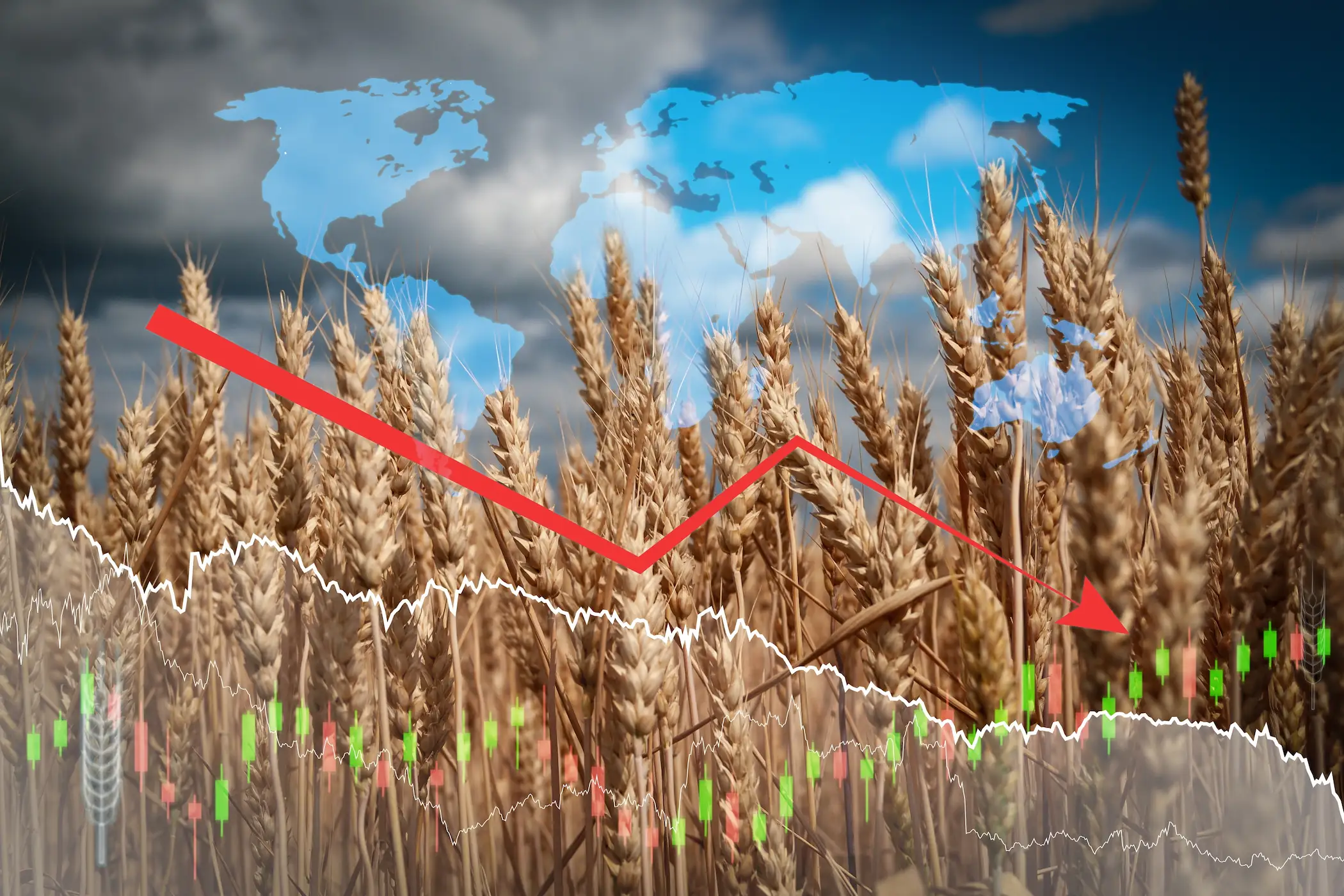
Food commodities are becoming strategic resources, increasingly viewed as important as oil and gas. Food is used as a tool of political control, where food export control or bans influence countries' behaviour and policy outcomes. For instance, Russia's actions in the Black Sea’s exports caused price spikes and forced strategic changes to the Black Sea Grain Initiative in favour of Moscow. The Russia-Ukraine ًar has showcased how food can be used as a weapon and how major food importers, like Egypt, have faced direct vulnerabilities impacting their food supply.
As governments continue to weaponise food supply to leverage their position in warfare and as climate change worsens, countries will increasingly treat food as a national security issue and reshape alliance-building. Countries could be more likely to depend on food weaponisation tools, as they appear to be effective in ongoing conflicts. Hence, the Global South and food importers are in danger of being exposed to increased starvation and political control from food exporters and wealthier nations that control food systems. The forecasts incite these countries to re-evaluate their strategies to curb the risk of food insecurity.