
Programmes
4 Oct 2026
Food or Fuel: The Implications of Biofuels for Global Food Security
The international system faces complex geostrategic pressures that place global supply chains under unprecedented strain. Escalating military tensions, particularly disruptions to shipping through the Strait of Hormuz, are putting pressure on oil and liquefied natural gas flows. In 2025, this passage carried around a quarter of seaborne oil trade and 19% of global trade in liquefied natural gas. These developments coincide with a shift in the Russia–Ukraine conflict towards attacks on energy infrastructure, alongside tighter restrictions on Black Sea shipping and disruptions to key export routes for strategically important grains. This convergence leaves the world caught between declining oil supplies and restricted access to part of the available food supply, complicating procurement and threatening the foundations of national security.
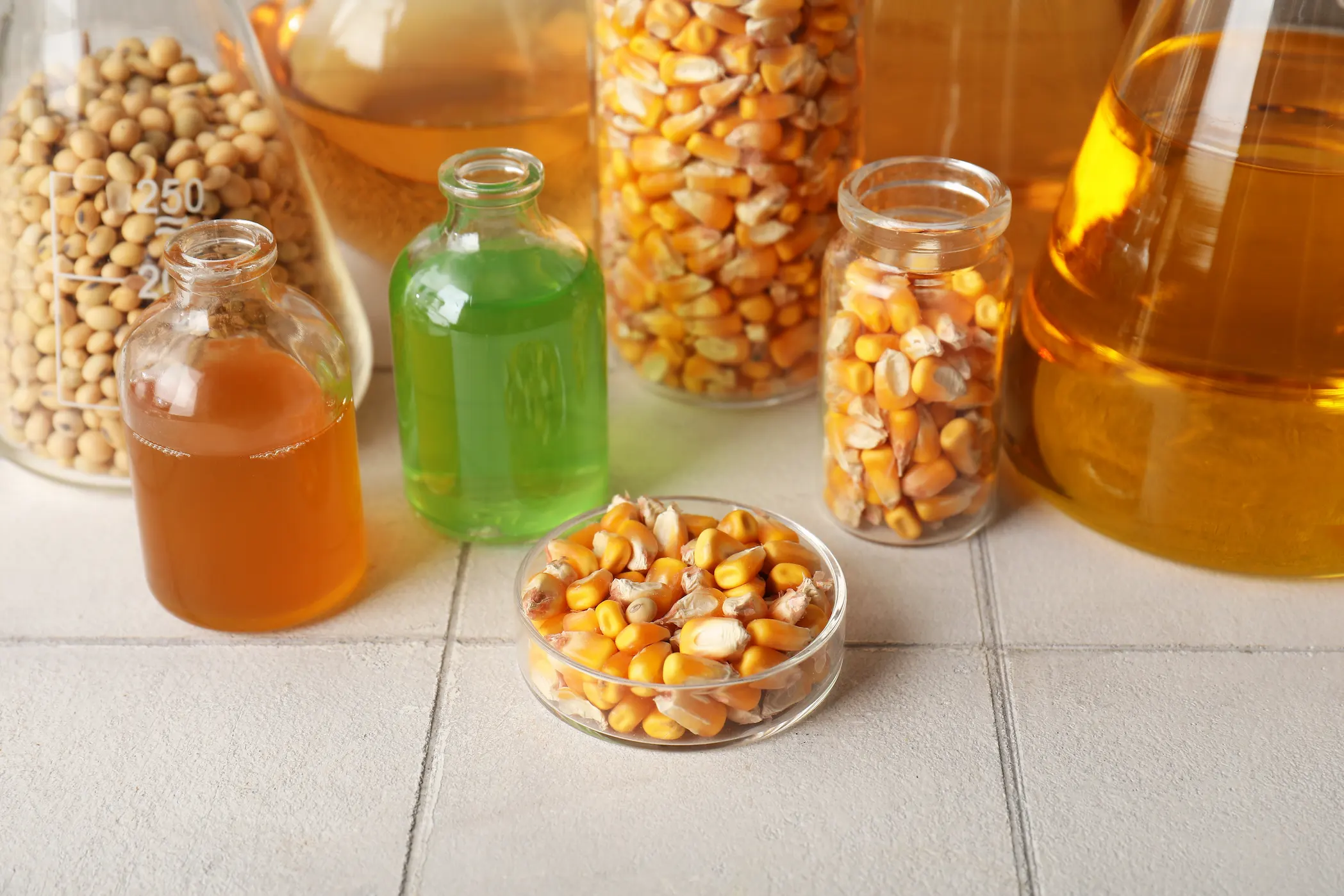
Faced with these shortages and rising shipping costs, some major powers and emerging economies are expanding biofuel production as an instrument of national policy to ease the energy crisis, alongside pursuing environmental objectives and supporting agricultural production. Agricultural producer countries are consequently choosing to redirect part of their strategic crop output, including maize, sugar cane and palm oil, towards biofuel plants to meet transport needs. This analysis advances the hypothesis that expanding biofuels derived from food crops may heighten the vulnerability of importing countries when demand growth outstrips the capacity of production and stocks to accommodate it, while trade policies restrict exportable supplies. The scale of this effect depends on the feedstocks used, the volume diverted and the responsiveness of production. It does not apply to the same extent to fuels produced from agricultural residues or used oils.
Import-dependent countries, particularly in the Middle East and Africa, may bear the cost of these pressures through diminished food security and domestic stability. An inability to secure food can, in this context, undermine social stability and signal the risk of political crises whose severity varies according to institutional effectiveness and the capacity to protect the most vulnerable groups. This complex situation poses an urgent question: how far can importing countries withstand the convergence of energy and food policies, and what protective mechanisms can safeguard their national security as competition intensifies between the use of crops for food and for fuel?
Programmes
2 Sep 2026
Pulse: Who Controls the Region’s Food?
Food security has become one of the most consequential strategic questions facing the Arab world. Heavy reliance on imported grain, seeds, and agricultural inputs, combined with limited control over pricing and distribution, has left the region exposed to decisions made far beyond its borders.
Programmes
14 Jul 2026
From the Climate to the Strait of Hormuz: How Will the Next Food Crisis Begin?
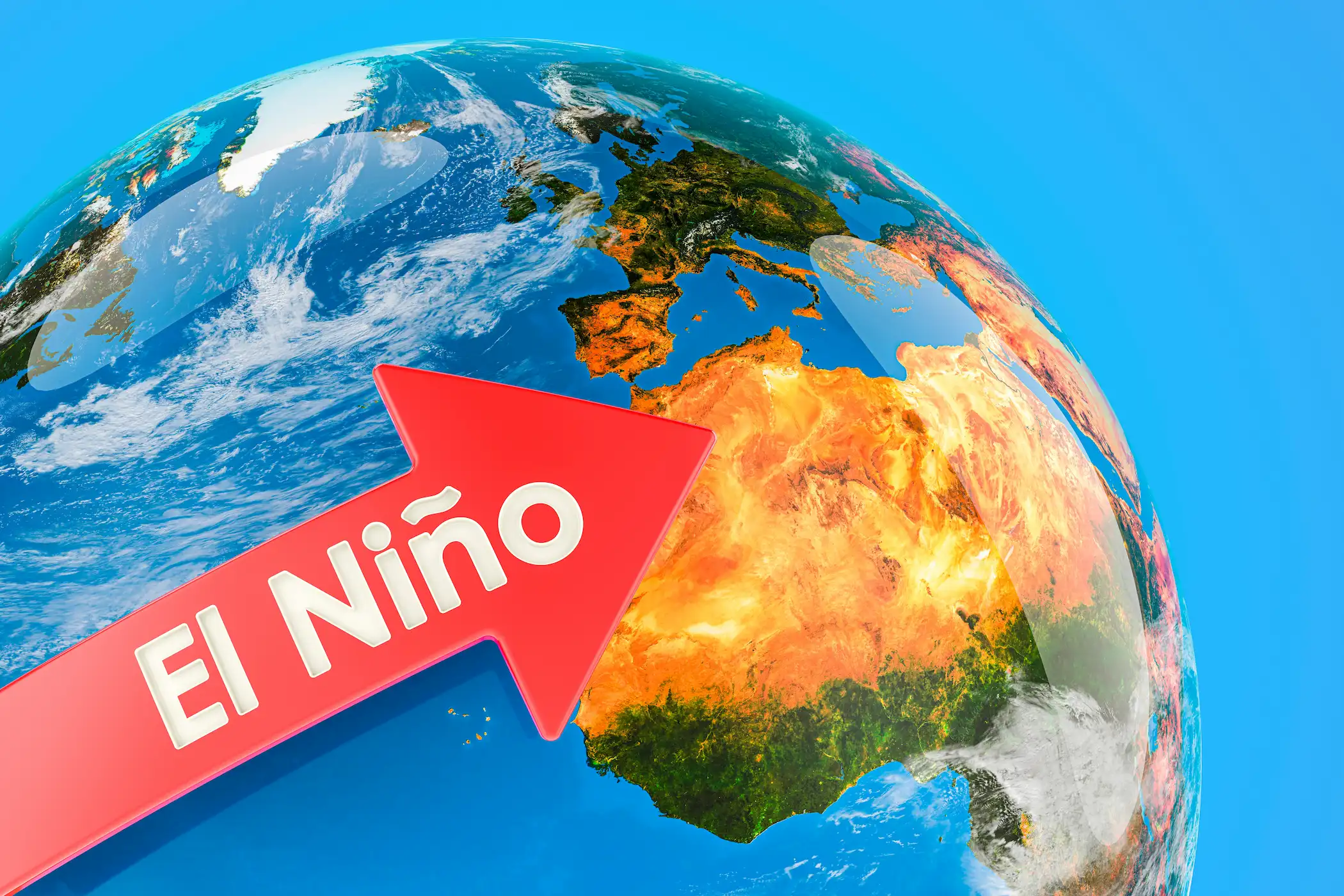
Global food security has rarely faced two simultaneous structural shocks of this magnitude. The February 2026 closure of the Strait of Hormuz, triggered by the escalating US-Israel-Iran conflict, severed the world's most critical maritime corridor for energy, fertilizer, and food trade in a single blow. Thousands of miles away, El Niño, a periodic warming of the equatorial Pacific Ocean that triggers droughts, weakens monsoons, and disrupts growing conditions across the globe, is intensifying at a pace forecasters warn could make it one of the most severe events since records began.
Each shock alone would constitute a serious test for global food systems. Together, they converge on a region structurally designed to withstand neither. In 2026, both shocks are unfolding simultaneously, stacked on top of fertilizer markets already in crisis — a compounding that no previous El Niño episode has faced. The question is no longer whether they will converge, but how severe the consequences will be for a region structurally unprepared for either.
Programmes
12 Feb 2026
Food Weaponisation: Building Food Resilience in the Global South
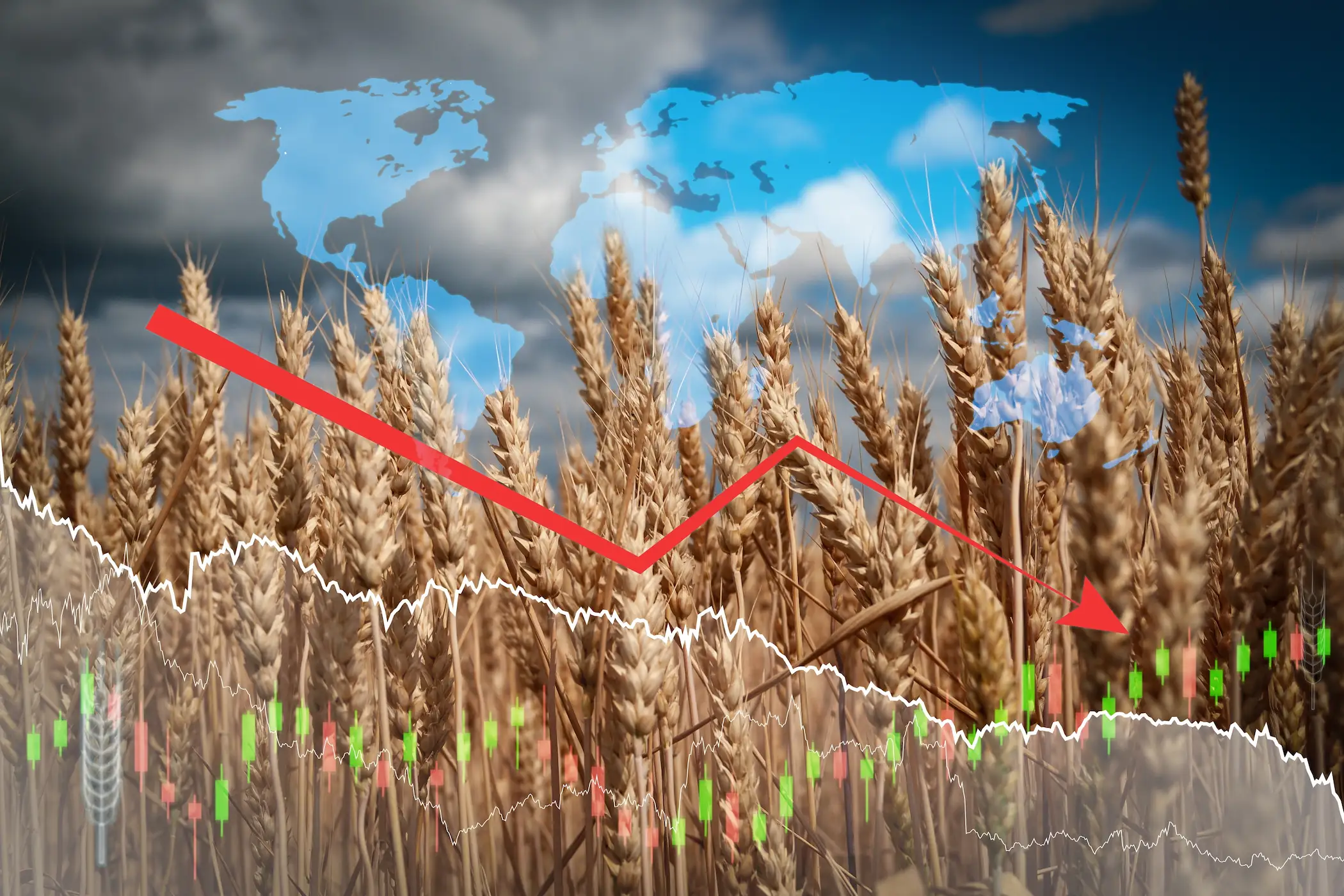
Food commodities are becoming strategic resources, increasingly viewed as important as oil and gas. Food is used as a tool of political control, where food export control or bans influence countries' behaviour and policy outcomes. For instance, Russia's actions in the Black Sea’s exports caused price spikes and forced strategic changes to the Black Sea Grain Initiative in favour of Moscow. The Russia-Ukraine ًar has showcased how food can be used as a weapon and how major food importers, like Egypt, have faced direct vulnerabilities impacting their food supply.
As governments continue to weaponise food supply to leverage their position in warfare and as climate change worsens, countries will increasingly treat food as a national security issue and reshape alliance-building. Countries could be more likely to depend on food weaponisation tools, as they appear to be effective in ongoing conflicts. Hence, the Global South and food importers are in danger of being exposed to increased starvation and political control from food exporters and wealthier nations that control food systems. The forecasts incite these countries to re-evaluate their strategies to curb the risk of food insecurity.