
The Politics of Military Readiness: What the Crisis Onboard the USS Lincoln Reveals
Programmes

The Politics of Military Readiness: What the Crisis Onboard the USS Lincoln Reveals

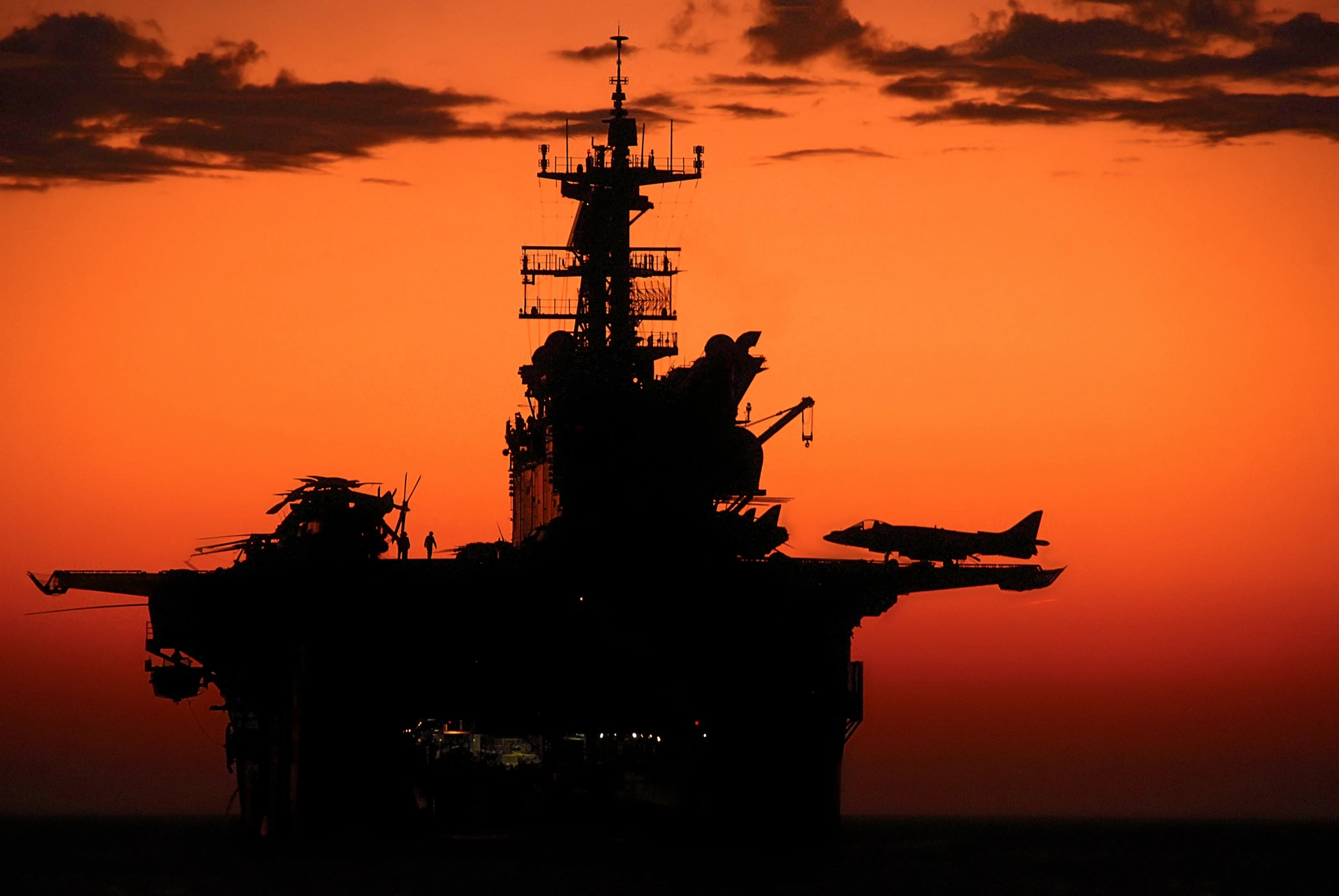
The USS Abraham Lincoln departed San Diego on 21 November 2025 for operations in Asian waters. Following the outbreak of the U.S.-Israeli war with Iran, the carrier was redirected to the Arabian Sea and assigned to support the wider campaign, including blockade operations in and around the Strait of Hormuz. This redirection extended the ship’s time at sea to approximately 260 days—nearly nine months—before it was relieved by USS George Washington and began its return to San Diego. The experience of USS Abraham Lincoln demonstrates the limits of an approach to military readiness that prioritises platforms, presence, and the continuation of operations over the people who sustain them. President Donald Trump’s threat of an “indefinite” blockade assumes that naval forces can maintain a high operational tempo without end. Yet the Lincoln’s deployment shows that extended missions impose serious costs on crews: low morale, inadequate living conditions, and declining physical and mental health reduce the human capacity required to operate and maintain a carrier effectively.   The crisis aboard USS Abraham Lincoln therefore exposes a structural weakness in contemporary U.S. naval doctrine. A carrier strike group may remain deployed and visibly capable, but deterrence depends not only on ships, aircraft, and weapons; it also depends on sailors who are rested, supplied, healthy, and able to sustain demanding operations. When these requirements are neglected, the pursuit of an “indefinite” blockade can undermine the readiness it is intended to demonstrate and weaken the credibility of U.S. deterrence in the Middle East.   Although the USS George Washington has taken over the Lincoln’s duties, the Lincoln’s nine-month deployment raises wider questions about the Trump administration’s understanding of military readiness. Readiness is more than the ability to deploy forces quickly or order them into action. It is the ability to sustain personnel, equipment, and operations over time without exhausting the force itself.
Blank Rounds: Can Trump Blockade the Strait of Hormuz?
Programmes

Blank Rounds: Can Trump Blockade the Strait of Hormuz?

President Donald Trump announced that the United States will impose a naval blockade on the Strait of Hormuz after weekend talks to end the Iran war collapsed without a settlement. The Islamabad negotiations, which were intended to turn a tenuous ceasefire into a durable peace and reopen Hormuz to safe navigation, broke down over unresolved disputes on nuclear enrichment, sanctions relief, and control of maritime transit. In response, Trump issued an executive order directing the US Navy to interdict any vessel attempting to transit the strait, with particular focus on neutral and commercial ships that have paid Iranian transit tolls, which the White House now characterises as an illegal extortion regime rather than a lawful fee regime.   Trump’s declaration instantly elevates the conflict from a regional shooting war to a global maritime and energy crisis centred on the world’s most critical oil chokepoint, a waterway just twenty‑one nautical miles across at its narrowest. By pledging to enforce a blockade without United Nations Security Council authorisation, the president has pushed the United States into a legally and operationally contested grey zone, framing the move as necessary to dismantle the Islamic Revolutionary Guard Corps’ grip over the strait and sever a key stream of cryptocurrency and foreign-exchange revenue to Tehran. The administration’s strategy now hinges on whether US naval power, layered secondary sanctions, and sustained diplomatic pressure can actually sustain a prolonged blockade in the face of Iranian asymmetric deterrence. The following analysis, therefore, centers on Trump’s blockade order itself: its operational viability, Iran’s capacity to erode or break it through asymmetric tactics, and the resulting shockwaves for global energy markets, commercial shipping patterns, and regional economic stability.