
Programmes
24 Jul 2026
The End of Free Passage? The Future Struggle Over the World’s Sea Lanes
What if the sea lanes were no longer free? For seventy years, the assumption that ships pass through the world's strategic straits without permission, payment, or political approval has underpinned global trade so completely that it was rarely stated, let alone defended. In 2026, that assumption stopped being safe. In one of the world's most critical waterways, passage is now vetted, priced, and rationed by political alignment. At another, a price for safe transit has been openly announced. Along the polar routes, permits and fees are already the law, and older managed regimes are quietly expanding. These are not isolated crises. Taken together, they form the early signal of something larger: the transformation of maritime chokepoints from global commons into sovereign assets, and with it, the quiet repricing of the geography on which world trade depends.
Programmes
22 Feb 2024
Turkey: Reaping the Rewards of a Turbulent Black Sea
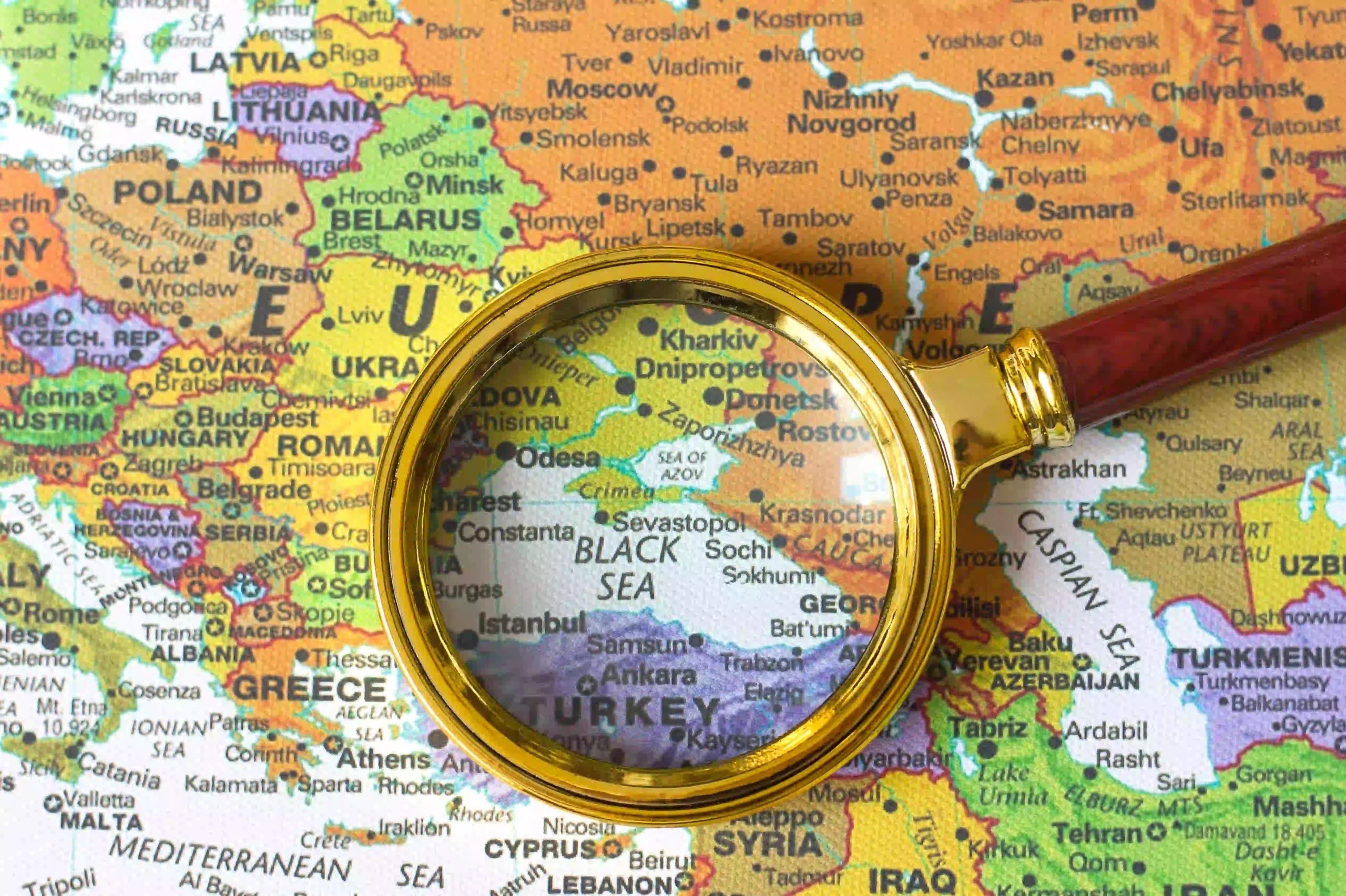
Since the 16th century, the Black Sea has always been a lake of tensions. Contrary to the Wars of The Holy League, in which the Ottoman Empire witnessed its first territorial loss, the contemporary situation signals Turkish gains in the region. The ongoing war in Ukraine has revived the Montreux Convention which gives Ankara the higher hand in the Black Sea and led other NATO members to appreciate the indispensable Turkish role. Recently, developments in the Black Sea ranging from decaying Russian power to Western apprehension are offering Ankara some Turkish delights.