
Programmes
4 Sep 2026
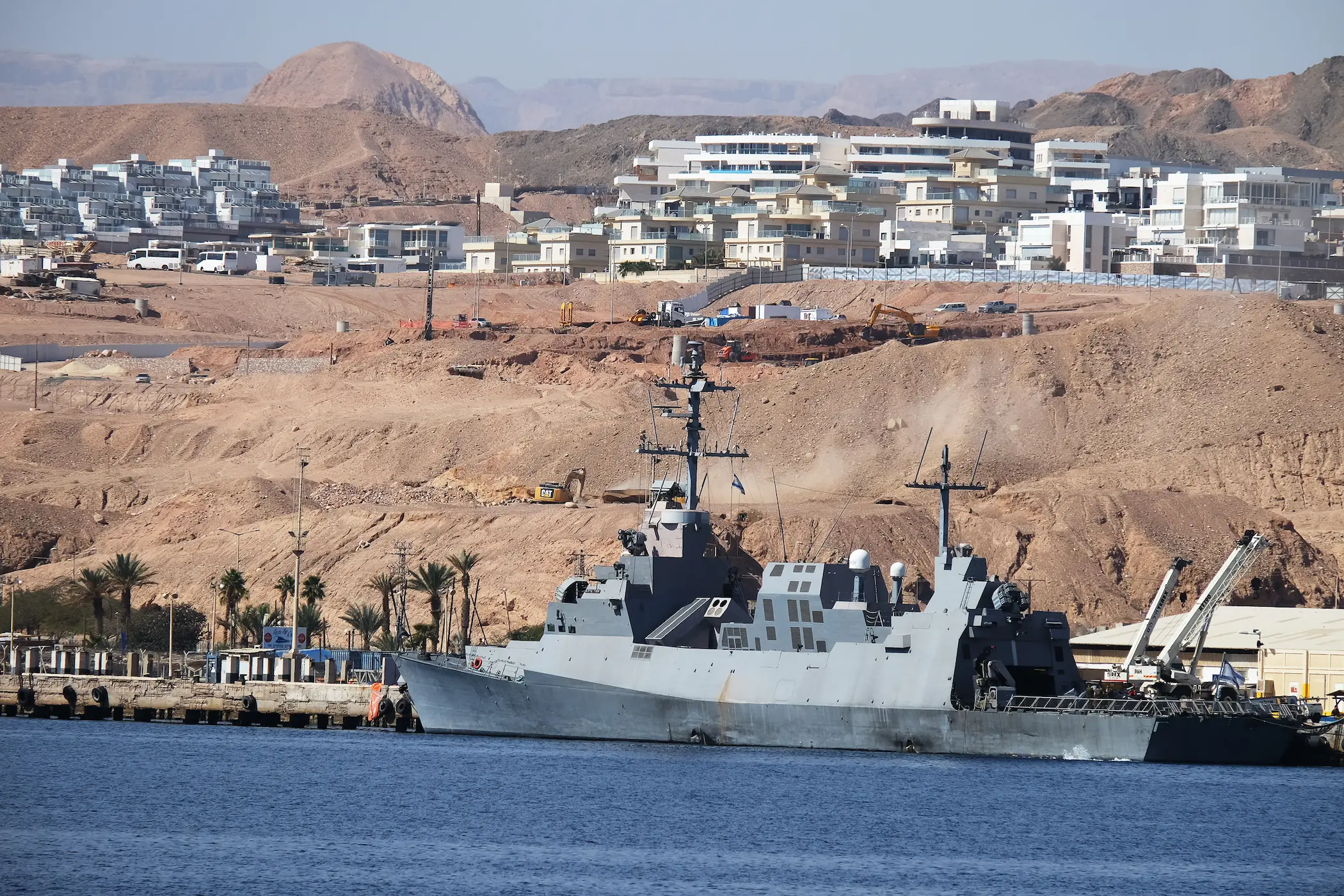
Geography Under Siege: How the Sea Became Israel’s Greatest Vulnerability
The geopolitical and security complexities of land borders in the Middle East have created a strategic reality in which Israel effectively functions as an "island economy", despite its physical connection to the continental landmass. This overland isolation has left the Israeli economy with little choice but to rely almost entirely on maritime routes to sustain its trade arteries, secure vital imports and maintain the flow of exports. The sea, therefore, is no longer merely an additional geopolitical and military domain, but has become the lung through which the Israeli economy breathes.
In this context, geography has shifted from a potential defensive shield to a structural vulnerability, with any disruption to freedom of navigation or coastal security posing an existential threat to capital flows and market stability.
This strategic vulnerability is further compounded by the country's demographic and economic geography. The coastal strip constitutes Israel's true centre of gravity, concentrating much of its population, financial centres, logistics infrastructure and principal ports.
This concentration leaves the coastline particularly exposed. Any security disruption in the maritime domain would affect not only shipping, but also the very fabric of everyday life and the core of commercial activity. Non-state armed actors have recognised this dynamic and identified the maritime domain as an opportunity to inflict economic paralysis at extremely low cost, circumventing the need to penetrate Israel's sophisticated air and land defence systems.
The concept of maritime infrastructure is no longer confined to ships and ports, but has expanded to encompass sovereign assets that constitute pillars of contemporary national security. Natural gas fields beneath the Eastern Mediterranean have become a cornerstone of energy independence, with any threat to production platforms or pipelines having immediate repercussions for industrial production costs and electricity grid stability.
In parallel, subsea telecommunications cables have emerged as a lifeline for the digital knowledge economy. The high-tech and financial services sectors depend entirely on these cables' integrity to ensure the global flow of data. Protecting these subsea assets has therefore moved beyond the technical realm to become a core element of the security doctrine aimed at protecting the economy from collapse in times of crisis.
This maritime exposure confronts the military establishment with a dual strategic dilemma: a widening protection gap between the immediate coastline and distant international sea lanes.
At the near-shore tactical level, the challenges associated with protecting coastal installations from unconventional threats, such as explosive-laden boats and drones, are intensifying. Countering these threats entails enormous financial costs, requiring the operation of expensive interception systems and warships against low-cost offensive capabilities available to adversaries.
At the more distant strategic level, the challenge lies in protecting the vital trade routes running through the Red Sea and the Bab el-Mandeb Strait. Any disruption there could choke off the Port of Eilat, disrupt supply chains from Asia, and drive up insurance and shipping costs, dealing a severe blow to investor confidence and the broader business environment.
Programmes
3 Jun 2025
Why the Houthis Insist on Attacking Israel?
The Houthi armed group has been launching missile and drone attacks on Israel since the start of the Hamas-Israel war in October 2023. While these actions have been undertaken to show solidarity with Gaza and the Palestinian cause, the Houthi utilised these attacks to increase its popularity in Yemen. Moreover, the Houthi group, which is mainly supported by Iran, used these attacks to prove that it is capable militarily of engaging with foreign powers, hence delivering a message to the Aden-based legitimate government and its Gulf allies that it is militarily ready to engage with them.

Programmes
12 Sep 2024
Turkey and Somalia: A New Rising Pact in the Horn of Africa
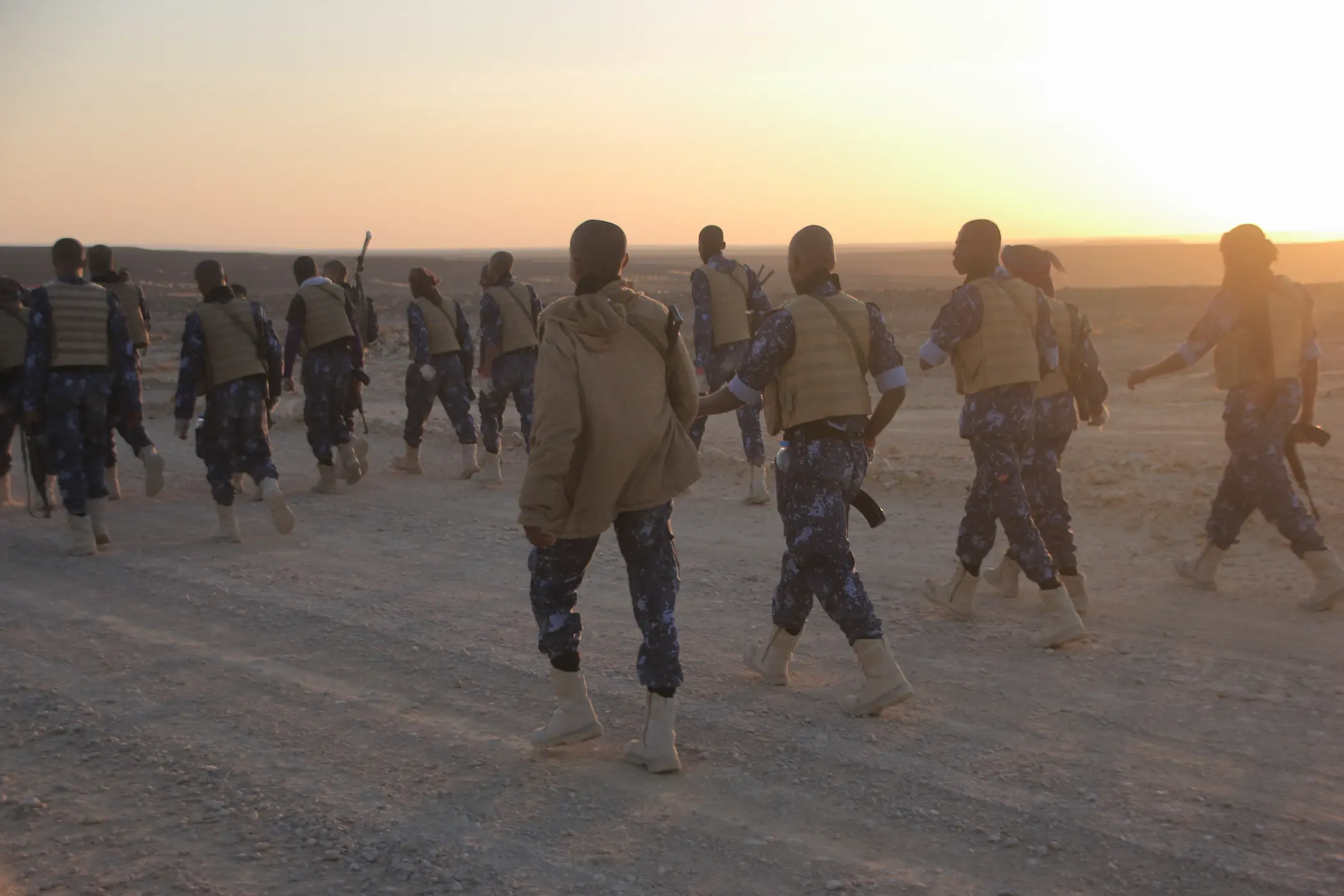
Turkey has a deep interest in the Horn of Africa and considers it as the gate to the East of the continent. Since 2011, Turkey has increased its humanitarian aid to Somalia, signed military and economic agreements and contributed to the process of state-building through allowing its companies to construct infrastructure, schools, hospital, and governmental premises. In 2017, Turkey has opened the largest military base, known as TURKSOM, beyond its borders to fully qualify the Somali army to deter the threat arising from the Al-Shabab movement that has been designated as a terrorist organization by the United States (U.S.) since 2008.
In February 2024, Turkey signed significant military and economic agreements with Somalia, allowing it to a key player in the politics of Horn of Africa. According to the 10-year pact, Turkey will help Somalia to defend its maritime against piracy, smuggling, and foreign intervention from Ethiopia. Turkey is also obliged by the terms of this agreement to train and rebuild the Somali naval forces. The process of rebuilding includes weaponizing the Somali naval forces with Turkish weapons manufactured locally. These weapons include frigates built mainly for the Somali navy, which means that the Turkish military exports will witness an increase of demand on its products in the forthcoming years. This would motivate other countries to buy Turkish weapons, especially if Turkish weapons proved its efficiency in securing Somali maritime. These agreements also enable Turkey to work on extracting natural resources from the Somali territorial water in return for an agreed-upon percentage for Turkey. Some reports revealed that Turkey will receive 30% of the revenues of the Somali economic zone. Somali airspace will also be fully opened for Turkish military use. This analysis explores Turkish motivations of signing this agreement and the challenges that it might confront while implementing it.