
Programmes
4 Sep 2026
Geography Under Siege: How the Sea Became Israel’s Greatest Vulnerability
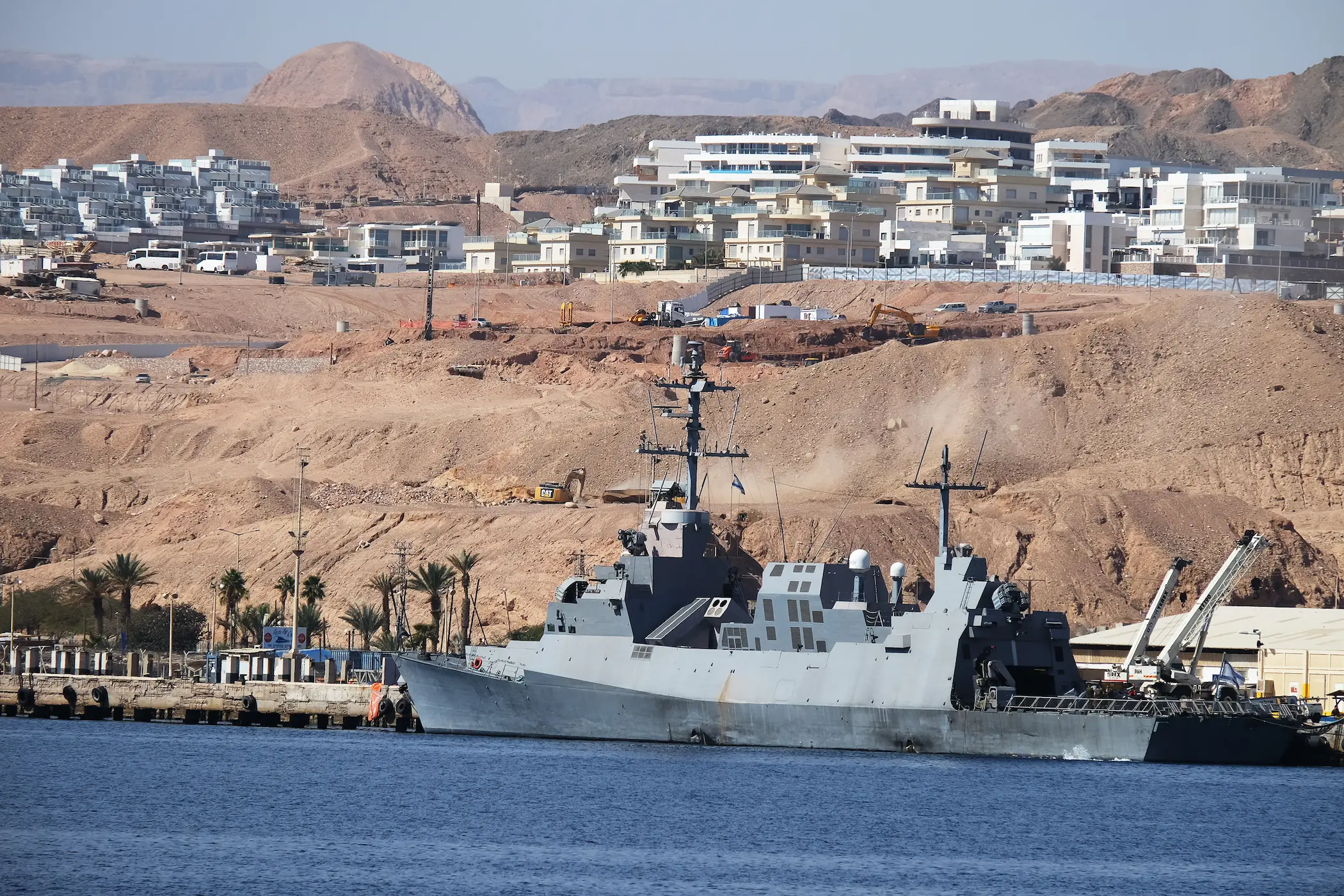
The geopolitical and security complexities of land borders in the Middle East have created a strategic reality in which Israel effectively functions as an "island economy", despite its physical connection to the continental landmass. This overland isolation has left the Israeli economy with little choice but to rely almost entirely on maritime routes to sustain its trade arteries, secure vital imports and maintain the flow of exports. The sea, therefore, is no longer merely an additional geopolitical and military domain, but has become the lung through which the Israeli economy breathes.
In this context, geography has shifted from a potential defensive shield to a structural vulnerability, with any disruption to freedom of navigation or coastal security posing an existential threat to capital flows and market stability.
This strategic vulnerability is further compounded by the country's demographic and economic geography. The coastal strip constitutes Israel's true centre of gravity, concentrating much of its population, financial centres, logistics infrastructure and principal ports.
This concentration leaves the coastline particularly exposed. Any security disruption in the maritime domain would affect not only shipping, but also the very fabric of everyday life and the core of commercial activity. Non-state armed actors have recognised this dynamic and identified the maritime domain as an opportunity to inflict economic paralysis at extremely low cost, circumventing the need to penetrate Israel's sophisticated air and land defence systems.
The concept of maritime infrastructure is no longer confined to ships and ports, but has expanded to encompass sovereign assets that constitute pillars of contemporary national security. Natural gas fields beneath the Eastern Mediterranean have become a cornerstone of energy independence, with any threat to production platforms or pipelines having immediate repercussions for industrial production costs and electricity grid stability.
In parallel, subsea telecommunications cables have emerged as a lifeline for the digital knowledge economy. The high-tech and financial services sectors depend entirely on these cables' integrity to ensure the global flow of data. Protecting these subsea assets has therefore moved beyond the technical realm to become a core element of the security doctrine aimed at protecting the economy from collapse in times of crisis.
This maritime exposure confronts the military establishment with a dual strategic dilemma: a widening protection gap between the immediate coastline and distant international sea lanes.
At the near-shore tactical level, the challenges associated with protecting coastal installations from unconventional threats, such as explosive-laden boats and drones, are intensifying. Countering these threats entails enormous financial costs, requiring the operation of expensive interception systems and warships against low-cost offensive capabilities available to adversaries.
At the more distant strategic level, the challenge lies in protecting the vital trade routes running through the Red Sea and the Bab el-Mandeb Strait. Any disruption there could choke off the Port of Eilat, disrupt supply chains from Asia, and drive up insurance and shipping costs, dealing a severe blow to investor confidence and the broader business environment.
Programmes
23 Sep 2025
Structuring Power: Who Will Command the Future Map of Global Aviation
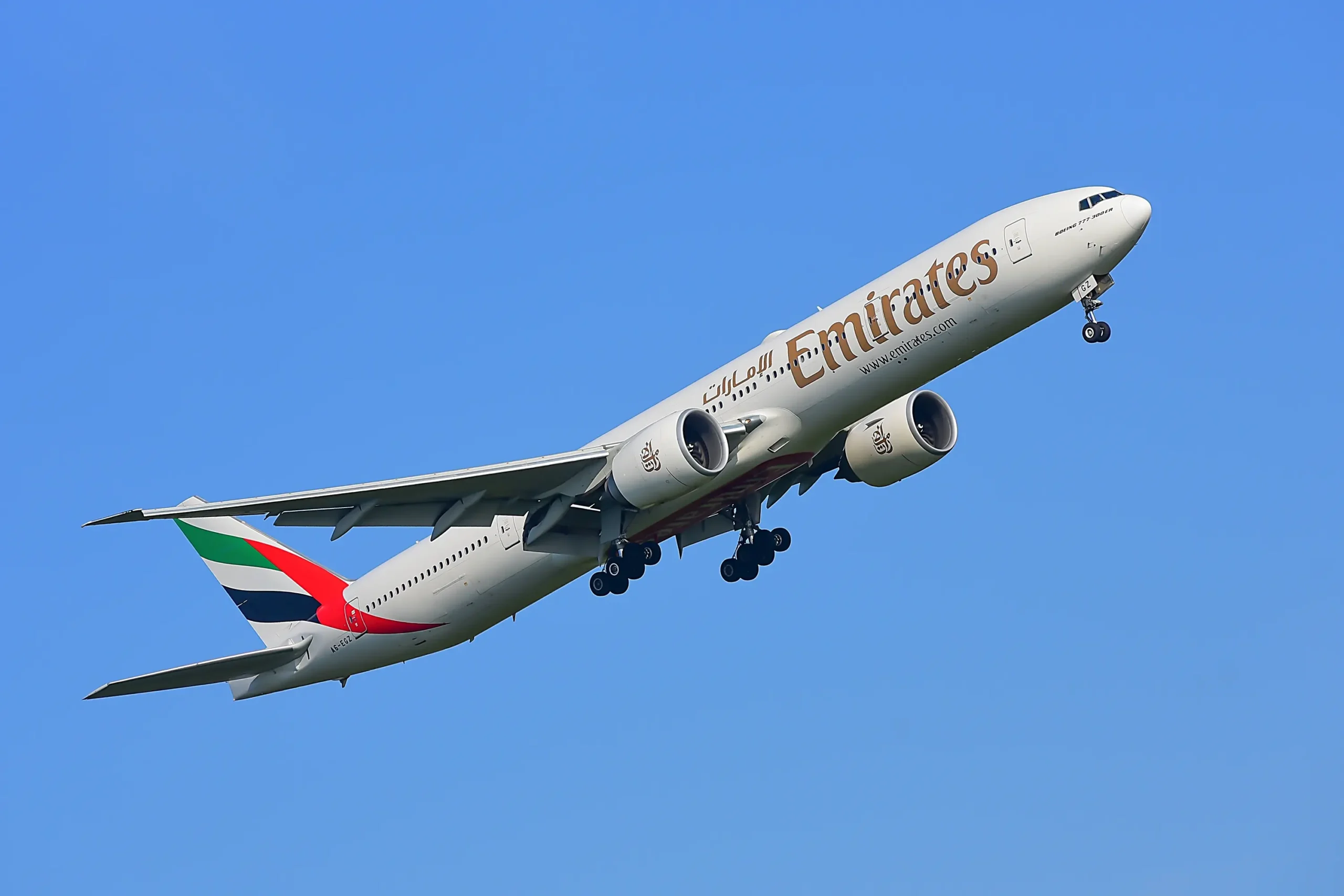
The global aviation industry is undergoing a historic realignment, as the center of gravity shifts decisively from West to East—a transformation that reflects deeper dynamics in the redistribution of economic and geopolitical power within the international system. For decades, Western carriers dominated the skies, leveraging superior infrastructure, extensive fleets, and mature consumer markets. Today, however, airlines based in the Middle East and Asia are emerging as the new engines of growth and connectivity, assuming a central role in redrawing the global map of intercontinental air travel. While the COVID-19 pandemic accelerated this trajectory, it did not initiate it; rather, it exposed the structural vulnerabilities of legacy Western airlines and underscored the strategic foresight of their Eastern counterparts, whose recovery was bolstered by extensive state support and institutionally anchored expansion strategies.
One of the most visible manifestations of this shift is an intense race to modernize fleets with next-generation, long-range, fuel-efficient aircraft—an investment wave that exceeds $200 billion in the Middle East alone. This is not merely a technical upgrade; it constitutes a deliberate, long-term vision to project aerial influence, enhance global market competitiveness, and entrench these airlines as sovereign instruments of statecraft.
Accordingly, this study analyzes the contours of this transformation through an integrated framework that examines operational strength, capital investment in fleets, network architectures, and the adaptability of business models. It further explores the growing convergence between national economic visions—such as Saudi Arabia’s Vision 2030 and China’s Belt and Road Initiative—and the strategic deployment of national carriers as tools of geopolitical influence. Rather than forecasting definitive outcomes, the paper seeks to situate this aviation shift within a broader, more volatile global context—one where profitability and efficiency increasingly intersect with sovereignty and strategic positioning, and where the skies themselves become arenas for shaping the balance of power in the decades ahead.