
Programmes
25 Aug 2026
Diplomacy without Resolution: What Comes After the 60-Day Deadline?
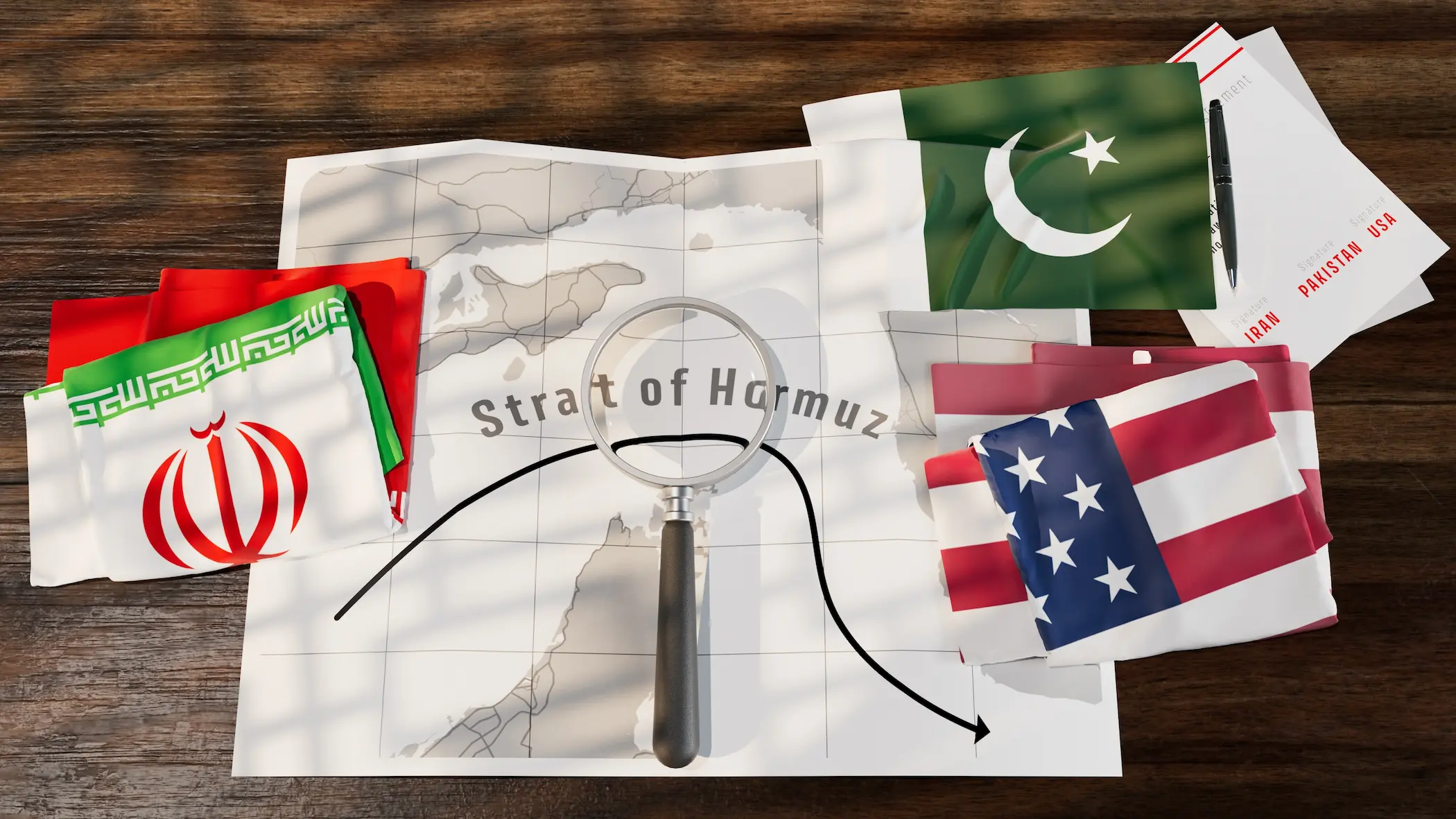
The expiry of the 60-day timeframe stipulated in the Memorandum of Understanding has left the Middle East facing an exceptionally complex geopolitical vacuum, following the failure to forge a strategic agreement that would either defuse tensions or secure the full reopening of the Strait of Hormuz. This does not necessarily signal a sudden or dramatic collapse in negotiations. Rather, it raises a fundamental strategic question about what comes next. The region appears to be entering a calculated tactical transition from conventional diplomacy to a bitter phase of brinkmanship and mutual attrition between Washington and Tehran. As a result, maritime security in one of the world’s most vital waterways, through which approximately 21 million barrels of oil pass each day, equivalent to 20% of global oil consumption, together with around 20% of global liquefied natural gas trade, is increasingly subject to volatile political calculations.
Understanding US conduct in this crisis requires a careful examination of two seemingly contradictory, yet ultimately complementary, perspectives. President Trump’s insistence that there is no pressing timetable for resolving the crisis can be understood as part of a broader doctrine of tactical manoeuvre. Washington is effectively weaponising time to exert systematic economic pressure, sustained by the continuing naval blockade of Iranian ports and an intensification of sanctions. The strategic objective is to drive the Iranian economy towards breaking point and compel Tehran to make substantive concessions, while sparing the US the costs and risks of an open military confrontation. A parallel and more probing assessment, however, suggests that this tactical calm conceals a classic dilemma that sharply constrains US options. Full-scale military escalation would carry prohibitive security and financial costs, potentially driving maritime insurance premiums and energy futures into double-digit surges and placing global supply chains at risk. Yet acquiescing to Tehran’s terms would effectively subordinate international navigation to Iranian will. The current stalemate therefore amounts to little more than an enforced freeze, reflecting institutional frustration at the absence of effective surgical solutions.
On the other side of the strategic equation, Tehran has been far from a passive recipient of pressure. Instead, it has devised a counter-strategy that seeks to redefine the rules of engagement and weaponise geography as a potent source of negotiating leverage. In a particularly consequential move, Iran has succeeded, at least temporarily, in shifting international attention away from the complexities of its nuclear ambitions and uranium enrichment programme, while exploiting maritime chokepoints as an instrument of immediate coercive pressure. Tehran has transformed control over the flow of global trade through the Strait of Hormuz into a decisive bargaining instrument, demonstrating its ability to disrupt global geoeconomic calculations. Iran’s brinkmanship is clearest in the far-reaching conditions it has set for reopening the strait. Rather than limiting its demands to lifting the blockade, Tehran has raised the stakes by calling for the withdrawal of US forces and payment of financial compensation, while insisting on exclusive security control over the waterway and threatening to impose sovereign transit fees. Such maximalist escalation does not necessarily indicate an expectation that all these gains can be secured immediately and in a single settlement. Instead, it is intended to engineer a new geopolitical reality that affords Iranian negotiators greater room for trade-offs and forces the US administration onto the defensive.
Programmes
20 Mar 2026
Iran’s Fragile Economic Adaptation Under Military Pressure
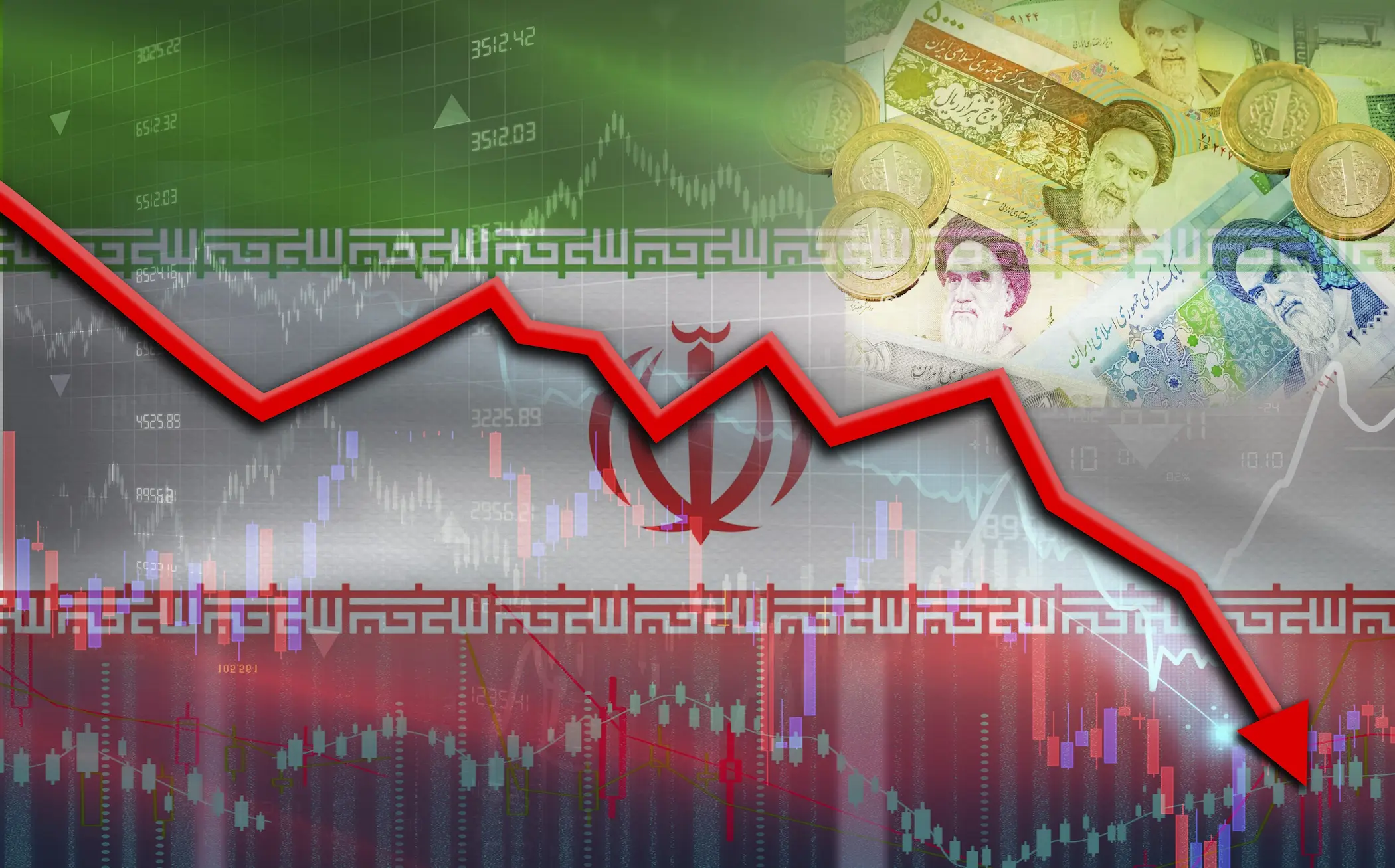
One of the most structurally fragile economies in the Middle East serves as the backdrop to Iran’s current military confrontation. Extensive international sanctions have, for more than a decade, restricted Iran’s access to global financial markets, constrained its energy exports, and limited foreign investment. Gradually, the Iranian economy came to evolve as a sanctions-adaptation economy, surviving persistent external pressure through informal trade networks, shadow energy exports, and alternative financial channels instead of collapsing outright.
Yet unlike sanctions, which create gradual economic constraints, war introduces a fundamentally different kind of shock by disrupting logistics networks, causing unprecedented damage to national infrastructure and compelling the state to reallocate its resources toward defense spending amid military escalation. Such shocks, for an already fragile economy operating at the limits of macroeconomic stability, can generate disproportionate consequences. The current conflict therefore brings into focus a central economic question: can Iran’s sanctions-adapted economy withstand the pressures of war, or will military escalation reveal structural weaknesses previously concealed by the sanction’s system?

Programmes
22 May 2024
ASEAN’s Lessons: A Blueprint for Peace in the Middle East
This article was originally published on Ahram Online on May 21, 2024.
Southeast Asia's history, marred by prolonged conflicts since the 1950s, offers pertinent lessons for strife-torn regions seeking stability. The spectre of the Cold War transformed countries like Vietnam into battlegrounds for over two decades, pitting communist and capitalist ideologies in a gruelling contest. Laos, too, bore the scars of proxy warfare, enduring a protracted struggle between the communist Pathet Lao forces, backed by a sizable contingent of North Vietnamese troops of Laotian descent, and the royal government, in a conflict that spanned more than two decades.
Programmes
27 Sep 2023
Netanyahu and the Art of Storytelling
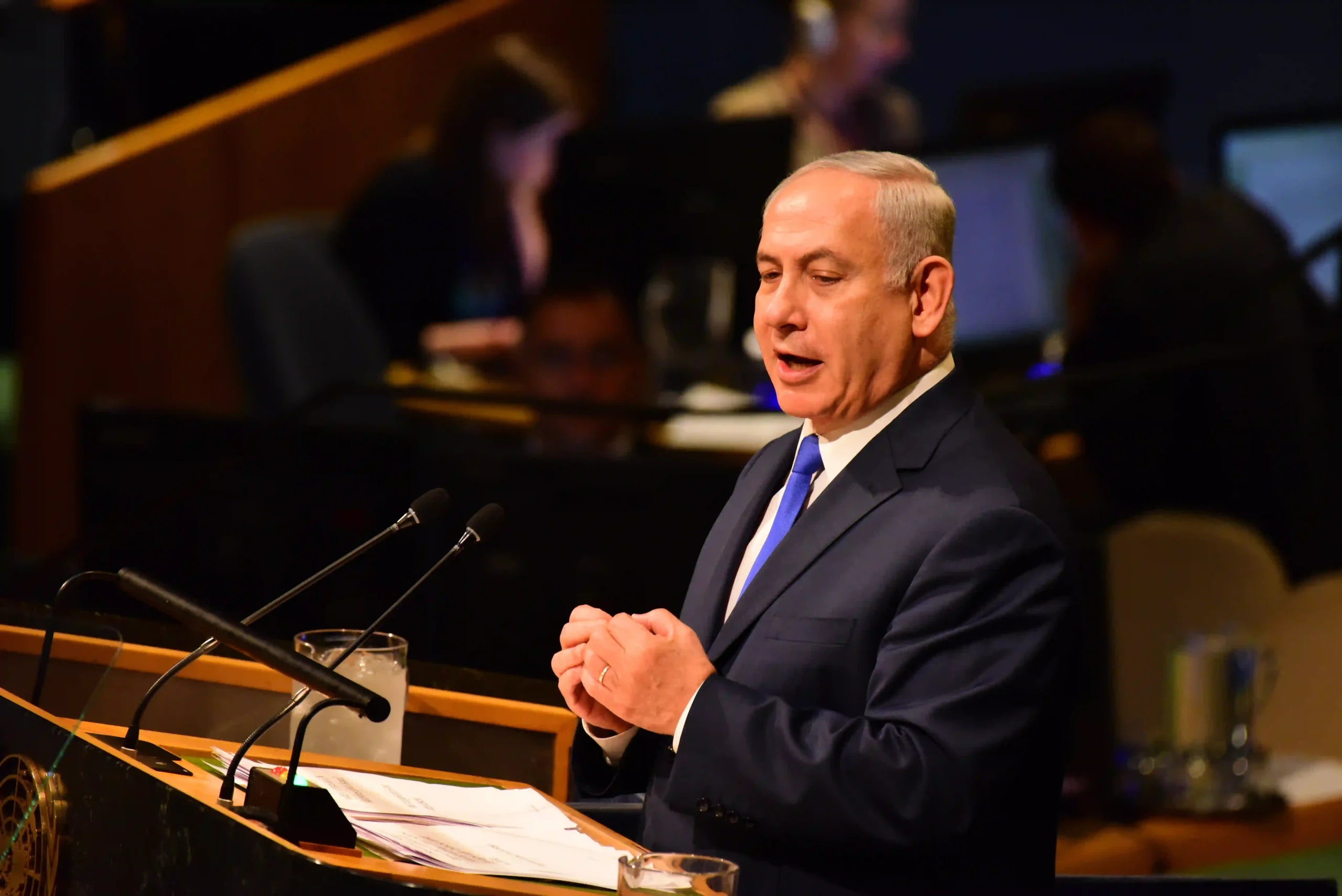
Since its emergence, Zionism has been an ideology of strategic and ambitious imagination. In his address to the UN General Assembly's 78th session, Israeli Prime Minister Benjamin Netanyahu takes every opportunity to confirm the effectiveness of this strategy and ensure the fruition of his vision for a “New Middle East.” Although the address was very much consistent with the Prime Minister’s record of flamboyant public speaking and Israel’s usual public image projection, it was equally revealing of a certain political desperation lurking in the shadows.
Programmes
26 Apr 2023
Netanyahu’s Israel: Escalating Security Threats & Political Fault Lines
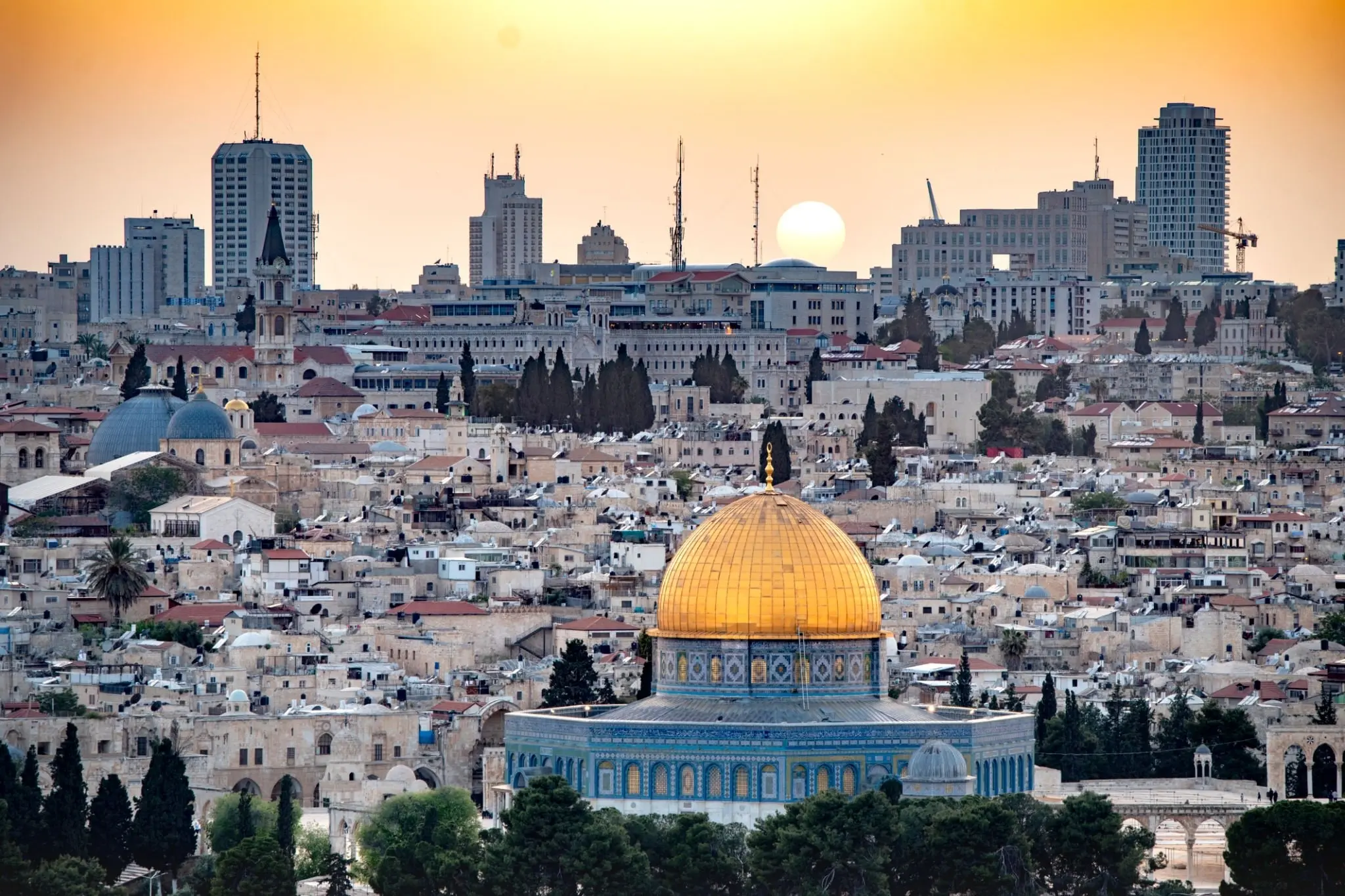
The Al-Aqsa Mosque in Jerusalem is a hotbed of tension between the Israeli forces and Palestinians. The “clashes” which are often depicted by international media reports as a struggle between two equal counterparts are part of a larger system used by the Israeli government to prevent and put into check any form of Palestinian resistance. However, when it comes to Al-Aqsa, media accounts tend to amplify certain narratives that justify police or military retaliation. Accounts from Israeli official sources vary greatly from the official Palestinian accounts and point to the large role that narratives about rights play in shaping the conflict on the ground. From the Israeli perspective, the presence of Palestinians in Al-Aqsa overnight is framed as a potential security threat while for Palestinians, the heavy presence of Israeli police and frequent raids, particularly during prayer times in the holy month of Ramadan, is a violation of their basic right to worship. Identifying the exact cause of violent escalation then becomes an issue of validating the accounts presented by each side which often pits official reports by the Israeli forces against individual Palestinian accounts and those of rights organisations present in the areas; arguably contributing further to international complacency. However, although the raids on Al-Aqsa Mosque are an annual occurrence, especially during Ramadan, the 2023 raids come under different circumstances than previous years.