
Publications
17 Mar 2026
Defense Density in Modern Air Warfare: What European NATO Can Learn from the Gulf
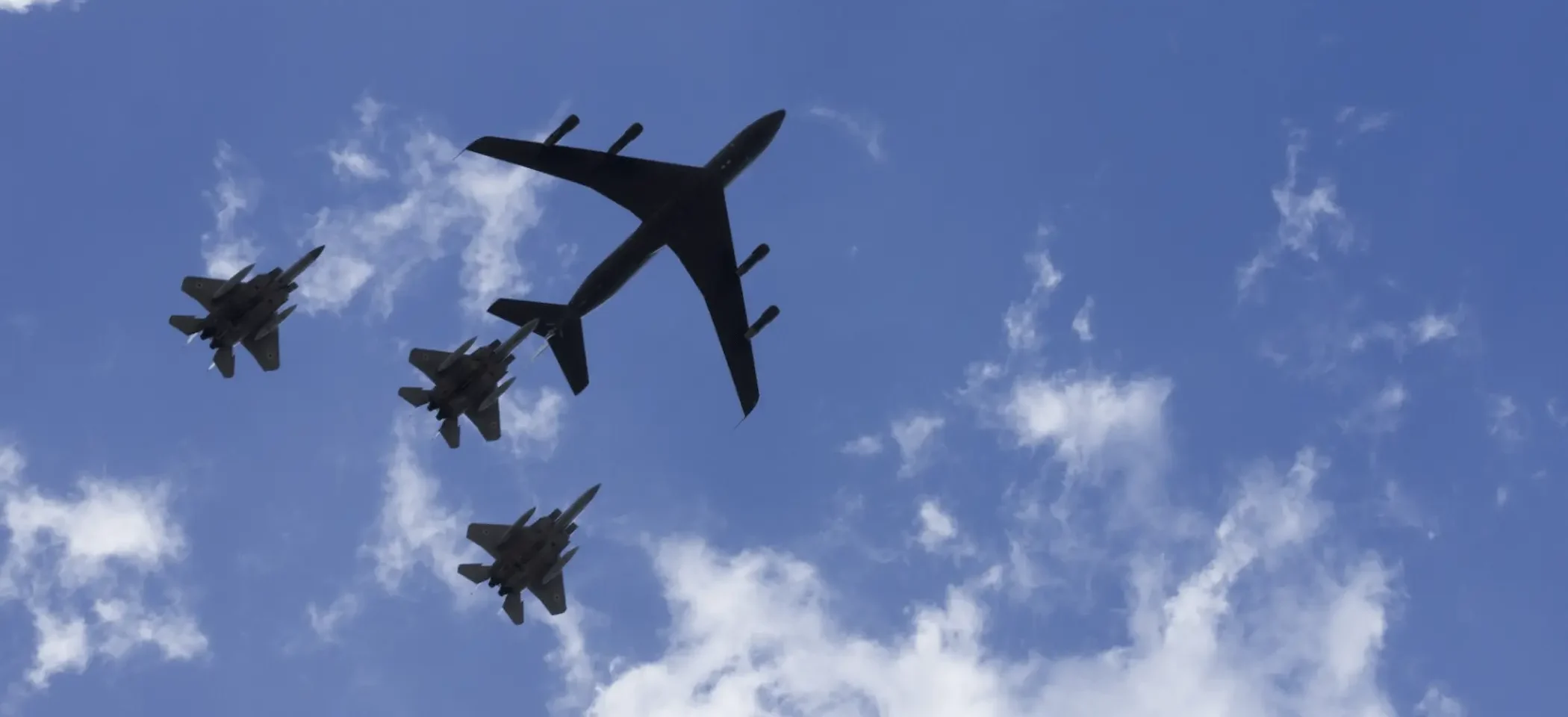
The U.S.-Israel-Iran war and Recent events that followed in Gulf countries have provided one of the clearest real-world demonstrations of modern air and missile defence under sustained pressure. Modern air warfare is increasingly defined by the ability of states to withstand large-scale saturation attacks involving drones, cruise missiles, and ballistic missiles. The proliferation of relatively inexpensive unmanned systems and precision-guided weapons has altered the balance between offensive and defensive capabilities, allowing even modest actors to launch high volumes of aerial threats. In this environment, the success of air and missile defence no longer depends solely on technological sophistication but also on defence density, the concentration of defensive systems relative to territory and population. Dense, layered air-defence networks provide multiple interception opportunities and reduce the likelihood that incoming salvos can overwhelm defensive systems. As recent conflicts have demonstrated, resilience against saturation attacks increasingly depends on whether states can deploy sufficient numbers of interceptors, overlapping defensive layers, and integrated detection networks.
Programmes
22 Jun 2025
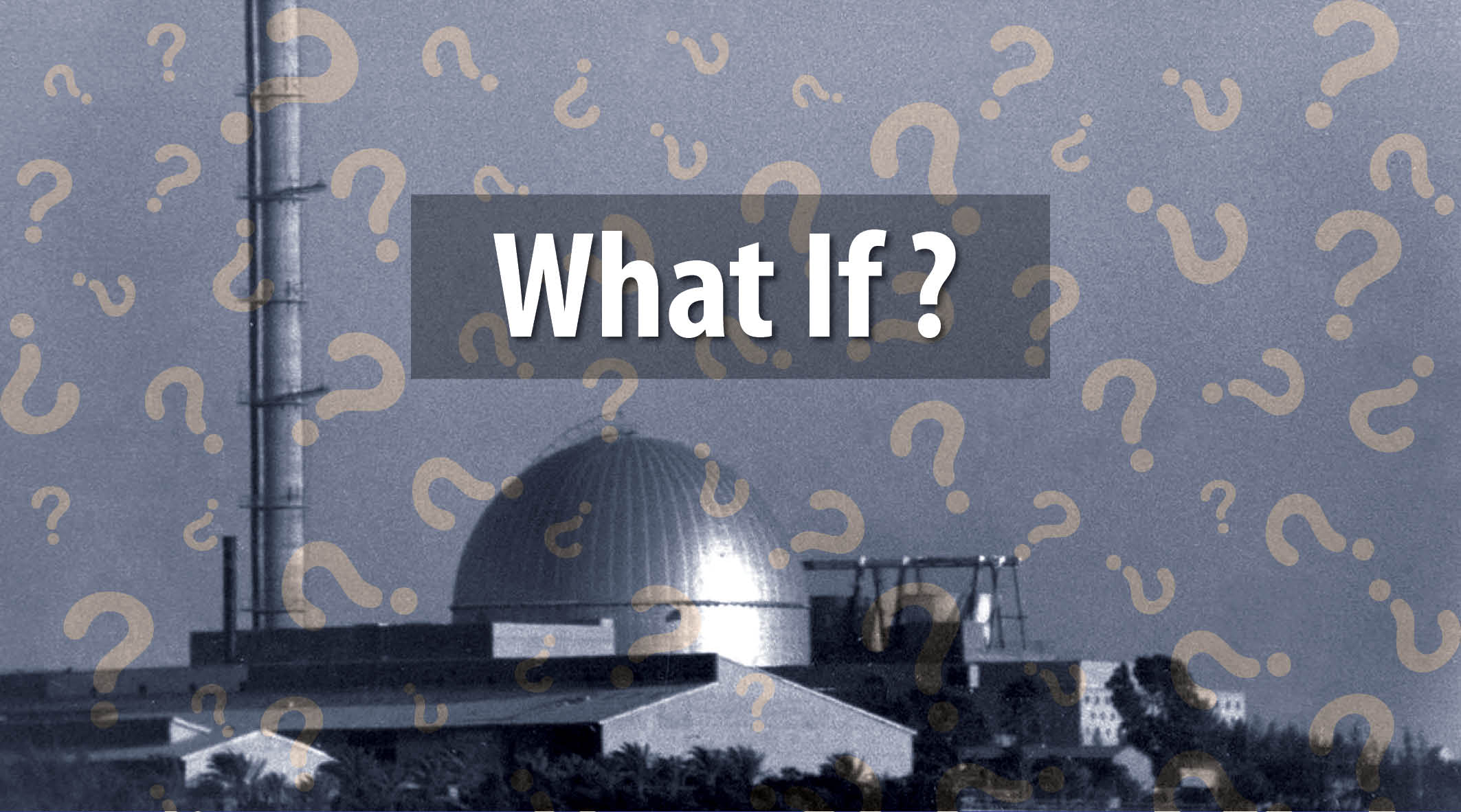
What If: Iran Attacked the Dimona Reactor?
Amid the intensifying confrontation between Iran and Israel throughout 2025, the prospect of a direct strike against Israel’s Dimona nuclear facility has moved from a remote possibility to a plausible escalation scenario. As military operations increasingly target strategic infrastructure on both sides, the regional system faces the risk of a threshold breach—one that could trigger not only military and political consequences but also a multidimensional crisis involving radioactive contamination, mass displacement, and economic collapse across multiple states.
While Israel would undoubtedly bear the immediate brunt—facing mass civilian evacuations, irreversible environmental degradation in the Negev, and the paralysis of its agricultural and tourism sectors—the ripple effects would extend far beyond its borders.
Jordan’s border regions and agricultural zones in the Jordan Valley could face contamination and humanitarian strain, potentially requiring the evacuation of tens of thousands of people. Egypt’s Sinai Peninsula and northern Suez region could suffer fallout exposure, disrupting global shipping through the canal and threatening the Red Sea tourism corridor. Saudi Arabia’s northern provinces, including areas tied to its Vision 2030 megaprojects, could face both environmental and demographic disruption.