
Programmes
23 Apr 2026
Challenging Dollar Supremacy: Is the UAE Rethinking the Dollar Order?
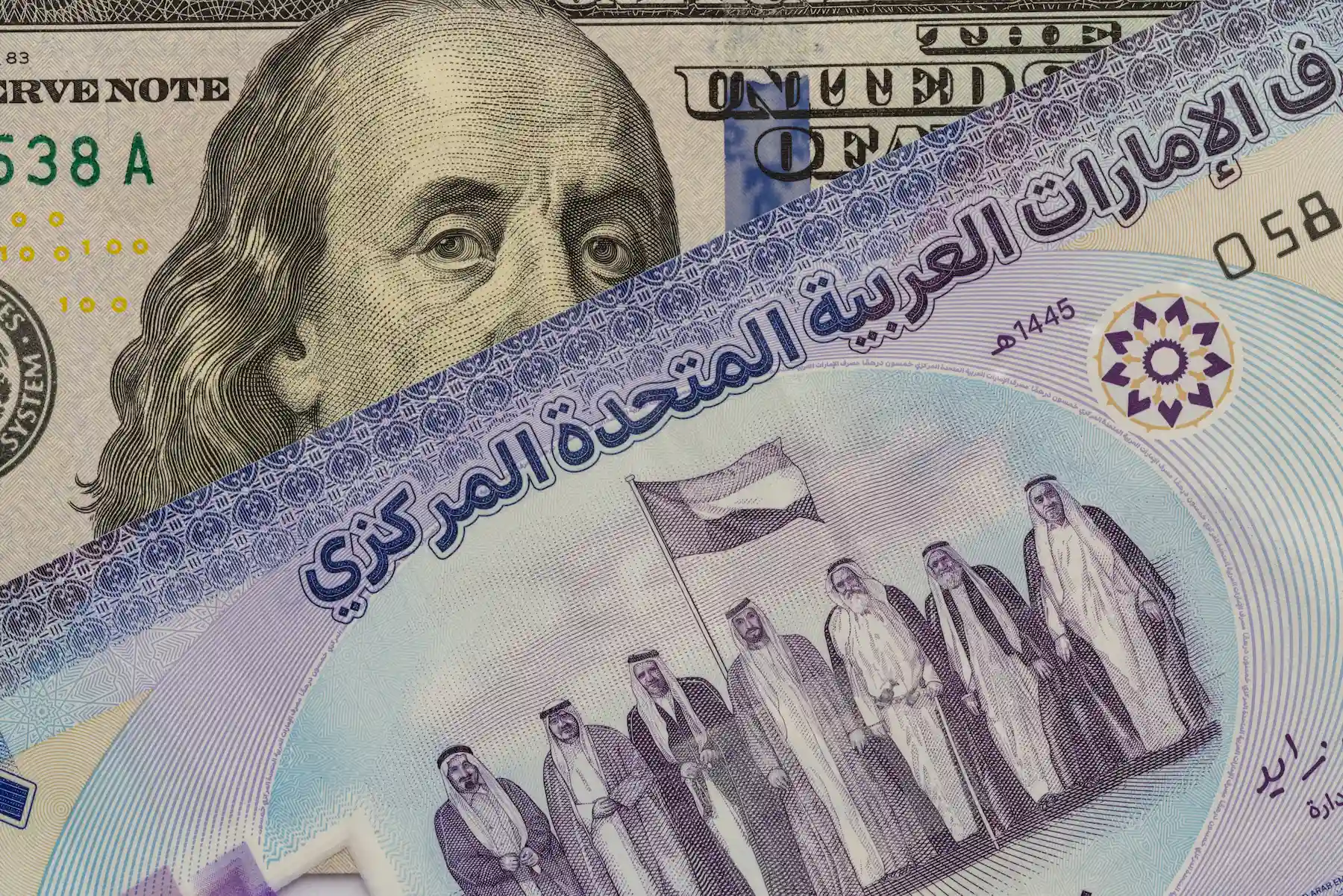
For more than five decades, the petrodollar system has served as one of the central structural pillars of American financial supremacy. Since its establishment in the 1970s, the system has anchored the United States’ monetary power by ensuring that Gulf oil exports remain overwhelmingly denominated in United States dollars. Under this arrangement, Gulf producing nations receive American security guarantees in exchange for recycling their oil revenues into US Treasury securities and dollar-denominated financial markets—a self-reinforcing cycle that has entrenched the dollar’s status as the world’s foremost reserve currency and systematically reduced American sovereign borrowing costs for decades.
The United Arab Emirates has, historically, been among the most faithful participants in this arrangement. Its national currency, the dirham, remains pegged to the USD, and its extensive sovereign wealth funds are invested predominantly in dollar-denominated assets. Nevertheless, a convergence of recent developments—an armed conflict in Iran, severe disruptions to Gulf oil exports, and an acute domestic dollar liquidity constraint—has placed the UAE at an unprecedented geopolitical and financial crossroads.