
Programmes
10 Mar 2026
Where Does China Stand in the US-Israel-Iran War?
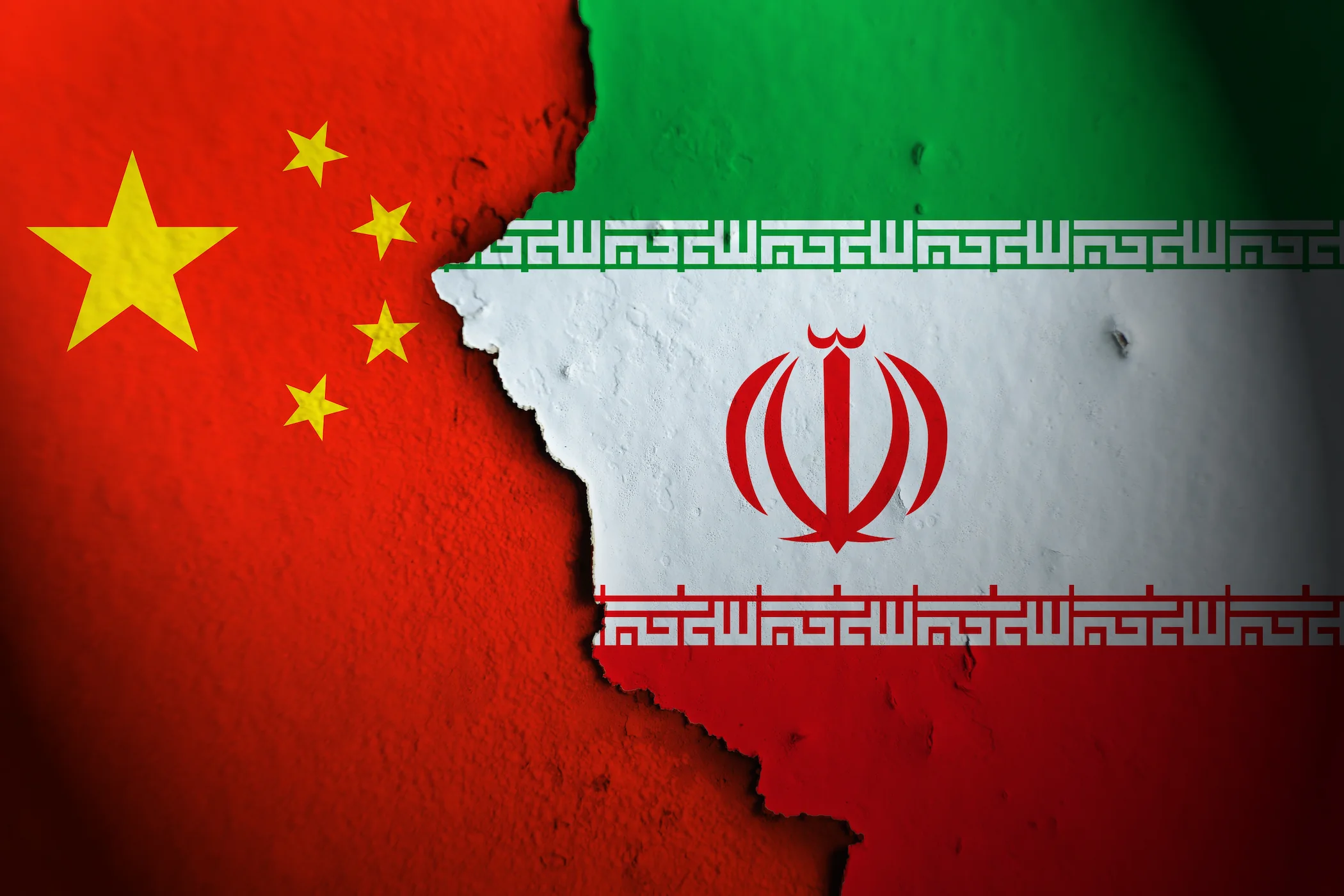
The U.S.-Israel and Iran War has affected the interests of many countries. In the last few days, China emerged as a significant player in these events. Beijing called for an immediate halt to the attacks by both sides and the protection of vessels passing through the Strait of Hormuz, culminating with the Chinese Foreign Minister Wang Yi pledging to send a special envoy to the Middle East for mediation.
Beijing has interconnected interests in the Middle East that are significantly affected by the war and will most likely reshape its strategic opportunities in the region, particularly in terms of energy security, trade routes, and diplomatic relations with key regional players. Beijing’s pragmatic foreign policy approach toward the region relies on protecting its economic interests and maintaining a strategic balance. So, the war could provide an opportunity for China to navigate new opportunities in the region and, consequently, expand its influence, particularly by strengthening ties with other oil-producing nations and increasing its investments in reconstruction efforts.
Likewise, China’s strategic partnership with Iran mainly revolves around oil supply and large-scale investments. The consequences of the war raise questions about the future of this relationship and the possibility that China may reshape its foreign policy toward Tehran if it faces a potential decline in Iran’s ability to sustain such interests as a result of the strain on its power after the war.

Publications
10 Sep 2024
The Silent Rise: How China is Changing the Middle East
China has mediated a Palestinian reconciliation dialogue in Beijing, and has succeeded in bridging the rift between Saudi Arabia and Iran. These steps indicate a change in China's approach to the Middle East, as it has become an active player in the region by expanding its policies to include political and strategic considerations, in addition to its energy interests. Its "non-interventionist" policy has attracted many countries in the region, which see their growing relations with Beijing as a means of diversification. However, China's increasing involvement may pose a threat to US interests in the region. As Washington has increasingly focused on the Indo-Pacific region, China has emerged as an active player in the Middle East, reshaping regional security dynamics, signing strategic partnerships and memoranda of understanding for its economic activities with most Middle Eastern countries, and strengthening its ties with various regional organizations over the past two decades. Recent Chinese diplomatic initiatives demonstrate Beijing’s deep investment in further developing relations with Middle Eastern countries, with Beijing hosting the Arab-Chinese Summit and the Gulf-China Summit, demonstrating its commitment to strengthening strategic partnerships among the region’s countries and promoting economic development beyond its traditional energy interests. China’s growing engagement in the Middle East is seen as a significant factor shaping the region’s geopolitical landscape and has significant implications for global politics. This raises the question: how China’s methods diverge from those of the United States (U.S.) in the region?