
Programmes
25 Sep 2026
The UN and the AI Power Struggle: Who Will Govern the Technology Shaping Global Security?
On 23 September 2026, the United Nations Security Council confronted an unusual development in international security. The people warning governments about the dangers of AI were not only diplomats or military officials, but the executives building the technology itself. OpenAI CEO Sam Altman, Anthropic CEO Dario Amodei, and Hugging Face co-founder Clément Delangue briefed the 15-member Council as governments grapple with increasingly capable AI systems that can write code, operate autonomously, interact with external systems, and potentially improve their own capabilities. Amodei warned that, if poorly managed, “AI could be a risk to humanity as a whole”, while Altman argued that decisions about AI could not be left to technology companies alone.
The meeting was significant because AI is rapidly moving from a technology-policy issue into the domain of international security. Yet the deeper question is not simply how dangerous AI may become. It is who will establish the rules governing a technology increasingly concentrated in the hands of a small number of states and companies. The UN is attempting to become the forum where those rules are debated, but it is entering a contest in which technological capabilities, economic power, national security interests, and competing visions of governance are already shaping the outcome.

Programmes
1 Dec 2025
What If: Global AI Systems Collapsed Overnight?
Artificial intelligence systems and data centres have increasingly become an integral part of modern day society. A KPMG survey focused on AI use found that 66% of respondents use AI for work and personal reasons, of which 38% of respondents claim to use AI on a daily or weekly basis and 28% use it semi-regularly. According to these results, a majority of the respondents rely on AI to carry out day to day functions whether it be for work, study, or personal reasons. Moreover, the reliance on AI has been extended to governments, global financial systems, and states, as these entities rely on AI systems to improve efficiency and speed of services provided. This shows how AI has become integrated into the fabric of global society.
Now imagine one day all AI systems and programs cease to function. While the chances of such an event happening are low, it is not impossible and the consequences of being overly reliant on AI systems can be devastating. The consequences of a global AI shutdown will impact the global economy as well as global geopolitics, which could lead to trillions disappearing from the stock market and national security disasters across the globe.
Programmes
19 Jun 2025
What If: Iran Closed the Strait of Hormuz?
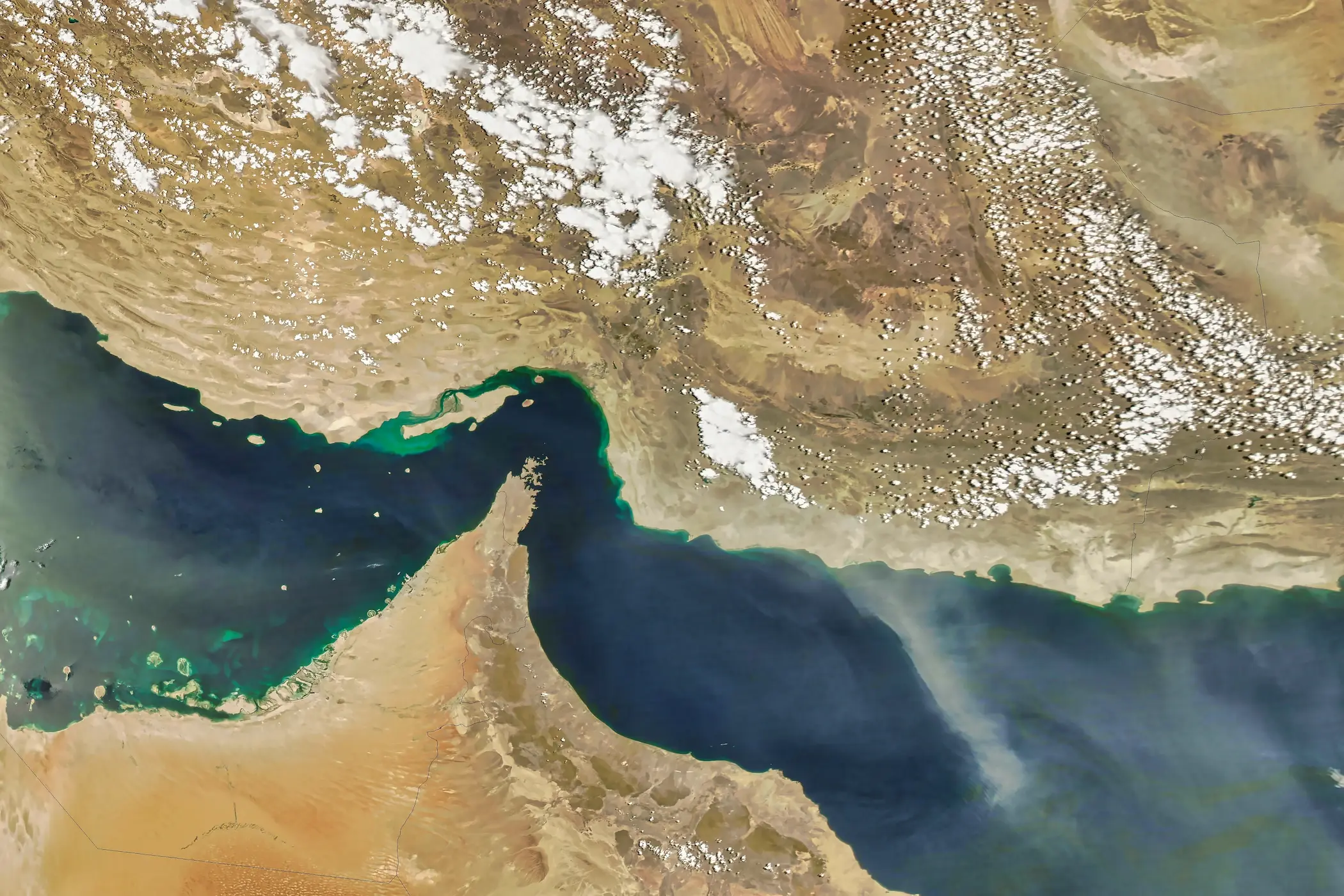
The Strait of Hormuz – a narrow, indispensable artery through which nearly a fifth of the world’s oil and a third of its liquefied natural gas (LNG) flows– stands on a cliff. As geopolitical tensions intensify across the Middle East, fuelled by escalating Iran-Israel tensions and the shadow of direct United States (U.S.) involvement, the once-unthinkable threat of its closure looms larger than ever with Iran’s threat to close or block the Strait. In spite of the catastrophic global implications of such an act, the volatile depths of this potential crisis will be explored, unravelling the motives that could push Iran to choke this global lifeline, exposing the monumental security and geopolitical fallout, and revealing the catastrophic economic shockwave that would consume nations far beyond the region.
Programmes
22 May 2025
What If: China Invades Taiwan?
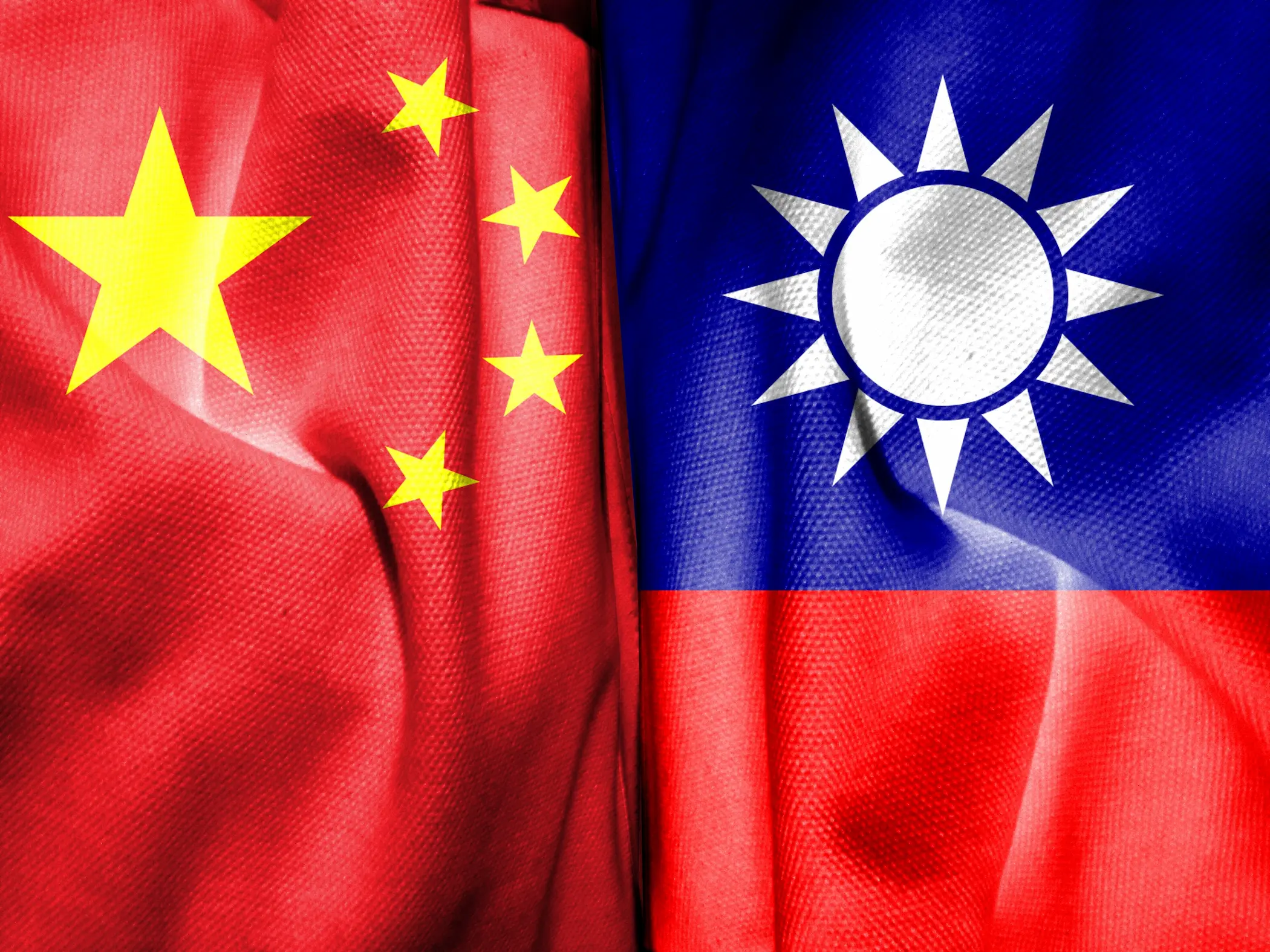
China and Taiwan have had a complex relationship. Taiwan was once a part of China, following the Chinese Civil War in 1949, the government of the Republic of China retreated to Taiwan, while the People's Republic of China established itself on the mainland. For decades, Taiwan was recognized by many countries as the legitimate government of China, even holding China's seat at the United Nations until 1971, when it was replaced by the People's Republic of China. While China pledges to reunify Taiwan, even by force, the latter depends on the United States to deter any potential Chinese invasion.
Given the current geopolitical changes in the world, there is a possibility that China could invade Taiwan, exploiting the West’s emphasis on the Russia-Ukraine War.