
Programmes
3 Jul 2026
Are Europe’s Capability Gaps Choosing Its Defence Partners?
Germany "needs new partnerships more than ever," declared Chancellor Friedrich Merz as he opened a tour of Saudi Arabia, Qatar, and the UAE, announcing along the way that Berlin would loosen its long-standing restrictions on arms exports to the Gulf. Such words from a German chancellor would have been unthinkable only a few years ago. Yet the scene fits a wider pattern now visible across the continent: Korean tanks arriving at Polish ports, Turkish drones ordered for Baltic skies, Brazilian transport aircraft entering European fleets, and Gulf sovereign wealth courted from London to Berlin. Europe, long accustomed to a single security patron, is visibly assembling a new roster of defence partners, and officials on all sides describe it as a strategy of diversification. The pattern reaches its most symbolic setting this week, as NATO leaders convene in Ankara, the capital of the very partner Europe has never quite decided how to treat. But strategies imply choice, and choice implies a chooser. The pressing question is: is Europe actually selecting its new partners, or is something else doing the choosing?
Programmes
22 May 2026
The New Economics of Security: Priced for Permanence in a Fragmented World
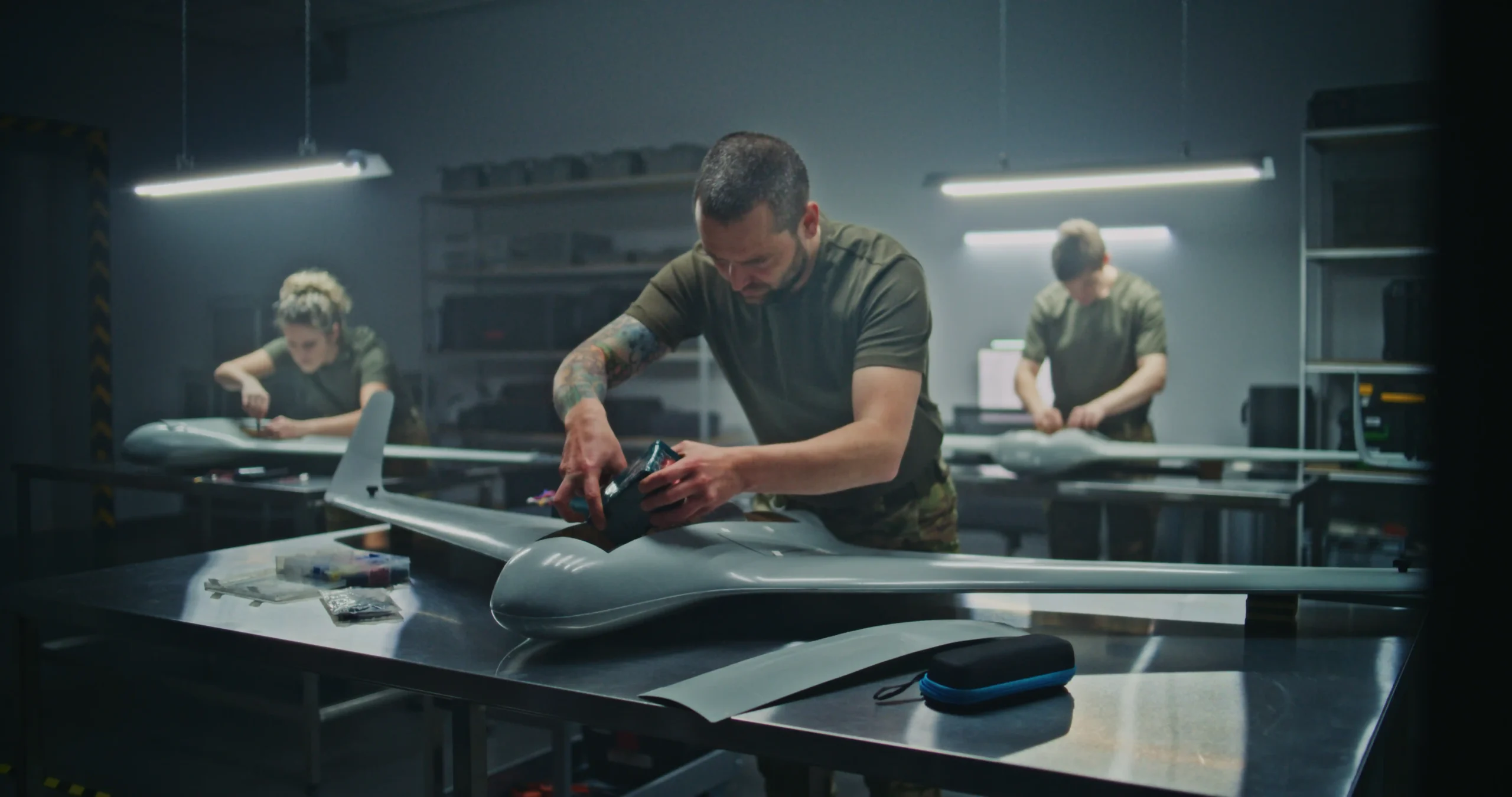
Beyond short-term wartime dynamics, the global defence sector is undergoing a significant and far-reaching transformation. The recent increase in military spending, initially framed as a cyclical response to regional conflicts, is increasingly recognized as part of a broader structural repricing of security across global markets. This has also prompted a reassessment of defence firms’ role, shifting their perception from cyclical industrial contractors primarily tied to procurement cycles toward strategic assets embedded within the dynamics of geopolitical fragmentation and sovereign competition.
Consequently, this shift has contributed to the erosion of the post-Cold War peace dividend model, which underpinned global economic integration for more than three decades. In the aftermath of the Soviet Union’s collapse, advanced economies largely embraced the assumption that economic interdependence would mitigate conflict risk, thereby justifying sustained declines in defence expenditure. This assumption underpinned an efficiency-oriented model of globalization, optimized around lean inventories, cost minimization, and geographically dispersed supply chains, while assigning comparatively limited importance to redundancy and strategic industrial depth.
However, by 2026, this model had demonstrated its material vulnerabilities. Security considerations were no longer treated as external to economic policy, but rather embedded within it, as states sought to integrate defence production, industrial capacity, and supply-chain control into a broader framework of national resilience.
Programmes
11 May 2026
Europe: NATO, U.S. Retrenchment, and the Cost of Strategic Autonomy
Discussion surrounding a potential United States (U.S.) withdrawal from NATO has remained one of the defining debates since the beginning of Donald Trump’s second presidency. In recent months, particularly following the war involving the U.S. and Israel against Iran, tensions within the alliance have intensified, with President Trump openly criticising several European NATO allies and questioning their value to the alliance. As a result, the central question is no longer limited to whether Washington could formally leave NATO. Increasingly, attention should shift toward a more pressing issue: could Europe manage its security independently without substantial American support? What would be the strategic, military, and economic cost of such a shift, and would European states be capable of rebuilding or reorganising their defence capabilities quickly enough to confront emerging threats?
Importantly, despite the significant legal, political, and institutional constraints facing any U.S. president seeking to withdraw from NATO entirely, Washington could still adopt alternative approaches that stop short of formal withdrawal while substantially reducing its role within the alliance. Such measures could include lowering financial contributions, scaling back troop deployments across Europe, or withdrawing critical weapons systems and strategic capabilities currently provided by the U.S. In such a scenario, how vulnerable would Europe become, and how prepared would it be to fill the resulting gaps?
Programmes
27 Apr 2026
Engines of War: Why the Automotive Sector Is the Fastest to Pivot to Military Production
Modern patterns of armed conflict are shifting from time-limited operations reliant on advanced, low-volume technologies to protracted confrontations driven by industrial attrition and the large-scale deployment of autonomous systems. This transition exposes critical deficiencies in the traditional defence industrial base's production capacity. As munitions stockpiles decline amid ongoing conflicts in Eastern Europe and the Middle East, military assessments increasingly identify manufacturing capability, supply chain resilience, and the speed of industrial mobilisation as decisive factors in strategic competition, alongside technological innovation.
In response to these dynamics, national security institutions are moving to reactivate historically grounded models that integrate the commercial manufacturing sector into military production. This approach was notably deployed during the Second World War, when Ford Motor Company redirected its civilian production lines to manufacture bombers, Chrysler Corporation established dedicated facilities for tank production, and General Motors allocated its industrial capacity to the production of aircraft engines and munitions.
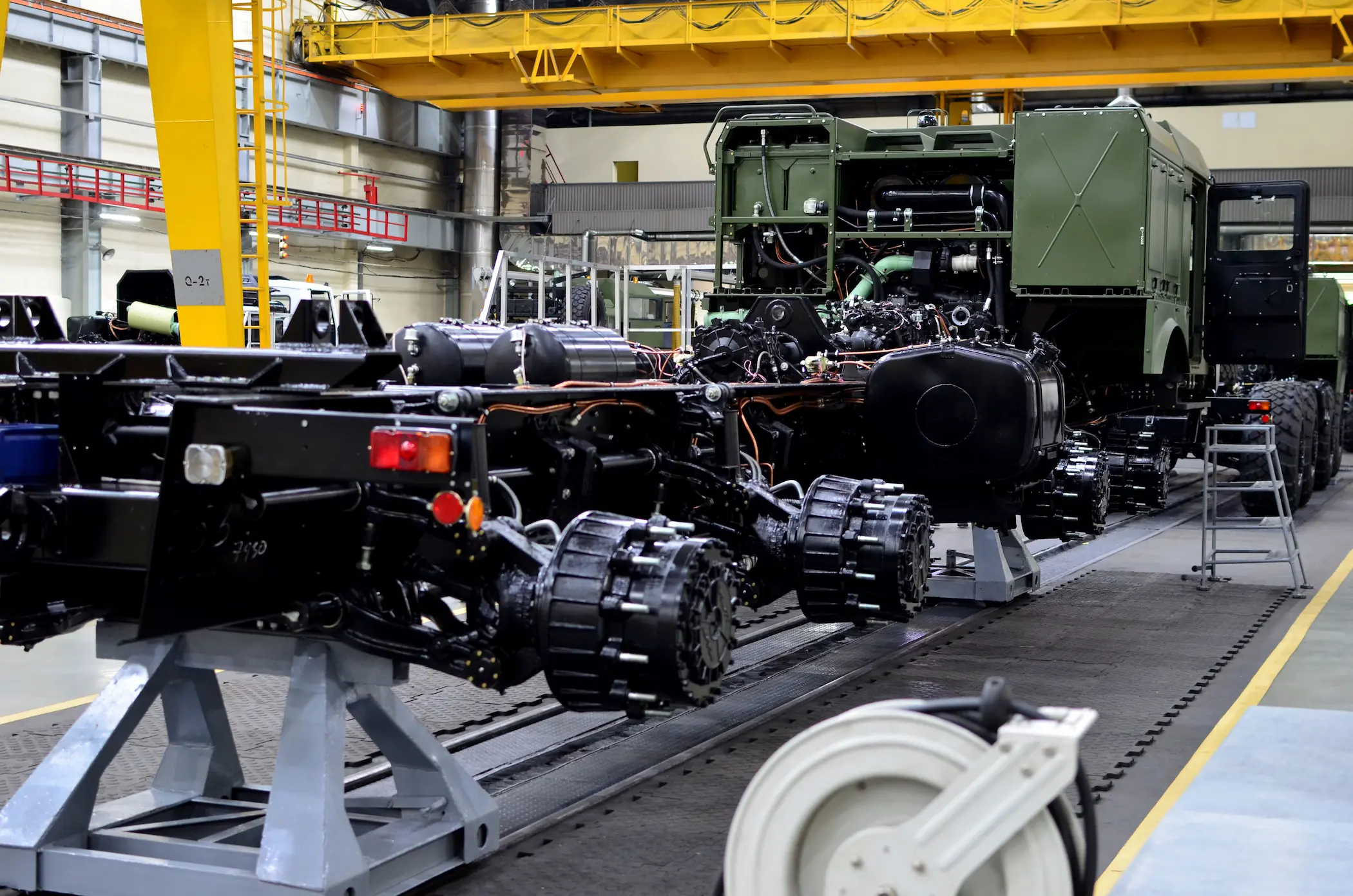
The current operational environment demands a sustained supply of conventional mechanical platforms and expendable systems, including unmanned aerial vehicles and sensor-equipped tactical vehicles. As battlefield requirements increasingly outpace the production capacity of defence manufacturers, the automotive sector emerges as a uniquely positioned industrial base, combining large-scale output with advanced mechanical engineering capabilities. This reality necessitates a focused assessment of the structural and technical attributes that make it the most viable sector for rapid conversion to support military production.
Programmes
13 Apr 2026
Defence Economies at War: National Budget Stress
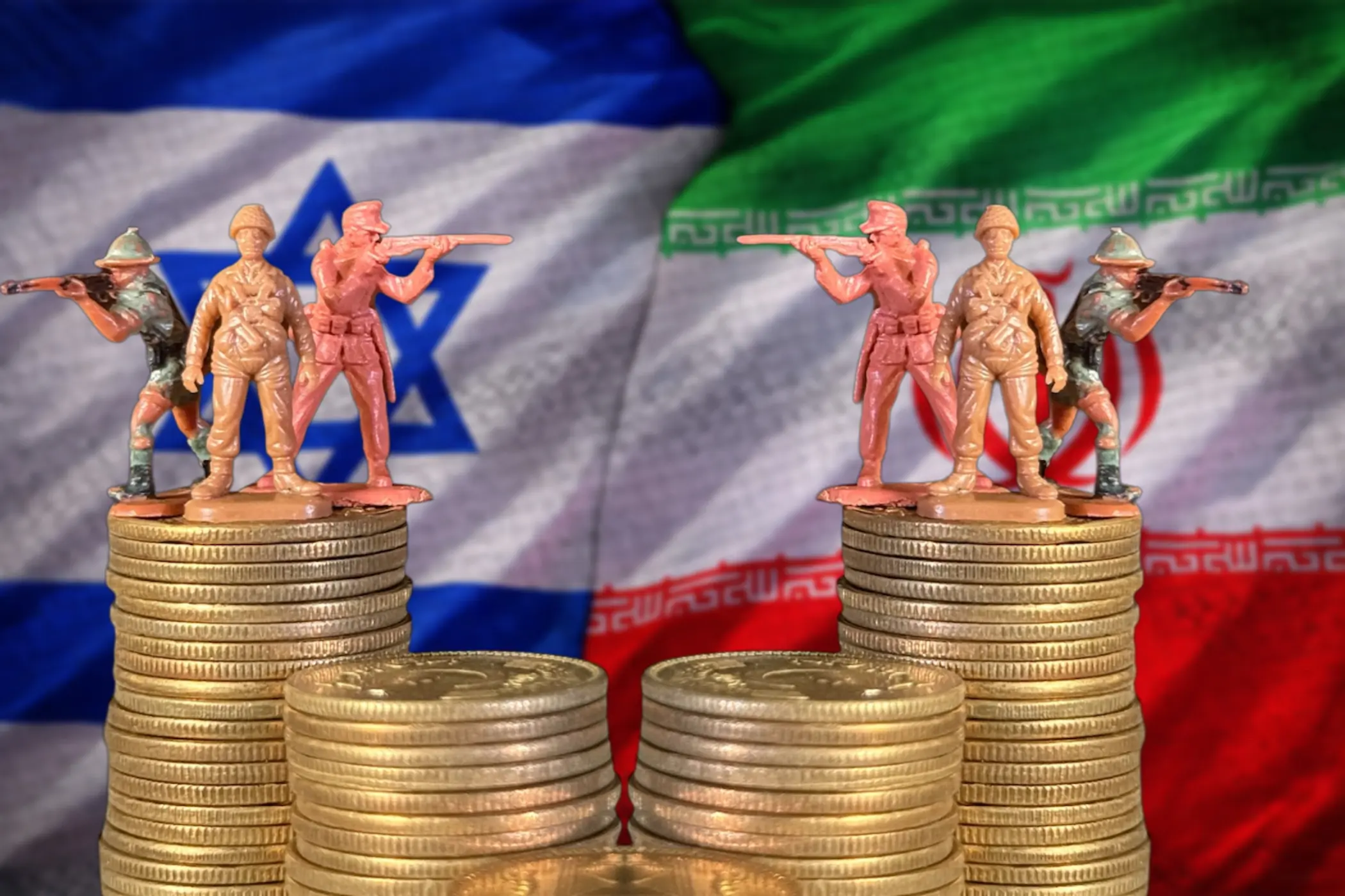
A defence economy comprises the fiscal, industrial, and budgetary systems through which a state finances, maintains, and adjusts its military capacity. During peacetime, these systems tend to remain stable; in wartime, they become the main mechanism through which conflict transforms a nation’s economic structure. The escalation of Israeli military operations since October 2023 and the broader confrontation with Iran and its regional proxies have caused a defence-economy shift, leading to significant realignments in how the conflicting sides allocate public resources, incur debt, and prioritise expenditure.
This analysis examines how sustained military escalation has reshaped the defence economies of its three key actors: Israel, Iran and the United States. It assesses both short-term fiscal responses and longer-term budget trajectories, arguing that the conflict has not produced a temporary spending spike but a structural transformation, one that has widened deficits, crowded out civilian services, mobilised domestic defence industries, accelerated sovereign credit deterioration, and embedded elevated military spending into national budgets in ways that will persist well beyond any ceasefire. Across the Middle East, the boundaries between battlefield expenditure and national economic health have become increasingly difficult to separate.
Programmes
10 Jul 2025
The Militarisation of European Politics
In the wake of the recent NATO summit, European leaders have committed to a landmark pledge: raising defence spending to 5% of GDP. Hailed by its backers as a historic move, the agreement reflects a sharp shift in European threat perception, driven not only by Russia’s ongoing war in Ukraine but also by the renewed pressure from Washington under the return of the Trump presidency. The "Trump effect" has reignited long-standing fears over the reliability of U.S. security guarantees, pushing Europe to take on greater defence responsibilities.
But while the pledge signals a tougher European posture, it raises pressing concerns. Can Europe realistically meet such ambitious targets without undermining the very democratic model it seeks to defend? As defence budgets grow, many fear this could come at the cost of welfare, social cohesion, and democratic checks, exposing the continent to a deeper risk: the creeping militarisation of European politics and the erosion of its democratic dividend.