
Programmes
3 Jul 2026
Red Alert: Will Russia Stage an Armed Provocation Against Poland?
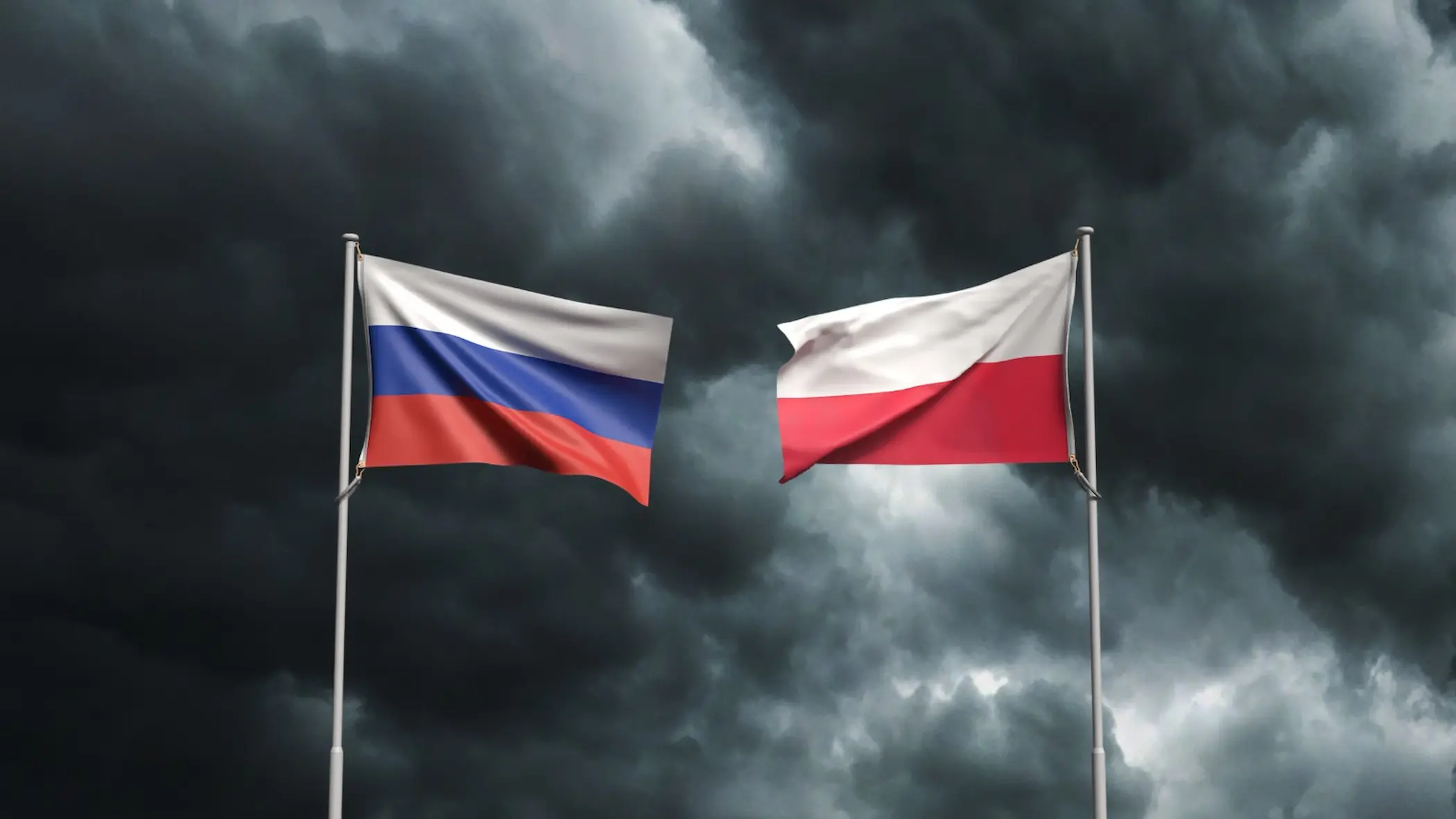
On July 3, reports emerged that the United States has warned Warsaw of a possible Russian armed "provocation" against Poland, designed to test NATO's resolve. According to sources close to Polish President Karol Nawrocki, cited by the Polish outlet Onet, Washington has repeatedly signaled that such an operation could be launched within a matter of months. The scenarios under discussion range from missile or drone strikes on Poland's critical infrastructure to a limited crossing of Russian soldiers into NATO territory. This raises a critical question: is Moscow preparing to directly test Article 5 of the North Atlantic Treaty?
A provocation of this kind would differ fundamentally from a conventional invasion. It would be deliberately calibrated to remain below the threshold of open war — ambiguous enough to sow hesitation among allies, yet aggressive enough to force a response. Though limited in scale, its consequences for European security and the global order could be profound.
Programmes
11 May 2026
Europe: NATO, U.S. Retrenchment, and the Cost of Strategic Autonomy
Discussion surrounding a potential United States (U.S.) withdrawal from NATO has remained one of the defining debates since the beginning of Donald Trump’s second presidency. In recent months, particularly following the war involving the U.S. and Israel against Iran, tensions within the alliance have intensified, with President Trump openly criticising several European NATO allies and questioning their value to the alliance. As a result, the central question is no longer limited to whether Washington could formally leave NATO. Increasingly, attention should shift toward a more pressing issue: could Europe manage its security independently without substantial American support? What would be the strategic, military, and economic cost of such a shift, and would European states be capable of rebuilding or reorganising their defence capabilities quickly enough to confront emerging threats?
Importantly, despite the significant legal, political, and institutional constraints facing any U.S. president seeking to withdraw from NATO entirely, Washington could still adopt alternative approaches that stop short of formal withdrawal while substantially reducing its role within the alliance. Such measures could include lowering financial contributions, scaling back troop deployments across Europe, or withdrawing critical weapons systems and strategic capabilities currently provided by the U.S. In such a scenario, how vulnerable would Europe become, and how prepared would it be to fill the resulting gaps?
Programmes
14 Apr 2026
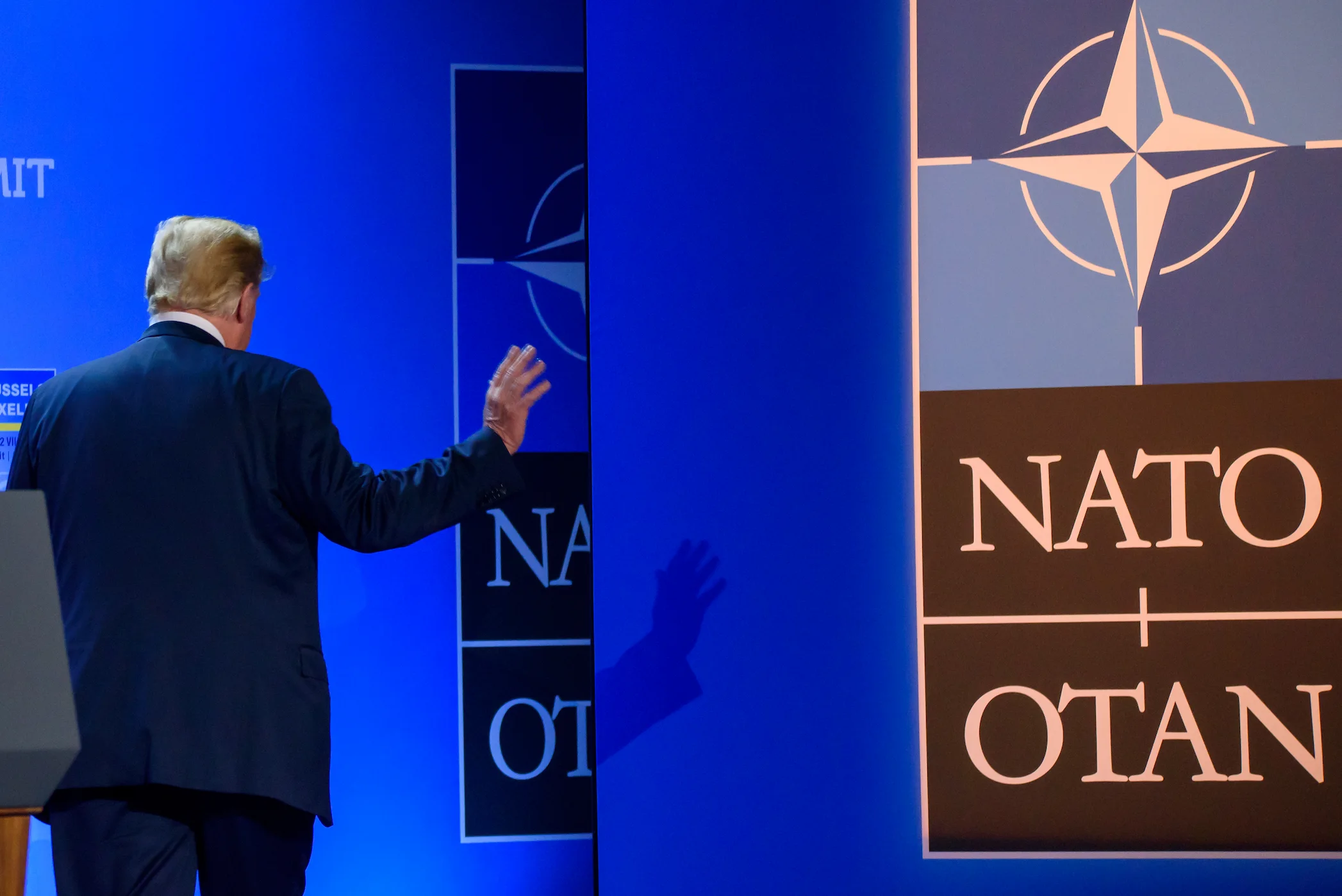
Can the United States Withdraw from NATO?
The geopolitical landscape has entered a critical and highly volatile inflection point, defined by deepening transatlantic divisions and an unprecedented destabilisation of the global security architecture. The outbreak of intense military confrontation in the Middle East has accelerated this fragmentation, as the United States initiated pre-emptive operations against Iran, prompting Tehran to retaliate by closing the Strait of Hormuz. Given the Strait’s pivotal role as a strategic artery for global energy supplies, the administration of President Donald Trump called on European members of the North Atlantic Treaty Organization (NATO) to deploy naval units and provide military support to secure the passage. European capitals, however, rejected the request in a unified stance.
This refusal triggered a marked escalation in diplomatic tensions with the US administration. The European position rested on the absence of prior consultation and on a strategic assessment that classified the conflict as a discretionary war, falling outside the Alliance’s geographic remit and exceeding its defined defensive mandate. In response, the United States administration intensified its rhetoric, openly threatening withdrawal from NATO, describing the Alliance as a "paper tiger", and casting doubt on its military and political effectiveness.
This confrontation has transformed the prospect of a retrenchment in US security commitments from a theoretical possibility into a scenario under active strategic evaluation. Consequently, transatlantic relations have shifted from a framework of fixed commitments to one increasingly governed by transactional, interest-driven engagement. Assessing the likelihood of a US withdrawal, therefore, necessitates a comprehensive review of the governing international frameworks, the domestic constitutional constraints limiting executive authority, the military ramifications of withdrawal, and the potential future trajectories of Europe’s defence architecture.