
Programmes
3 Mar 2026
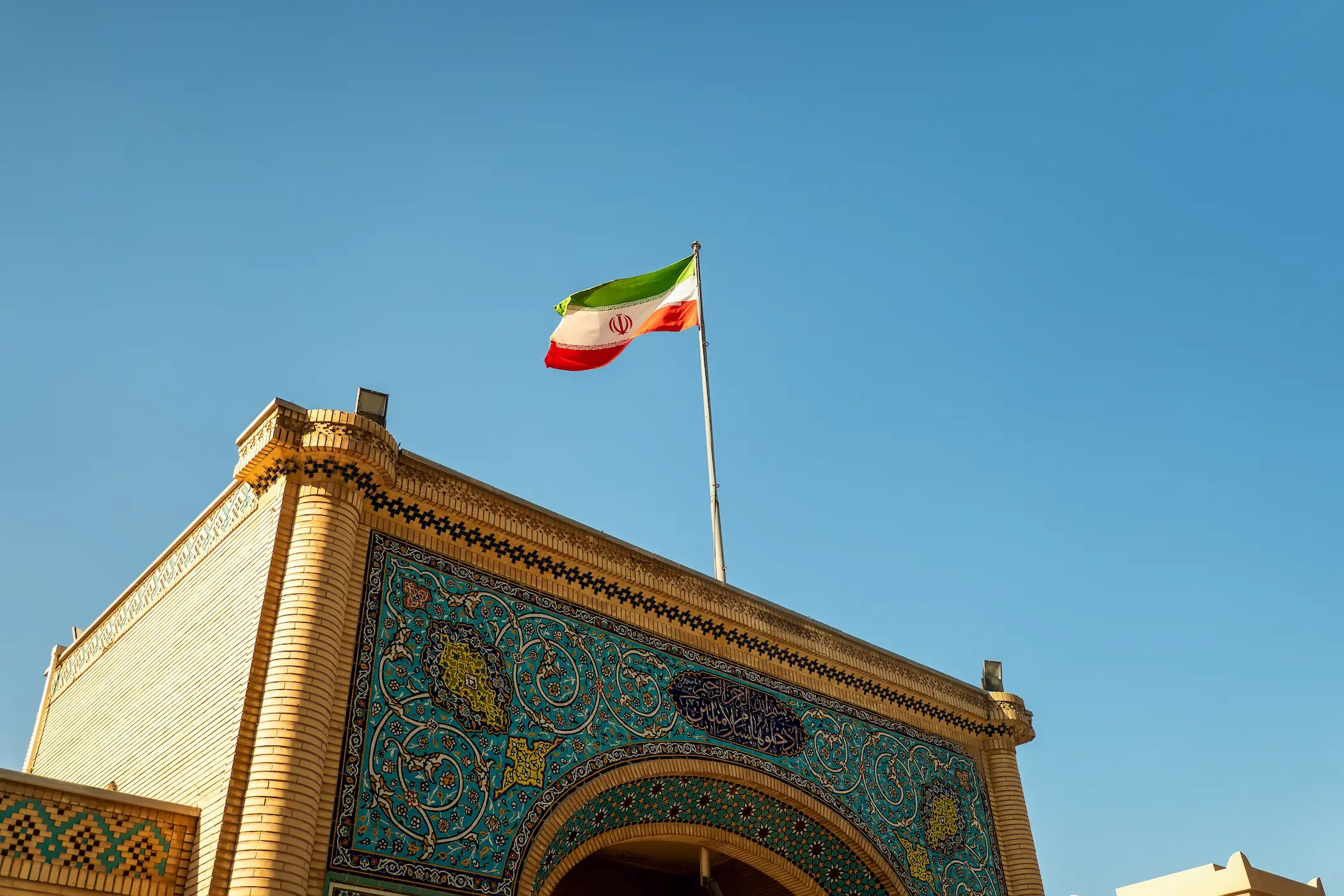
The Difficult Path to Regime Change in Iran
In remarks on 2 March 2026, U.S. President Donald Trump did not rule out the possibility of sending American ground troops into Iran if it became necessary. However, he didn’t acknowledge that such a move would carry serious risks given Iran’s size and military capability. Any U.S. ground invasion would likely involve significant casualties and could fail to achieve its goals. Trump has generally shown reluctance to engage in large-scale ground wars. While he has authorized military actions, including airstrikes, against Iran and other states in recent months, his preference historically has been for limited use of force, such as air power and specialized units, rather than deploying tens of thousands of troops.
Part of this approach stems from his broader view that prolonged, chaotic conflicts are unpredictable and often produce uncertain outcomes. Major ground combat operations can create widespread instability and make strategic consequences hard to forecast. Throughout both his first term and the early part of his second term, Trump has shown no strong inclination to commit large numbers of U.S. ground forces abroad.
Trump and Bibi (also known as Israeli Prime Minister Benjamin Netanyahu) recognize that forcing a full regime change in Tehran would be one of the toughest strategic tasks imaginable. Iran’s political and military structure is robust and not solely driven by personalist rule; it is anchored in a religiously grounded system that has endured since 1979. With the challenges of a successful ground invasion in mind, their current strategy relies on a combination of military pressure and other techniques intended to weaken the regime over time, though there is no guarantee this will bring about its collapse.
Programmes
5 Jan 2026
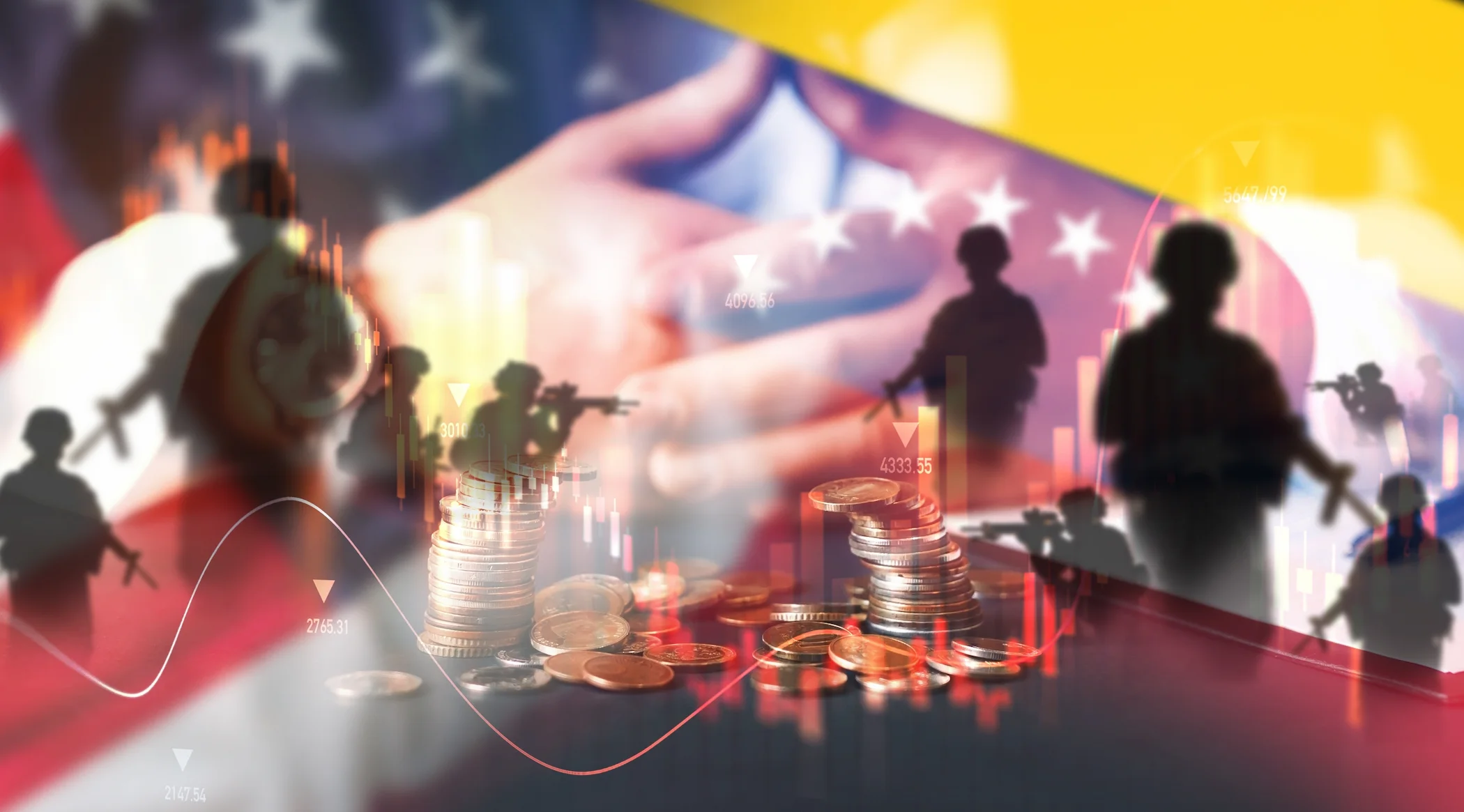
The Capture of Nicolas Maduro: The Consequences of US Regime Change in South America
Tensions between the United States and Venezuela have exploded into a forceful attack that has resulted in the capture and detention of Venezuelan President Nicolas Maduro. The U.S. President Donald Trump has accused President Maduro of instigating a mass migration of Venezuelan citizens, being involved in the fentanyl drug trade, and stealing oil wealth to fund drug operations. Consequently, President Trump authorized attacks on Venezuelan vessels, which he claimed to be transporting drugs to the U.S. while also increasing the number of troops stationed in the Caribbean Sea. Now that President Maduro has been captured after months of U.S. escalation, there is an uncertainty regarding the future of Venezuela, the region, and the world.
The attack as part of Operation Absolute Resolve can be seen as an attempt by President Trump to force regime change in Venezuela. The capture of President Maduro could have serious ramifications not only for the warring factions but the regions of South America and the Caribbean as well as the world. This may come in the form of collapsing institutions and industrial sectors such as energy, a loss of credibility for the U.S., regional destabilization brought on by a devastating refugee crisis, while also having a negative impact on the global economy.