
Programmes
1 Sep 2026
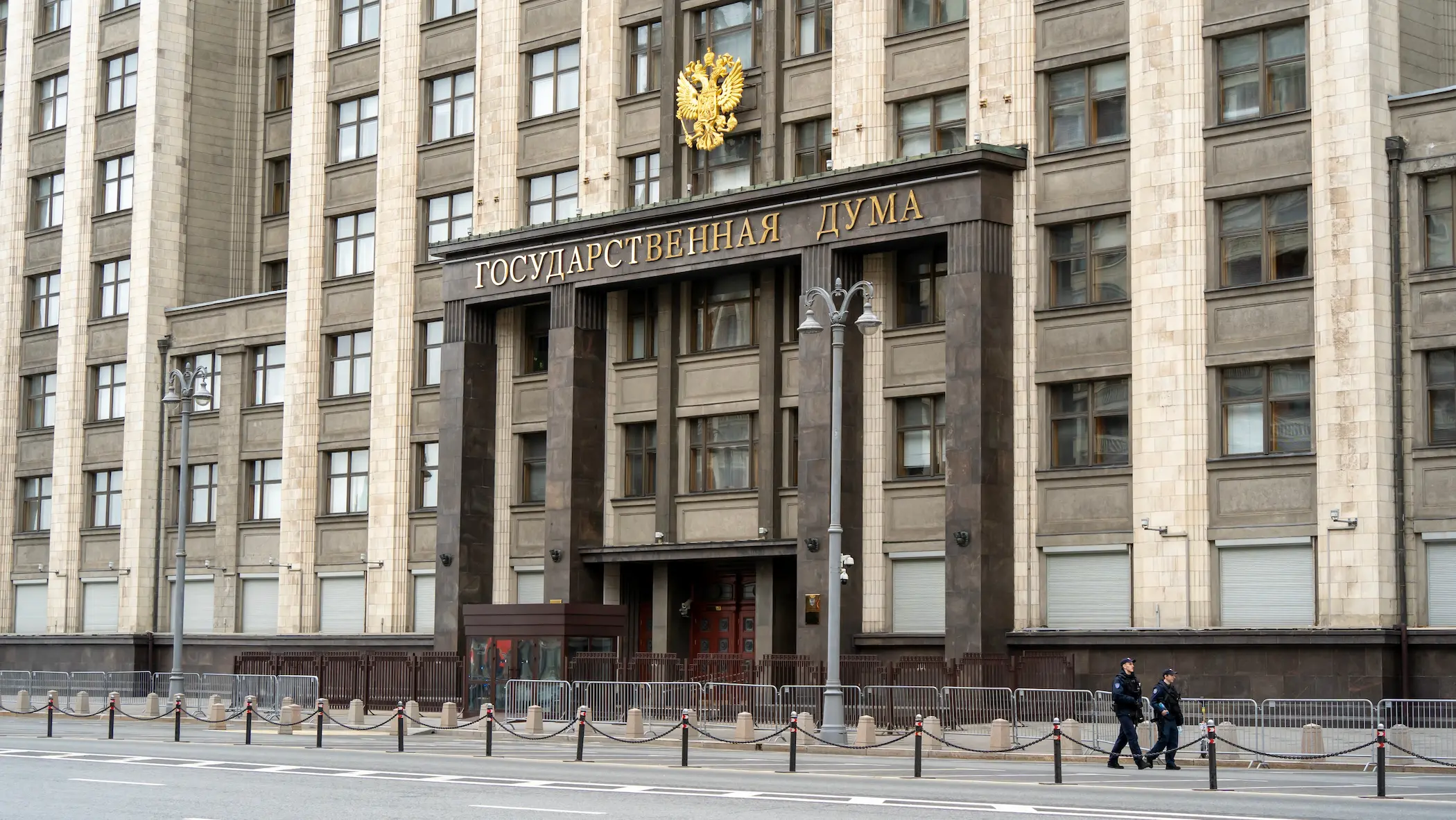
Russia’s 2026 Duma: Building the Political Order After Putin
Russia is holding Duma elections between 18 and 20 September 2026 amidst the fallout from its 2022 war in Ukraine and the accompanying economic, political, and security challenges. Several parties are competing in these elections, most notably the ruling United Russia party, which has been in power since 2001.
On the surface, the elections appear to offer little uncertainty. But digging deep, the Kremlin is quietly reshaping the political landscape. The emergence of young, loyal bureaucrats, the mobilisation of presidential aides, and the increasing integration of veterans into the government all point to changes that extend far beyond the mere formation of the next Duma.
This makes it difficult to predict the outcome of the 2026 elections by simply asking who will win. The more important question may lie beyond the ballot itself: What kind of political system is Russia preparing to carry forward? As the war continues to reshape the state, the elite, and the relationship between the Kremlin and society, the new Duma may offer a base to a political order whose most crucial stage has yet to unfold.
Programmes
3 Jul 2026
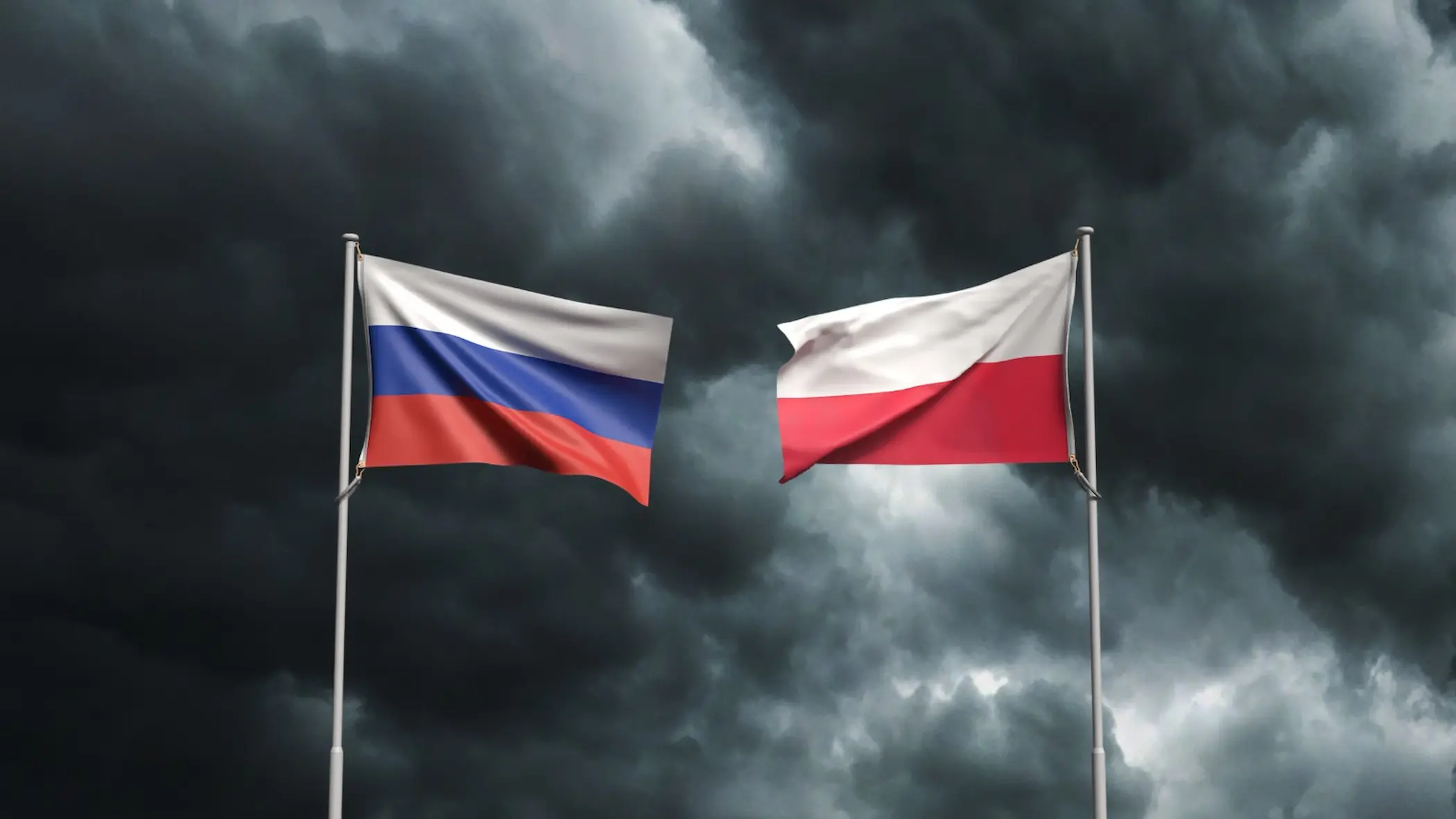
Red Alert: Will Russia Stage an Armed Provocation Against Poland?
On July 3, reports emerged that the United States has warned Warsaw of a possible Russian armed "provocation" against Poland, designed to test NATO's resolve. According to sources close to Polish President Karol Nawrocki, cited by the Polish outlet Onet, Washington has repeatedly signaled that such an operation could be launched within a matter of months. The scenarios under discussion range from missile or drone strikes on Poland's critical infrastructure to a limited crossing of Russian soldiers into NATO territory. This raises a critical question: is Moscow preparing to directly test Article 5 of the North Atlantic Treaty?
A provocation of this kind would differ fundamentally from a conventional invasion. It would be deliberately calibrated to remain below the threshold of open war — ambiguous enough to sow hesitation among allies, yet aggressive enough to force a response. Though limited in scale, its consequences for European security and the global order could be profound.
Programmes
9 Jun 2026
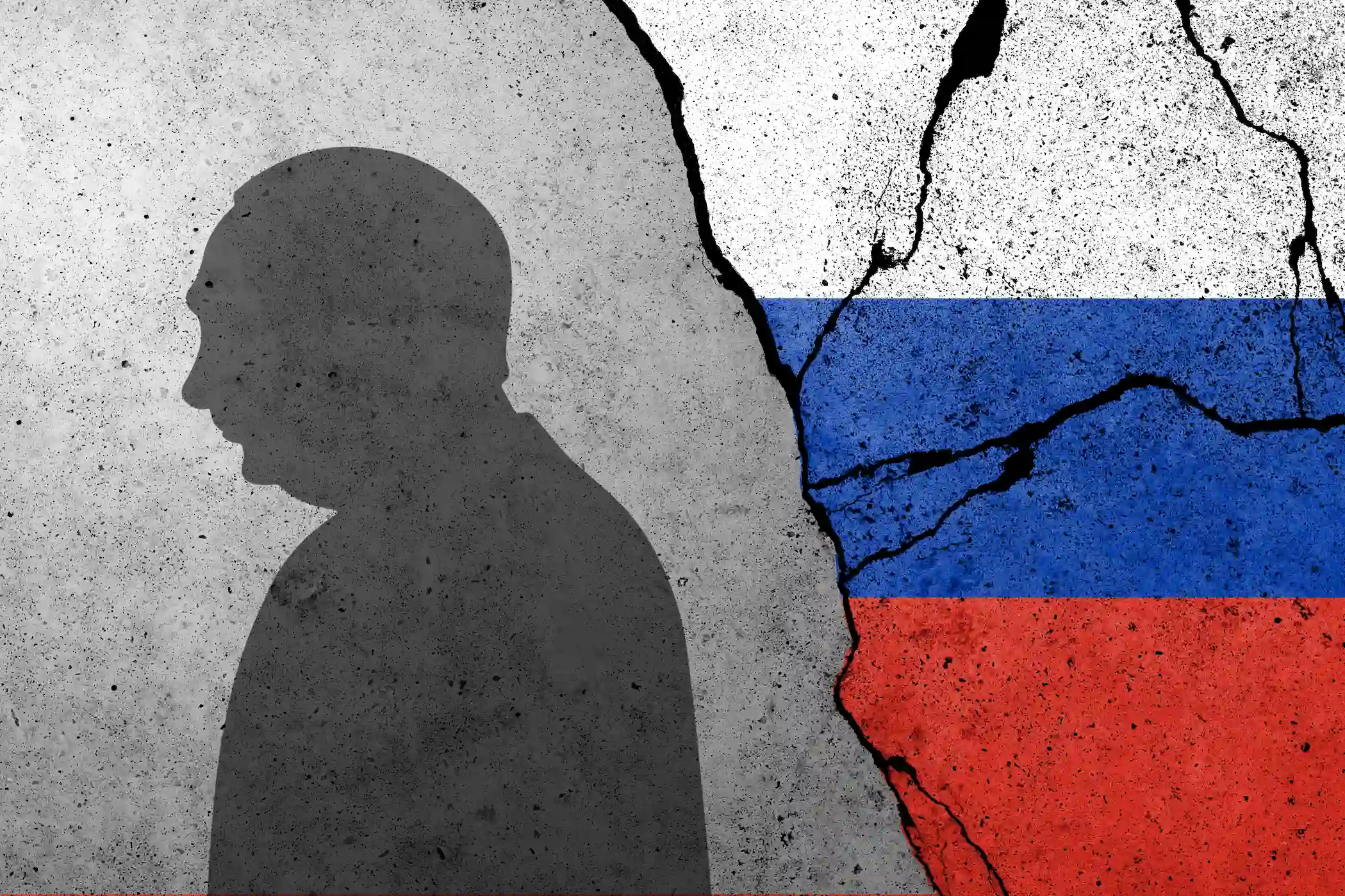
Silent Elite Fragmentation: Trajectory of Putin’s Regime in Russia
Ukraine’s shift from a battlefield conflict to a multidimensional strategy of systematically exhausting Russian war efforts appears to be causing divisions and tensions among the elites in Moscow. This has triggered expectations of elite defections from Russian President Vladimir Putin’s regime and even the possibility of his removal. According to this view, the prolonged war is likely to undermine Russia’s internal stability and elite confidence, which eventually would translate to broader political restructuring and potentially a complete regime change.
However, the complex structure of the Russian regime suggests a different scenario regarding how elite dissatisfaction could influence the course of events and the relationship between elite fragmentation and regime stability. Hence, the strategic question is no longer whether Russia can survive battlefield losses but whether the Kremlin can indefinitely withstand the cumulative pressures of growing elite frustration.
Programmes
14 Oct 2025
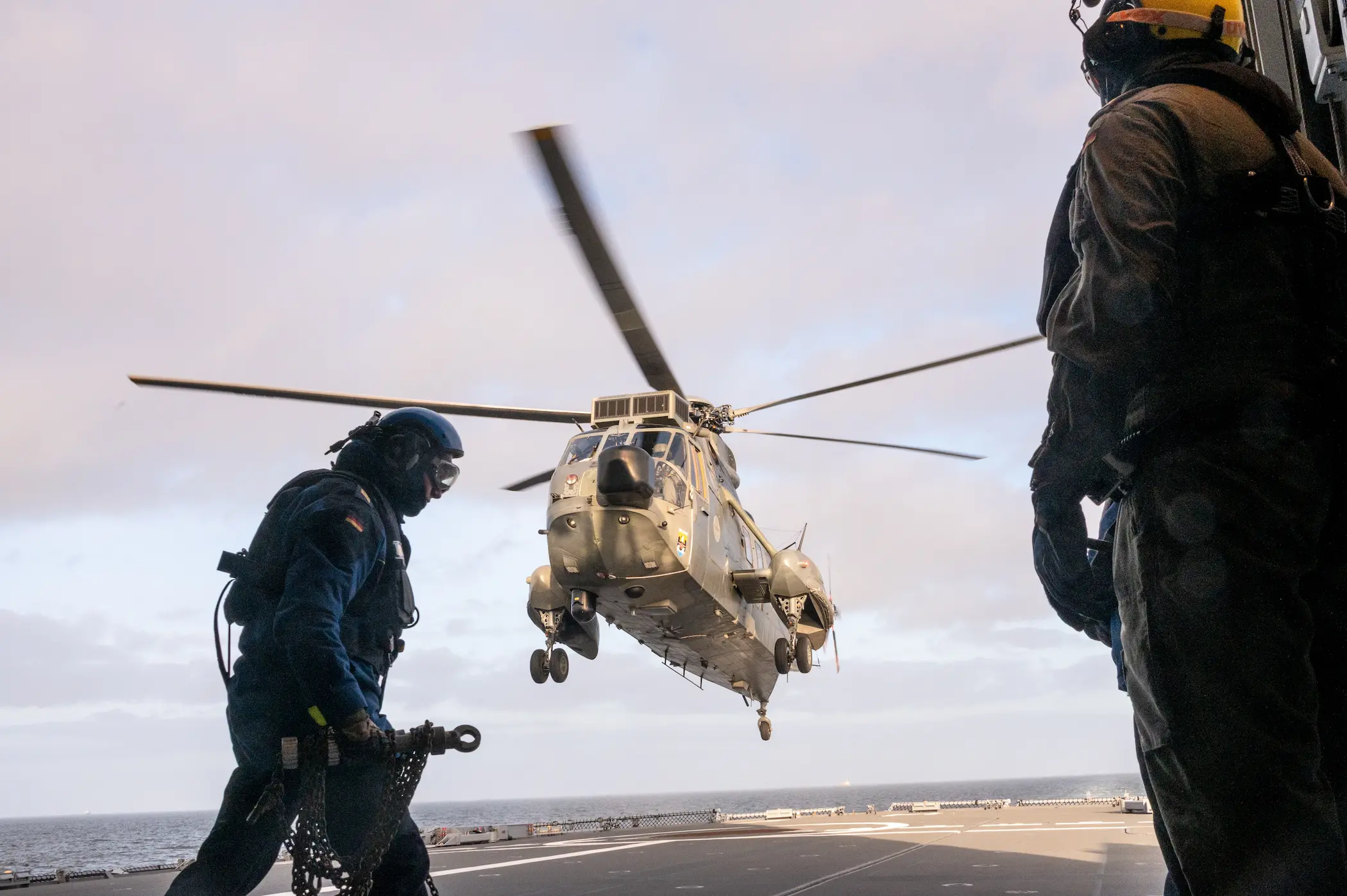
Not All Quiet on the Western Front: Europe’s Next War
“Poland is at its closest to open conflict since World War Two,” warned Prime Minister Donald Tusk, after a sudden Russian airspace violation rattled the country. On September 9, a swarm of Russian drones entered Polish skies, prompting NATO aircraft to scramble and intercept several of them. It marked the first direct encounter between NATO and Moscow since Russia’s full-scale invasion of Ukraine on February 24, 2022. While the incident might have been a test by Putin to gauge NATO’s and Europe’s response, it also raises the specter of a potential war between Poland and Russia. Given Poland’s critical role within NATO and the EU, far greater than Ukraine’s, the implications of such a conflict would place the entire continent in Jeopardy. The pressing question now is: how likely is this war to erupt, and would Europeans bear the brunt?
Programmes
15 Sep 2025
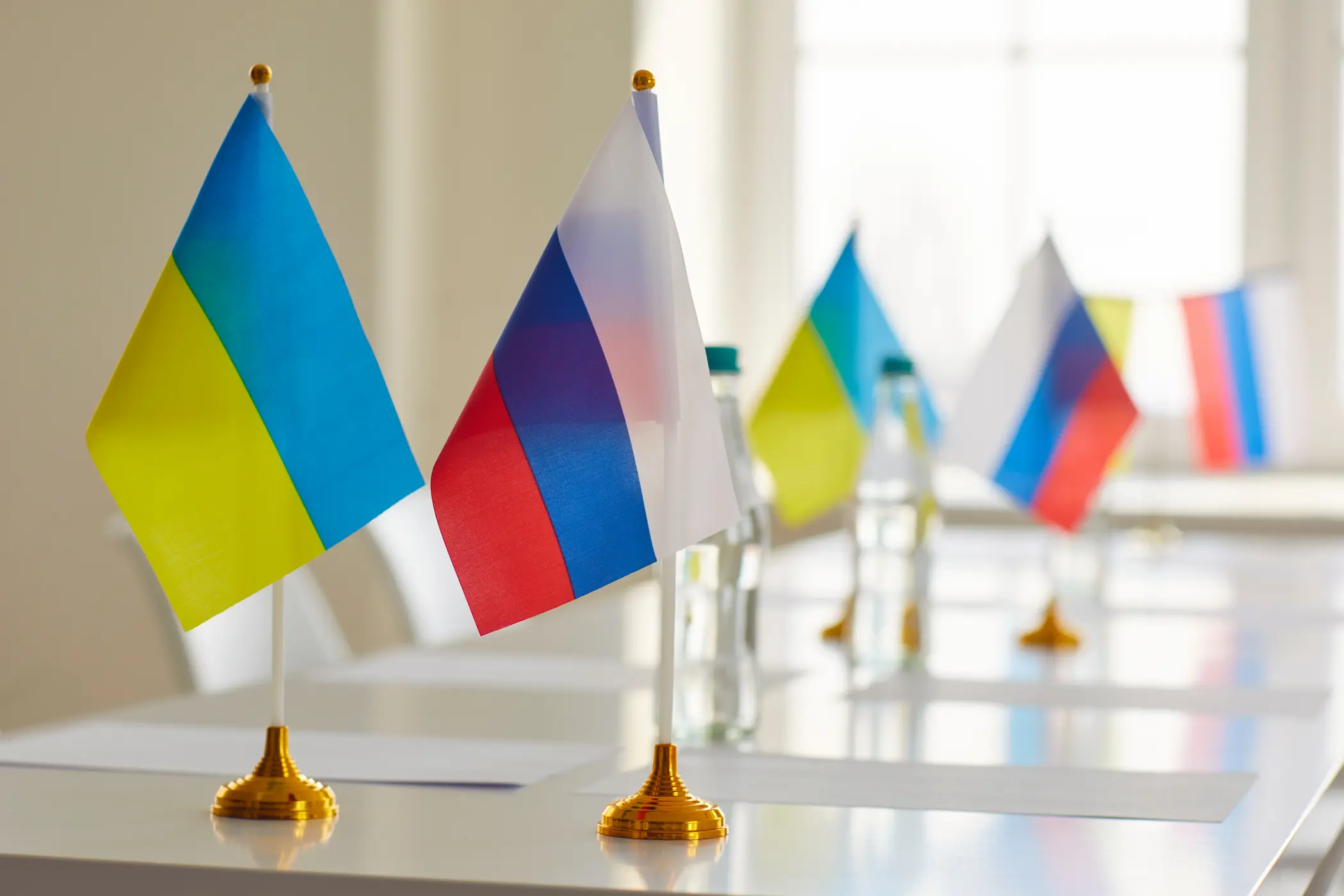
Trump Peace Play: Three Futures for Russia-Ukraine War
Amid Trump’s meetings with Russian & Ukrainian counterparts to reach a prolonged ceasefire, questions arise about the possibility of a successful peace plan occurring between Moscow & Kyiv with a U.S. mediation. Yet, with Putin’s demands from one side and Trump’s ambiguous promises to Zelensky from the other side, will the Ukraine war come to an end?